



Samsung Galaxy OS rumors: is One UI really being replaced?
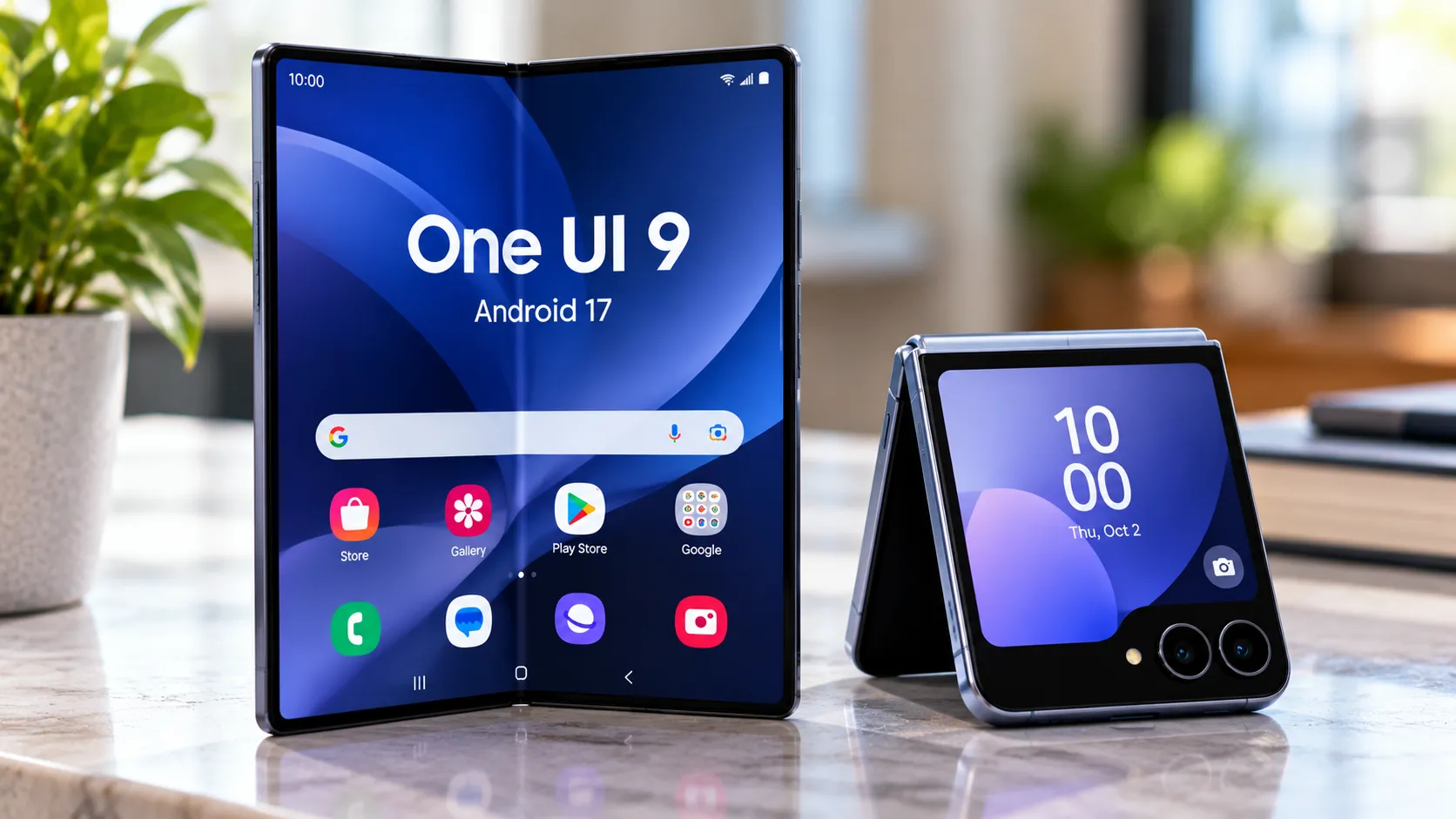
No source covering Samsung's software plans, not executive statements, not developer documentation, not leaked builds, names a project called Samsung Galaxy OS or describes a plan to retire the One UI brand. What's confirmed is narrower, but still worth tracking: Samsung adopted Google's Trunk Stable development process, and the company's own R&D leadership tied that shift to a notably fast One UI 8 launch on its newest foldables last year.
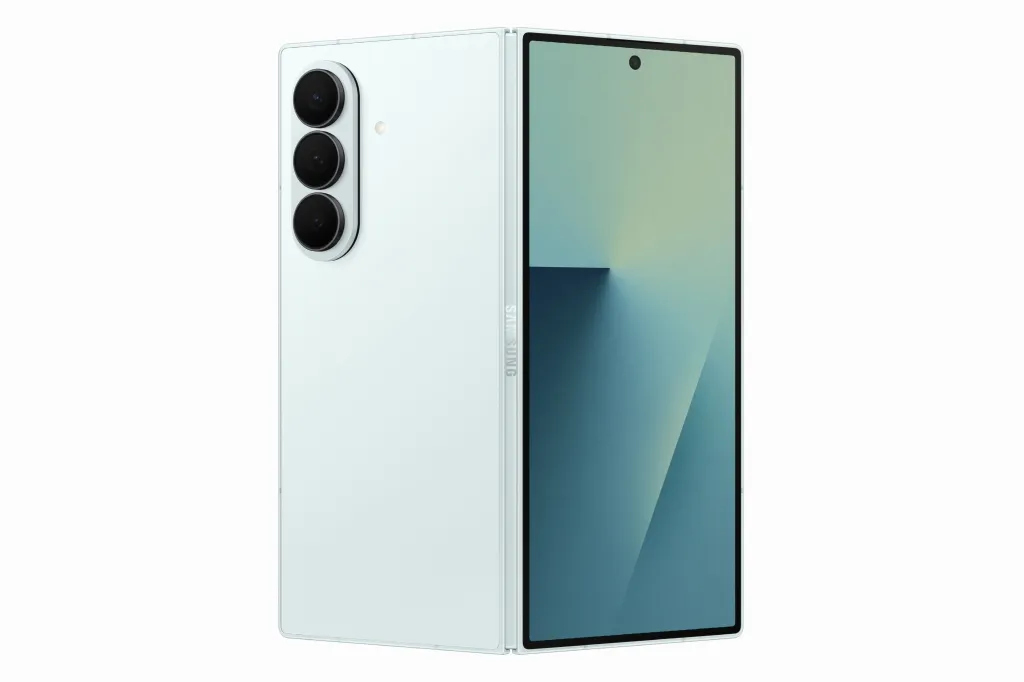
Samsung executive vice president and head of Framework R&D for the Mobile eXperience Business, Sally Hyesoon Jeong, said during a Galaxy Unpacked roundtable that Samsung worked closely with Google to adapt its development process to the Trunk Stable model, Android Police reported last year. In that same report, Galaxy Z Fold and Z Flip devices shipped with One UI 8 about a month after Android 16's release, a turnaround Android Police called unusually fast for Samsung.
If you own a Galaxy phone or are shopping for one, that update-speed shift, not a rebrand no source has documented, is what's actually worth watching right now.
What's actually confirmed about the Samsung-Google partnership
Trunk Stable is a development workflow, not a consumer-facing operating system. Engineering happens on one continuously stable code branch, and unfinished features stay hidden behind feature flags until they're ready to ship, according to Android Police. Google built the system to close the update-speed gap that used to separate Pixel software from everything else running Android, Galaxy phones included.
Samsung adopting that model changes how its software gets built internally. Nothing in that report addresses whether it affects app-store access, Android compatibility, or whether One UI keeps its current name; those questions fall outside what Trunk Stable actually governs.
Other confirmed examples of Samsung-Google collaboration point in the same direction: AI features and platform behavior, not a shared operating system. Google framed the Galaxy S25 launch as joint engineering, saying it was bringing Android and AI updates to the series "together with Samsung," Google said last year. A year earlier, Google confirmed Galaxy S24 devices would run Gemini Pro and Gemini Nano inside Samsung's own Notes, Voice Recorder, and Keyboard apps, naming Samsung as one of the first partners to test Gemini Ultra, Google announced in 2024.
Each of those examples, the AI integrations and now Trunk Stable, is specific to a feature or a process. None describes Samsung building a standalone platform, and getting from this evidence to that conclusion is a leap the sources don't support.
Why update speed is the clearest proven benefit so far
Samsung's clearest measurable gain from Trunk Stable is speed: the one-month gap between Android 16's release and One UI 8 landing on the Z Fold and Z Flip, as Android Police reported. Jeong credited the new process directly for that pace and said Samsung intends to keep up with Google's release cadence going forward.
That report covers one launch cycle on two flagship foldables. It doesn't establish how quickly the rest of Samsung's lineup, including older flagships or budget Galaxy models, will get updates going forward, so one fast rollout shouldn't be read as a guaranteed pattern until more release cycles confirm it.
Longer-term support is even less settled. Google's own move to Trunk Stable let it extend software support for the Pixel 6 and Pixel 7 by two years, Google's Samat confirmed, according to Android Police. Whether that translates into longer support windows for Galaxy devices hasn't been established, and the report is explicit that the outcome for Samsung remains unproven with no stated timeline.
Why a full Galaxy OS break would be a steep bet
Samsung has tried standalone software before, and it didn't go well. Devices running Bada and Tizen sold far worse than Samsung's Android lineup has, Android Central noted last year in a commentary piece on the Samsung-Google relationship.
That same commentary argues Samsung has grown dependent on Google for the software that powers most of its phones and has largely stopped trying to change that, pointing to examples like Good Lock staying a separate Galaxy Store install rather than being folded into One UI. That's opinion, not reporting, but it lines up with the pattern in the confirmed sources above: Samsung's software roadmap keeps tightening around Google's platform rather than drifting away from it.
Given that history, a full break from Android would be a high bar for Samsung to clear, not a plan hinted at by current reporting. Nothing reviewed here suggests Samsung is reversing course on that dependency.
What would actually confirm a Samsung Galaxy OS shift
None of the sources reviewed for this article, including executive statements, developer documentation, and industry commentary, identifies a Galaxy OS project or an effort to replace One UI with a new platform. That absence means the rumor is unsupported by current reporting, not proof that no internal effort could exist somewhere inside Samsung.
Confirming an actual move toward Samsung replacing One UI with Galaxy OS would require specific evidence: an official statement from Samsung or Google naming a distinct platform, verifiable developer documentation referencing a new OS, or clarity on whether Google Play, Google Mobile Services, and Gemini integrations would carry over to a successor. None of the sources here provide those details. Until one does, treat "Samsung Galaxy OS" as speculation layered on top of real, but unrelated, One UI development news.
What to do now
Current Galaxy owners don't need to act on Galaxy OS speculation that no source has substantiated. Check your update status through Settings > Software update or the Samsung Members app if you want to confirm whether your device has received One UI 8, since the fast rollout documented so far applies to the Z Fold and Z Flip, not necessarily every Galaxy model.
Prospective buyers shouldn't delay a purchase or hold out for a rebrand with no confirmed timeline or scope. Watch official Samsung and Google channels for genuine platform announcements, and judge Samsung's Trunk Stable adoption on whether update speed actually holds up across more devices and more release cycles, not on a name that hasn't surfaced in any credible report yet.

Comments
Be the first, drop a comment!