



Samsung Galaxy OS replacing One UI: what the leak claims
A new leak claims Samsung is considering a plan to replace One UI with something called "Galaxy OS," a rebrand that could debut with the Galaxy S28 series in 2028. Samsung has not confirmed any of it, according to the original report (Gizchina, yesterday).
Android Authority published its own take on the same claim today, framing it as a possible rebrand of One UI (Android Authority, today). That's not independent corroboration. Both outlets are covering the same underlying claim, which traces back to leaker phonefuturist, and Samsung itself has said nothing publicly.
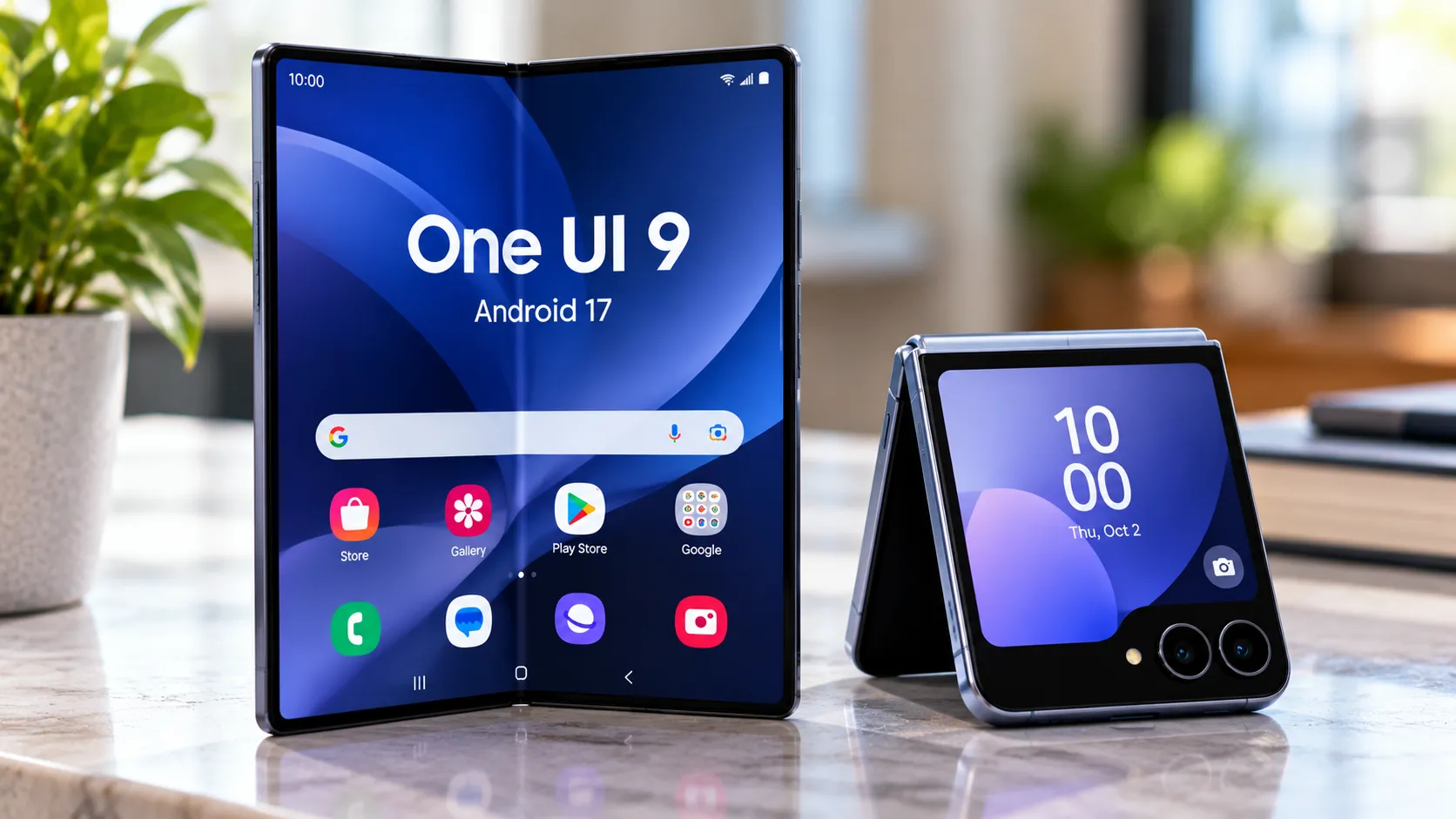
For anyone buying or updating a Galaxy device right now, the software that actually matters is One UI 9. Samsung began expanding that update to the Galaxy S26, S26+, and S26 Ultra three weeks ago, following its earlier debut on the Galaxy Z Fold8 Ultra, Fold8, and Flip8, with other devices set to receive it gradually (Samsung Newsroom India, 3 weeks ago). Galaxy OS, if it happens at all, is a possible future name change, not a product anyone can check for today.
Is Samsung replacing One UI with Galaxy OS?
The claim rests on one leaker, phonefuturist, who says Samsung is discussing the project internally under two possible names: One UI 10 or Galaxy OS. A debut alongside the Galaxy S28 lineup in 2028 has been floated, but the report itself describes the project as early-stage, with Samsung confirming none of it (Gizchina, yesterday).
One detail worth noting: by 2028, One UI will be roughly a decade old (Gizchina, yesterday). That doesn't confirm anything on its own, but it's the kind of milestone companies sometimes use as an excuse to rename or restructure a software platform.
It's also worth being precise about what's actually being alleged. Neither cited report says Galaxy OS would replace Android; the claim describes a possible name change or a deeper rework of Samsung's existing software layer on top of Android, not a new mobile operating system built from scratch.
What the leak says about an AI-first One UI
According to the leak, the goal behind the project is making AI "part of the system itself" instead of a set of standalone tools, with Samsung reportedly working alongside Google on deeper AI integration (Gizchina, yesterday).
That direction shows up in software Samsung has already shipped. One UI 9 lets users move between apps like Calendar and Maps without manually switching, and features called Now Nudge and Now Brief surface action prompts and personalized daily summaries (Samsung US, 3 months ago). Both require a Samsung Account to work, and Samsung notes that AI feature availability can vary by device model (Samsung US, 3 months ago).
A separate, unconfirmed leak about One UI 9.5 points to AI-powered search built directly into the Phone app dialer, letting users pull up contacts and related information from the keypad screen without opening a separate app (Android Authority, 2 months ago). Samsung hasn't announced One UI 9.5, and Android Authority cautions that leaked features can still change before any beta or stable release (Android Authority, 2 months ago).
Taken together, the Galaxy OS rumor fits a direction Samsung's marketing has been signaling for months. That's why it reads as plausible, even though nothing about the name or the timeline is confirmed.
What a system-wide AI overhaul could mean for privacy
If Samsung does eventually push AI deeper into the operating system, the privacy controls built into One UI 9 today become the baseline worth watching.
Galaxy AI processing can currently be set to run on-device or in the cloud, giving users a say over where their data gets handled (Samsung US, 3 months ago). Samsung's Personal Data Engine processes personal data on-device and uses KEEP, Knox Enhanced Encrypted Protection, to store sensitive information in a secure, encrypted area (Samsung US, 3 months ago). Knox Vault is a separate, hardware-based layer that Samsung says protects PINs, passwords, and biometric data in an isolated environment (Samsung US, 3 months ago).
One UI 9 also logs which apps AI assistants accessed and what actions they took, a transparency feature that would matter even more if AI gained broader authority to act across apps (Samsung US, 3 months ago). Privacy Alerts uses on-device AI to flag apps that appear to overuse location data (Samsung US, 3 months ago), or that make unnecessary background permission requests (Samsung Newsroom India, 3 weeks ago). Samsung lists Privacy Alerts as supported on a specific set of Galaxy phones and tablets, and notes availability can vary by country, region, language, device model, and One UI version (Samsung Newsroom India, 3 weeks ago).
Nothing in the current Galaxy OS reporting says whether these controls would carry over, expand, or change under a renamed or restructured platform. Watch for that detail as more reporting surfaces.
Will Galaxy OS mean paid AI and deeper Google ties?
The leak attributes the broader overhaul to collaboration between Samsung and Google, though no technical details about model providers or which company handles what have surfaced (Gizchina, yesterday).
Samsung has experimented with giving users a choice on search before. Leaked code inside a One UI 9 build suggested users might eventually pick Finder, Google, both, or neither as their home-screen search option (Android Authority, 5 months ago). That's based on an APK teardown of work-in-progress code, and Android Authority notes such features don't always make it to a public release (Android Authority, 5 months ago).
The detail more likely to affect actual Galaxy owners is pricing. The leak mentions "talk" of paid AI services from outside partners but names no providers, no prices, and no list of which features would stay free (Gizchina, yesterday). Samsung's current AI features vary by device model and sometimes require a Samsung Account or network connection; Photo Assist, for instance, may require both (Samsung US, 3 months ago). That existing pattern hints at how a tiered system could work, but it's not proof of what Galaxy OS would actually charge for.
What to do with this rumor right now
None of this changes what to do with a Galaxy phone today. One UI 9 is still the software rolling out across the lineup, and Galaxy OS remains an unconfirmed internal project riding on a single leaker and a two-year runway.
Before acting on any of this:
- Check Settings > Software update on your device to see whether One UI 9 has reached your model, rather than waiting on a rebrand that's still at least two years out.
- Treat the Finder/Google search option and the One UI 9.5 dialer search feature as unconfirmed leaks, not features to plan around.
- If eyeing a Galaxy S28 purchase in 2028 specifically for "Galaxy OS," verify what actually ships at launch instead of assuming the name alone means a meaningfully different experience.
- Watch for a Samsung trademark filing, developer documentation, or a second independent leak with technical specifics before treating Galaxy OS as more than a rumor.
The leak is worth tracking. It isn't yet worth acting on.

Comments
Be the first, drop a comment!