



How to use AI Network Guard on Samsung One UI 9 to block ads
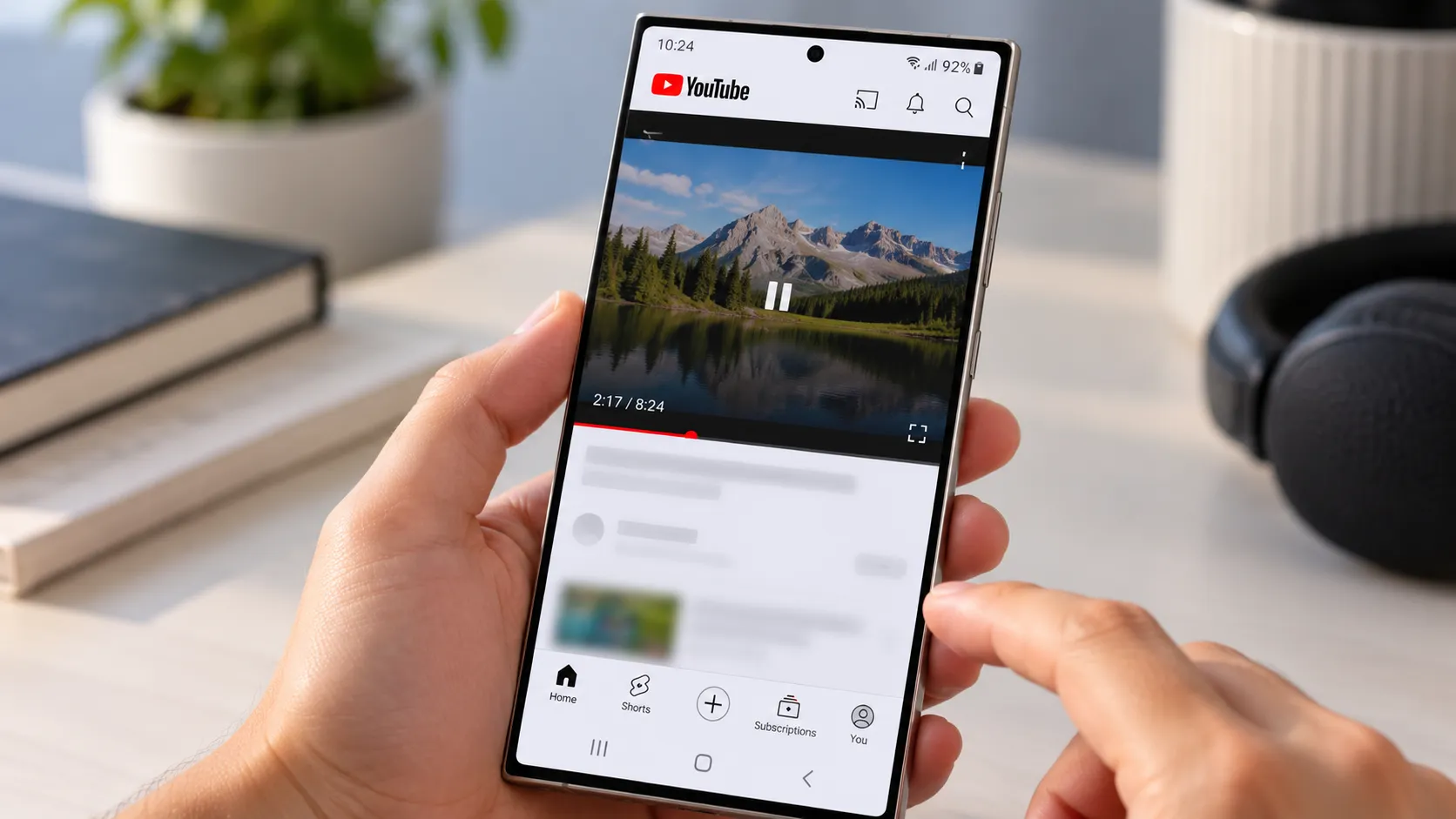
Learning how to use AI Network Guard on Samsung One UI 9 won't turn your phone into a systemwide ad blocker, but it can quiet ad requests inside certain offline-capable apps. The feature works by cutting an app's internet connection completely, and it lives inside a hidden Wi-Fi menu called Connectivity Labs. Ads vanish only because the app can no longer reach a server to fetch them in the first place (Android Authority, yesterday; Techritual, today).
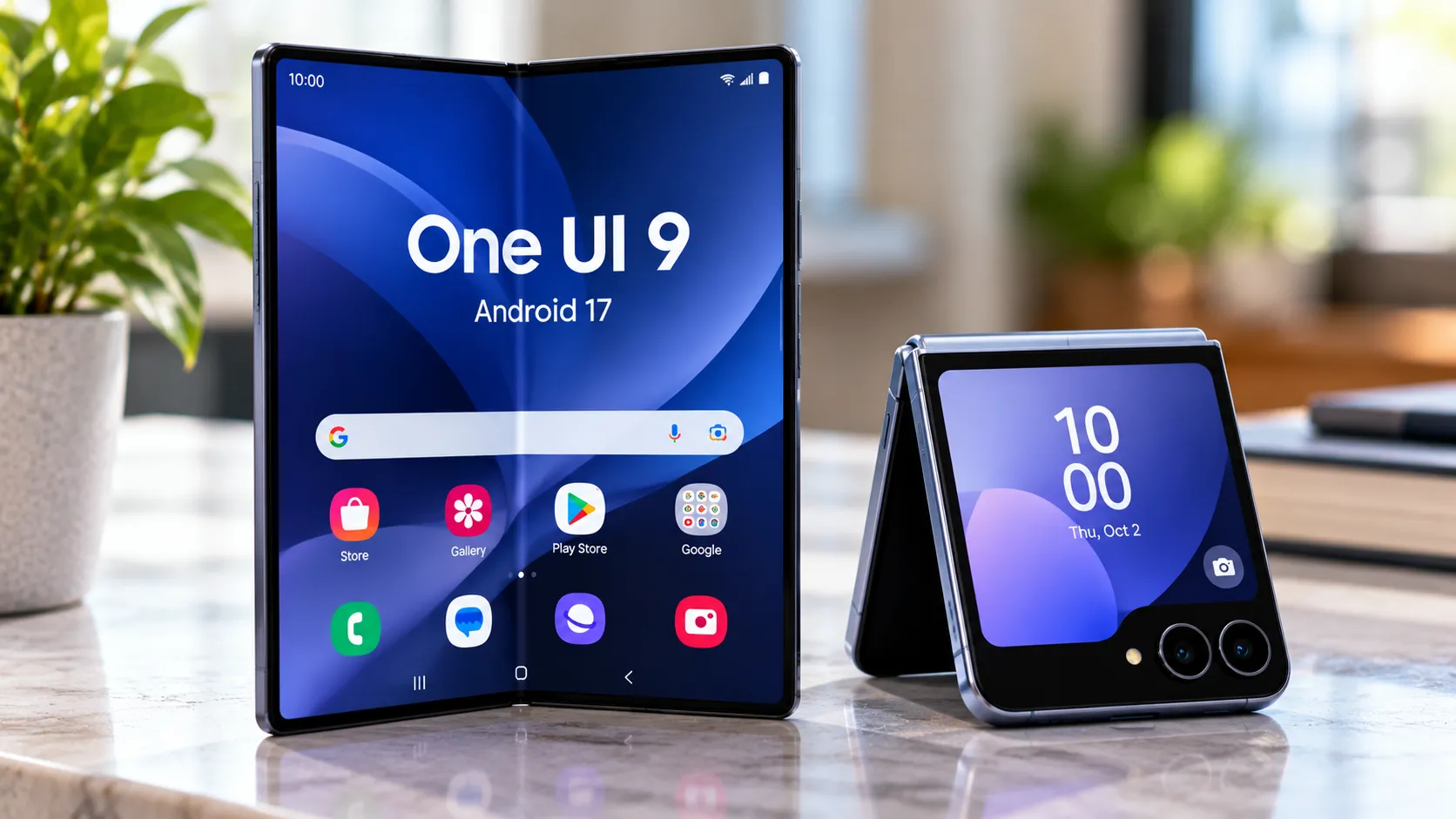
Android 17-based One UI 9 is currently rolling out to eligible Galaxy phones. Android Authority spent over a month testing beta builds before publishing a hands-on review yesterday that walks through the feature and its basic setup (Android Authority, yesterday). A related restriction toggle for browsers and games already reached the stable One UI 9 release on the Galaxy Z Fold 8 line two months ago (Android Authority, two months ago). This guide covers what the toggle actually does, who can check for it now, how to turn it on, how to test it without breaking anything, and the separate Downtime scheduler built around the same tool.
What AI Network Guard actually does (and why it can block ads)
Samsung didn't design this as an ad blocker. Beta code Android Authority examined five months ago labeled the feature internally as "Network management for concentration," with on-screen copy explaining it's meant to cut distractions from video, social media, and games during work or study (Android Authority, five months ago). Ad blocking never shows up anywhere in that description.
The ad-free side effect comes from how the restriction works mechanically, not from any kind of ad-detection logic. Techritual reports that once Network Guard cuts an app's connection, the app can't reach the server it would normally call for a fresh ad, and since there's no connection at all, nothing gets cached in the background for later display either (Techritual, today). That's genuinely useful if the goal is to block in-app ads on Samsung Galaxy devices, but only for apps built to tolerate losing their connection outright.
That same May code referenced preset categories for organizing restricted apps: browser, game, social, streaming, and other (Android Authority, five months ago). Two months later, when Samsung shipped stable One UI 9 on the Z Fold 8 line, Android Authority confirmed two of those groupings, Restrict browsers and Restrict games, had become dedicated toggles under Network restrictions (Android Authority, two months ago). Whether social and streaming made the same jump into stable software isn't independently confirmed, so treat the full five-category list as a sign of Samsung's direction rather than a guaranteed feature set on your phone.
Network Guard only knows full on or full off. There's no middle setting. Point it at an app that needs to phone home regularly, a browser, a streaming app, a messaging client, and restricting it is more likely to break a feature than quietly strip out ads.
Who can check for AI Network Guard right now
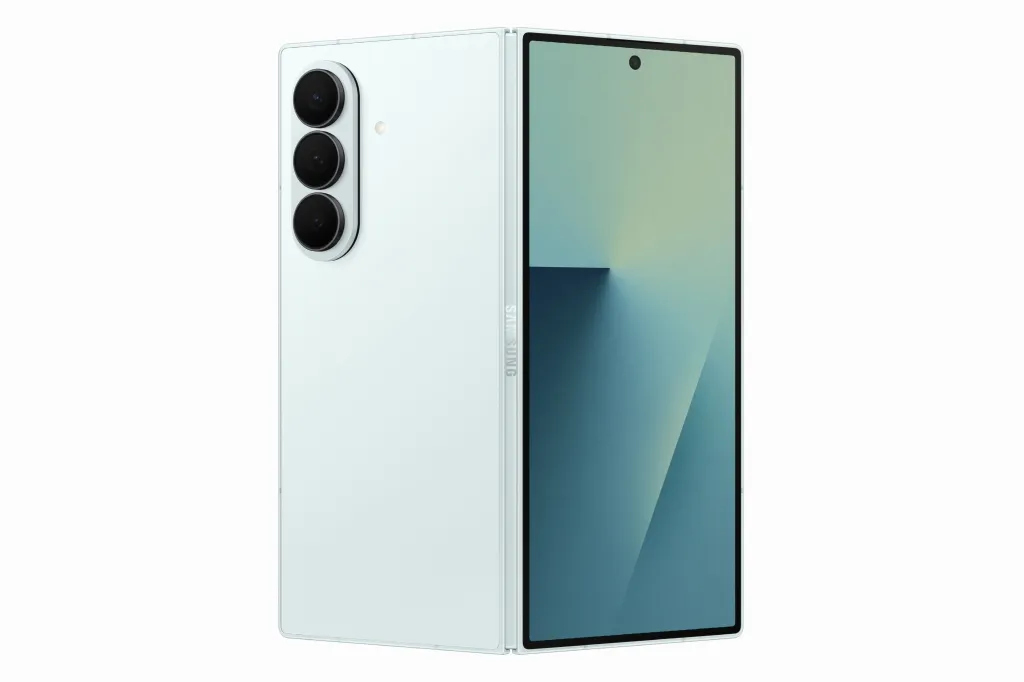
The Galaxy Z Fold 8, Z Fold 8 Ultra, and Z Flip 8 were the first phones confirmed to ship with stable One UI 9. Android Authority reported two months ago that the three foldables were up for preorder with shipments starting the following week, running the stable software out of the box; older flagships would get the update later, at a date Samsung hadn't specified (Android Authority, two months ago).
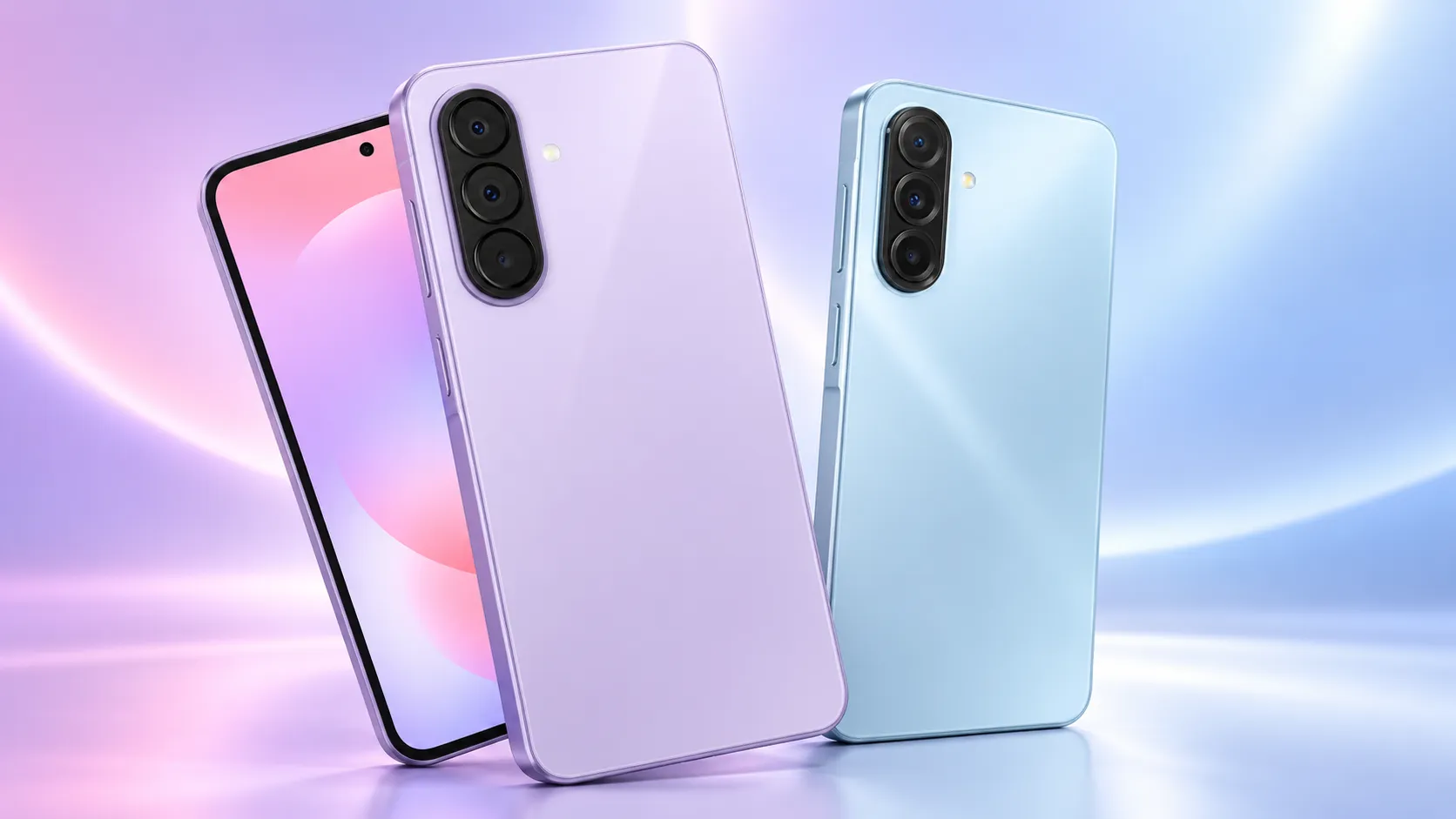
Beta access had already reached the Galaxy S26, S25, and S24 lines three months ago, well before the stable rollout started (Tech Advisor, three months ago). Android Authority's hands-on account from yesterday describes the Android 17-based update as now reaching eligible Samsung phones more broadly, not just the foldable launch lineup (Android Authority, yesterday). None of this confirms universal model or regional availability, so check your own settings instead of assuming eligibility based on which Galaxy you own.
If you're unsure which group you fall into, don't rely on a software update notification to confirm whether Samsung Connectivity Labs AI Network Guard made it onto your phone. The real test is whether the hidden menu shows up when you go looking for it, which is what the next steps cover.
AI Network Guard settings: how to restrict app internet access on Samsung
The unlock path is consistent across every hands-on report, even if the tap count has shifted between builds:
- Open Settings > Connections > Wi-Fi.
- Tap the three-dot menu in the top corner and select Intelligent Wi-Fi.
- Tap Intelligent Wi-Fi repeatedly until Connectivity Labs appears. Android Authority and Techritual both counted seven taps on current builds, while Tech Advisor needed only five on an earlier beta three months ago. If nothing happens by five, keep going (Android Authority, yesterday; Techritual, today; Tech Advisor, three months ago).
- Open Connectivity Labs, tap into AI Network Guard, and set a PIN when prompted.
- Select Manage restrictions, enter the PIN, then choose Restrict apps to pick which apps lose network access (Techritual, today).
Pick a PIN worth remembering. Early beta code referenced a six-digit PIN with its own setup, confirmation, recovery, and reset screens, and the reset option wipes the PIN along with any restrictions already configured, according to the strings Android Authority found (Android Authority, five months ago).
If Connectivity Labs still doesn't show up after a dozen or so taps, the menu probably isn't live on your current software yet. Samsung hasn't published support documentation naming this feature or confirming a tap count for every build, so update to the latest available software first and repeat the sequence rather than assuming it's missing for good.
Test AI Network Guard on an offline-capable app before trusting it
Don't restrict anything you actually rely on until you've run this check:
- Turn on airplane mode and open the app you're considering. If it still works normally, a calculator, a file manager, a video player with files already downloaded, it's a reasonable candidate (Techritual, today).
- Turn airplane mode back off, then restrict that same app inside AI Network Guard using the steps above.
- Reopen the app and check that it behaves normally and that any ads it used to show no longer appear.
- If syncing, login, or content loading breaks, undo the restriction right away. Techritual points to the Backdrop wallpaper app as an example that fails to load content once its connection is cut, a useful preview of what "needs to be online" looks like in practice (Techritual, today).
What this cannot block
Network Guard only stops new ads from loading. It doesn't force an app to discard whatever it cached before the restriction went on, and the available reporting doesn't say whether an app can still display a promo or banner it already downloaded. A leftover ad after restricting an app isn't necessarily proof the toggle failed, it might just be old content the app already had on hand.
The same reporting does confirm restricted apps can't send data out while cut off, since there's no connection for anything to travel through (Techritual, today). That's worth knowing if there's a hope for a privacy bonus, but it isn't one in any tested sense. Blocking the connection stops transmission while the restriction is active; it doesn't erase data the app already collected, and it doesn't touch anything sent before the toggle went on. Call it reduced background traffic, not verified tracking protection.
What not to restrict with AI Network Guard
Skip messaging, social, streaming, cloud-backup, and navigation apps. These rely on a live connection for core functions, so restricting them tends to kill feeds, syncing, messages, maps, or backups instead of just trimming ads.
The available reporting also doesn't say whether a restriction behaves identically on Wi-Fi and mobile data in every case. That gap matters: a restriction that only blocks one connection type would let ads load again the moment the app switches networks. Test on something nonessential first instead of assuming the block works the same way across both.
Use Downtime to schedule distraction blocking automatically
Downtime sits in the same Connectivity Labs menu and applies network restrictions on a schedule instead of permanently, with configurable start and end times referenced directly in the beta code (Android Authority, yesterday; Android Authority, five months ago). It's built around the feature's original purpose, blocking distracting app categories during work or study hours, so don't expect anything new on the ad-blocking front here.
One limitation is worth knowing before building a routine around it. On the beta build Tech Advisor tested three months ago, Downtime applied the identical schedule every day, with no way to set separate rules for weekdays and weekends. Tech Advisor called that a real oversight, since most people want looser restrictions on weekends than during the work week (Tech Advisor, three months ago). The same report argued that with better scheduling, Downtime could become a genuinely useful screen-time tool for parents and adults alike, since Samsung already uses similar scheduling controls elsewhere in One UI (Tech Advisor, three months ago). Confirm whether that same-schedule-only limit still holds on the current stable build before relying on it daily, since that test ran on an earlier beta.
What to do now
Check whether your phone's current software build is One UI 9, then follow the tap sequence under Settings > Connections > Wi-Fi to see if Connectivity Labs appears. Test AI Network Guard on one throwaway, offline-capable app before restricting anything with a login, a feed, or a sync function attached to it.
If the Downtime scheduler still can't split weekday and weekend hours on a current build, hold off on building a daily routine around it until Samsung ships a fix.


Comments
Be the first, drop a comment!