





Galaxy S26 November 2026 security update rolls out in Korea
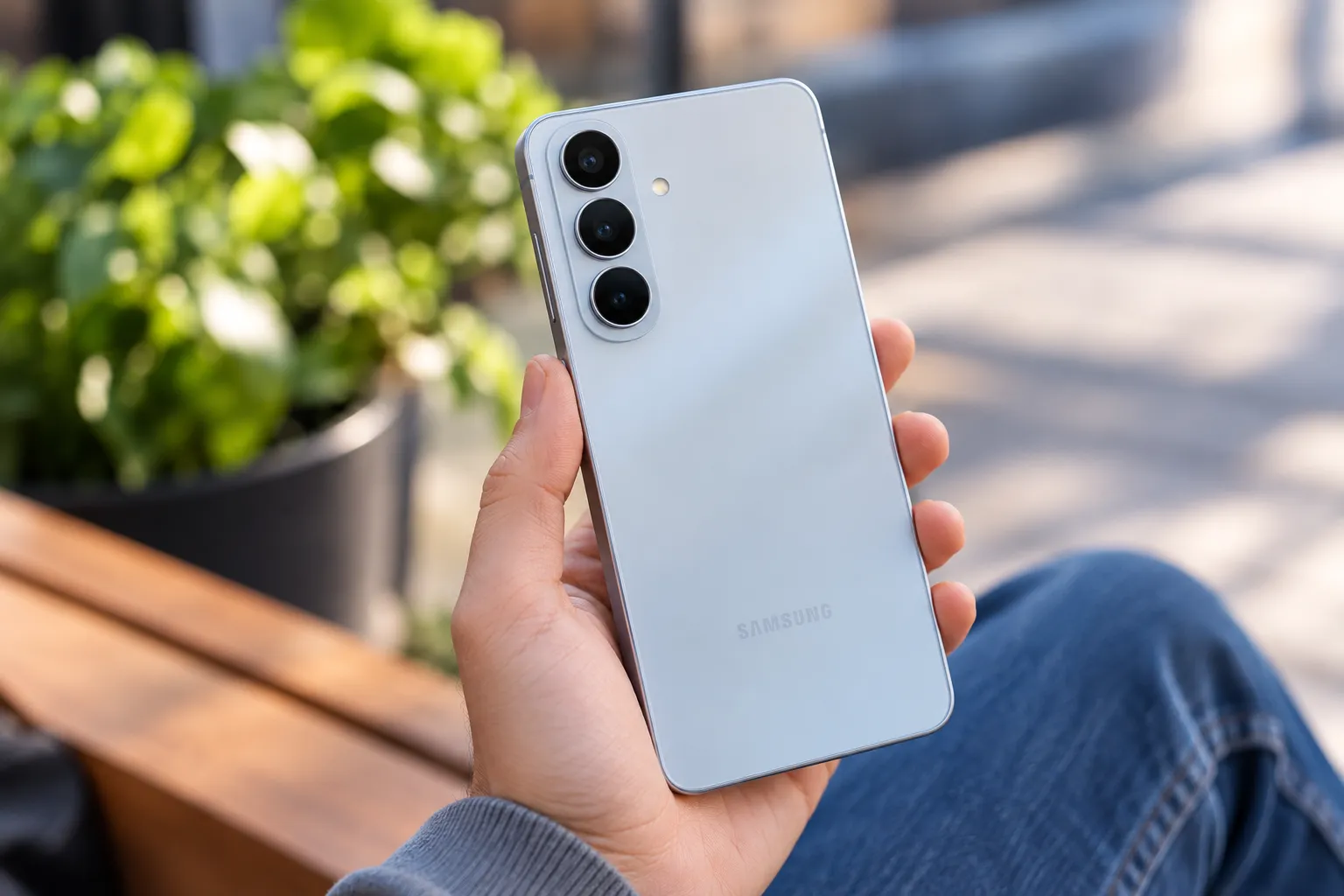
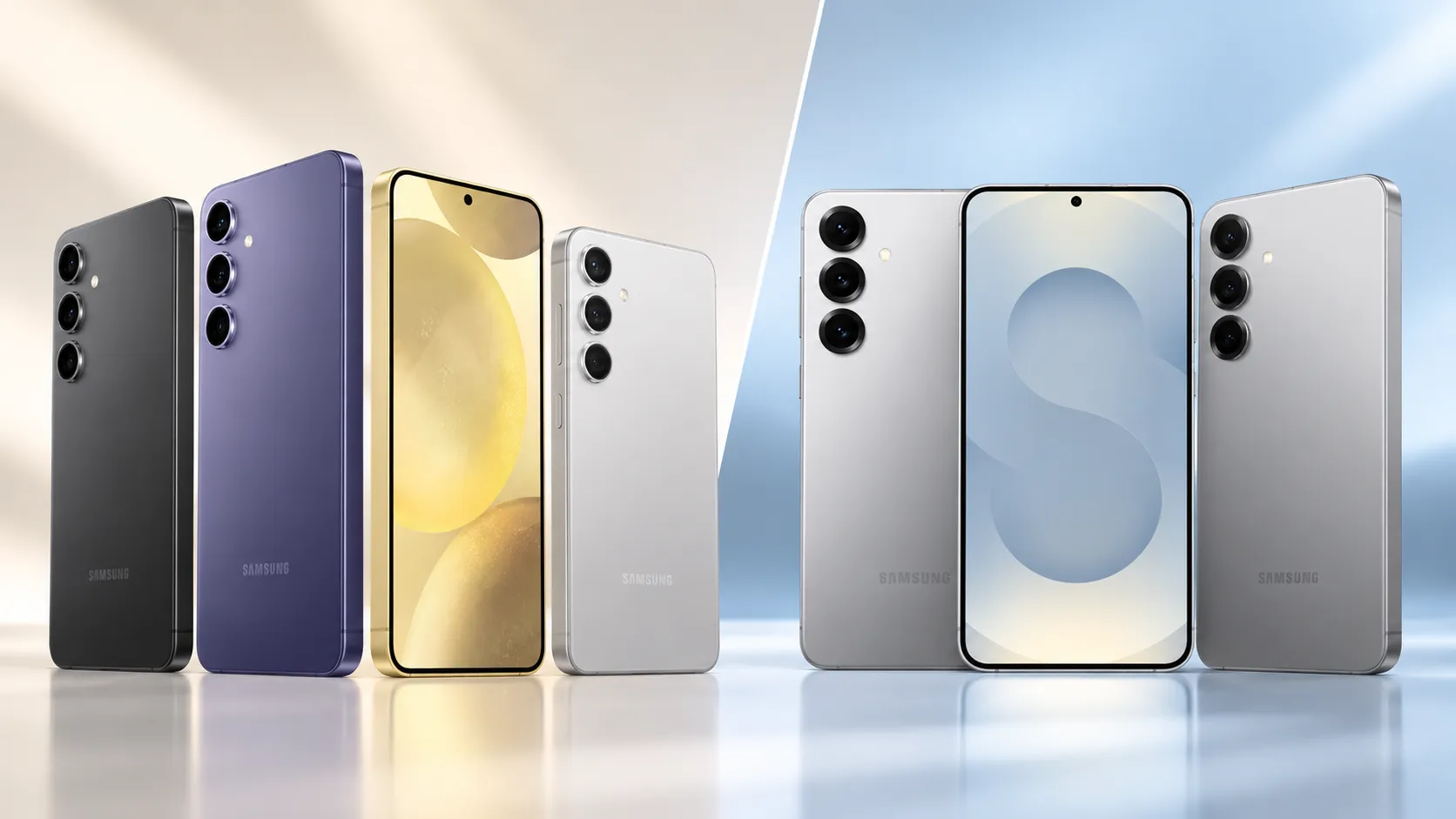
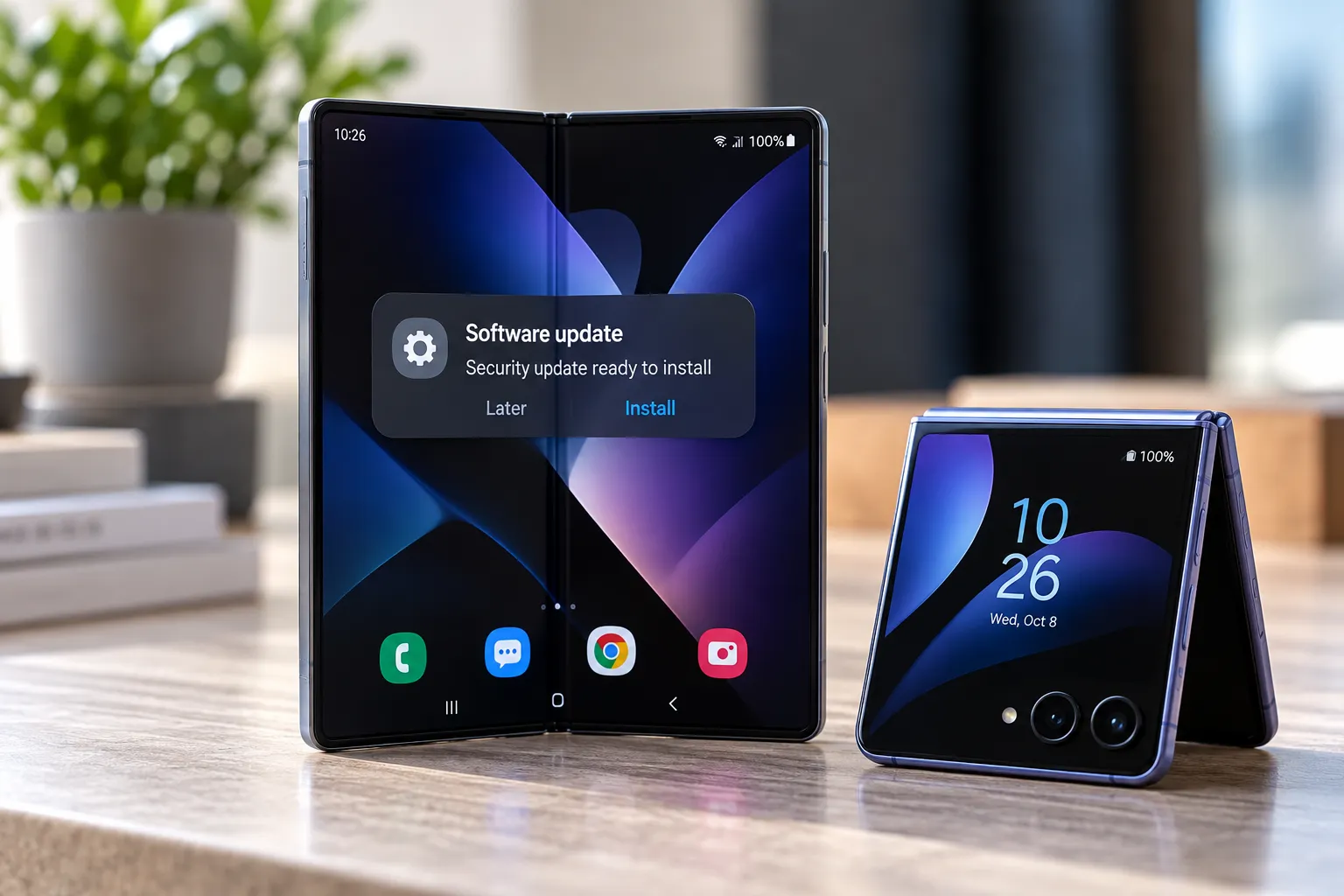
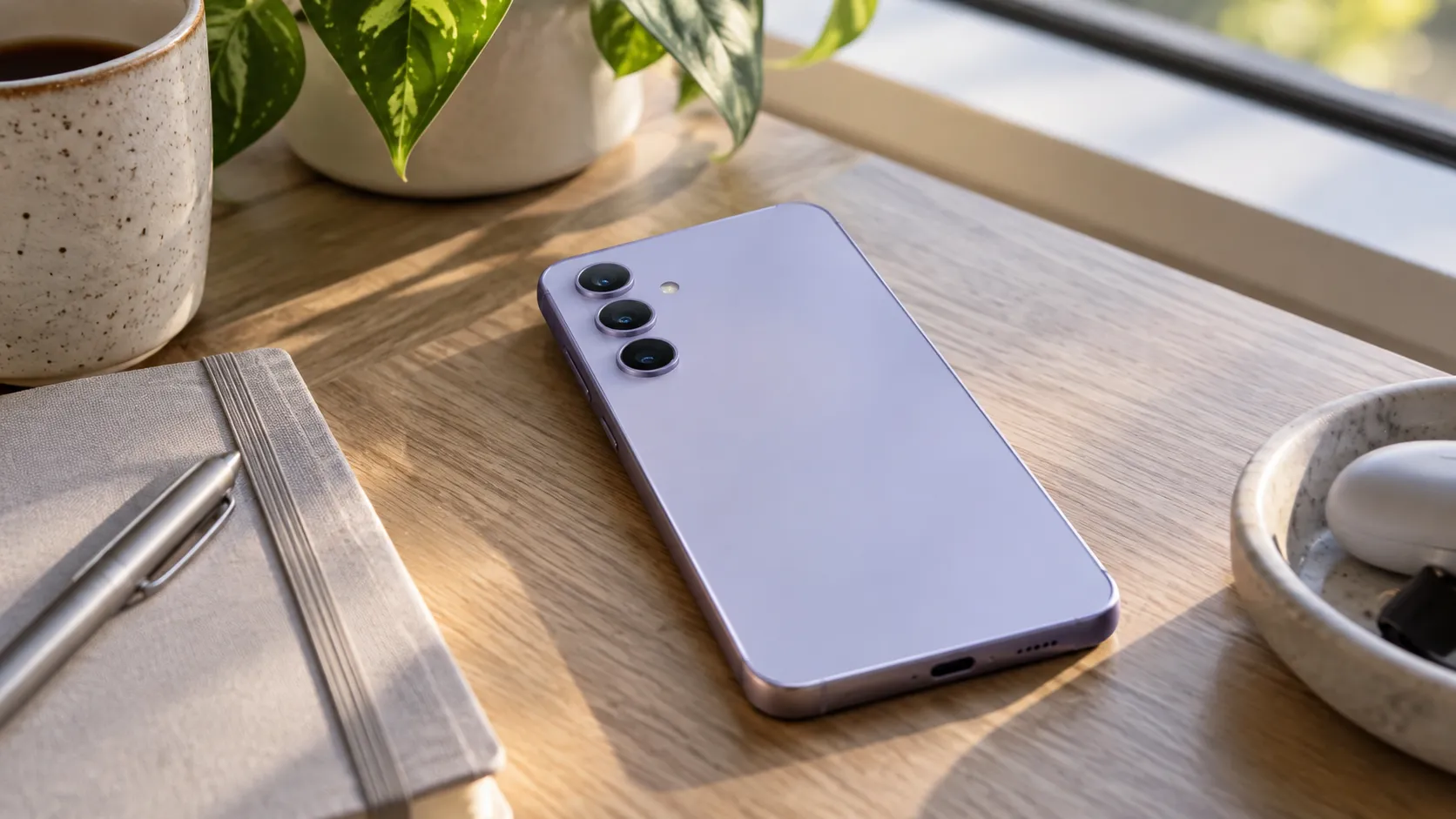
Samsung has begun pushing the Galaxy S26 November 2026 security update to the Galaxy S26, S26+, and S26 Ultra, with South Korea confirmed as the first market to receive it, according to SamMobile and SamsungMagazine, both reported yesterday. The base Galaxy S26 package measures 510.10MB and carries firmware version S942NKSS6BZK1, with other S26 models expected to get similarly sized downloads carrying firmware strings also ending in BZK1, per SamMobile.
SamsungMagazine describes the update as covering bug fixes and stability improvements only, with no new user-facing features, the outlet reports. That characterization comes from a secondary report rather than Samsung's own release notes, so it's worth treating as the current read rather than a locked-in fact. The reports describe access and interaction requirements for two of the listed flaws, but neither says whether any issue is being exploited. Samsung owners should install the update once it becomes available to them, not wait for a reason to feel urgent about it.
Here's who can get it now, what SamsungMagazine says the patch actually fixes, and why the reported vulnerability totals differ depending on which outlet's count you're reading.
Who gets the Galaxy S26 November update in South Korea
Galaxy S26, S26+, and S26 Ultra owners in South Korea can check for the update now under Settings > Software update > Check for updates, per SamMobile. Samsung typically releases monthly patches in its home market first before expanding elsewhere, SamMobile notes, and this rollout follows that pattern.
The 510.10MB figure applies specifically to the base Galaxy S26. SamMobile reports the S26+ and S26 Ultra should see packages of similar size with firmware versions also ending in BZK1, though the cited reports don't provide the full build strings for those two models. SamsungMagazine separately puts the download at roughly 500MB, which lines up with SamMobile's base-model figure closely enough that they're almost certainly describing the same rollout rather than two different patches.
The cited reports don't provide rollout dates for other countries or carriers. That's a gap in what's been published, not evidence of a delay. Owners outside Korea should check that same Settings menu periodically over the next few weeks rather than guess at a date based on past Samsung rollouts.
Samsung is also still finishing last month's update for other devices even as the November patch begins landing on the S26 line, according to SamsungMagazine. If another Galaxy phone in the house is still showing October's patch level, that's consistent with what SamsungMagazine describes about the current rollout state, not a sign something went wrong with that device.
Given the roughly 500MB size SamMobile reports, connecting to Wi-Fi before installing is sensible to avoid burning through a mobile data allowance. That's practical advice rather than anything the source reports specifically recommend. After the update finishes, Settings > About phone > Software information will show the new patch level and build number, which is the straightforward way to confirm the install actually went through rather than assuming it did because a notification appeared.
Do not treat the Korean rollout as a reason to install firmware intended for another region. Waiting for your own market's OTA, whenever it lands, is the safer path based on what's confirmed here.
What the reported security fixes include
The vulnerability specifics beyond the headline counts come from SamsungMagazine's reporting and haven't been checked here against Samsung's own changelog, so read them as reported detail rather than independently verified fact.
According to that report, the patch combines fixes from three separate sources: Google's monthly Android security bulletin, Samsung's semiconductor division, and Samsung's own mobile software team. Google's portion reportedly covers 178 issues, including 20 rated critical, 157 rated high severity, and one rated moderate, SamsungMagazine reports. Samsung's semiconductor team contributes four more high-severity patches on top of that, and the remaining 24 fixes are Samsung-specific SVEs covering bugs in the company's own software layer, per the same report.
Among the fixes SamsungMagazine names specifically: an out-of-bounds write bug in the bootloader that reportedly could have let an attacker with physical access write to device memory. A separate flaw in a camera filtering plugin reportedly could allow local code execution, though SamsungMagazine says it requires user interaction to trigger. The patch also addresses a stack-based buffer overflow in the libsecuibc.so library, according to SamsungMagazine.
SamsungMagazine says the bootloader issue requires physical access and the camera-plugin issue requires user interaction. Neither cited report says whether the flaws have been exploited outside of Samsung's or Google's own testing. That gap matters: it means the reporting available right now can't tell readers how urgent this particular update is compared to a typical monthly patch, only that these specific conditions apply to two of the named bugs.
Why the reported vulnerability totals differ
SamMobile reports the update fixes 179 vulnerabilities present in the prior firmware. SamsungMagazine instead describes the patch as addressing "more than 200" vulnerabilities, and its own component breakdown, Google's 178 bulletin issues plus Samsung's 4 semiconductor patches plus 24 SVEs, adds up to 206 (178 + 4 + 24 = 206).
Neither outlet explains its counting methodology, so it's unclear whether SamMobile's 179 and the 206 figure built from SamsungMagazine's components describe the same set of issues, overlapping categories, or genuinely different totals. The 206 number is this article's own arithmetic from SamsungMagazine's reported components, not a total the outlet states directly in that form, and it shouldn't be treated as an official count.
It's also possible SamMobile's 179 reflects a narrower scope, perhaps excluding one of Samsung's three fix categories, while SamsungMagazine's number bundles everything together. That's a plausible explanation, not a confirmed one. Until Samsung's or Google's relevant security bulletin is available or checked directly, the safest reading is that both figures describe the same general patch from different counting angles, with the precise scope unresolved.
South Korean owners can check Settings > Software update > Check for updates now and install the package once it appears there's little reason to wait on a routine security patch once it's confirmed available to a specific device. Owners elsewhere should keep checking that same menu over the coming weeks rather than install a Korean firmware file meant for another region. Until Samsung or Google publishes the relevant official bulletin, treat the 179 and 206 figures as reported counts with unresolved scope rather than a settled total, and don't read the lack of a confirmed exploit as proof that none exists.





Comments
Be the first, drop a comment!