







A new leak claims four Samsung Galaxy S27 price points: $899 for the base model, $1,099 for the Plus, $1,299 for a new Pro tier, and $1,399 or $1,499 for the Ultra, according to PhoneArena's October 9 report.
Two of those figures match the Galaxy S26 and S26 Plus's original launch prices, which on the surface reads like a price freeze. But Samsung already raised those same two phones to $999 and $1,199 months after launch, and pushed the S26 Ultra from $1,299 to $1,399, amid pressure from the memory-chip market.
Measured against Samsung's higher S26 list prices, the leaked S27 and Plus prices would actually be $100 cheaper. None of this is official yet. Samsung hasn't announced the Galaxy S27, which is expected in the company's typical early-year launch window.
The more useful question isn't whether the S27 lineup gets pricier as a whole. It's whether the specific model and storage size a buyer actually wants will cost more to reach, even if the cheapest configuration doesn't.
What the Galaxy S27 price leak says about the Ultra and Pro
The leak driving the coverage comes from X tipster @phonefuturist, who posted what they called "current targets, subject to change" for US, South Korean, and international pricing across the lineup. That hedge matters. This isn't a confirmed price sheet. It's one leaker's snapshot of possible pricing targets in early October, with the leaker's own caveat that the figures could still move.
The Ultra figure is particularly uncertain. The original post lists both $1,399 and $1,499 for the US and South Korean grouping without explaining whether the difference reflects storage, regional pricing, or unsettled targets.
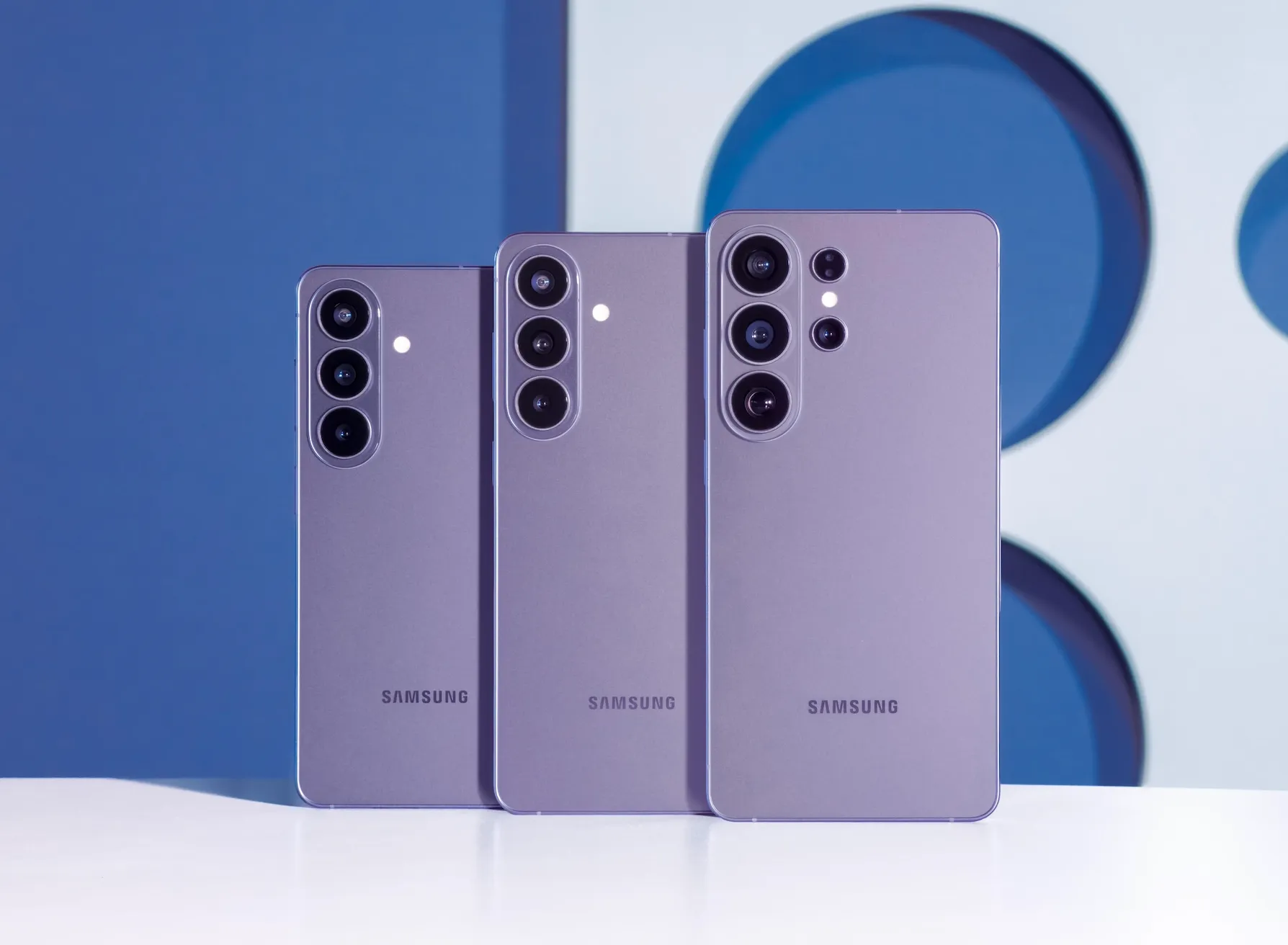
The same post is the source for the rumored S27 Pro, a tier that doesn't exist in the current S26 lineup. If it ships, it would slot between the Plus and the Ultra at $1,299, the exact launch price of the Galaxy S26 Ultra earlier this year. Ultra-tier money would still buy a Galaxy phone next year. It just might not buy the Ultra itself.
Four rumored prices, four different comparisons
Whether the S27 looks cheaper, flat, or pricier than the S26 depends entirely on which number serves as the baseline: what the S26 cost at launch, or its higher list price after Samsung's mid-cycle hikes. Here's how the rumored lineup stacks up against both.
Galaxy S27: Rumored at $899, compared with the S26's $899 launch price and $999 post-increase price.
Galaxy S27 Plus: Rumored at $1,099, compared with the S26 Plus's $1,099 launch price and $1,199 post-increase price.
Galaxy S27 Pro: Rumored at $1,299, with no direct predecessor in the S26 lineup.
Galaxy S27 Ultra: Rumored at $1,399 or $1,499, compared with the S26 Ultra's $1,299 launch price and $1,399 post-increase price.
These figures compare reported US starting prices, not retailer discounts or every storage configuration. The S27 numbers come from the October 7 leak, as covered by Android Authority.
Against launch prices, the base and Plus look flat, while the Ultra could rise by $100 or $200. Against Samsung's higher S26 list prices, the base and Plus would be $100 cheaper, and the Ultra would be unchanged or $100 more.
There's no single answer to "is the S27 pricier." It depends on the comparison point, and even the people leaking this information don't agree with each other.
A separate Korea-focused report attributed to tipster Lanzuk suggested broader price increases across the lineup. The Ultra estimates have also varied between reports. That uncertainty is reason enough to treat every figure here as a moving target.
What's consistent across the reporting is the possibility of a four-tier lineup where three tiers currently exist, and that alone changes the math more than any individual sticker price.
Why a mid-cycle price hike is plausible at all
Skepticism about leaked prices is reasonable. Skepticism about Samsung raising prices after launch is not, because it already happened this year.
Samsung increased Galaxy S26 pricing in October, roughly seven months after the phones went on sale, something SamMobile described as unusual since the company typically makes pricing changes at launch rather than mid-cycle.
The increases came amid pressure from the memory-chip market. PhoneArena cites a JPMorgan estimate that DRAM prices could rise more than 400% between the start of 2024 and the end of 2026, a figure worth treating as a forecast quoted secondhand rather than an independently verified outcome.
Samsung isn't alone in responding to rising component costs. Google launched the Pixel 11 at $899, $100 above the Pixel 10's starting price, while Apple also increased iPhone 18 Pro pricing.
None of this confirms which leaked S27 number is accurate. What it shows is the mechanism: if memory costs remain elevated into 2027, Samsung has already demonstrated a willingness to adjust Galaxy S pricing after launch rather than hold it unchanged throughout the product's life.
That cuts both ways for buyers. A $899 S27 launch price wouldn't guarantee an $899 list price months later, any more than the S26's $899 launch price guaranteed its later $999 price.
What the Pro tier actually promises, and what's still unproven
The rumored S27 Pro is the clearest example of how a new tier can reshape what buyers pay for the phone they actually want, regardless of what the base model costs.
Industry reports suggest the Pro could pair some Ultra-level hardware with a smaller, lighter body built for one-handed use, essentially a more compact premium Galaxy phone. That's an expectation, not a confirmed spec sheet, and Samsung hasn't detailed what the Pro's camera system will actually include.
In fact, the camera rumors aren't consistent. Some reports suggest Ultra-level capabilities, while others describe a more limited telephoto system than the Ultra's.
The display split adds another wrinkle. The October 7 leak says the base and Plus models will use Samsung's M14+ OLED material, while the Pro and Ultra move to the newer M16 generation.
The Privacy Display feature, introduced on the S26 Ultra, has also been rumored for the Pro and Ultra. However, other reporting disputes whether the Pro will receive it, and separate rumors have suggested broader availability across the lineup.
The M16 material designation alone doesn't establish that a phone includes the hardware required for Privacy Display.
Nothing in current reporting confirms how noticeable the rumored M16 panel's improvements will be in daily use, or whether most buyers would notice the difference against M14+.
Put together, this is the clearest mechanism behind potentially paying more for what you actually want. Even if the headline $899 and $1,099 prices hold steady, some of the more advanced hardware may be reserved for a $1,299 tier that didn't exist in the S26 generation.
That's a segmentation strategy worth watching, not a confirmed reason to spend $400 more than the base model costs.
Is storage where the real markup hides?
The storage picture is murkier, and it's worth being precise about what each source actually claims.
Lanzuk's report is focused on South Korea: a possible base-model price increase of roughly 100,000 to 130,000 won, with the tipster also suggesting that Samsung is considering steeper increases for higher-storage variants.
Those figures are tied to the Korean market and shouldn't be read as a direct forecast of US retail pricing.
@phonefuturist's leak, by contrast, includes no confirmed storage-tier breakdown. It lists two Ultra prices without explaining what separates them, and one price for each of the other models.
The claim that S27 storage upgrades will cost disproportionately more therefore rests on limited reporting, not two corroborating sources. One report suggests storage premiums could widen; there's currently no detailed US storage-pricing leak to confirm or contradict that.
For context on what's already true, the Galaxy S26 Ultra launched at $1,299 for 256GB, $1,499 for 512GB, and $1,799 for 1TB. Those are launch prices, not the updated October list prices.
The higher-capacity models already carried substantial premiums, with a $200 increase from 256GB to 512GB and another $300 from 512GB to 1TB.
Speculation about the S27 Ultra has included a 256GB model near $1,399, a 512GB version at $1,599 or more, and a 1TB version potentially approaching or exceeding $2,000. Those are estimates, not confirmed US retail targets or a complete leaked price sheet.
The takeaway is narrower than it might first appear: storage is a configuration potentially at risk of larger increases, based on the limited reporting that addresses it directly. "Plausible based on one source" is a different claim than "confirmed."
What to actually check before Samsung announces pricing
No S27 price, storage configuration, or model lineup is official yet, and none of the leaked numbers should be treated as settled when making a purchase today.
The decision in front of current shoppers doesn't have to wait on Samsung's announcement, though.
If a phone is needed now and the base or Plus tier covers your needs, the comparison worth making is concrete: check the actual trade-in quote for your current device, the carrier's promotional terms, any remaining payoff on a financed phone, and the unlocked price of a Galaxy S26 or S25 at retail today.
Weigh that real, current number against waiting months for an unconfirmed S27 price that may or may not land where leakers currently expect.
SamMobile's assessment is that buyers worried about further hikes might reasonably pick up an S26 now, or look at a discounted S25 instead. That's a reasonable consideration, not a guarantee that today's deal beats next year's price.
If the appeal is specifically the rumored Pro's smaller Ultra-style camera system, M16 display, or privacy screen, treat those as unverified claims about a phone Samsung hasn't announced.
Wait for Samsung's own spec sheet and independent camera and display testing before assuming the Pro delivers what leakers describe.
The decision that actually matters isn't whether the S27 lineup gets pricier in some abstract sense. It's whether the specific tier and storage size you want will cost more to reach than it did with the S26, and that's only answerable once Samsung confirms real pricing.
The leaks currently describe different outcomes for the lineup. The Ultra has two unexplained prices in one report, and the clearest storage-pricing concerns come from a South Korean source that doesn't map directly to US retail prices.
Until Samsung announces Galaxy S27 pricing, potentially in early 2027, treat every number as a target that can move. Base any purchase today on the discounted price and trade-in value actually in front of you, not on a leaked figure that could change by the time Samsung confirms it.









Comments
Be the first, drop a comment!