



Galaxy S27 Ultra PWM dimming: why it's still unconfirmed
Samsung representatives confirmed the Galaxy S26 series runs a 480Hz PWM dimming rate, with no higher-frequency mode, no DC dimming option, and no reported flicker-reduction setting, Android Authority reported earlier this year. That confirmed rate is the entire backdrop for any discussion of Galaxy S27 Ultra PWM dimming, since Samsung's next flagship hasn't had its display detailed yet.
The available reporting contains no confirmed S27 Ultra display specifications. What follows covers what's actually confirmed about the Galaxy S26 Ultra's dimming behavior, why PWM frequency matters to people who notice flicker, how rival Android phones have approached the same problem, and what to check before assuming Samsung changes anything on the next model.
What Samsung confirmed about the Galaxy S26 Ultra's display
Samsung representatives confirmed to Android Authority that the Galaxy S26 series runs at 480Hz PWM, with no higher-frequency option, no DC dimming mode, and no dedicated flicker-reduction setting. That's a confirmed company statement obtained after the outlet asked directly, not a figure pulled from a teardown or independent benchmark.
The 480Hz figure puts Samsung in the same range as the iPhone 17 and Pixel 10 Pro, Android Authority's report notes, but it trails cheaper competitors. Last year's OnePlus 13R runs at 2,160Hz despite costing significantly less than the Galaxy S26, and the budget HONOR X9d clears that number too.
There's little consistency across the industry in how this spec gets disclosed, either, and whether a PWM rate or dimming method surfaces publicly currently depends on what each company decides to share. That leaves flicker-sensitive shoppers digging through third-party reporting instead of checking a published spec sheet, since the figure isn't listed among Samsung's standard marketing specs.
Why PWM frequency matters at low brightness
PWM dimming controls brightness by rapidly switching a display's LEDs on and off, while DC dimming adjusts brightness by controlling the current sent to each LED directly, according to Android Authority's explanation of the technology. DC dimming sidesteps the on-off flicker that PWM can introduce.
Flicker gets more noticeable as brightness drops, because the display's duty cycle, the percentage of time each LED actually stays lit, shrinks at lower settings. That's exactly when people dim their phones most: nighttime reading, scrolling in a dark room, watching video in bed.
Android Authority's report cites lower PWM frequencies as associated with eyestrain, headaches, and nausea among people sensitive to flicker, and frequencies above 1,000Hz as associated with fewer of those effects. That's reported context from one outlet, not a clinical benchmark, so treat any specific frequency threshold as a reference point rather than a guaranteed cutoff.
The same report includes a first-person account from a writer who lives with chronic migraines, describing how photophobia keeps most of their devices under 50% brightness most of the time. The writer argues that high-frequency PWM or DC-like dimming is essential for people managing that condition, and notes that photophobia affects the vast majority of people who get migraines, a condition the piece describes as affecting more than a billion people worldwide. That account illustrates why display flicker can be a real buying factor for some users, even though it doesn't establish a universal comfort threshold.
What Galaxy S27 Ultra high-frequency PWM dimming would need to include
Several Android phones, some priced well below the Galaxy S26 Ultra, already clear Samsung's 480Hz by a wide margin. The HONOR X9d runs at 3,840Hz, and last year's OnePlus 13R, significantly cheaper than the Galaxy S26, runs at 2,160Hz, per Android Authority.
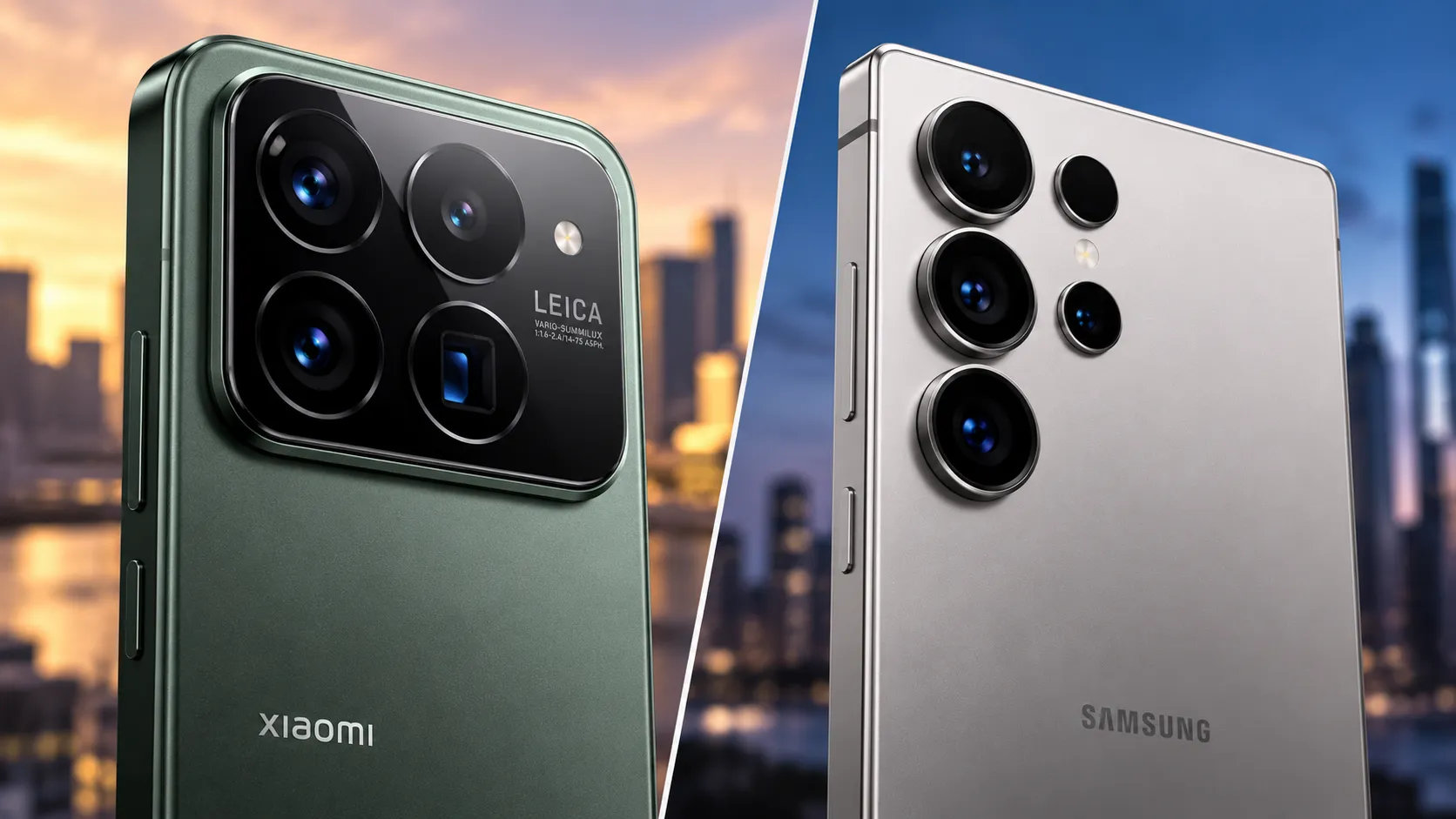
Xiaomi has taken a different approach entirely. The Xiaomi 15 uses DC dimming instead of low-frequency PWM, the Xiaomi 15 Ultra combines DC dimming with 1,920Hz PWM, and the Xiaomi 17 Ultra pairs DC dimming with third-party TÜV Rheinland Flicker Free certification, Android Authority reports.
Other brands hand the choice to the user. The Realme GT 7 Pro includes a selectable anti-flicker mode, the OnePlus 13 lets owners manually toggle DC dimming, and the Pixel 10 Pro offers a limited PWM boost from 240Hz to 480Hz, which matches what Samsung ships by default with no option to go higher. The standard Pixel 10 runs at just 240Hz, for comparison, according to the same report.
Android Authority argues Samsung could improve usability for flicker-sensitive users with a PWM frequency meaningfully above 1,000Hz, a DC-like hybrid dimming mode, or at minimum a software toggle that cuts flicker without new hardware. None of that is confirmed for the Galaxy S27 Ultra. Anyone shopping with Galaxy S27 Ultra PWM sensitivity in mind should treat it as an open question, not an expectation, until Samsung publishes a spec sheet or a leak traces back to a credible supply-chain source.
What an independent test would need to show
A single PWM number, cited without context, doesn't settle much. Any measurement worth trusting needs to specify the brightness level it was taken at, since flicker shows up most at low brightness and can read very differently near peak output, and it should note what content was on screen, since that shapes what the number actually represents.
Before trusting any comparison between phones, confirm the test matches the exact model and software conditions a buyer is actually considering. A figure measured on a review unit running pre-release software isn't the same claim as a figure from a retail unit on launch firmware.
Separately, Tom's Guide measured a 67.6% reduction in SDR light output, from 1,209 nits to 586 nits, when the Galaxy S26 Ultra's Privacy Display and Maximum Privacy Protection were both switched on, in lab testing published earlier this year. That result concerns brightness and viewing angles, not PWM, so it shouldn't be read as evidence about flicker. It's a separate trade-off worth checking if Privacy Display is a feature a buyer would actually use.
What Samsung Galaxy S27 Ultra eye comfort watchers should do next
Treat the Galaxy S27 Ultra's eye-comfort display as unknown for now. If flicker sensitivity affects a purchase decision, test the S26 Ultra at the brightness levels used day to day, dim indoor lighting, nighttime reading, extended scrolling, rather than judging it off a bright showroom demo.
Then wait. Wait for official S27 display specifications and independent low-brightness measurements before assuming Samsung added higher-frequency PWM dimming or a DC-like mode. Cheaper competitors clearing 480Hz today don't guarantee Samsung follows next year.



Comments
Be the first, drop a comment!