



![for iPhone Duo Case Techwoven Green | [Compatible with MagSafe] [Premium Tech Woven Fabric] [Drop Protection] Shockproof Skin-Friendly](https://m.media-amazon.com/images/I/81VnAYL7hsL._AC_UY218_.jpg)

![for iPhone Duo Case Clear with Full Hinge Protection | [Not Yellowing] [Military-Grade Drop Protection] Shockproof Protective Phone Bumper 2026](https://m.media-amazon.com/images/I/71BYEcFzqEL._AC_UY218_.jpg)
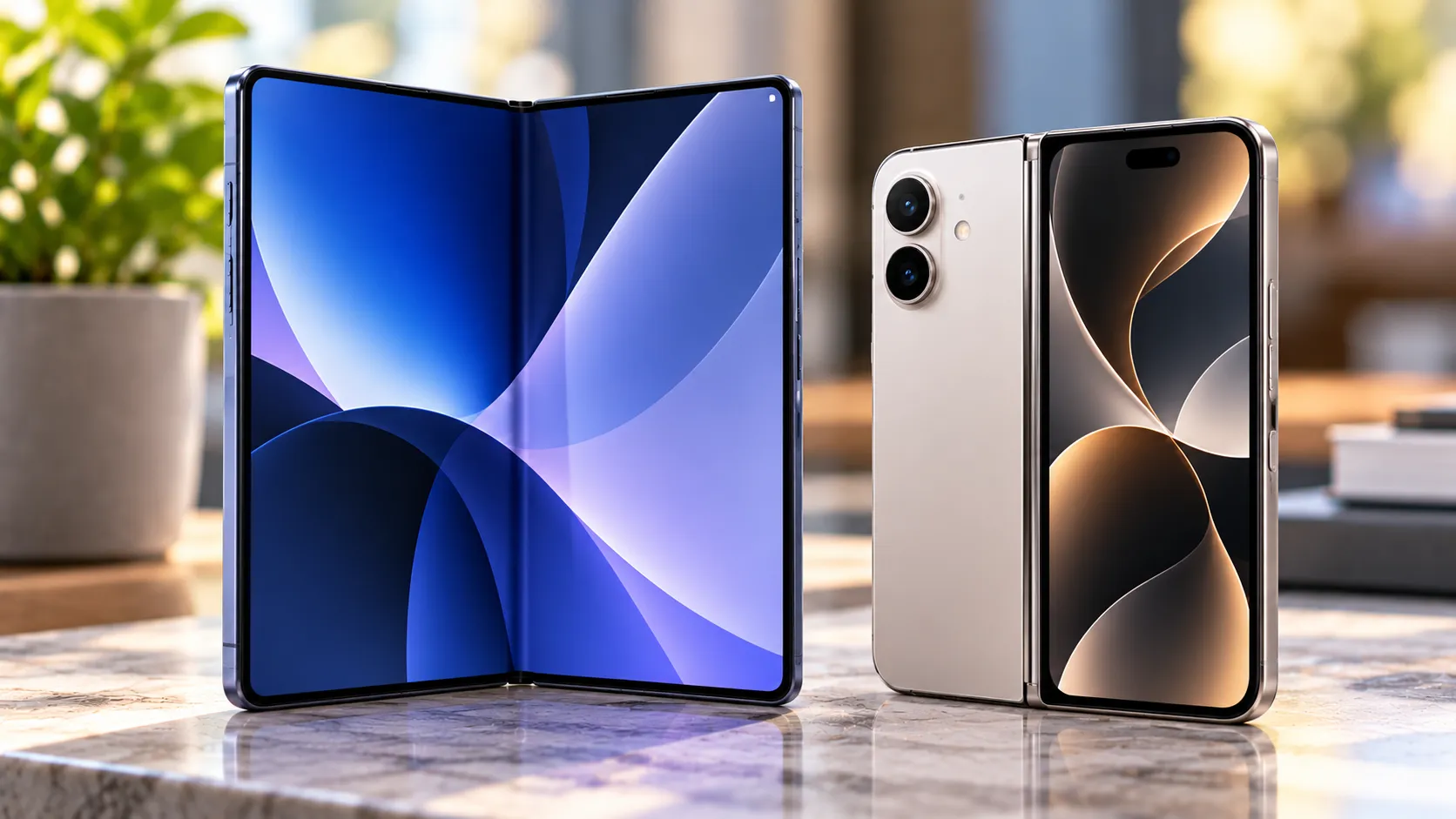
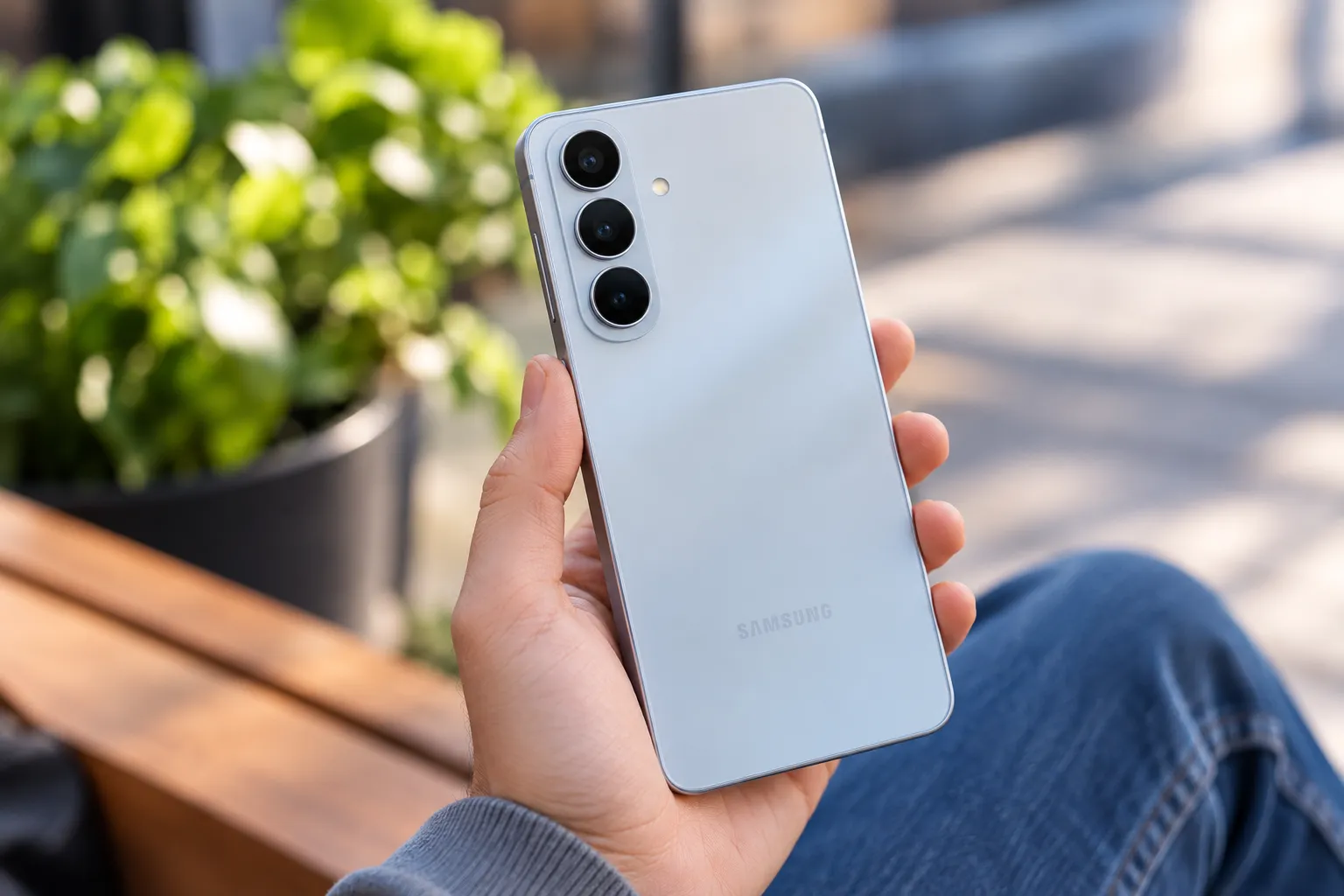
Samsung's Galaxy Z Fold 8 Ultra battery life test results are in, and they complicate the easy spec-sheet story. The phone jumped to a 5,000mAh battery using silicon-carbon technology, the biggest capacity increase in the Fold line's history, and it beat last year's model in nearly every Android Authority test scenario. It didn't improve by as much as the extra 600mAh might suggest, though.
That matters now that Apple has announced the iPhone Duo. Apple still doesn't publish the phone's battery capacity in mAh, but its official specifications provide several endurance figures: up to 24 hours of typical use, up to 44 hours of video playback on the outer display, and up to 31 hours on the inner display. Apple also lists up to 37 hours of streamed video on the outer display and 26 hours on the inner one.
Separately, a regulatory filing surfaced before launch reportedly showed a split dual-cell design totaling 4,883mAh. Other prelaunch estimates ranged from roughly 4,800mAh to 5,400mAh, according to Tom's Guide. Apple still hasn't published an official mAh figure, so 4,883mAh remains a reported specification rather than a confirmed one.
Independent testing offers the clearest lesson for anyone trying to size up the Duo before review units can be tested under comparable conditions. Tom's Guide measured only an 11-minute difference between Motorola's 6,000mAh Razr Fold and Samsung's 5,000mAh Z Fold 8 Ultra in the same cellular browsing test. That result, more than the capacity numbers alone, shows why Apple's reported 4,883mAh figure isn't enough to predict its real-world runtime.
What Apple has confirmed about the iPhone Duo's battery, and what's still a leak
Apple has confirmed considerably more than one battery-life number.
Its technical specifications list:
Up to 24 hours of typical use
Up to 44 hours of video playback using the outer display
Up to 31 hours using the inner display
Up to 37 hours of streamed video using the outer display
Up to 26 hours of streamed video using the inner display
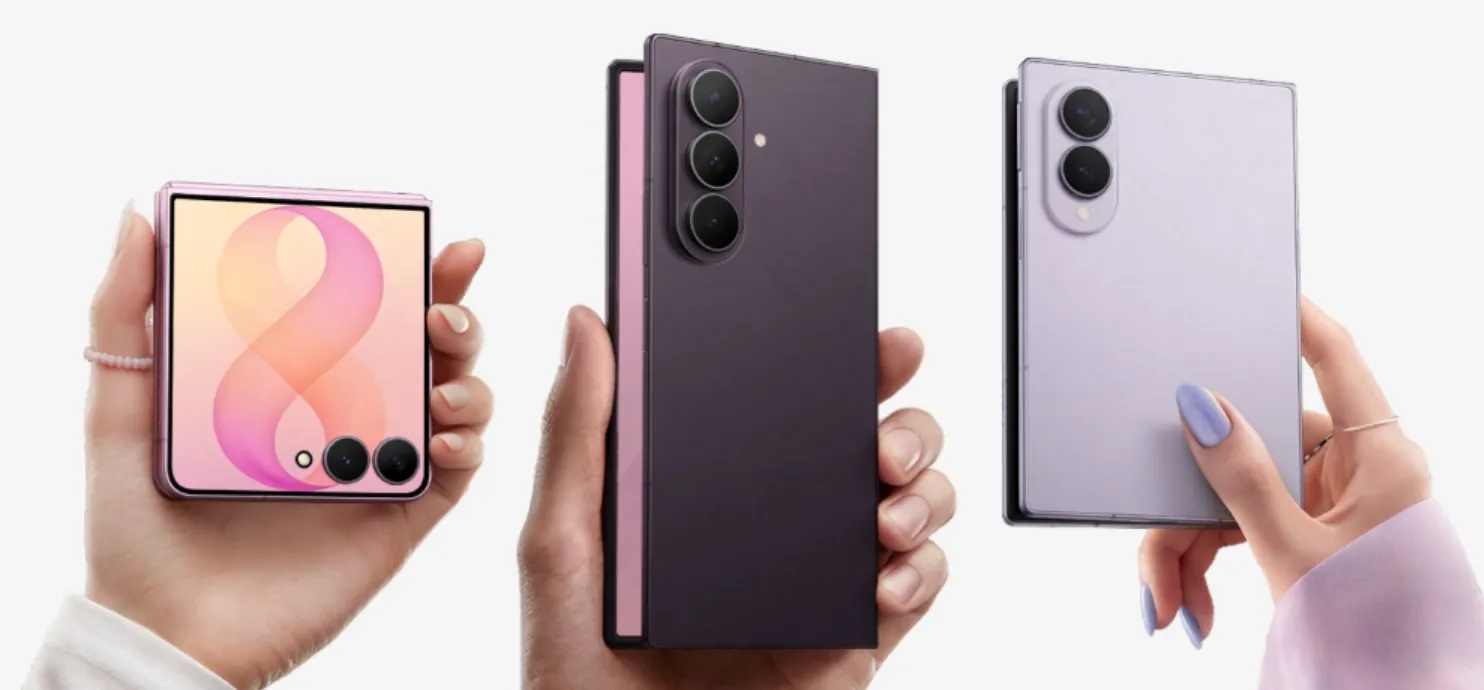
Apple also confirms that the Duo uses two built-in rechargeable lithium-ion batteries, one on each side of the folding chassis.
What Apple still doesn't disclose is their rated capacity in mAh.
The 4,883mAh figure comes from regulatory filings reported before Apple's announcement. Those filings reportedly showed two cells rated at 1,921mAh and 2,962mAh. Earlier reporting used the name "iPhone Ultra" because Apple's final iPhone Duo branding had not yet been announced, but the battery leak referred to the same foldable device.
Apple's official lithium-ion description also doesn't completely settle the chemistry question.
Silicon-carbon batteries are themselves a form of lithium-ion battery, with silicon-carbon material used in the anode instead of relying solely on conventional graphite. Apple's specifications don't identify the anode composition, so earlier reports that the Duo uses a conventional non-silicon-carbon cell remain unconfirmed rather than disproven.
Apple does disclose how it produced its video-playback figures. Testing was conducted in July 2026 using preproduction iPhone Duo hardware and software on LTE and 5G networks. Apple repeatedly played HDR movies with settings largely left at their defaults, while Bluetooth headphones and Wi-Fi were connected and Auto-Brightness and True Tone were disabled.
That makes the 44-hour figure more transparent than the draft originally suggested, but it still isn't directly comparable with Tom's Guide's cellular web-browsing test or Android Authority's mixed battery benchmarks.
Galaxy Z Fold 8 Ultra battery test results: why 1,000mAh made only an 11-minute difference
Samsung's path to a 5,000mAh battery used silicon-carbon technology to increase capacity from the Z Fold 7's 4,400mAh pack while the phone became slightly thinner, measuring 4.1mm unfolded.
Android Authority's testing found the new battery beats last year's Fold 7 in nearly every scenario but doesn't "blow past" it. The outlet points to other hardware demands, including the camera system and processor behavior, as factors that can offset some of the gains from increased battery capacity.
That doesn't mean the larger battery isn't helping. It means the battery is only one variable.
The sharpest illustration comes from Tom's Guide, which runs the same standardized battery test across its phones: continuous web browsing over cellular with the display set to 150 nits until the battery dies.
The 6,000mAh Motorola Razr Fold lasted 14 hours and 44 minutes.
The 5,000mAh Galaxy Z Fold 8 Ultra lasted 14 hours and 33 minutes.
That's an 11-minute difference despite Motorola having an additional 1,000mAh of rated capacity.
The result matters because the methodology is controlled across both devices, but it only describes that particular workload. It doesn't show that an extra 1,000mAh is irrelevant during gaming, camera recording, inner-display use, or other demanding tasks.
Switch workloads and the picture changes again.
Engadget's local video rundown test, run on the cover display, gave the Z Fold 8 Ultra 32 hours and 11 minutes. The Z Fold 7 managed 26 hours and 22 minutes, while the standard Z Fold 8 reached 28 hours and 14 minutes.
That's a much clearer generational improvement for the Ultra, but the test measures continuous local video playback on the outer screen rather than cellular web browsing. It shouldn't be treated as interchangeable with Tom's Guide's result.
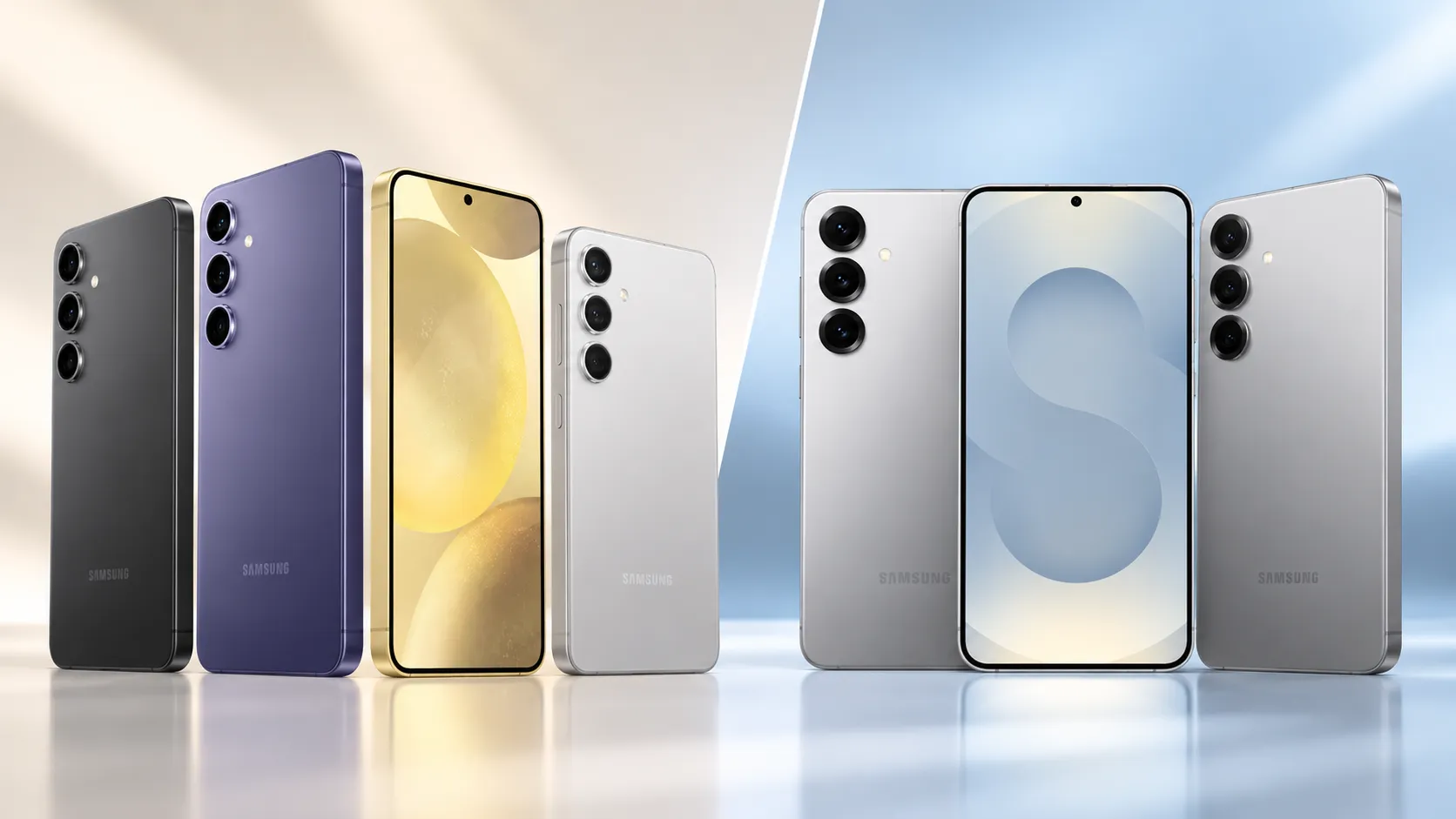
The standard Z Fold 8 adds another useful comparison. It uses a smaller 4,800mAh silicon-carbon battery but performs competitively with the Ultra in parts of Android Authority's testing, which the outlet attributes partly to differences in display size and hardware.
Google's Pixel 11 Pro Fold makes the same point from another direction. Its 4,806mAh capacity is almost identical to the standard Fold 8's, yet Tom's Guide measured only 12 hours and 31 minutes in its cellular browsing test.
Two nearly identical battery capacities can therefore produce substantially different endurance once display efficiency, chipset behavior, thermal management, software tuning, and other hardware enter the equation.
What this means for buyers weighing the iPhone Duo against today's foldables
Put the reported 4,883mAh capacity in context and the iPhone Duo doesn't look especially small by foldable standards.
If accurate, it would exceed the standard Z Fold 8's 4,800mAh battery and the Pixel 11 Pro Fold's 4,806mAh pack. It would still sit below the Z Fold 8 Ultra's 5,000mAh battery, Motorola Razr Fold's 6,000mAh pack, and several other high-capacity Android foldables.
That puts Apple's reported capacity somewhere around the middle of the field rather than automatically at a disadvantage.
Before the Duo was announced, Tom's Guide projected that Apple's then-rumored 2nm A20 Pro chip could help the phone reach roughly 12.5 to 13 hours in its cellular browsing test.
Part of that premise is now confirmed. Apple officially uses the A20 Pro in the iPhone Duo and says the chip is manufactured using a 2-nanometer process. Apple also describes the GPU as more power efficient and pairs the chip with its own C2 modem.
The 12.5-to-13-hour result remains speculation, though. It's a prelaunch projection, not a battery-test result.
Apple's 44-hour outer-display video figure can't confirm or refute that prediction because it measures a fundamentally different workload. Apple's test repeatedly plays HDR video, while Tom's Guide continuously loads webpages over a cellular connection at controlled screen brightness.
The chemistry comparison also needs to stay narrow.
Samsung's European regulatory data rates the silicon-carbon batteries in the Z Fold 8 family at about 1,200 charge cycles before they fall to 80% of their original capacity. The graphite-based Z Fold 7 was rated for 2,000 cycles, according to reporting based on EPREL filings.
Apple confirms that the Duo contains dual rechargeable lithium-ion batteries, but it doesn't publish enough detail to establish whether those cells use silicon-carbon anodes or conventional graphite. An official charge-cycle durability figure for the Duo also hasn't surfaced in Apple's specifications.
There isn't enough evidence yet to turn battery chemistry into a durability advantage for either phone.
What to check before judging either phone
The Razr Fold and Z Fold 8 Ultra result is the clearest warning against ranking foldables by battery capacity alone. A 1,000mAh difference became an 11-minute gap in the same controlled cellular browsing test.
That doesn't prove capacity doesn't matter. It shows how strongly the rest of the phone influences the result.
Judging Galaxy Z Fold 8 Ultra vs iPhone Duo battery life still requires matched independent testing. Apple's published figures give buyers more information than before, including separate inner- and outer-display endurance, typical-use runtime, streamed-video results, and disclosed testing conditions. None of those tests matches the workloads used by Tom's Guide or Android Authority.
The reported 4,883mAh capacity should also remain separate from Apple's official claims until Apple, a regulatory database with directly verifiable documentation, or a teardown confirms it.
Before buying based on battery life, look for independent tests covering cellular browsing, inner-display use, outer-display use, camera recording, gaming, charging speed, and mixed daily use under repeatable conditions.
For now, the Galaxy Z Fold 8 Ultra has independently measured endurance to go with its confirmed 5,000mAh battery. The iPhone Duo has multiple official battery-life claims and a confirmed dual-battery design, but its actual capacity and comparative real-world endurance remain unresolved.


Comments
Be the first, drop a comment!