




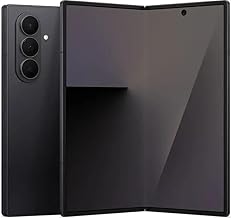

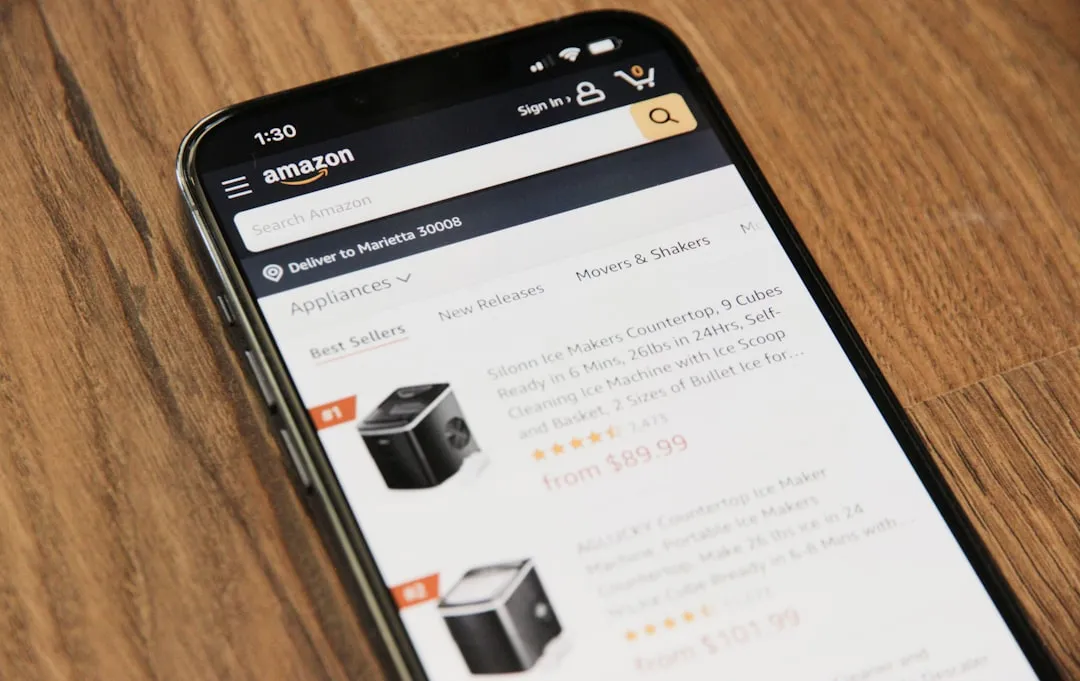
The Galaxy Z Fold7's preorder window closed July 24, 2025, the day before the phone launched. For buyers without a device to trade in, the Amazon Galaxy Z Fold7 preorder deal stood apart from the competition not because it carried the highest nominal credit value.
Unlike Samsung's credit, it did not have to be spent during the phone checkout, though it remained limited to eligible purchases through Amazon. The preorder window has passed, but the comparison between how retailers structured their no-trade-in incentives is worth examining clearly.
Samsung has since updated its offers and advertises $500 off without a trade-in. What follows covers the preorder window specifically, when the deal structures were sharpest, and the differences between retailers carried real consequences.
Amazon Galaxy Z Fold7 preorder deal vs. Samsung and Best Buy
The baseline across most retailers was identical: the 512GB Z Fold7 priced the same as the base 256GB model at $1,999.99. That free storage upgrade was meaningful given that Samsung's storage tiers carry real cost. Samsung, Best Buy, T-Mobile, and Amazon all extended this offer. AT&T and Verizon did not, selling only the 256GB model at the standard price, The Verge reported.
What differentiated the retailers was everything stacked on top of that baseline.
Amazon offered the 512GB model at the base price plus a $300 gift card. The gift card could be applied later to a broad range of eligible Amazon purchases. It didn't expire at a checkout page and wasn't limited to a specific storefront or accessory category, The Verge reported.
Samsung offered non-trade-in preorder buyers a $300 store credit plus a separate $50 accessory credit, totaling $350 in Samsung store credit. The terms were more constrained: the full amount was forfeited if not applied at checkout, and it was redeemable exclusively on Samsung's own storefront, not at any carrier, Best Buy, Amazon, or other retailer, The Verge noted.
Best Buy offered the 512GB model for $1,899.99 when activating through Best Buy — a flat $100 off. No credits to manage, but the discount was conditional on activating through Best Buy's platform.
The mechanics, stripped bare: Amazon delivered $300 in portable spending power that buyers could use later across Amazon's broad catalog of eligible products. Samsung's $350 was nominally higher but locked inside a single ecosystem, with a forfeit clause that penalized anyone who didn't commit to accessories at the same checkout. Best Buy's $100 discount was the smallest figure in the group, but also the most transactionally straightforward: a lower sticker price.
Where carrier offers fit, and why most no-trade-in buyers could ignore them
Carrier numbers dominated the preorder coverage. Most of them didn't apply to buyers without a qualifying trade-in or an existing qualifying plan.
AT&T offered up to $1,100 in trade-in credit toward the Z Fold7, paid as monthly bill adjustments over 36 months rather than as a discount at purchase, for customers on postpaid unlimited plans who purchased with an installment plan, The Verge reported. Verizon matched the $1,100 figure with similar monthly credit terms, but required enrollment in its Unlimited Ultimate plan to access the full amount and didn't list specific eligible trade-in phones, per The Verge. Neither carrier extended the free storage upgrade. Without a qualifying trade-in, both dropped out of the comparison.
T-Mobile was different. The carrier advertised up to $1,100 in monthly bill credits with no trade-in required but for customers using AutoPay on a qualifying plan costing at least $85 per month. For a buyer already subscribed to a qualifying plan, that's a substantive number. For anyone else, accessing those savings meant first committing to T-Mobile and a specific plan tier, then waiting for the credits to arrive across three years of monthly statements.
That delivery mechanism is worth naming plainly. The carrier savings are real. They're also denominated in future bill reductions, not immediate purchasing power. Three years is a long time for $1,100 to arrive in monthly increments, and it requires staying on the same carrier and plan tier throughout. Buyers who wanted an unlocked device or who valued upfront flexibility had concrete reasons to look at retailer offers instead.
What reviewers flagged about the phone
Deal comparisons only matter against a phone worth buying at $1,999.99. The Z Fold7's reception was broadly positive, with a few limitations worth flagging before spending two thousand dollars.
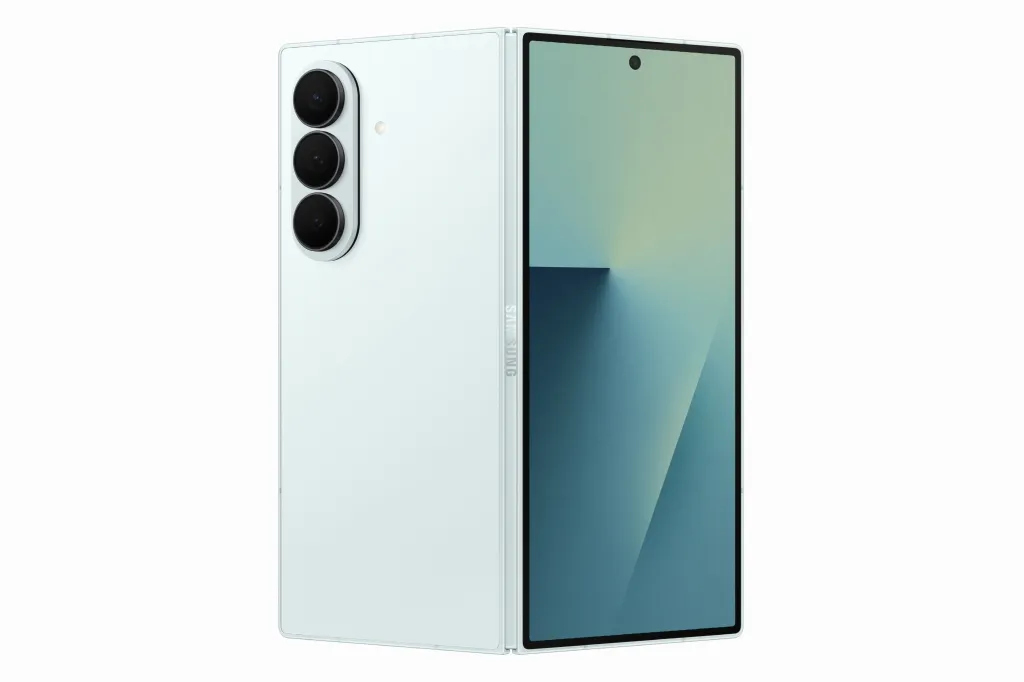
At 8.9mm folded, the Z Fold7 arrived as Samsung's thinnest book-style foldable to date, with the cover screen growing from 6.3 to 6.5 inches and an 8-inch main display, The Verge noted. The 200-megapixel main camera is adapted from the Galaxy S25 Ultra's sensor, a capable piece of hardware by any measure. CNET's review called the phone "slim, powerful, and surprisingly practical" while noting that "the compromises are minimal, but that $2,000 price tag certainly isn't."
Two caveats matter at this price. The IP48 rating means the Z Fold7 is rated for water resistance under specified laboratory conditions. And in The Verge's direct-sun stress test on a high-80s afternoon, the device began closing apps after roughly 10 minutes to manage thermals. Neither is a dealbreaker, but neither is invisible at this price.
The performance profile matters for the deal comparison in one specific way: this is a phone that reviewers found genuinely improved over the previous generation, particularly in form factor, which makes the preorder discount question a real one rather than a hypothetical around a flawed product.
How the preorder offers broke down by buyer type
Each retailer's offer was structured around different eligibility conditions and different definitions of what "value" meant.
Amazon's bundle suited buyers who wanted the 512GB model and didn't want any strings attached to how they spent the accompanying incentive. The $300 gift card had no checkout deadline, and could be spent later on a broad range of eligible Amazon products, rather than only on accessories selected during checkout. The trade-off was that $300 is $50 less than Samsung's headline credit figure, for buyers who planned to spend in Samsung's ecosystem regardless.
Samsung's offer was designed for buyers who were going to purchase Samsung accessories at checkout anyway. The $300 store credit plus $50 accessory credit totaling $350 was the highest nominal figure among the no-trade-in options, but the forfeit clause meant buyers who weren't ready to commit to accessories on the spot effectively lost the difference. There was no deferring the decision.
Best Buy's activation-based $100 discount carried the least total credit value of the three but imposed the fewest conditions. A straightforward price reduction for buyers intending to activate through Best Buy's platform: no credits to track, no ecosystem to stay inside, and a lower number on the receipt.
T-Mobile's offer applied to a narrow slice of buyers: those already on autopay at $85 or more per month. For that group, $1,100 in bill credits across 36 months represented the largest total savings of any retailer in the comparison, carrier or otherwise, even accounting for the slow delivery. For everyone else, the plan commitment required to access those savings was the actual cost of the deal.
Samsung has since moved its post-launch pricing, per its product page, advertising $500 off without a trade-in. That narrows the gap with what Amazon offered at launch considerably. A buyer who waited for post-launch pricing and bought directly from Samsung would have come out ahead on raw savings compared to Amazon's preorder gift card.
The preorder window's value, then, was primarily for buyers who wanted the phone on day one and wanted their incentive in the most portable form possible. Amazon delivered that. Samsung delivered more nominal credit with less flexibility.
Best Buy delivered less of both with the fewest conditions. Which of those trade-offs mattered depended entirely on the individual buyer's situation, and that's the honest answer the preorder comparison produces.


Comments
Be the first, drop a comment!