





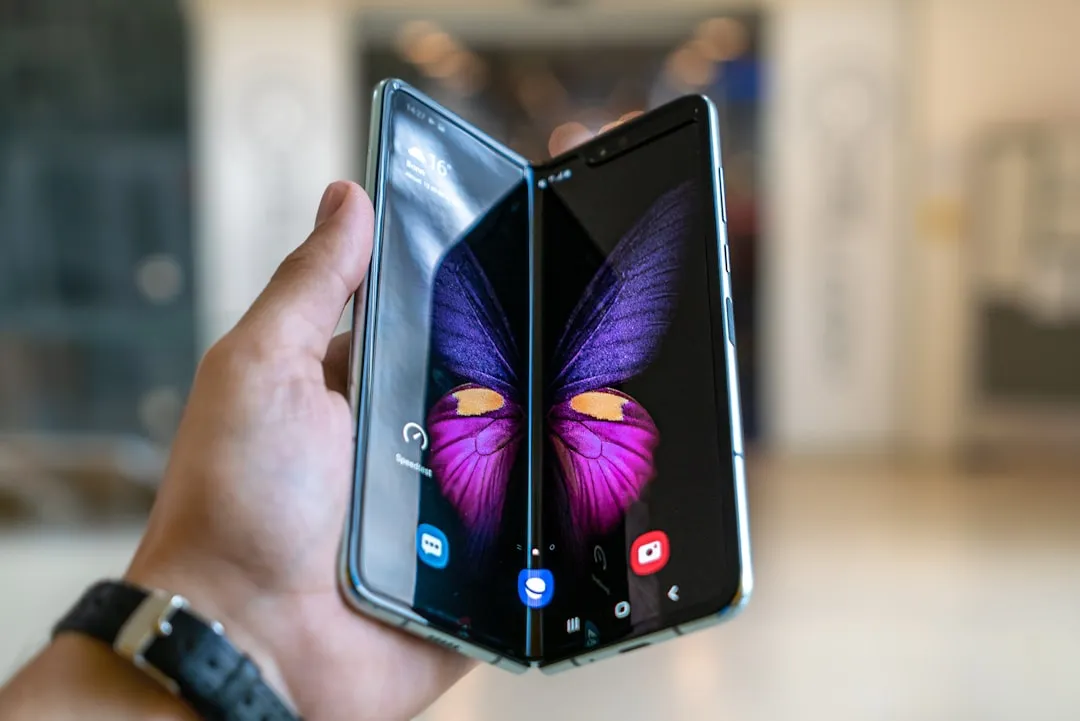
Should You Buy the Samsung Galaxy Z Fold 8? Pros & Cons
Should you buy the Samsung Galaxy Z Fold 8? The honest answer depends on what you actually want from a foldable, because Samsung's most eye-catching phone in years is also its most opinionated. It's the first globally available phone to ship with a passport-shaped, ultra-wide design, and several reviewers who've spent real time with it sound won over. Being won over isn't the same as being sold, and at $1,899 the phone asks a lot of buyers before it gives much back.
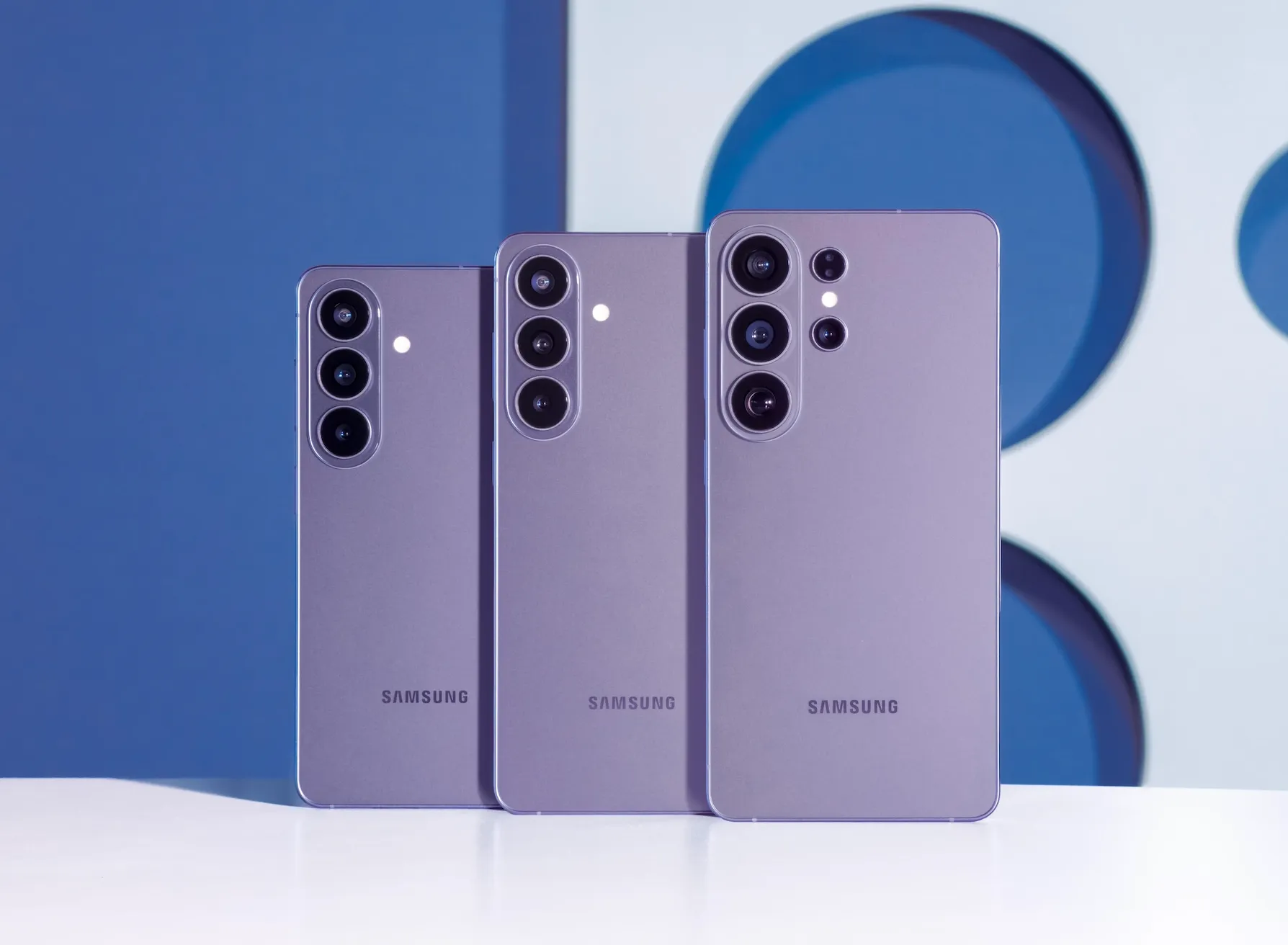
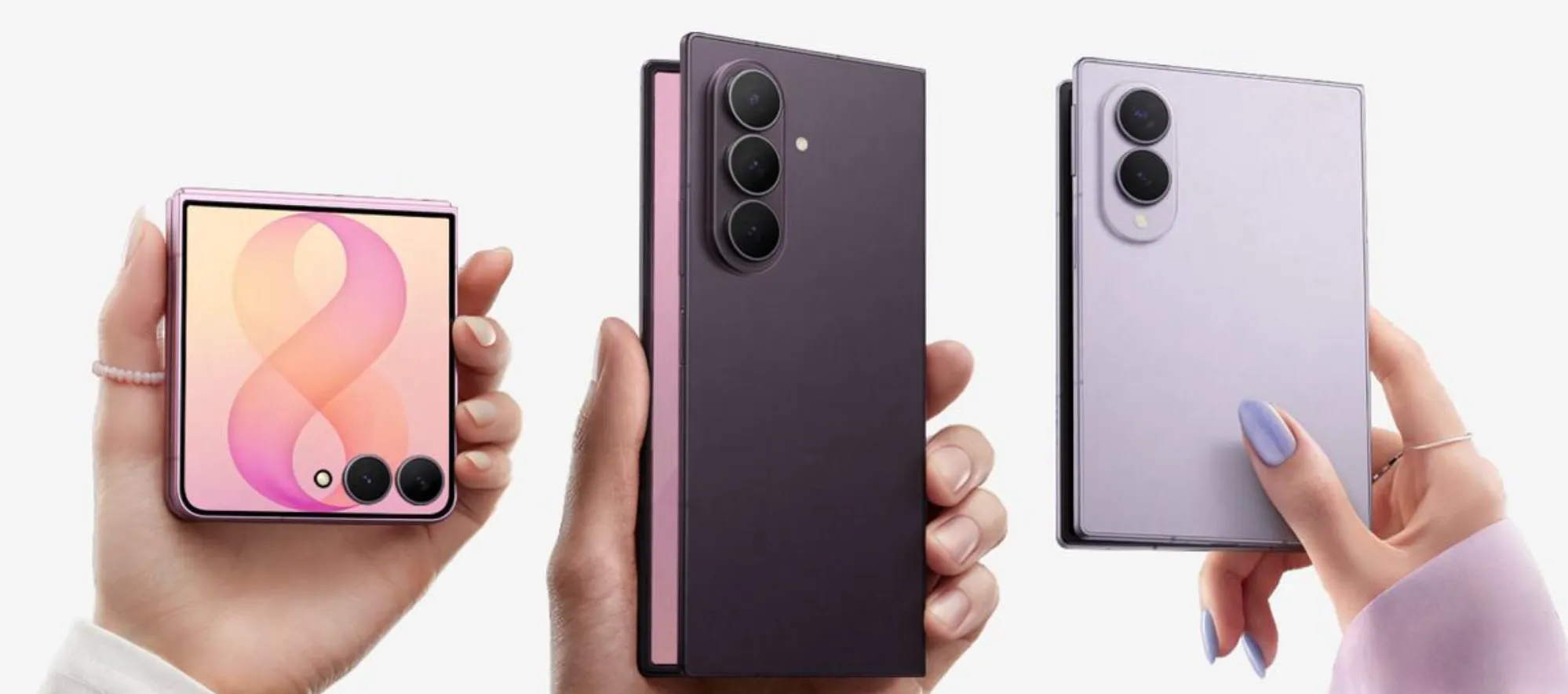
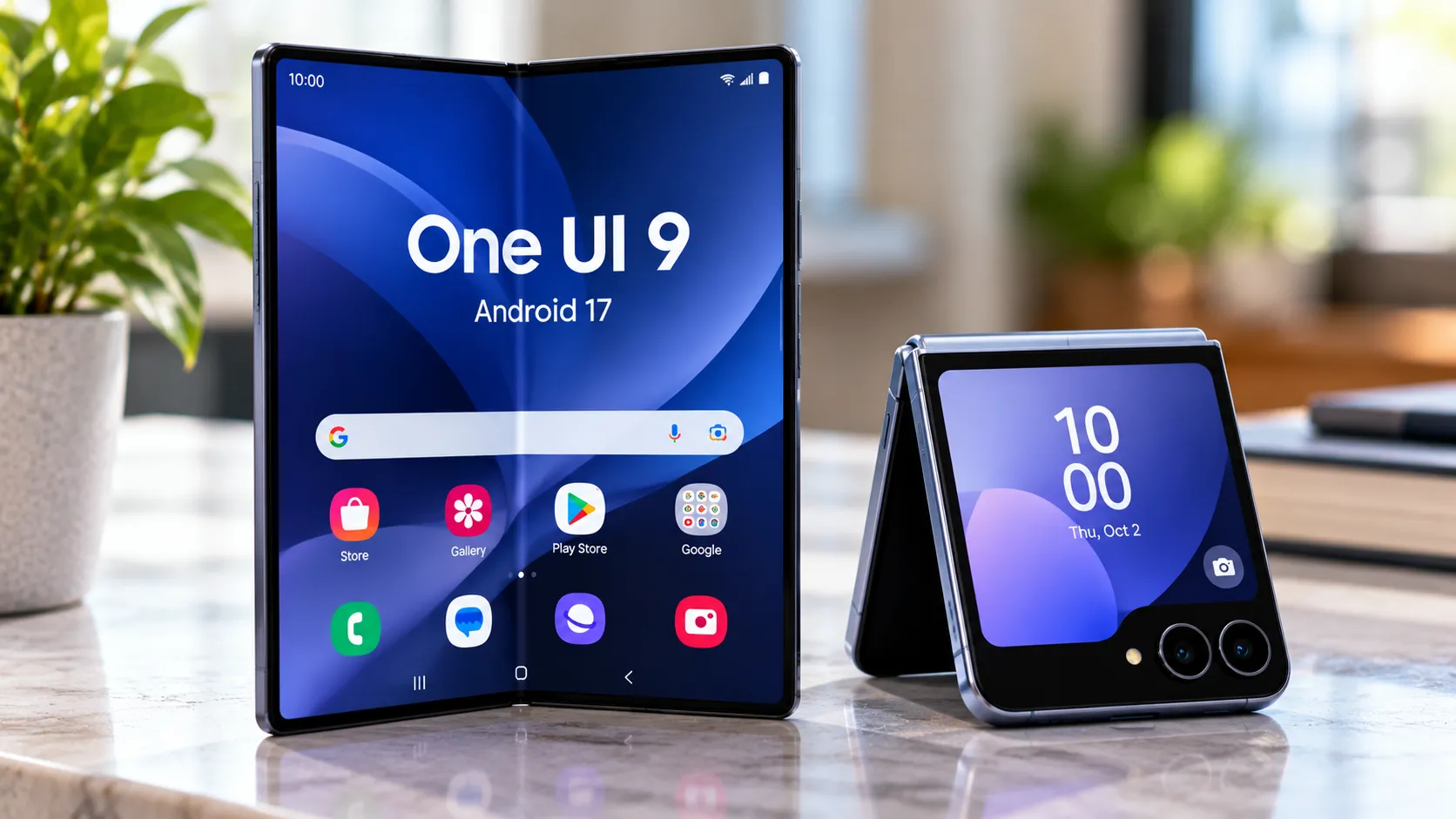
Samsung's 2026 foldable lineup now spans three phones: the Flip 8, the redesigned Fold 8, and the camera-focused Fold 8 Ultra, with the Fold 8 positioned in the middle of that range (Tech Advisor, this week). It goes on sale widely today, August 7 (9to5Google, last week), priced at $1,899 for 12GB of RAM and 256GB of storage (Tech Advisor, this week; Android Central, this week).
9to5Google calls it "the foldable for everyone else," and The Verge says using it "feels like the future" (9to5Google, last week; The Verge, last week). Both outlets praised the shape, but the same reviews also flag real cost and camera compromises underneath it. Samsung has separated the new form factor from flagship camera capability in this lineup, and knowing which one you're paying for determines whether the Fold 8 is a smart purchase or a trade you'll regret.
The passport shape is a genuine innovation, not just a gimmick
The shape does real work, not just visual novelty. Samsung's outer screen measures 5.5 inches at a 16:10 ratio, roughly the dimensions of an actual passport, while the inner display grows to 7.6 inches at a 4:3 ratio, similar to the iPad's display (The Verge, last week). Unfolded, it reads more like a small tablet than a stretched phone: 9to5Google describes it as effectively carrying an even smaller iPad Mini in your pocket (9to5Google, last week).
That width changes how the phone behaves before you even open it. The cover screen is short and wide rather than tall and narrow, a proportion 9to5Google jokes is "short, fat, and proud of it," and The Verge notes it's close in size to an old BlackBerry (9to5Google, last week; The Verge, last week). That makes the cover screen good for scanning a wide block of text or a photo, but less natural for one-handed typing than the Ultra's taller, narrower cover screen, which sticks with Samsung's traditional foldable proportions (Tech Advisor, this week). Open the phone up, and the wider 4:3 inner screen unlocks three-app split screen, handy if you're juggling a messaging app, a browser, and a document at once (Tech Advisor, this week). The shape has a real cost, too: 9to5Google found the wider layout still only supports a four-icon-wide app grid across both displays, a genuine limitation for anyone who likes a packed home screen (9to5Google, last week).
At 201 grams and 9.7mm folded, it's the lightest Z Fold Samsung has built, though 9to5Google notes it's still thicker closed than the Ultra (The Verge, last week; 9to5Google, last week). Under the hood it shares the Snapdragon 8 Elite Gen 5 chip with the pricier Fold 8 Ultra (Android Central, this week), and it runs on one of Samsung's first silicon-carbon batteries, a jump to 4,800mAh from the Fold 7's 4,400mAh (9to5Google, last week). Wired charging tops out at 45W, and Tech Advisor's testing got a dead phone to over 70% in 30 minutes (Tech Advisor, this week). Samsung promises seven years of Android and security updates (Tech Advisor, this week).
None of this is marketing dressing. It's a phone built for someone who wants a pocketable tablet first and a phone second.
What Samsung cut to get there
Samsung has been upfront about one trade-off: it dropped S Pen support because the hardware required would have made the phone noticeably thicker (9to5Google, last week). Expert Reviews calls the missing stylus the only thing that actively disappointed them about the new inner display (Expert Reviews, last week).
The camera cuts are harder to shrug off. The main sensor is smaller, lower-resolution, and has a narrower aperture than the one on last year's Fold 7, and the telephoto lens is gone entirely, leaving just a main and ultrawide camera (The Verge, last week; 9to5Google, last week).
Charging specs carry one unresolved wrinkle worth flagging. Tech Advisor and The Verge both list 20W wireless charging as new on the Fold 8, but Expert Reviews' test unit had none at all (Tech Advisor, this week; The Verge, last week; Expert Reviews, last week). Worth knowing before you buy, but a single-unit discrepancy shouldn't be treated as a settled feature or its absence.
What is confirmed is a steep zoom downgrade and thinner ingress protection. The Fold 8 tops out at 10x zoom versus the Ultra's 100x, and it carries an IP48 rating rather than the IP68 protection Expert Reviews flags as a real concern at this price point (Expert Reviews, last week). Durability elsewhere hasn't gone backward so much as stayed still: the inner display keeps last year's plastic top layer, and 9to5Google found no improvement to dust resistance or cover-material strength compared with the Fold 7 (9to5Google, last week).
Stack these together and someone drawn purely to the shape is also signing up for a camera downgrade and ingress protection that hasn't caught up to the redesign. That's a fair trade for a buyer who cares only about form. It's a much harder sell for anyone comparing phones on camera quality or ruggedness.
Galaxy Z Fold 8 vs Z Fold 8 Ultra: what the extra $200 buys
The Fold 8 starts at $1,899; the Fold 8 Ultra starts at roughly $2,100, a premium of about $200 (Android Central, this week). That money buys back camera hardware: the telephoto lens returns with a 100x zoom range, alongside Android Central's cited 200-megapixel main sensor and 3x telephoto camera (Android Central, this week; Expert Reviews, last week). It also buys a larger 5,000mAh battery, up from the Fold 8's 4,800mAh (Expert Reviews, last week).
What it doesn't buy back is the shape. The Ultra keeps Samsung's familiar tall, narrow foldable body rather than the Fold 8's wider passport form (Tech Advisor, this week). Paying more doesn't buy those particular design advantages: the 4:3 tablet-style inner screen, the three-app split view, and the lighter 201-gram build all stay exclusive to the standard Fold 8.
It doesn't fix ingress protection either. Expert Reviews reports that the lack of IP68 protection applies across Samsung's entire 2026 foldable lineup, not just the standard model, which suggests the Ultra shares the limitation rather than solving it (Expert Reviews, last week). Battery life doesn't split cleanly along price lines, either: in Expert Reviews' looping-video test on the cover screen, the Fold 8 ran for 32 hours and 10 minutes, slightly outlasting the Ultra's result in the same test (Expert Reviews, last week). Stepping down to the standard model isn't a blanket sacrifice in stamina.
Pay the roughly $200 more if camera versatility matters to your buying decision. Don't pay it chasing the shape, because that's exactly what the Ultra doesn't offer.
Galaxy Z Fold 8 alternatives worth a look
If camera quality matters more than shape, look outside Samsung's Fold line entirely. Expert Reviews calls the Honor Magic V6 the best foldable around, citing a 39-hour result in the same cover-screen battery test where the Fold 8 managed 32 hours and 10 minutes, and points to the Magic V6's camera advantage as the reason the Fold 8 can't fully compete (Expert Reviews, last week).
If a large inner display was never the goal, the Galaxy Z Flip 8 costs $1,200, roughly $700 less than the Fold 8, with the same seven years of software support and a powerful chipset (Android Central, this week). It's not a substitute for a book-style foldable. It's a different phone built for a different job.
Even The Verge, which liked the Fold 8 more than most, couldn't fully endorse its price: "If I was buying one of Samsung's new foldables, it would be this one. But while this feels like the future of foldables, it still needs to get substantially cheaper to become the future of phones" (The Verge, last week). That's a clear indication the price remains difficult to justify.
Is the Galaxy Z Fold 8 worth buying?
It comes down to which buyer you are.
- Buy the Fold 8 if the passport shape and light weight are the deciding factors, and you're comfortable trading away telephoto zoom and IP68-rated durability for it (Expert Reviews, last week).
- Pay roughly $200 more for the Fold 8 Ultra if camera versatility matters enough to justify it (Android Central, this week).
- Look at the Honor Magic V6 if brand loyalty to Samsung isn't a requirement and battery life or camera performance top your list (Expert Reviews, last week).
Tech Advisor reports that Apple is rumored to adopt a similar wide-format design, with Xiaomi and Honor potentially following (Tech Advisor, this week). If that happens, the Fold 8 will likely be remembered less as the smartest $1,899 purchase of the year and more as the phone that proved the shape could work at all.

Comments
Be the first, drop a comment!