





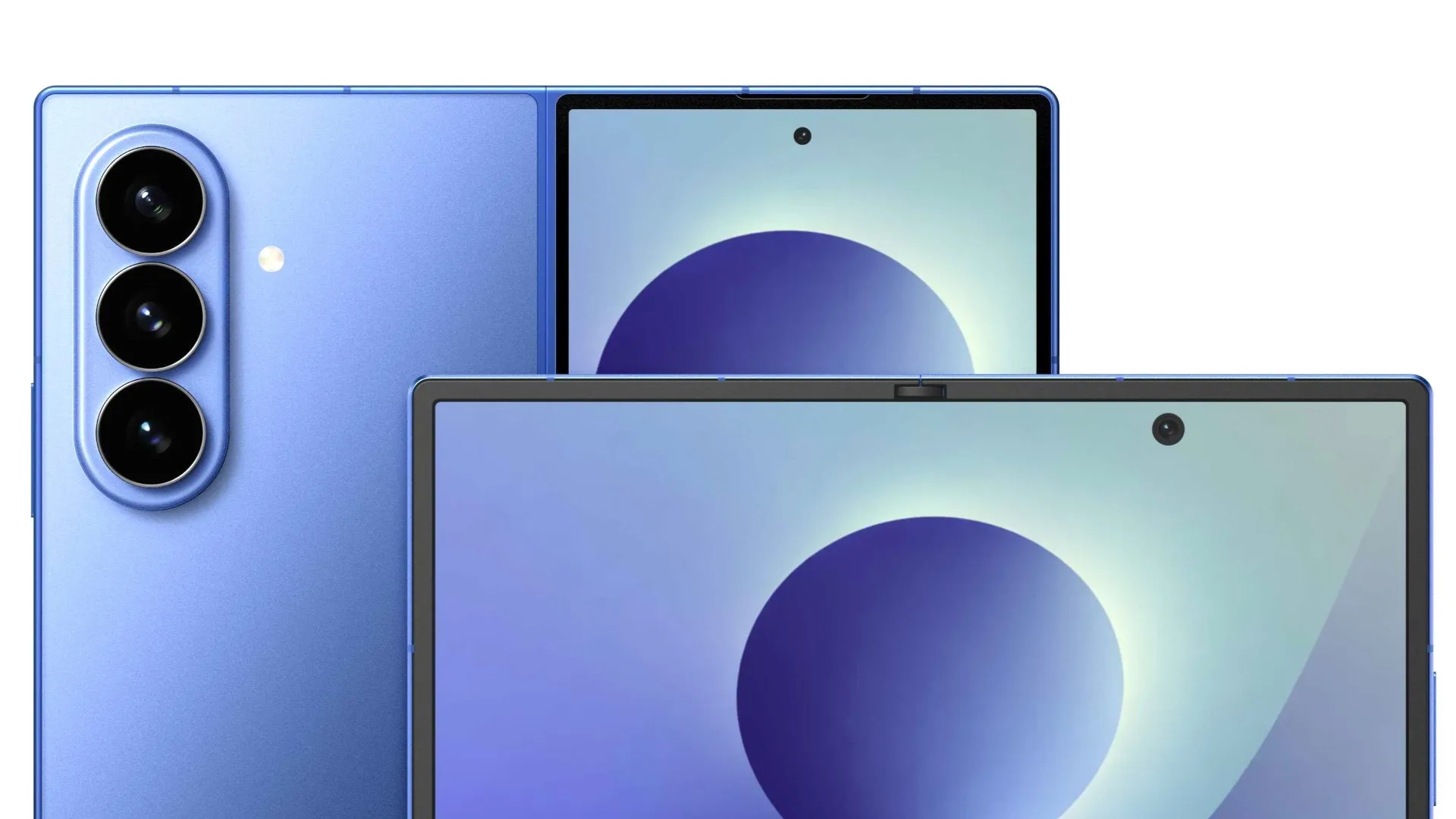
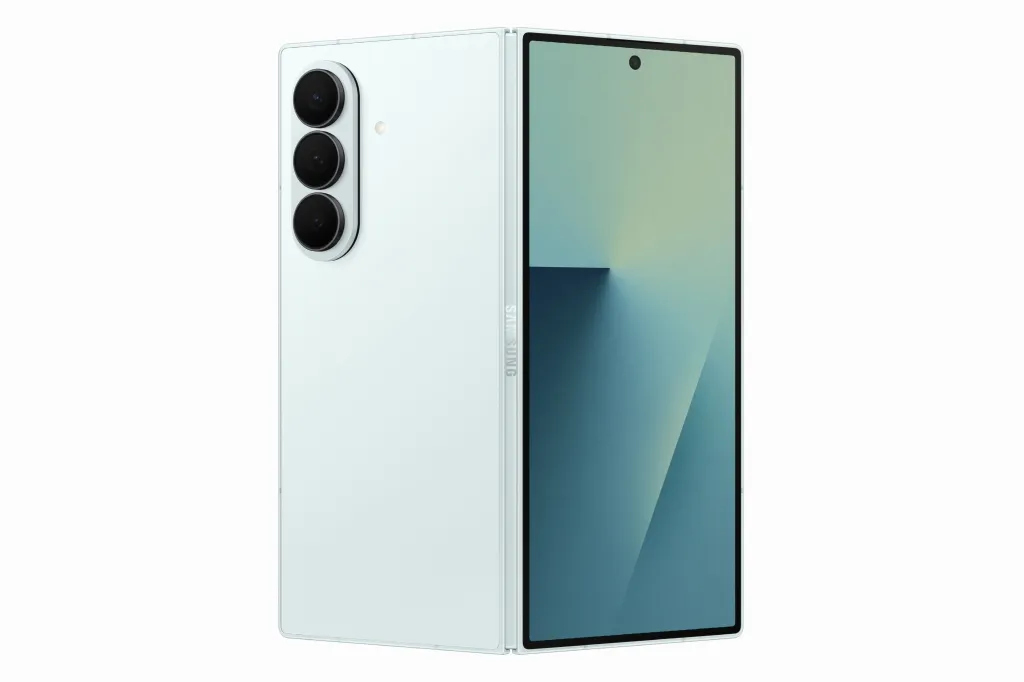
Samsung's Galaxy Z Fold 8 Ultra is now on sale across 106 markets at $2,099.99. Within Samsung's lineup, the Ultra name is supposed to mean the company's highest performance tier, and Samsung frames this phone as bringing that standard to foldables for the first time. In its review, PCMag called it Samsung's most capable foldable yet, citing faster performance, a longer-lasting battery and sharper cameras than any other Z Fold.
That same review, though, gave its Editors' Choice award to the cheaper Z Fold 8, not the Ultra. "Most capable" and "best buy" turned out to be different questions this year, and the $200 gap between the two phones is where that split gets decided.
Samsung Z Fold 8 Ultra price: what the $200 gap includes
The Ultra starts at $2,099.99 for 256GB. The standard Fold 8 starts at $1,899.99, and the Ultra runs $100 more than last year's Z Fold 7. Both phones come in 256GB, 512GB, and 1TB configurations, and stepping up to 16GB of RAM on the Ultra's 1TB model costs another $200.
Anyone buying into the new Z series, Ultra or not, also gets a six-month trial of Google AI Pro with 5TB of cloud storage, valued at $119.94, according to Samsung. It's a genuine perk, but it's not Ultra-exclusive, and by that figure alone it covers barely half the price difference between the two phones.
Galaxy Z Fold 8 Ultra vs. Z Fold 7: what upgrading actually buys
For owners still carrying last year's phone, PCMag's benchmarks tell a mixed story rather than a clean case for upgrading. Geekbench 6 scores climbed from 3,024 single-core and 9,468 multi-core on the Fold 7 to 3,659 and 10,739 on the Ultra, a gain PCMag itself describes as "not a huge leap forward," according to its review.
On the graphics side, the Ultra posted 6,221 points at 37.26 frames per second in 3DMark's Wild Life Extreme test, a solid standalone result, though PCMag didn't run the same benchmark on the Fold 7 for direct comparison.
Battery life is where the generational jump actually shows up. Capacity rose from 4,400mAh to 5,000mAh, and in PCMag's screen-time test the Ultra ran for 16 hours and 29 minutes, more than three hours longer than last year's model, the clearest measured upgrade in the whole review.
Samsung's new Flex Titanium structure also addresses one of foldables' oldest complaints: PCMag confirmed Samsung's claim of a 20% reduction in visible crease. Charging speed rose to 45W wired, and Samsung says the phone can reach 67% charge in 30 minutes, according to Samsung. PCMag's own test ran slower, hitting a full charge in 58 minutes on a 40W charger.
The battery numbers give Fold 7 owners the clearest reason to look at this generation. The processor and charging gains are real but modest, in line with PCMag calling the Ultra "only incrementally better than last year's model."
Galaxy Z Fold 8 Ultra vs. Z Fold 8: performance, battery life and size
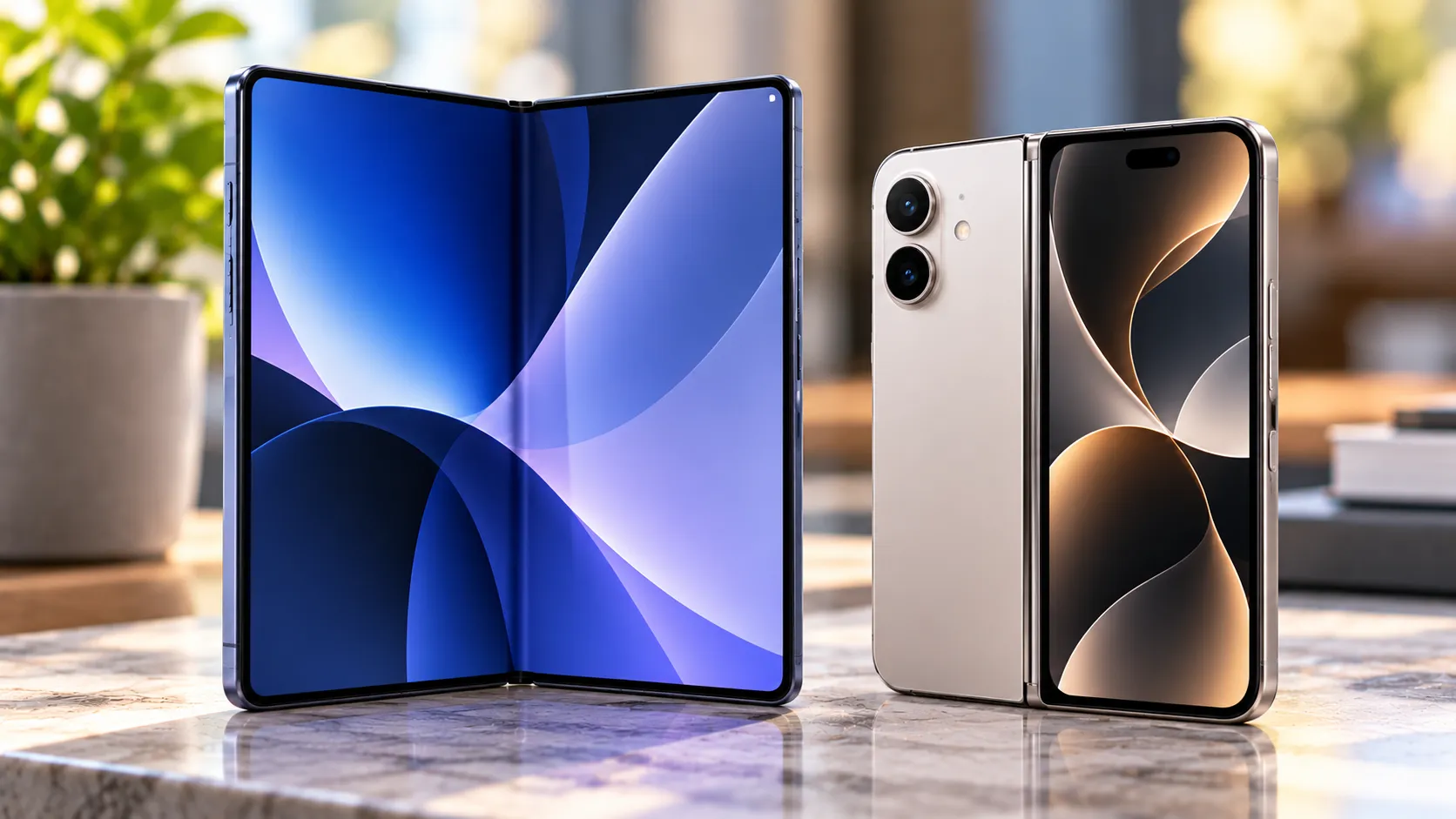
The standard Fold 8 isn't simply a stripped-down Ultra. Samsung built it around a flexible aspect ratio: the display opens to 4:3 for video and games, rotates to 3:4 for reading and browsing, and the cover screen runs 10:16 for short-form content, according to Samsung's Unpacked coverage. That design choice, more than the spec sheet, is what PCMag calls the Fold 8's "novel approach" to the category.
Where the Ultra pulls ahead is raw processing power. Its Geekbench 6 scores of 3,659 and 10,739 beat the Fold 8's 3,136 and 8,975 by a clear benchmark advantage, PCMag found. Both phones use adaptive 120Hz displays; the Ultra pairs its 8-inch inner panel and 6.5-inch cover screen with Corning Gorilla Glass Ceramic 3 up front and Gorilla Glass Victus 2 on the back, with both panels reaching 3,000 nits of peak brightness.
Battery capacity doesn't follow the same pattern. Despite the Ultra's larger 5,000mAh cell against the Fold 8's 4,800mAh, PCMag's screen-time test clocked nearly identical results: 16 hours 29 minutes for the Ultra versus 16 hours 30 minutes for the Fold 8.
Size is the tradeoff for the extra processing power. Choosing the Ultra over the standard Fold 8 adds about 1.36 inches to the height of the folded phone, and Samsung lists the Ultra's weight at 215g against 201g for the Fold 8.
On paper, the Ultra's camera hardware looks stronger too: a 200MP main sensor with a 200MP HDR mode, a 50MP ultrawide, and a 10MP telephoto with 3x optical zoom. PCMag describes the Ultra's cameras as sharper than those on the other Z Fold models, but its review doesn't include a controlled comparison against the Fold 8, which uses 50MP Wide and 50MP Ultra Wide cameras and lacks the Ultra's 10MP 3x telephoto.
None of that explains the Editors' Choice pick, though. PCMag's stated reasoning comes down to the Fold 8's distinctive aspect-ratio design and lower price, not a rejection of the Ultra's hardware.
Who benefits from the Ultra's hardware
The Ultra's clearest strengths are the ones Samsung and PCMag both quantify: an 8-inch inner display, the largest in Samsung's current foldable lineup, and a measured benchmark lead over the Fold 8.
For buyers weighing portability, the numbers cut the other way: nearly identical screen time, $200 less, and 14 fewer grams to carry with the standard Fold 8.
Fold 7 owners already have the relevant data from earlier in this piece: a measured battery gain worth noting, and processor and charging improvements that PCMag characterizes as incremental rather than essential.
One note on the AI pitch. The six-month AI Pro trial described earlier applies to any new Galaxy Z device, not just the Ultra, according to Samsung. That points to the same conclusion as everything else here: AI features aren't, on their own, a reason to pay the premium.
Durability is harder to weigh from marketing claims alone. Samsung says the latest Galaxy Z series passed more than 100 reliability tests covering drops, folding, pressure, moisture and debris, but that claim describes the generation broadly rather than confirming identical results model to model. The IP48 rating and the 20% crease reduction are documented specifically for the Ultra in PCMag's testing; the supplied reporting doesn't include long-term hinge or crease-wear results for either phone.
What hasn't been tested yet
The benchmark and price numbers here are settled. The Ultra outperforms the Fold 8 on processing power and costs $200 more to get there, while the battery gap that showed up on the spec sheet disappeared in PCMag's actual testing.
What isn't settled is everything that determines whether that $200 gap holds up over time: a direct, controlled camera comparison between the Ultra and the Fold 8, and long-term data on hinge wear and crease durability. Neither shows up in the sources reviewed for this piece, and until they do, that's the evidence that will decide whether Samsung's premium foldable earns its price tag beyond launch week.

Comments
Be the first, drop a comment!