



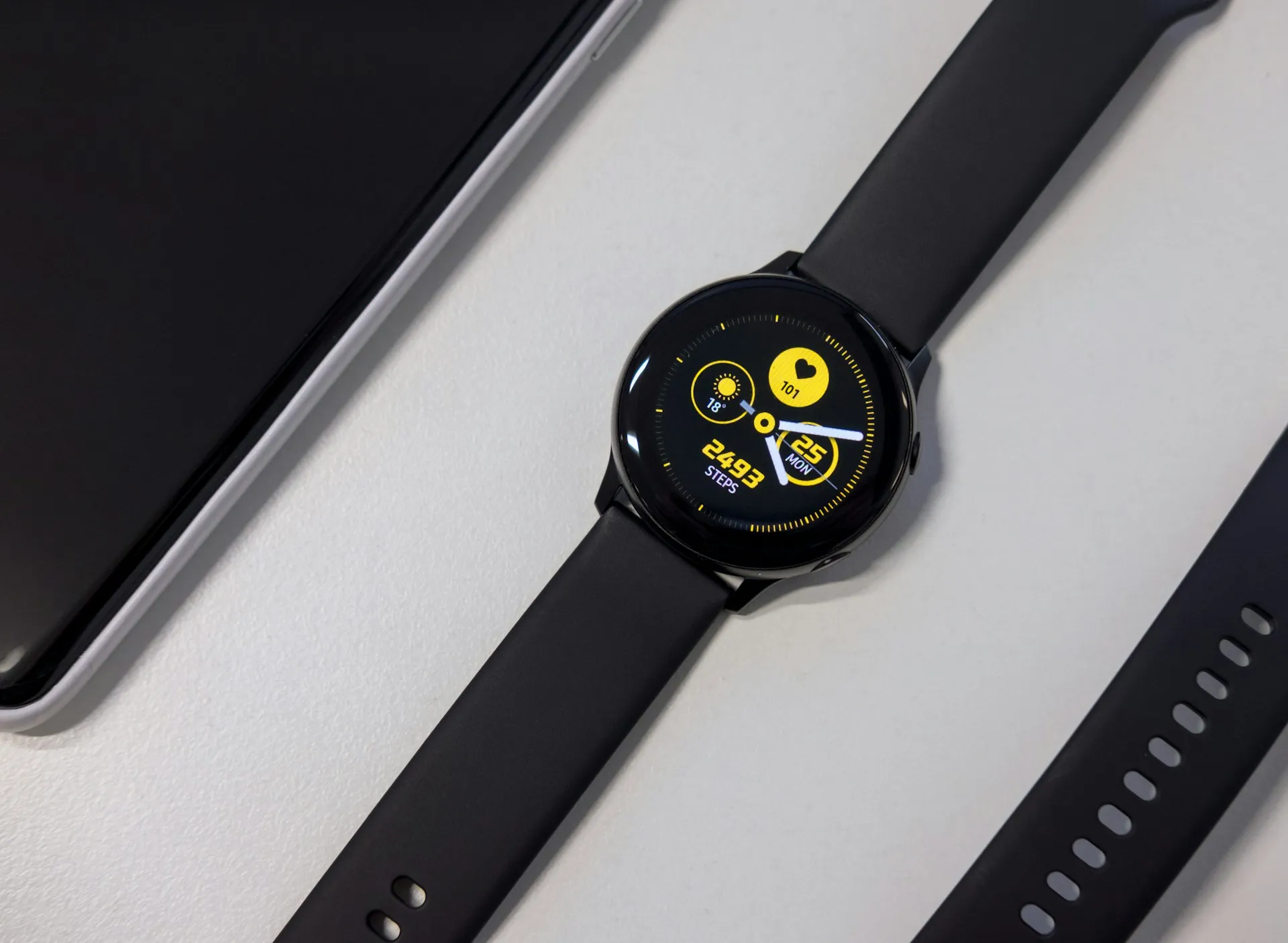
Samsung's Bespoke AI WindFree Premium Pro air conditioner includes a mode that detects when you fall asleep and shifts its cooling profile in real time. The feature is called Wearable Good Sleep, and it requires a compatible Samsung wearable on your wrist or finger. Without one, the AC operates like any other air conditioner. That hardware dependency determines everything about how the feature works.
How Samsung's WindFree Wearable Good Sleep mode works and what's undocumented
The core mechanic is straightforward: a paired Galaxy wearable detects sleep onset, and the AC responds by shifting its cooling profile. Reports show the adjustment happens in real time, keyed to the actual moment a user falls asleep rather than a fixed schedule.
In the materials reviewed, Samsung does not specify the trigger signal. Whether that's heart rate, movement, blood oxygen, or some combination remains undisclosed. Samsung also hasn't addressed whether the AC continues to adapt as sleep stages progress through the night, or whether it sets a new mode and holds it.
What Samsung has documented more thoroughly is the broader SmartThings sleep integration. The Samsung US Newsroom announced earlier this year that Samsung Health can assess bedroom temperature, humidity, CO2 levels, and light intensity using SmartThings-connected devices, then generate a morning Sleep Environment Report with optimization recommendations.
Users can also configure SmartThings automations to trigger at sleep onset: lights off, TV off, and climate adjusted. The Wearable Good Sleep AC mode is the most direct biometric-to-appliance expression of that broader capability.
No public outcome data exists showing that AC adjustments triggered by the Wearable Good Sleep mode improve sleep quality, duration, or next-day performance. That gap between what Samsung has built and what it has demonstrated matters for how buyers should evaluate the feature.
What you need to run it
The Wearable Good Sleep mode is not a standalone feature of the air conditioner. Compatible devices, per SoyaCincau, are the Galaxy Watch Series 4 and later, the Galaxy Fit3, and the Galaxy Ring. None of the biometric-triggered sleep adjustment functions without one of these active and paired.
The full setup required:
A compatible Samsung wearable (Galaxy Watch 4+, Galaxy Fit3, or Galaxy Ring) worn to bed
A SmartThings-compatible AC, specifically the Bespoke AI WindFree Premium Pro, in the current launch context
A Samsung smartphone running One UI 4.0 or later, the SmartThings app on the wearable, and the AC connected to home Wi-Fi
Consistent overnight wearable use; some Samsung sleep guidance features require a minimum of three consecutive nights of tracked data before recommendations activate, according to Samsung US Newsroom
Samsung acknowledged the wearable dependency at the point of sale. Buyers of the Premium Pro model during the initial sales window received a Galaxy Fit3, valued at roughly RM 299, as a complimentary gift. Bundling the required hardware at checkout is a practical signal that the wearable dependency is a known friction point for new buyers.
What Samsung has evidence for and what it doesn't
Two distinct categories exist in Samsung's sleep platform: features with documented clinical or regulatory grounding, and features whose benefits remain claims.
Samsung's Sleep Apnea detection sits firmly in the first. The Galaxy Watch's BioActive Sensor tracks blood oxygen levels to estimate a user's Apnea-Hypopnea Index over two nights of monitoring. The feature has received De Novo authorization from the U.S. FDA and is available in 78 markets, according to Samsung Mobile Press.
A Samsung Health user study released earlier this year found that roughly 23% of participants showed apnea risk indicators. Those with moderate to severe indicators averaged approximately eight minutes less deep sleep and around 12 minutes less total sleep per night than those without. Regulatory authorization, a published study, specific numbers even with Samsung's own caveat that the feature is not a substitute for clinical diagnosis.
The Wearable Good Sleep AC integration sits in a different position. The premise is plausible: bedroom temperature does affect sleep. But Samsung has not released outcome data showing this specific feature improves how users actually sleep. The sourcing for the AC integration amounts to a single third-party outlet and Samsung's promotional materials. No independent testing, no measured sleep improvement, no user study.
Samsung's own disclosures draw the line clearly. One UI 8 Watch features, including Bedtime Guidance and related tools, are not intended for diagnosing, treating, or preventing any disease, per Samsung's product page. The Wearable Good Sleep AC mode is an automation feature, not a medical one, and the available evidence supports evaluating it on exactly those terms.
What this signals about Samsung's platform direction
The AC integration is the most tangible product expression of a direction Samsung has been assembling since at least early 2025. A SmartThings update announced in April 2025 formalized the connection between Galaxy wearable sleep data and home automation, enabling real-time environmental adjustments based on actual sleep and wake times rather than fixed schedules. The WindFree Wearable Good Sleep mode applies that same capability to a new appliance category.
Each new device Samsung adds to that output layer increases the value of already owning compatible Galaxy hardware and raises the cost of leaving it. The pattern runs through the whole setup: wearable as sensor, Samsung Health as processing layer, SmartThings as automation engine, connected hardware as the result.
For buyers already wearing a Galaxy Watch or Ring to bed with a SmartThings setup in place, the feature is a genuinely useful addition: automated bedroom climate that responds to your body rather than a preset timer. For everyone else, it requires buying into several layers of Samsung hardware before any of it functions.
The stronger case for Samsung's sleep platform rests on the sleep apnea detection work, where the evidentiary foundation is substantially more solid. The ambient bedroom automation features, the AC integration included, are more ambitious in concept and less proven in outcome. Right now, the Wearable Good Sleep mode is best understood as a well-designed piece of ecosystem architecture that happens to also control your air conditioning.


Comments
Be the first, drop a comment!