





Samsung has already confirmed that its next flagship tablet generation is coming in 2026. What it has not confirmed is the date now appearing across Galaxy Tab S12 leaks: October 7.
That date has gained credibility after surfacing through two separate leak cycles. In August, one leaker pointed to October 7 for the Galaxy Tab S12 series. A little more than a month later, Evan Blass posted an image of what appears to be one of Samsung's upcoming tablets beside the words "7 October."
There is still an important line between a credible leak and an official launch announcement. Samsung has not sent an October 7 invitation, confirmed which Tab S12 models will appear, or announced when preorders and shipping will begin.
For anyone considering a Galaxy Tab S11 now, however, the timing is close enough to matter. The newer tablets are rumored to bring a faster MediaTek chip, Android 17, long software support, and premium pricing that could make the decision to upgrade — or buy the outgoing generation at a discount — less straightforward than the date alone suggests.
Why the October 7 leak is getting stronger
Samsung itself provided the first firm piece of the puzzle in July. During its July 30 earnings call, Mobile eXperience executive Daniel Araujo included the Tab S12 among premium products Samsung plans to launch in the second half of 2026.
The October date came later.
On August 6, SamMobile reported that leaker @fireuniverse had identified October 7 as the expected date for the Galaxy Tab S12 series. That earlier launch-date leak is important because it predates the more recent Evan Blass post rather than simply repeating it.
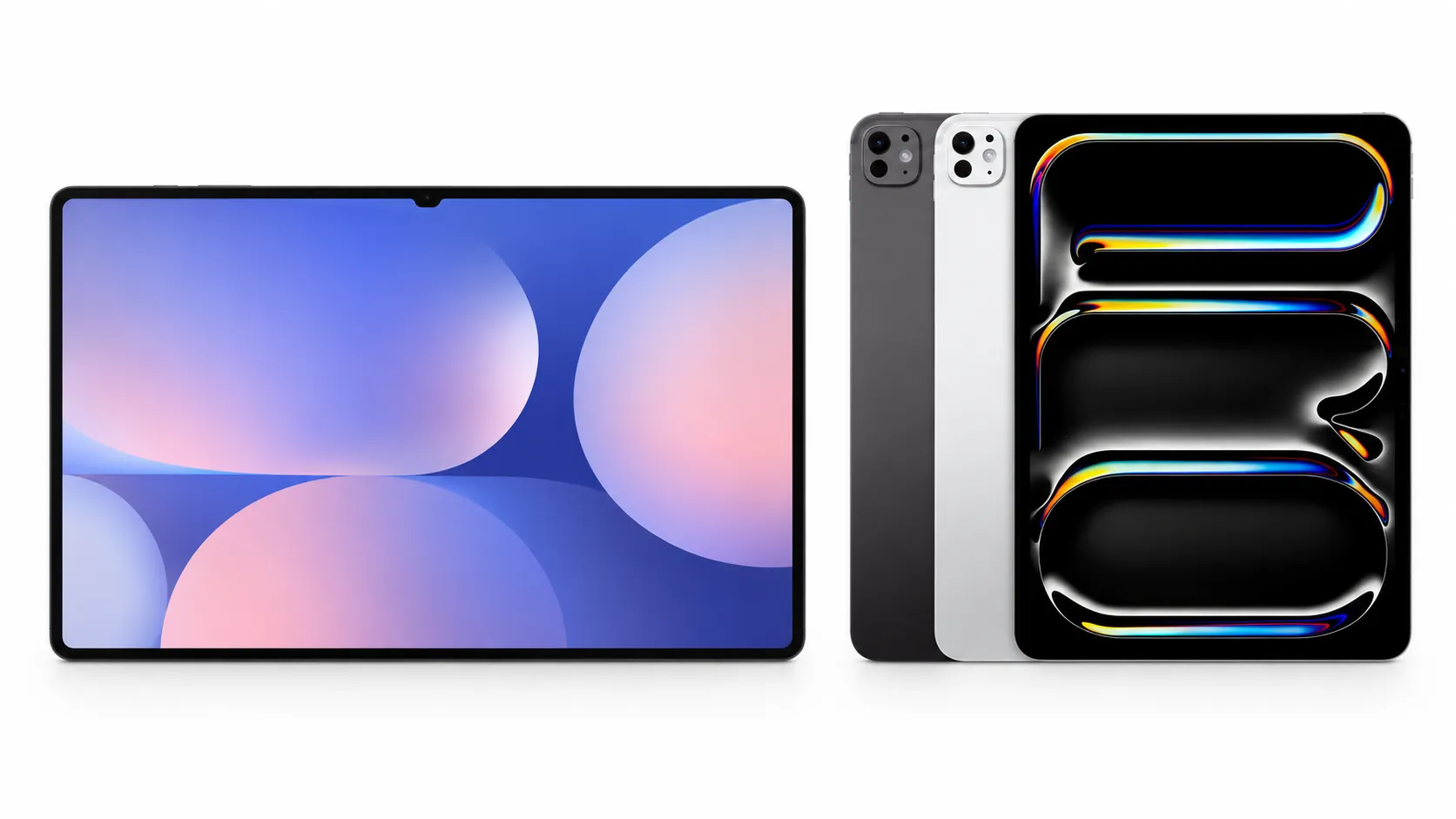
Blass added another signal on September 12. His image showed part of a Galaxy tablet alongside "7 October," and 9to5Google noted that the wallpaper appears to match imagery previously associated with the Galaxy Tab S12 Ultra. Its report on the Blass leak interpreted October 7 as a likely launch date, while still noting that Samsung has not announced an event.
Two leak trails pointing to the same day make October 7 more credible than a date circulating from a single post. They do not make it official.
There is also no guarantee that October 7 would be the day buyers can actually purchase the tablets. Samsung could use it for an announcement, with preorders or retail availability following later.
The Tab S12+ and S12 Ultra are looking like the main models
The lineup may also change from last year's Galaxy Tab S11 family.
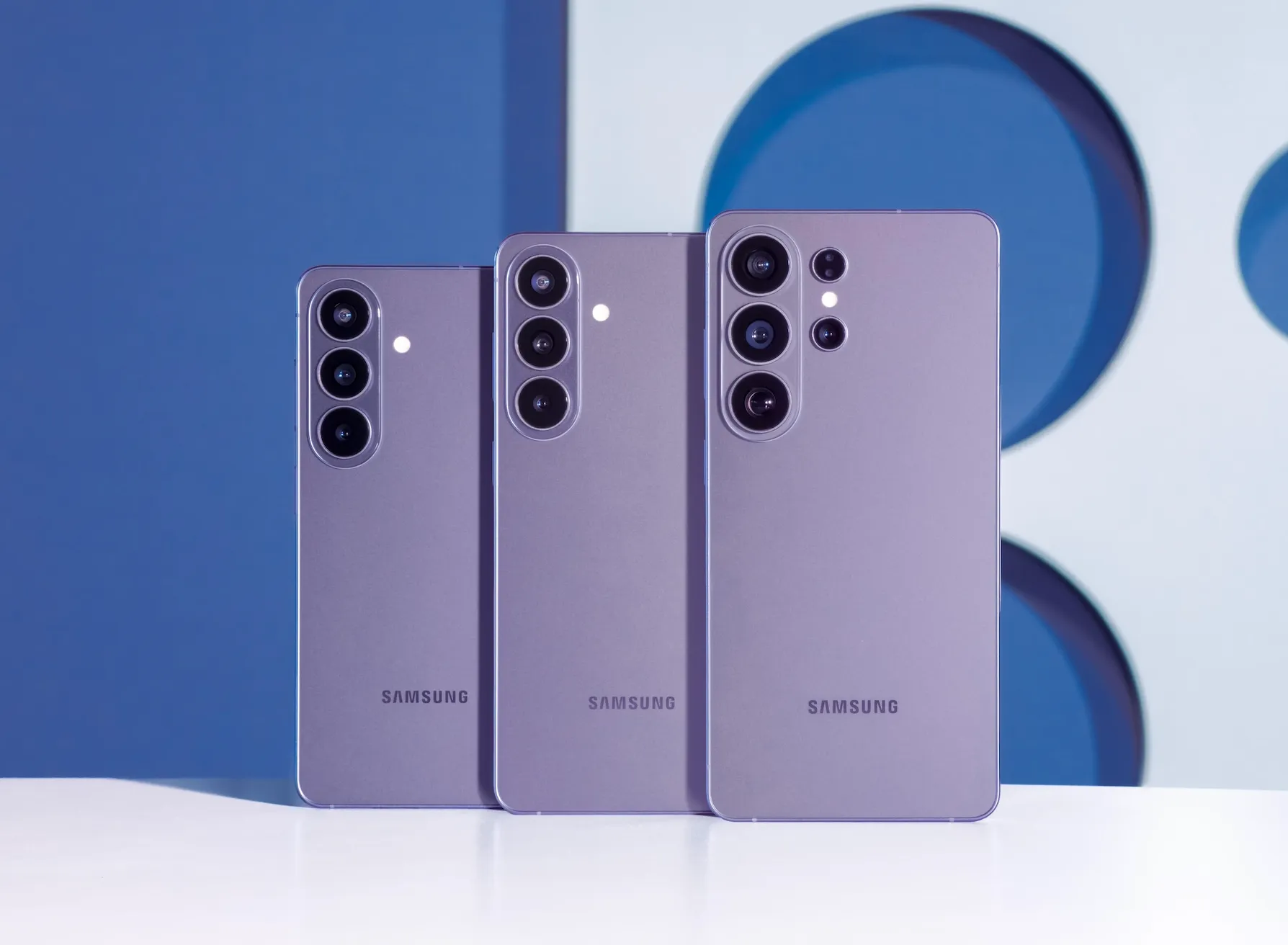
Current leaks consistently point to a Galaxy Tab S12+ and Galaxy Tab S12 Ultra, while firm evidence for a standard Galaxy Tab S12 remains scarce. Samsung has referred broadly to "Tab S12," but it has not announced the individual models.
That would differ from the previous generation. Samsung's September 2025 Tab S11 announcement introduced a standard Galaxy Tab S11 alongside the larger Tab S11 Ultra.
The rumored hardware also gives prospective buyers something more substantial to watch than the launch date.
Both upcoming models are expected to use MediaTek's Dimensity 9500 processor. Reported specifications also include Android 17 with One UI 9, an S Pen in the box, IP68 dust and water resistance, and support for seven generations of Android OS upgrades.
Those details remain leaks rather than official specifications, but SamMobile's latest Tab S12 report also puts U.S. starting prices at about $1,199 for the Tab S12+ and $1,399 for the Tab S12 Ultra.
The Ultra is expected to offer configurations reaching 16GB of RAM and 1TB of storage, while the Plus model is tipped to top out at 12GB of RAM and 512GB of storage.
None of those configurations or prices has been confirmed by Samsung.
Pricing could be as important as the new hardware
The leaked prices make the Tab S12 story more consequential than a routine annual tablet refresh.
Samsung's flagship tablets already compete near the top of the Android market, and the latest European leak suggests that entry prices could move higher again. Reported figures put the Wi-Fi Galaxy Tab S12+ at €1,299 and the Tab S12 Ultra at €1,539.
Notebookcheck notes in its European pricing coverage that the comparable 256GB Wi-Fi Tab S11 Ultra launched at €1,339. If the new figure is accurate, that would represent a €200 increase for the equivalent S12 Ultra configuration.
That changes the upgrade equation.
A faster processor and newer software may be meaningful for people who use a Galaxy tablet for DeX, multitasking, drawing, gaming, or heavier productivity work. But a higher starting price also raises the bar for how much improvement Samsung needs to deliver over the Tab S11 generation.
The leaked design information so far does not point to a dramatic visual overhaul, either. That puts more attention on performance, battery life, software additions, display quality, and whatever new Galaxy AI or productivity features Samsung ultimately announces.
Should you buy a Galaxy Tab S11 now or wait?
October 7 is still a leaked date, but it is now supported by more than one source and fits inside the second-half launch window Samsung has already confirmed.
That makes waiting a reasonable option for anyone who does not need a new tablet immediately. An official Tab S12 announcement would settle several questions at once: the final model lineup, actual U.S. pricing, trade-in deals, preorder timing, and whether the Dimensity 9500 delivers enough of a jump over the current generation to justify the cost.
The Galaxy Tab S11 may become more attractive at the same time. Retailers often discount older hardware around a successor's arrival, and a meaningful price gap could matter more than having the newest processor or software version.
For now, the clearest picture is this: Samsung's Galaxy Tab S12 generation is real, October 7 is increasingly plausible but still unofficial, and the Plus and Ultra models appear to be shaping up as expensive flagship tablets rather than modest replacements.
The launch date will answer when Samsung wants to show them off. The more important answer for buyers will be whether the new hardware is worth paying more for once the leaks give way to confirmed specifications and real-world testing.




Comments
Be the first, drop a comment!