



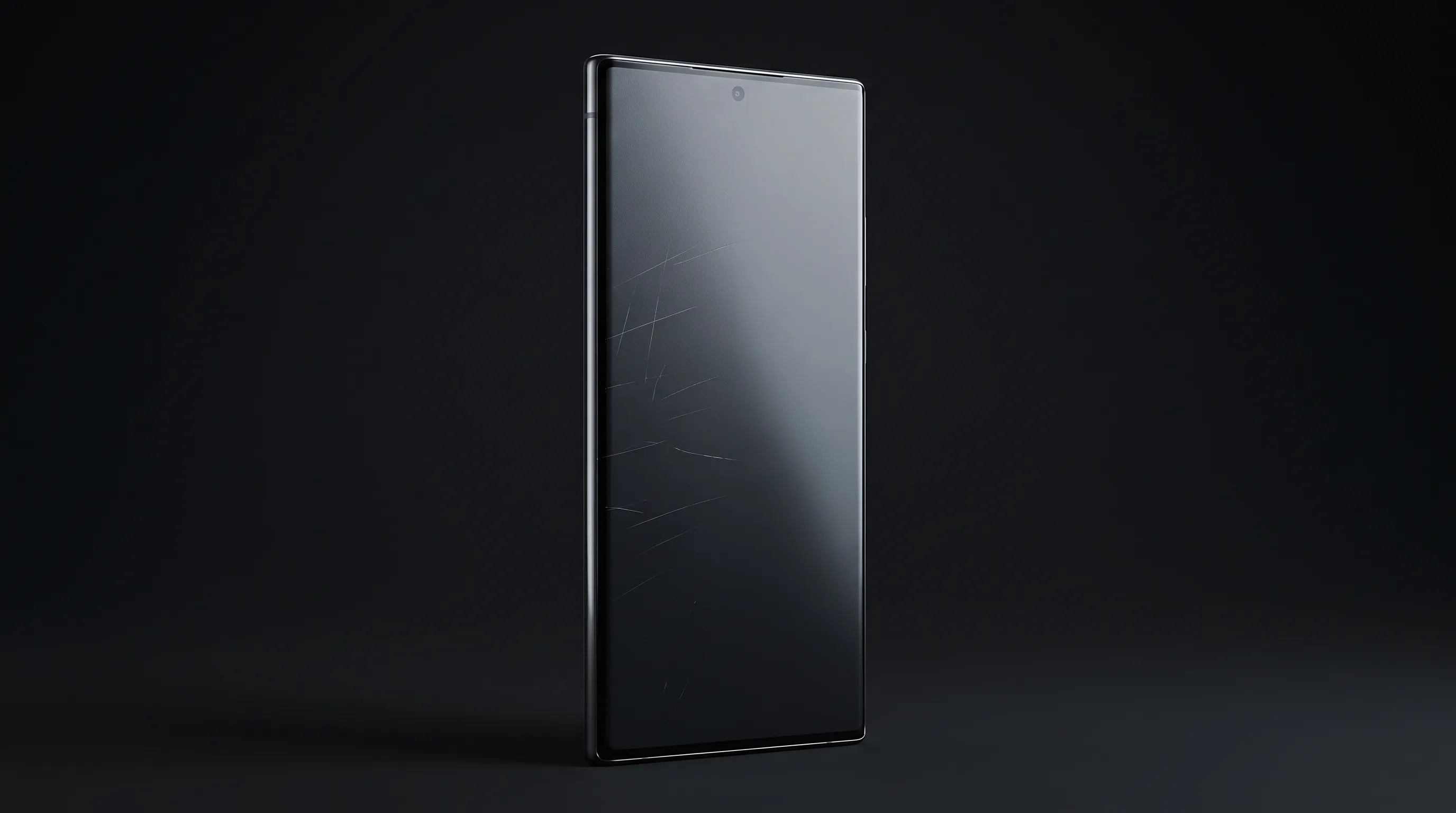
Samsung and Corning are reportedly developing a new self-healing surface coating for the next generation of Gorilla Armor, and industry watchers have connected it to the Galaxy S27 Ultra.
The claim traces to a single post on X from industry observer Schrödinger, who wrote that the two companies are jointly building "a new self-healing surface coating" for Gorilla Armor's next iteration, according to Android Authority, which reported on the post on August 24.
Phandroid's report, published August 25, describes the same coating as reportedly in development for "the next Galaxy Ultra phone," without naming the S27 Ultra specifically. Android Authority draws the more direct line to that model. Both reports appear to trace back to Schrödinger's post rather than to separate reporting.
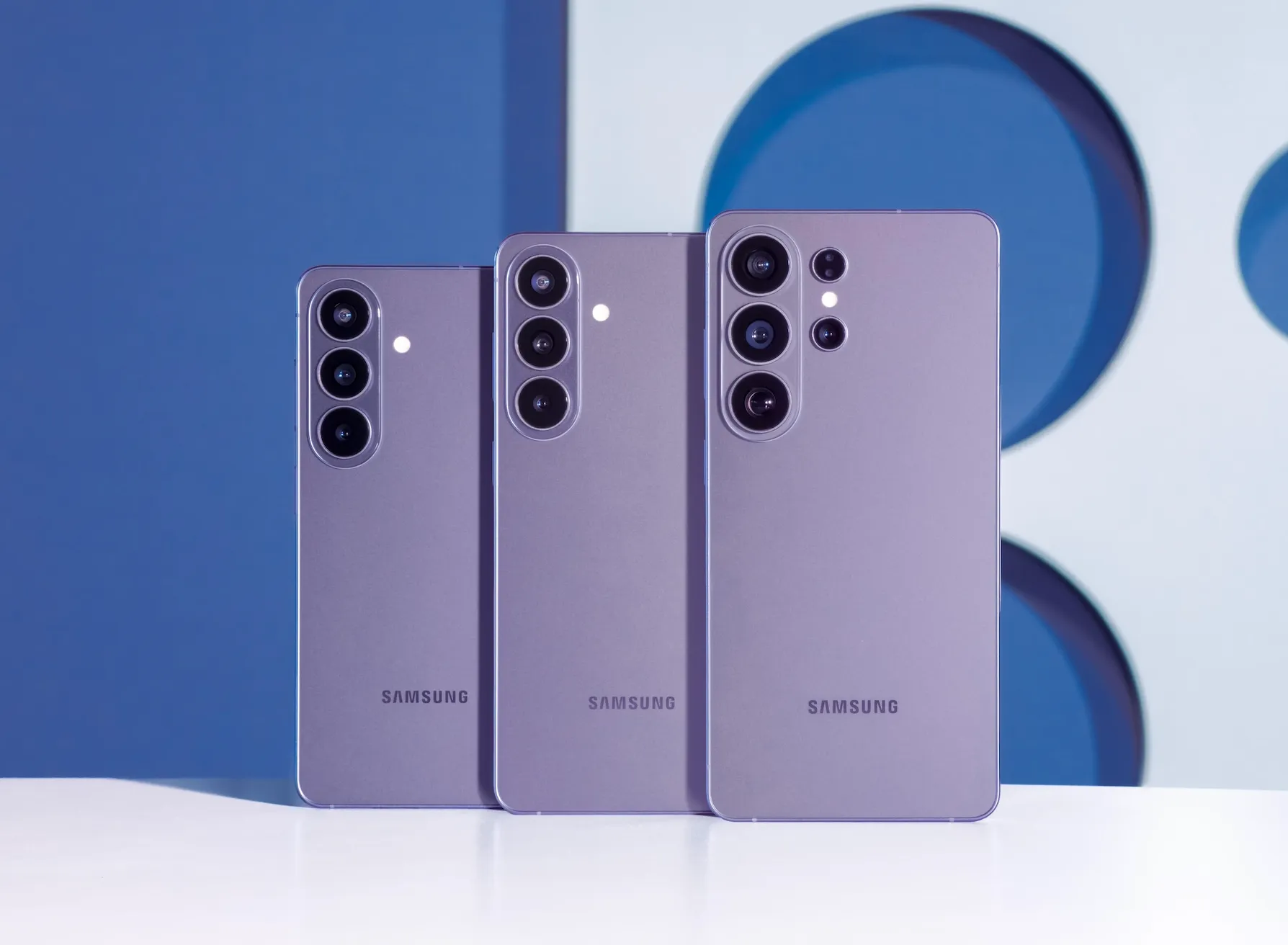
The current Galaxy S26 Ultra uses Corning Gorilla Armor 2 on its front display and Gorilla Glass Victus 2 on the back, according to Samsung's specifications. The Galaxy S27 series is expected to launch in early 2027, per Android Authority. That timing is the main reason the rumor has attached itself to this particular phone, not any indication that Schrödinger named a specific model.
What 'self-healing' would actually mean
The stated goal is recovery rather than resistance: a surface designed to repair everyday micro-scratches instead of just fending them off, Phandroid reported.
The scope described is narrow. Both reports mention minor or hairline scratches, and neither describes repair of cracks, chips, or shattered glass.
Android Authority notes that a coating like this would be less scratch-resistant than conventional tempered glass, but adds that the trade-off could be worth it if the surface genuinely fills in hairline scratches on its own. That's the outlet's own read on the trade-off, not a specification either company has confirmed.
Schrödinger's post itself is thin on specifics. Android Authority notes it doesn't say how long development has been underway, whether any of the coating has actually been produced, or what Samsung and Corning might eventually brand it. No mechanism, heat, light, time, or otherwise, has been described in either report, and neither addresses how many times the coating could heal before wearing out.
Could the Galaxy S27 Ultra self-healing coating be limited to the back panel?
Neither report says whether the coating would sit on the front display or just the back panel. Phandroid put it plainly: the coating "might cover the front display, or it could end up only on the back of the phone." Android Authority arrives at the same open question from a different angle, noting that Schrödinger's post never specified the S27 Ultra's screen as the target, which leaves a back-only rollout possible.
That ambiguity has precedent. LG's G Flex 2 shipped in 2015 with a self-healing back cover that LG said could recover from everyday scratches in about 10 seconds at room temperature. That precedent shows a back cover has been attempted before; it doesn't say anything about which surface Samsung and Corning are targeting this time.
Placement is not a small detail here. A self-healing back panel would be a modest cosmetic upgrade. A self-healing display would touch the part of the phone people look at and tap constantly, and it would need to survive far more direct contact and abrasion than a back panel ever does.
The concept has precedent, but not proof
Repairable display materials aren't new territory for Samsung Display, even if this particular Gorilla Armor self-healing coating is unconfirmed. Samsung Display holds a granted patent describing a method for repairing scratched display glass using a laser and heating plate. Heat melts glass immediately around the scratch so the material can fill the damaged area.
A separate Samsung Display filing describes something structurally different: a replaceable protective layer attached over a glass substrate using a temperature-responsive polymer. Heating changes the polymer's properties so the damaged protective layer can be removed and replaced rather than repaired in place. Neither mechanism matches what Schrödinger described for Gorilla Armor. Patents document exploratory engineering, not a shipping feature.
Outside Samsung entirely, researchers at the Korea Institute of Industrial Technology and Hanyang University have demonstrated a coating that recovered surface scratches within about 10 seconds at room temperature. Samsung had no involvement in that work. The researchers also reported 4H hardness and durability through more than 200,000 folding cycles, but a laboratory material is not evidence of what Samsung and Corning are developing for a commercial phone.
There's a further wrinkle in Schrödinger's wording that Android Authority flags but doesn't endorse: the phrasing could imply Corning eventually markets self-healing properties as a selling point across Gorilla Glass broadly, not just for one Samsung flagship. Android Authority is upfront that it's too early to know if that's the direction things are heading, and nothing in the report narrows it down further.
Taken individually, LG's 2015 phone and the unaffiliated South Korean research show that self-healing surfaces have been demonstrated in consumer hardware and laboratory work. Samsung Display's patents show separate approaches to repairing or replacing damaged display surfaces. None of that confirms how a Samsung and Corning self-healing coating would perform on a production phone, at what cost, or on what timeline.
Where the story stands
What's on the record amounts to one post from a single industry observer, picked up by multiple outlets that trace the claim back to the same source rather than independent confirmation. Samsung is expected to detail the S27 series at an event in early 2027, per Android Authority, which is the reason this rumor has attached itself to that phone rather than a later Ultra model.
A long list of basic questions remains open: whether the coating targets the display, the back panel, or both; what mechanism triggers repair, and whether it needs heat, light, time, or pressure; how many scratches it can heal before wearing out, and how fast; whether it changes how the glass feels under a finger or looks in bright light; and whether any version of it has actually been manufactured, or exists only as a development target.
Neither Samsung nor Corning has confirmed the coating or any of those details. For now, the rumor identifies neither a final product nor a confirmed display application. Just a reported collaboration, an existing Gorilla Armor product line, and a plausible but unproven idea that self-healing technology could show up somewhere on Samsung's next Ultra phone.

Comments
Be the first, drop a comment!