





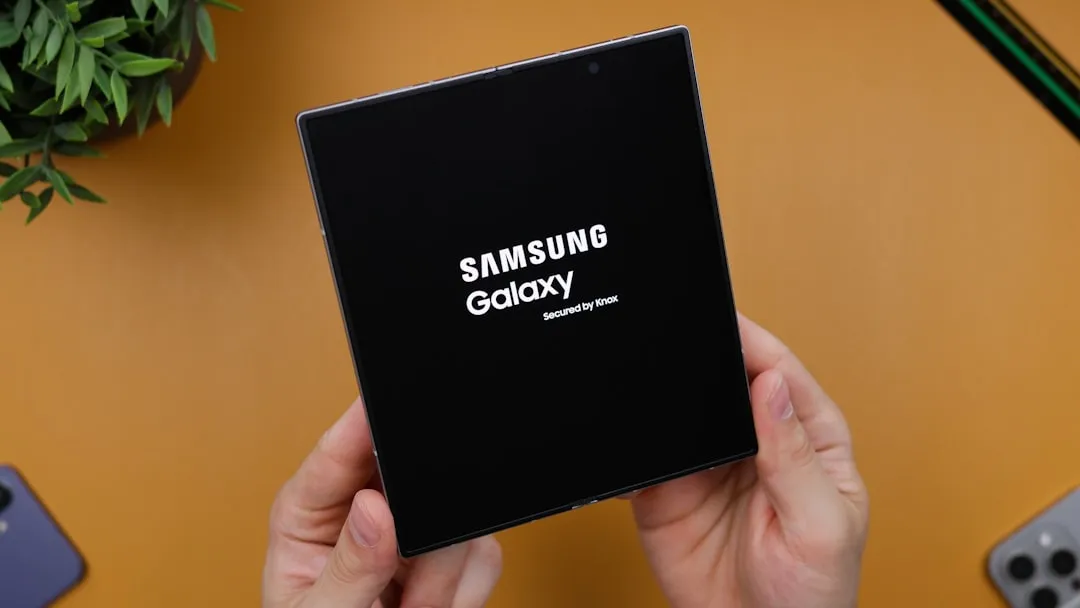
The tech world is buzzing with reports that Samsung's next-generation Exynos 2700 processor is nearing completion and entering its final testing phases. This development carries significant weight for anyone following the mobile chip landscape, particularly those anticipating what might power the Galaxy S27 series. While Samsung has maintained a complex dance between its own Exynos processors and Qualcomm's Snapdragon chips across different regions, this latest advancement could reshape that strategy entirely.
The timing of this development suggests Samsung is positioning itself for a major shift in its mobile processor strategy. Understanding what this means requires looking at both the technical implications and the broader competitive landscape that's driving these decisions.
What makes the Exynos 2700 different from previous generations?
Samsung's approach to processor development has evolved significantly over the past few years, and the Exynos 2700 represents a potential turning point in their silicon strategy. Now, here's what's particularly interesting about this latest development - Samsung appears to be taking a fundamentally different approach than we've seen with previous Exynos generations.
The chip is reportedly being built on an advanced process node that could deliver substantial improvements in both performance and power efficiency compared to current-generation processors. We're talking about measurable gains in processing speed while actually reducing power consumption - a combination that could finally position Exynos processors as genuine flagship competitors rather than regional alternatives.
The architectural improvements expected in the Exynos 2700 extend beyond just raw processing power. Early indications suggest enhanced AI processing capabilities through an upgraded Neural Processing Unit (NPU), which would align with the industry's increasing focus on on-device machine learning tasks. Think about all those computational photography features, real-time language translation, and smart assistant functions - they all rely heavily on dedicated AI processing power, and this is where Samsung seems to be making significant investments.
The GPU component is also expected to receive significant attention, potentially addressing one of the historical weak points in Samsung's Exynos lineup compared to Snapdragon alternatives. Let's be honest here - gamers and power users have in many cases steered toward Snapdragon-powered devices specifically because of GPU performance differences. If Samsung can close that gap with dedicated graphics improvements and better thermal management, it changes the entire conversation around Exynos processors.
Manufacturing efficiency plays a crucial role in this development, particularly Samsung's unique position as both chip designer and fabricator. Their foundry business has been refining advanced node processes specifically to support next-generation mobile processors, giving Samsung direct control over both the design specifications and manufacturing optimizations that external customers simply can't access.
How could this impact the Galaxy S27's regional availability strategy?
Samsung's historical approach to processor distribution has created a complex global landscape where different regions receive different chips in the same phone model. Currently, US markets typically receive Snapdragon processors while European and Asian markets often get Exynos variants - a split that's frustrated consumers who want consistent performance regardless of their location.
The Exynos 2700's development could signal a shift toward a more unified approach, depending on how well the chip performs against Qualcomm's competing offerings. Imagine this scenario: instead of having to research which processor variant you're getting based on your location, Samsung could potentially offer the same Exynos experience globally.
The regional split between Exynos and Snapdragon processors has often been driven by performance parity concerns, but cost dynamics also play a crucial role. Here's the bottom line - Samsung's ability to produce its own processors provides supply chain control and potentially better profit margins, but manufacturing costs must be balanced against any performance trade-offs that could impact sales in competitive markets.
If the Exynos 2700 can match or exceed Snapdragon performance in key areas like gaming, camera processing, and battery efficiency, Samsung gains the flexibility to optimize regional distribution based on supply chain efficiency rather than performance concerns. This could mean expanded Exynos availability in markets that have traditionally demanded Snapdragon processors.
Market reception will ultimately determine the viability of any expanded Exynos deployment. Consumer awareness of processor differences has grown significantly, and Samsung will need to ensure that Exynos-powered devices deliver experiences that match user expectations set by Snapdragon alternatives. You might be surprised how many smartphone buyers now actively research which processor they're getting before making a purchase decision.
The success of this processor could fundamentally alter Samsung's negotiating position with Qualcomm, potentially reducing dependence on external suppliers while giving Samsung more control over their flagship device roadmap and pricing strategy.
What does this mean for the broader mobile chip competition?
The mobile processor landscape has become increasingly competitive, with Apple's M-series chips setting new performance benchmarks and Qualcomm continuing to push Snapdragon capabilities forward. Samsung's Exynos 2700 development represents a critical move in maintaining relevance in this high-stakes competition, but the implications extend beyond just Samsung's immediate product lineup.
The competitive dynamics have evolved beyond raw performance numbers to encompass specialized processing capabilities, power efficiency, and integrated feature sets. Modern flagship processors compete on AI acceleration, advanced camera processing, gaming performance, and battery optimization - areas where architectural differences can create distinct user experience advantages.
Samsung's position as both a chip designer and manufacturer creates unique competitive opportunities that pure-play designers like Qualcomm cannot replicate. The Exynos 2700's performance will serve as an important benchmark for Samsung's foundry business, potentially attracting external customers who want access to cutting-edge process nodes and custom design capabilities.
Innovation in specialized processing units has become a key differentiator, with the Exynos 2700's reported AI processing enhancements positioning Samsung to compete in computational photography, real-time translation, and other AI-driven features that are becoming standard smartphone expectations. Success here could establish Samsung as a leader in mobile AI processing rather than a follower of Qualcomm and Apple innovations.
The broader implications could reshape relationships throughout the Android ecosystem. Success with the Exynos 2700 might encourage other manufacturers to consider Samsung's foundry services for custom processors, while also demonstrating that alternatives to Qualcomm's Snapdragon dominance are viable for flagship-level performance.
PRO TIP: When evaluating future Samsung devices, pay attention to which markets receive Exynos versus Snapdragon processors - this often indicates Samsung's confidence level in their internal chip performance for different use cases and customer expectations.
Where does Samsung go from here with its chip strategy?
The Exynos 2700's development timeline and testing phase results will likely influence Samsung's processor strategy for years to come, but the stakes extend beyond just one processor generation. Samsung is essentially betting on their ability to compete directly with industry leaders while leveraging their unique manufacturing advantages.
Success could validate a more aggressive approach to internal chip development, potentially leading to expanded Exynos deployment across Samsung's entire flagship lineup and increased investment in next-generation architectures. This would represent a fundamental shift from the current hedged approach of maintaining both Exynos and Qualcomm partnerships based on regional performance requirements.
Long-term competitiveness requires Samsung to establish consistent performance leadership rather than playing catch-up to Snapdragon alternatives. The Galaxy S27 launch will provide crucial market feedback on whether Samsung's internal chip development has reached the level needed for global flagship deployment without performance compromises.
Strategic flexibility becomes crucial as the mobile market continues evolving toward specialized computing requirements. The Exynos 2700's success could provide Samsung with enhanced control over future device planning, supply chain management, and competitive positioning against other Android manufacturers who rely exclusively on external processor suppliers.
The key takeaway is that Samsung sits at a unique crossroads in the mobile processor landscape. They have the manufacturing capabilities, design expertise, and market position to potentially reshape how flagship smartphones are powered. The Exynos 2700 represents more than just another chip - it's a statement about Samsung's vision for controlling their technological destiny. Whether that vision becomes reality depends largely on how well this processor performs when it finally reaches consumers' hands in the Galaxy S27 series, but the implications will influence Samsung's strategic direction for years to come.







Comments
Be the first, drop a comment!