





Galaxy Z Fold 8 Multitasking Features: 90:10 Three-App Split Screen Explained
Samsung didn't announce it at Unpacked. A Reddit user found it first, and Android Authority confirmed it today on a review unit: One UI 9 now supports a 90:10 three-app split-screen layout on the Galaxy Z Fold 8 series, an arrangement that closely resembles the Open Canvas multitasking system OnePlus and OPPO have used to differentiate their foldables for years. The Galaxy Z Fold 8 multitasking features also surface a meaningful difference between the standard model and the Ultra that comes down to screen geometry, not price.
Samsung's official One UI 9 page documents two-way and three-way split views for the Z Fold 8 Ultra. Android Authority's hands-on testing found that the standard Fold 8 supports both the 90:10 three-app mode and a three-column vertical layout with apps arranged side by side, a configuration the Ultra cannot replicate. The feature is available now. How well it holds up across different apps and real workloads is still being determined.
What the Galaxy Z Fold 8 three-app split screen actually does
Samsung's previous foldable multitasking divided the display into roughly equal halves, or let a floating window hover over a full-screen app. The 90:10 model is structurally different: one app commands most of the inner display while two others occupy a compressed strip alongside it, narrow enough to stay out of the way and wide enough to remain useful.
Android Authority verified both layout modes on its review unit: the 90:10 three-app arrangement and the three-column vertical configuration where apps share the display in equal strips. Both devices also support the more conventional layout, one large app beside two stacked panels, so the new modes are additive rather than replacements.
The practical target is a specific scenario: one primary task running while two others stay visible without constant app-switching. Drafting a document while keeping a messaging thread and a reference tab live, or navigating while monitoring a playlist and a chat. The compressed panels function as ambient context rather than active workspaces. That distinction matters, because a true three-way equal split tends to make every pane feel too narrow for comfortable use.
What remains unconfirmed: whether saved app groupings carry over in this mode, how drag-and-drop behaves across all three panes, and whether the dominant app can be swapped without collapsing the layout. Those details matter for sustained productivity use and will need full review testing to answer.
Why the standard Fold 8 gets more out of One UI 9 Open Canvas multitasking than the Ultra
The same software produces meaningfully different experiences depending on which device runs it, and the reason is screen shape.
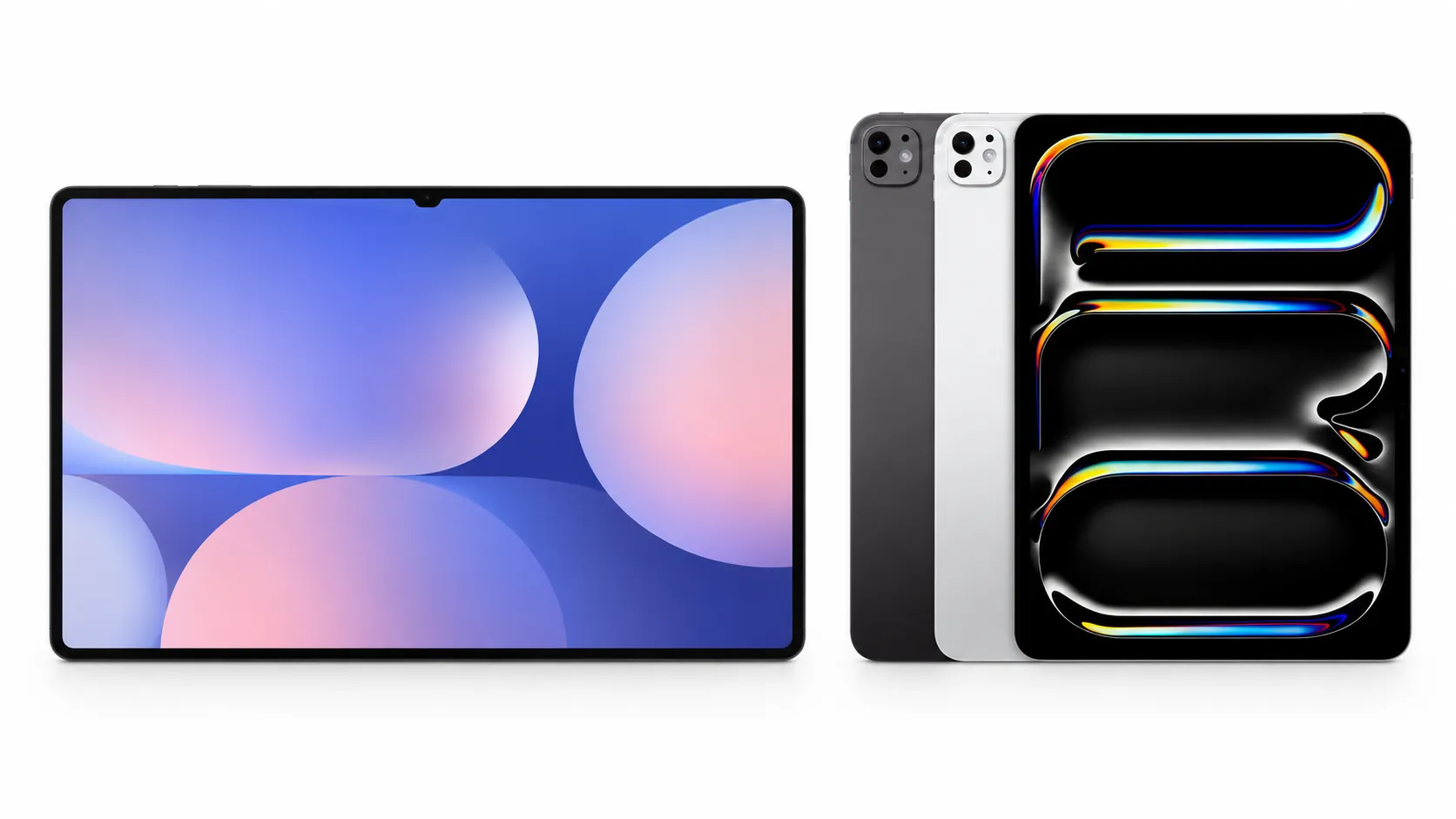
The standard Galaxy Z Fold 8 opens to 6.35 inches wide and 4.88 inches tall. The Z Fold 8 Ultra opens to 5.64 inches wide and 6.24 inches tall, per PCMag's hands-on measurements. That roughly three-quarter-inch horizontal difference explains why the standard Fold 8 can arrange three apps in equal vertical columns while the Ultra is limited to one large app beside two stacked panels, as Android Authority verified.
The Ultra's taller, narrower proportions suit a layout that resembles a laptop screen: primary app dominant, two secondary apps stacked to one side. The Fold 8's shorter, wider proportions make a three-column arrangement legible rather than cramped. For buyers weighing the two devices, that's a concrete consideration: if Galaxy Z Fold 8 split screen multitasking is a priority, the standard model delivers a more capable version of it than its pricier sibling.
Pricing compounds the point. The standard Fold 8 starts at $1,899.99, while the Ultra runs $2,099.99, according to PCMag. A buyer prioritizing multitasking flexibility spends less and gets more of it on the standard model. The Ultra trades layout versatility for camera hardware, including a dedicated telephoto lens the standard Fold 8 omits.
Weight adds another factor. At 201 grams, the Fold 8 is the lightest book-style foldable ever made, according to Android Authority, a figure PCMag independently confirmed at 7.09 ounces. For extended open-screen use, that reduced weight has a real effect on comfort during multitasking sessions.
The Fold 8 also ships with a 4,800mAh battery and 45W wired charging, per Android Authority, up from the 25W charging on last year's Fold 7. Running three simultaneous apps draws more power than single-app use, so both the larger battery and faster top-up speed have a direct bearing on how long a multitasking session stays viable before a cable becomes necessary.
What Samsung borrowing from OnePlus signals about foldable software
Adopting a rival's multitasking concept isn't unusual in consumer tech. It's how proven interface patterns spread across the category. The Open Canvas comparison is Android Authority's framing, not Samsung's terminology, and it's worth holding lightly until full reviews characterize how fluidly Samsung's implementation handles proportion-switching and pane interaction compared to OnePlus's gesture-driven approach. The architecture may be similar; the feel could differ.
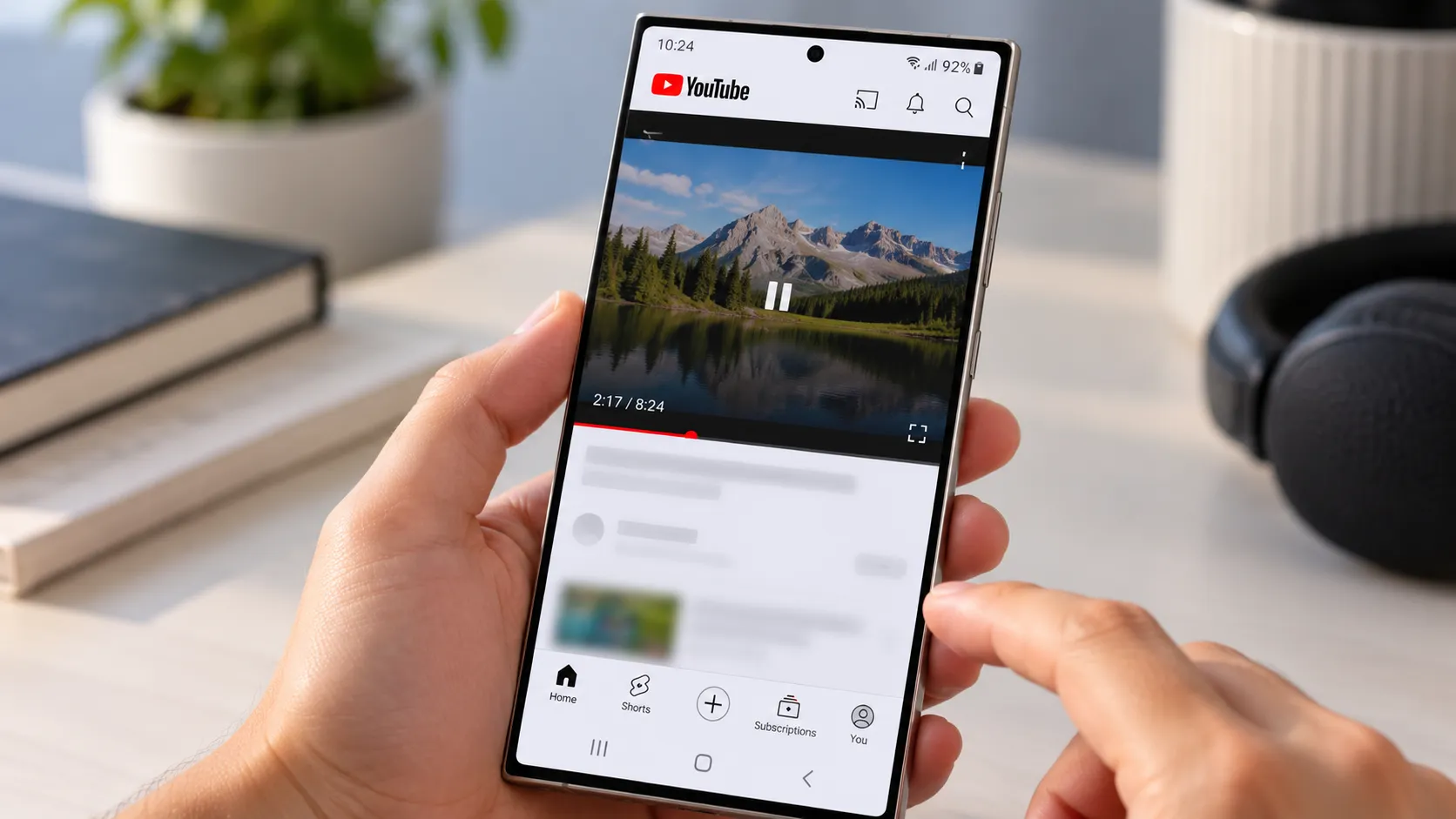
Samsung's structural advantage is ecosystem breadth. Android Authority noted in its hands-on that Google's sustained work on making Android apps adapt to unconventional display shapes pays off concretely on the Fold 8: YouTube, Kindle, X, Instagram, and standard messaging apps all handled the device's proportions without obvious friction. That foundation matters directly for a three-app layout. If apps misbehave at compressed pane widths, rendering text too small or refusing to reflow, the split mechanism stops working regardless of how well Samsung engineered the transitions.
OnePlus manages compatibility against a curated app ecosystem and a smaller installed base. Samsung ships to a vastly larger audience with a far wider range of third-party apps in active use. Whether the 90:10 compressed pane holds up across that breadth of software, not just the apps reviewers test in controlled sessions, is the question full reviews will need to stress-test.
Samsung's Now Nudge AI feature has also been updated to launch directly into a split-view format on foldables rather than interrupting a full-screen session, according to PCMag. It's a small integration, but it suggests Samsung is designing its AI layer around the assumption that Fold users will routinely have multiple apps open, treating split-screen as a default mode rather than an advanced feature most people never find.
What comes next for Galaxy Z Fold 8 multitasking
Three questions will shape how this feature lands beyond launch week.
First, whether Samsung updates its official documentation to reflect the standard Fold 8's expanded capabilities. Right now, Samsung's One UI 9 page calls out split-view support on the Ultra without making the same explicit case for the standard model's additional three-column layout. Buyers comparing the two devices on Samsung's own marketing won't find that distinction spelled out.
Second, whether the three-app layout eventually extends to older foldable models through a software update. Nothing in the available information suggests Samsung has announced any such rollout, but the question will come up once reviewers spend more time with the feature.
Third, and most immediately, whether extended testing surfaces app compatibility failures at narrow pane widths. Hands-on reports cover a short list of primary apps under controlled conditions. Real-world use brings a wider range of software, more varied switching patterns, and edge cases that brief preview sessions don't reach.
The feature exists and works on review hardware. Whether it holds up under the pressure of full reviews, and across the full breadth of apps Fold users actually run, is what the next few weeks will determine.

Comments
Be the first, drop a comment!