





Galaxy Z Flip 8 Last Samsung Foldable: What It Means for Western Buyers
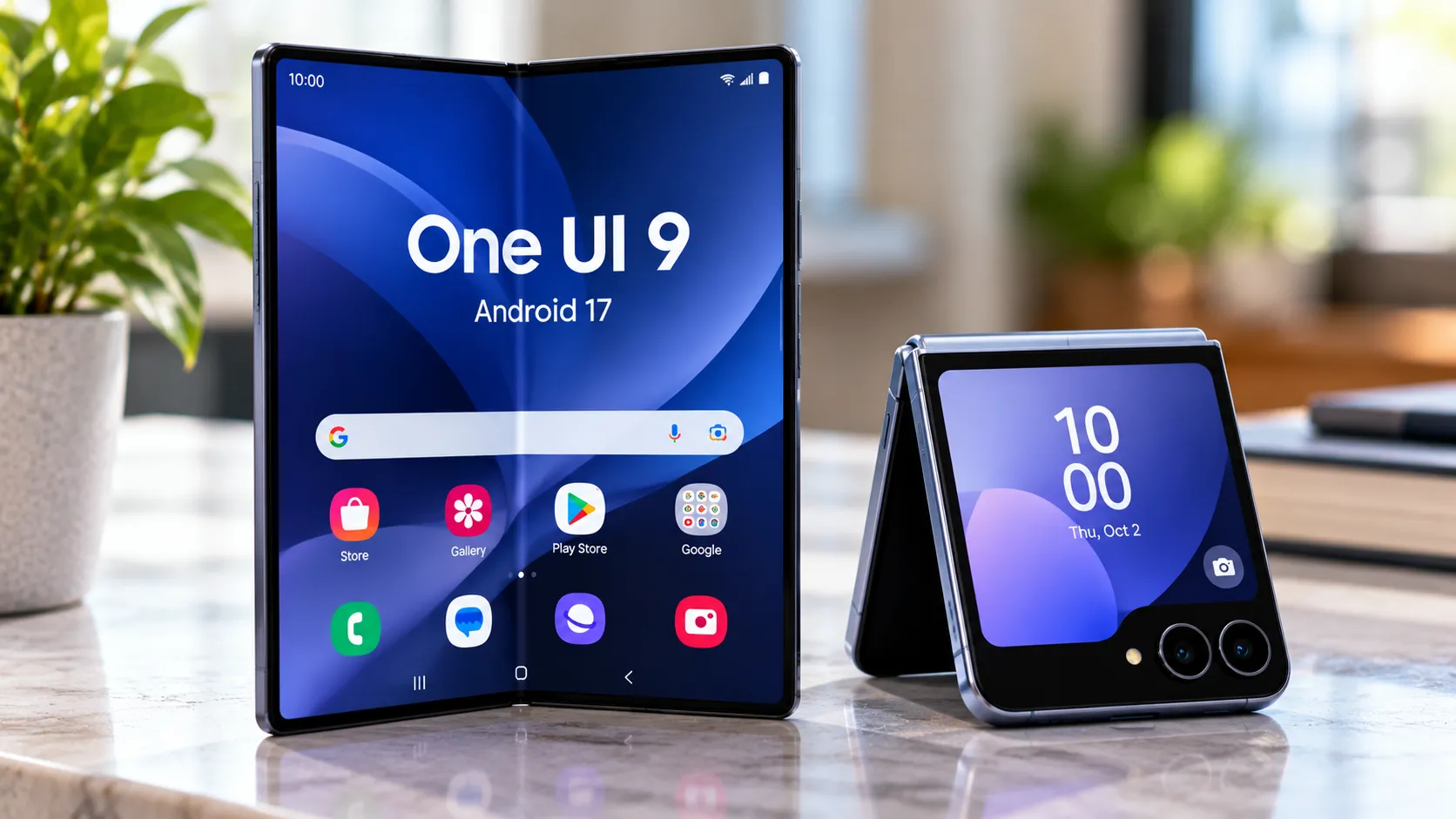
The Galaxy Z Flip 8 last Samsung foldable rumor is unconfirmed. Samsung hasn't said a word about ending the line. What it has done is allocate 2.8 million display panels to its new Wide Fold, 2 million to the Fold 8 Ultra, and 1.5 million to the Flip 8, dead last in its own lineup, according to industry sources cited by TrendForce this week. Reports from Android Police and SamMobile from earlier this month suggest the Flip 8 could be Samsung's final clamshell. Neither has confirmed it.
The argument here isn't about whether the cancellation happens. It's about what the rumor reveals. The production hierarchy, the reported sales momentum shifting toward the Fold, the near-absence of clamshell competition in the US and UK: those conditions are real right now, regardless of what Samsung announces next. A Samsung exit from compact foldables wouldn't damage the global foldable market, which is showing genuine resilience. It would damage the clamshell segment in Western markets specifically, because that segment has never built the competitive depth to survive without Samsung's weight behind it.
Samsung's pivot is coming from strength, not failure
The wrong reading is that Samsung is retreating from a failing product. That is the wrong reading, and correcting it matters, because the real story is more consequential.
Samsung grew its foldable shipments 25% year-on-year in Q2 2026, driven by strong demand for the Fold 7 and Flip 7, per Smart Analytics Global data reported by the Times of India this week. Analysts believe the Fold 8 lineup could help Samsung reclaim global foldable leadership in the September quarter. This is a company making calculated choices from confidence, not cutting its losses.
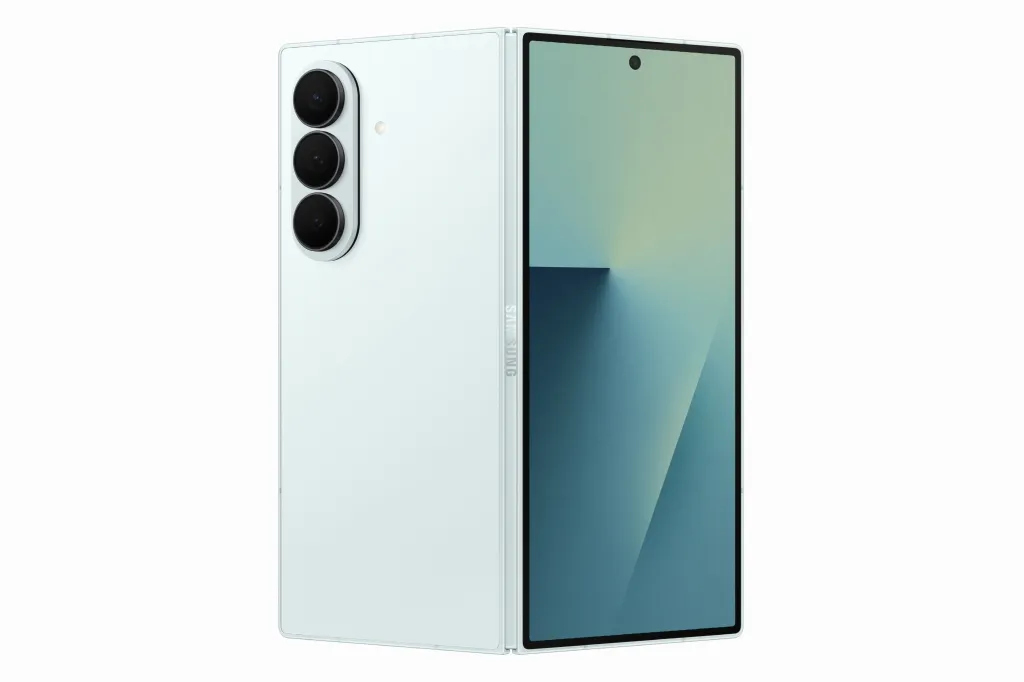
The pivot Samsung appears to be making is toward book-style foldables as the primary volume driver. The Wide Fold, a wider and more affordable book-style device targeting first-time foldable buyers, is now reportedly planned as the highest-production model in the lineup, per ETNews via TrendForce. Samsung has also confirmed a titanium-based display structure aimed at reducing creases and improving durability, two criticisms that have slowed mainstream foldable adoption since the original Galaxy Fold launched in 2019, as the Times of India reported. Samsung isn't abandoning foldables. It's betting the mainstream opportunity lives in a different shape.
That bet tracks with where global demand is concentrating. Huawei captured roughly 48% of the global foldable market in Q2 2026, a lead built almost entirely on China's emergence as the world's largest foldable market, according to the same Smart Analytics Global data. Honor posted 82% year-on-year shipment growth in the same quarter after expanding its book-style Magic V6 lineup. The format dominating that market is the book-style device, and Samsung is reading the same numbers.
SamMobile reported earlier this month that the Fold lineup is now outselling the Flip, a shift that would have seemed improbable a few years ago when the compact clamshell was considered the more accessible entry point. Android Police argues the Flip's design innovation effectively peaked with the Z Flip 5, with subsequent models adding refinements rather than reinventing anything. Not a damning verdict on the product. A reasonable explanation for why Samsung's engineering attention is moving elsewhere.
Galaxy Z Flip 8 last Samsung foldable: why the US and UK bear the real cost
This is where the global foldable story and the Western buyer story split apart, and the gap between them is the whole argument.
In China, Huawei, Honor, and a range of aggressive domestic OEMs are driving the book-style foldable boom through intense competition, fast product cycles, and genuine hardware iteration, as the Times of India reported. None of that competitive energy translates to the US or UK. Those brands are either unavailable or unsupported in Western retail. The engine driving global foldable progress simply doesn't exist in Western clamshell retail.
Which leaves buyers in those markets with two credible options: Samsung or Motorola. Android Police stated this plainly earlier this month. The problem is how thin that field is, and what it means when one player steps back.
Motorola has three compact foldable models in its 2026 range, which sounds like meaningful coverage. Android Police reviewed the Razr (2026) and found it nearly indistinguishable from its 2025 predecessor, which itself hadn't moved significantly from the year before. Motorola also held the number three global foldable position in Q2 despite weaker shipments, reflecting a slower product cycle, per the Times of India. Three SKUs is breadth. It isn't innovation pressure.
Samsung's role in the clamshell market goes well beyond occupying one shelf position. Its scale shapes whether carriers promote foldables, bundle them into upgrade plans, or staff retail displays to demonstrate them. It shapes whether accessory makers invest in clamshell-specific products. It shapes whether app developers optimize for the form factor. And it creates the annual competitive pressure that forces Motorola to improve or fall behind. Remove that anchor and the segment doesn't evolve more slowly; it largely stops, because Motorola's recent Razr iterations suggest it moves faster when it has to, and not otherwise.
What this means for anyone buying a compact foldable now
Overall foldable shipments fell just 2% year-on-year in Q2 2026 despite a broader smartphone market down roughly 8%, per Smart Analytics Global data via Times of India. Foldables as a category are holding up. But that resilience is concentrated in book-style devices and in markets where competition drives real iteration. The US and UK clamshell segment doesn't have that engine.
For buyers considering a compact foldable right now, the practical stakes are concrete. A shrinking competitor base means fewer incentives for carriers to promote the format, thinner accessory ecosystems as manufacturers hedge against a contracting market, and less developer motivation to optimize apps for the clamshell form factor. Pricing pressure also tends to ease when competition does. With Motorola holding an uncontested position, there's less structural reason to cut prices or accelerate upgrade cycles to win market share that isn't being contested. None of this makes the Flip 7 or current Razr a bad phone. They're genuinely capable devices. But it's relevant context for how much confidence to place in the long-term upgrade path.
The counterargument worth taking seriously is Android Police's own: ending the Flip is probably the right call, and stepping back to return with a genuinely reinvented product in 2028 beats pushing another incremental update. That logic holds, but only if someone credible holds the segment together in the meantime. Motorola's recent track record suggests it won't stretch to fill that role.
Apple's expected entry into foldables from 2027, per Smart Analytics Global forecasts via Times of India, may shift the calculus eventually, but Apple's foldable is expected to be a large-screen book-style device. It would accelerate book-style adoption, not rescue the clamshell segment.
SamMobile notes that signals about Samsung's next foldable lineup typically surface in early 2027. If no Flip 9 indications appear by then, the rumors will have been right. At that point the question shifts: not whether Samsung made the right call for Samsung, but whether Western compact foldable buyers were left with anything worth calling a market.


Comments
Be the first, drop a comment!