





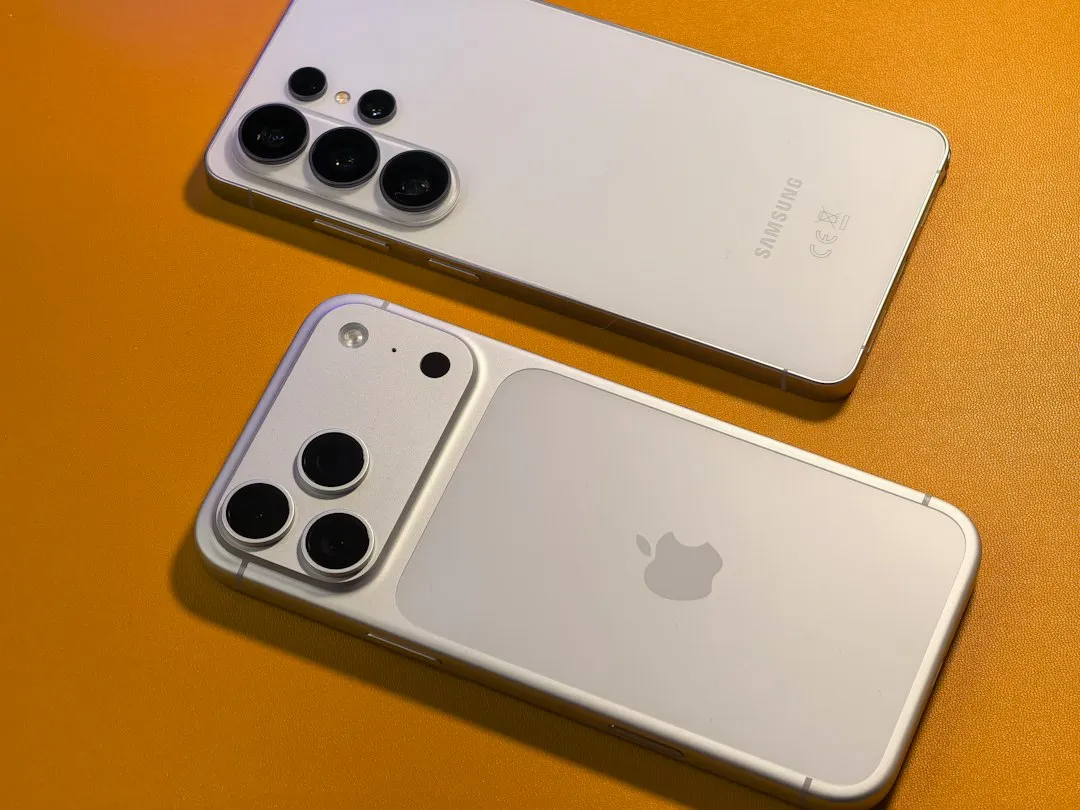
Samsung says combined European sales of the Galaxy Z Fold 8 and Z Fold 8 Ultra climbed 45% compared with the Z Fold 7, a number it published in a company blog post on Oct. 22. The timing is hard to ignore: Samsung released that figure just one day before Apple's first foldable, the iPhone Duo, reached store shelves on Oct. 23.
That overlap raises the question running through this story: Is the iPhone Duo boosting Samsung Galaxy Z Fold 8 sales, or is Samsung simply having a strong launch year on its own merits?
Samsung's own numbers can't settle that cleanly. The 45% figure covers the nine weeks following the Z Fold 8's Aug. 7 launch, measured against an equivalent nine-week stretch for the Z Fold 7 in 2025. Apple didn't unveil the iPhone Duo until Sept. 9, more than a month into that window, so the aggregate number blends sales from before Apple's event with sales from after it. Samsung hasn't split the two apart.
One data point does line up almost perfectly. Samsung reported that European search interest in its foldables jumped 460% during the week of Sept. 6-12, the same week Apple unveiled the iPhone Duo. That's the strongest circumstantial evidence in this story. It's also a search spike, not a confirmed sale, and Samsung hasn't published anything tying that traffic to actual purchases.
What follows is a look at what Samsung's sales and search figures actually measure, where the gaps sit, and what matters if a Z Fold 8 or iPhone Duo purchase is on the table right now.
What Samsung's 45% Galaxy Z Fold 8 sales increase actually measures
The 45% figure combines two current-generation models, the Z Fold 8 and Z Fold 8 Ultra, and measures their combined European sales against sales of a single prior-generation model, the Z Fold 7, over an equivalent nine-week window a year earlier.
That's an asymmetry worth examining. Having two models on shelves instead of one can lift a combined total independently of how much demand has grown for either individual model.
Samsung hasn't published a model-by-model breakdown that would separate those effects.
A clearer comparison would need model-level figures, a pre-event versus post-event split within that nine-week window, and independent unit-sales estimates to check Samsung's numbers against. None of that is available in Samsung's announcement.
Samsung also pointed to a separate figure: US preorders for the Galaxy Z8 series were reportedly running 30% above last year's models, according to Ars Technica.
That's a different market and a different metric. Preorders aren't necessarily completed sales, so the number shouldn't be read as confirming the European percentage, even though both figures point in the same direction.
There's a selective-disclosure wrinkle, too. Samsung hasn't shared comparable sales figures for the Z Flip 8 in this announcement. Ars Technica also noted Samsung's earlier statement that larger, book-style foldables accounted for roughly 80% of its foldable purchases.
The 45% sales figure and search data come from Samsung's own announcement, while the US preorder figure comes from an earlier company update. No independent market-research firm has confirmed the underlying unit sales in the cited reporting.
None of this means Samsung is wrong that interest is up this year. It means the headline number is self-reported, compares different product lineups, and isn't proof that Apple's announcement caused any specific increase.
Why the Samsung Galaxy Z8 search volume surge isn't proof of sales
Samsung says searches for its foldables across 31 European markets rose more than 260% in September compared with August, with the sharpest weekly increase, 460%, occurring Sept. 6-12 compared with Aug. 30-Sept. 5.
Those comparison periods matter. The 260% figure is a month-over-month increase, while the 460% figure compares consecutive weeks. Neither is a year-over-year sales measurement.
The weekly spike lines up with Apple's Sept. 9 reveal almost exactly. Samsung's announcement highlights the increase in interest without explicitly attributing it to Apple.
The timing is consistent with greater attention to foldables around Apple's event. It doesn't show whether that attention turned into purchases, and Samsung hasn't released conversion data that would answer the question.
Search volume can be an early indicator of consumer interest, but it isn't a direct measure of sales.
Someone curious about foldables because of the iPhone Duo could search Samsung's name to compare specifications, check reviews, or look at prices before ultimately buying Apple's device anyway.
A spike in searches for Samsung foldables during Apple's launch week suggests a possible connection between the two events. It doesn't establish that Apple's announcement caused the increase or show which company's phones shoppers eventually bought.
That distinction matters more here than in a typical sales report. Samsung would need to publish, or have a third party verify, some measure of how that search traffic converted into completed transactions before the 460% figure could support a claim about additional revenue.
As of now, that evidence hasn't been provided.
Why Apple's launch could send buyers toward Samsung
Samsung has been selling foldables since 2019, years before Apple shipped its first one. That head start means anyone who gets curious about foldables because of Apple's event has an established alternative already on store shelves, backed by several generations of hardware and software refinement.
Price adds to the picture. The Z Fold 8 carries a US starting price of about $1,900 and has already been discounted at some retailers since launch, while the iPhone Duo starts at $1,999.
Check live listings before assuming either price still holds, since promotions and carrier offers can change the effective cost. Still, a roughly $100 starting-price gap combined with existing discounts gives comparison shoppers a reason to consider Samsung.
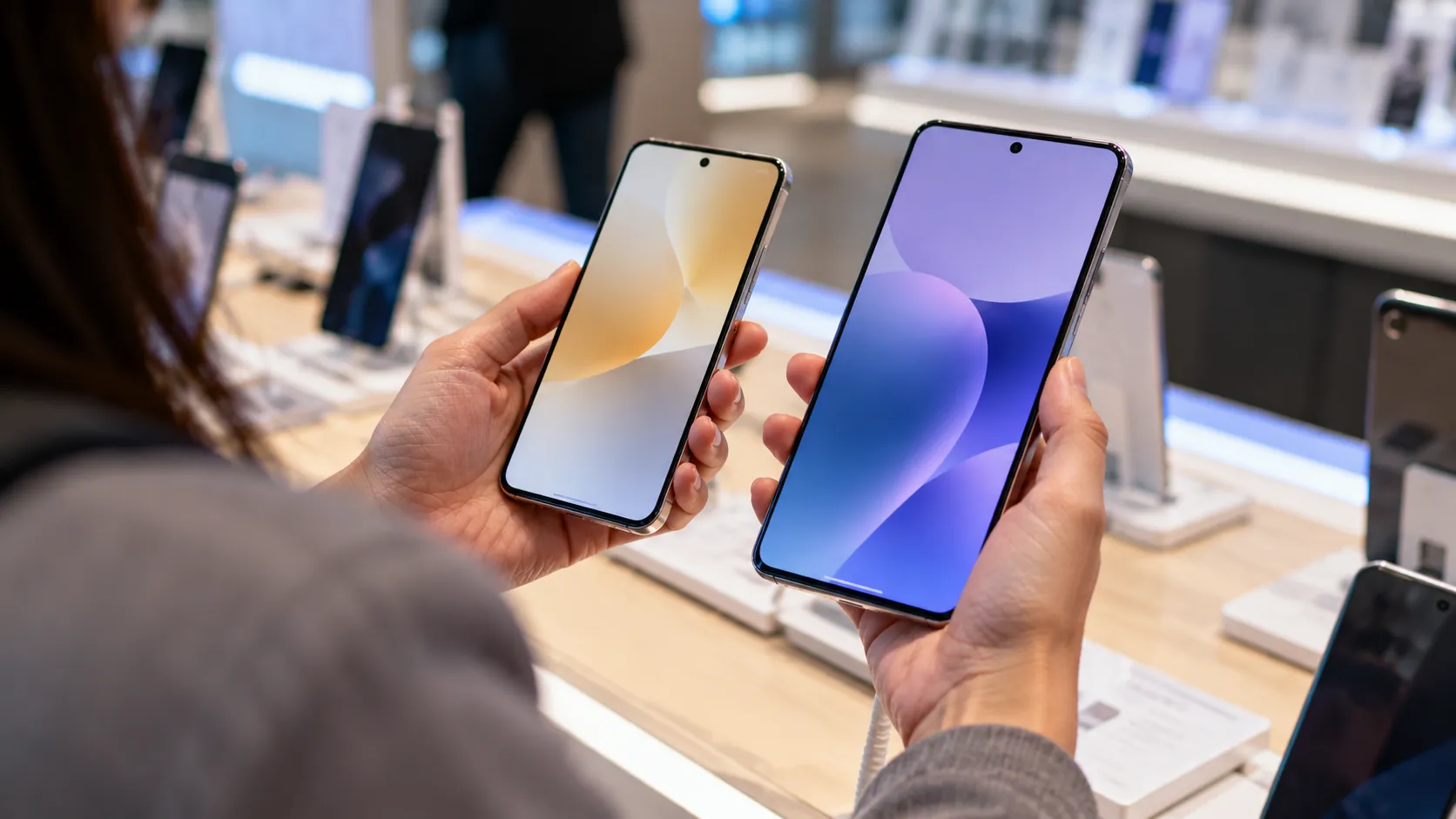
The two devices also sit in the same book-style category. The iPhone Duo's inner display measures 7.6 inches diagonally, while its outer display measures 5.4 inches, according to Apple. The actual viewable area is smaller because of the rounded corners.
Samsung has previously said its larger, book-style foldables make up roughly 80% of its foldable purchases, which means much of the demand Samsung already sees is concentrated in the form factor Apple has just entered.
There's a supply-chain connection on top of that. The iPhone Duo relies on components used across the foldable category, including Samsung-made displays, according to Ars Technica.
Apple's launch therefore isn't necessarily a pure loss for Samsung's broader business, even when the two companies compete directly for handset buyers.
What Samsung hasn't confirmed, and what comes next
The central figures, the 45% sales increase and the 260% and 460% search spikes, come from Samsung's Oct. 22 announcement. The US preorder increase comes from an earlier company disclosure.
None has been independently verified against unit-sales data in the cited reporting.
Samsung does identify the 31 European markets covered by its search analysis and the comparison periods used. However, it doesn't disclose the underlying search volumes, individual search terms, or methodology used to calculate those changes.
That doesn't make the figures false. It means they should be read as company-reported performance indicators rather than independently audited results.
The timing of the announcement is worth noticing on its own. Publishing the sales and search figures one day before the iPhone Duo's Oct. 23 retail debut put Samsung's strongest growth numbers in front of shoppers just as Apple's device became available to buy.
That's consistent with a competitive marketing strategy, not evidence of anything deceptive. But it's worth recognizing the announcement as company messaging rather than neutral industry research.
What's genuinely missing is comparable data from after Oct. 23.
The figures published so far don't show whether the iPhone Duo is converting its launch interest into sales or whether Samsung's momentum will continue now that Apple's device is available in stores.
That head-to-head comparison isn't established by the data Samsung has released.
What to check before choosing between the two foldables
None of Samsung's sales or search figures says anything directly about build quality, camera performance, hinge durability, or long-term reliability.
They measure reported sales momentum and search interest, which are different from how either phone performs after a year of daily folding.
Treat them as market-interest signals, not purchase recommendations.
For anyone deciding between a roughly $1,900 Z Fold 8 and a $2,000 iPhone Duo, a few concrete checks matter more than either company's reported growth:
Independent reviews. Look for hands-on testing of camera output, folding mechanisms, battery life, and display durability on both devices. Longer-term reliability requires evidence beyond launch reviews.
Platform lock-in. Factor in how invested you already are in iOS versus Android, including apps, accessories, and services you'd lose by switching.
Current retailer pricing. List prices can change through promotions. Check live deals and carrier offers rather than relying only on launch prices.
Trade-in value. Get a quote for your current phone from more than one retailer before assuming either company's trade-in offer is the best available.
Return window. Confirm how long you have to return or exchange the device if the foldable form factor doesn't fit your daily use.
Buy based on independent testing, platform fit, current pricing, and return policies, not on either company's self-reported momentum.
Samsung's 45% sales increase and 460% weekly search spike are worth watching as indicators of growing foldable interest. But they don't establish that Apple's announcement drove Samsung's sales, and they shouldn't tip the scale between two specific phones without independent, post-launch evidence.

Comments
Be the first, drop a comment!