



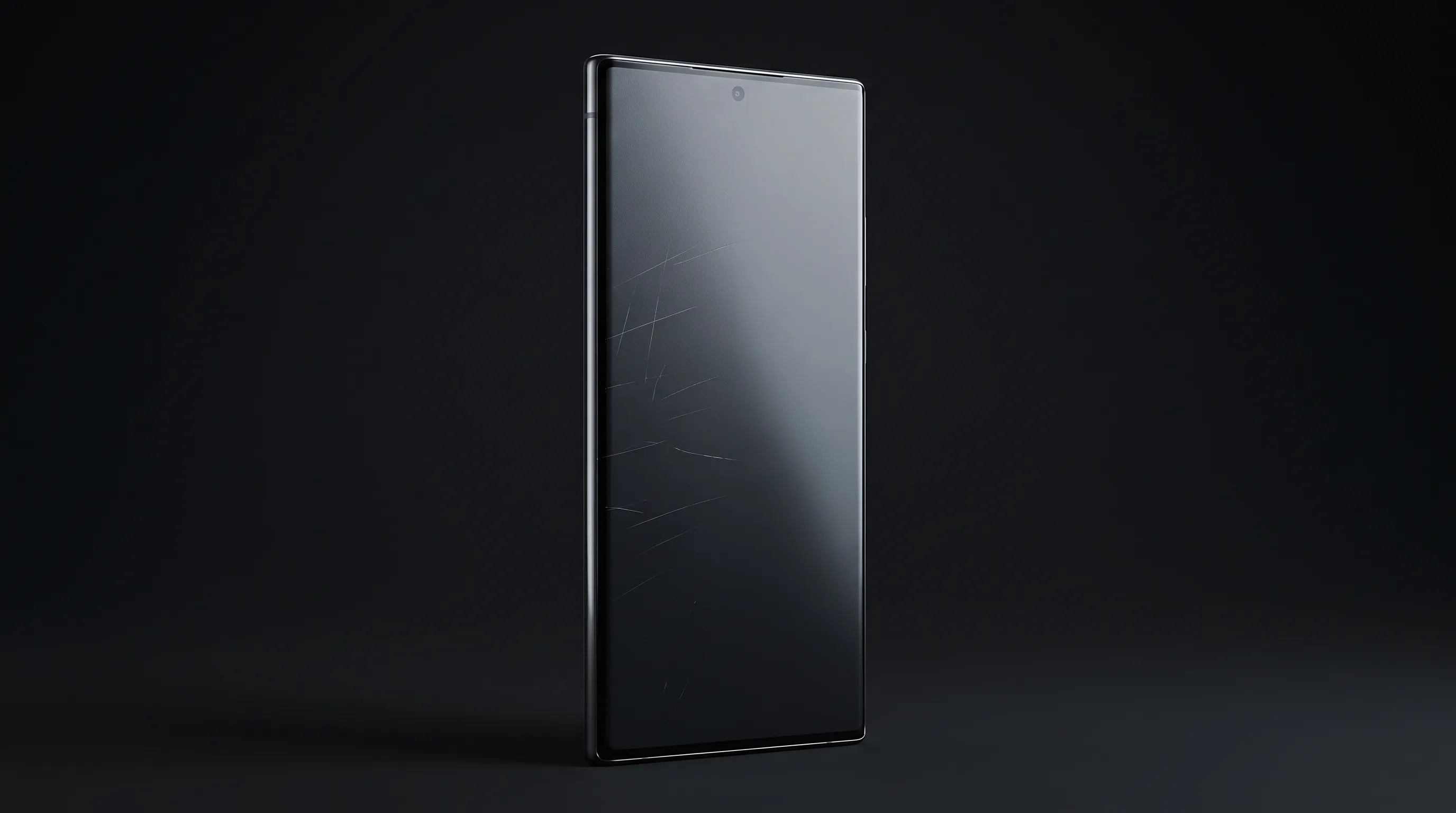
Samsung's next Ultra phone could tackle one of the most annoying parts of going without a screen protector: the tiny scratches that build up through everyday use. A new rumor claims Samsung and Corning are developing a self-healing surface coating that may appear on the Galaxy S27 Ultra.
The claim, posted Aug. 21 by tipster Schrödinger and reported by Android Authority, points to a future generation of Gorilla Armor that could recover from some micro-scratches instead of relying solely on scratch resistance. Neither Samsung nor Corning has announced the technology, and Samsung's existing display patents do not confirm it for the S27 Ultra.
Does the Galaxy S27 Ultra have a self-healing display?
Not officially. The leak claims Samsung and Corning are working on a self-healing Gorilla Armor coating, but basic details remain unknown, including whether working samples exist, what the material would be called and where Samsung would use it on the phone. The original claim does not clearly establish that the coating is intended for the front display rather than another glass surface.
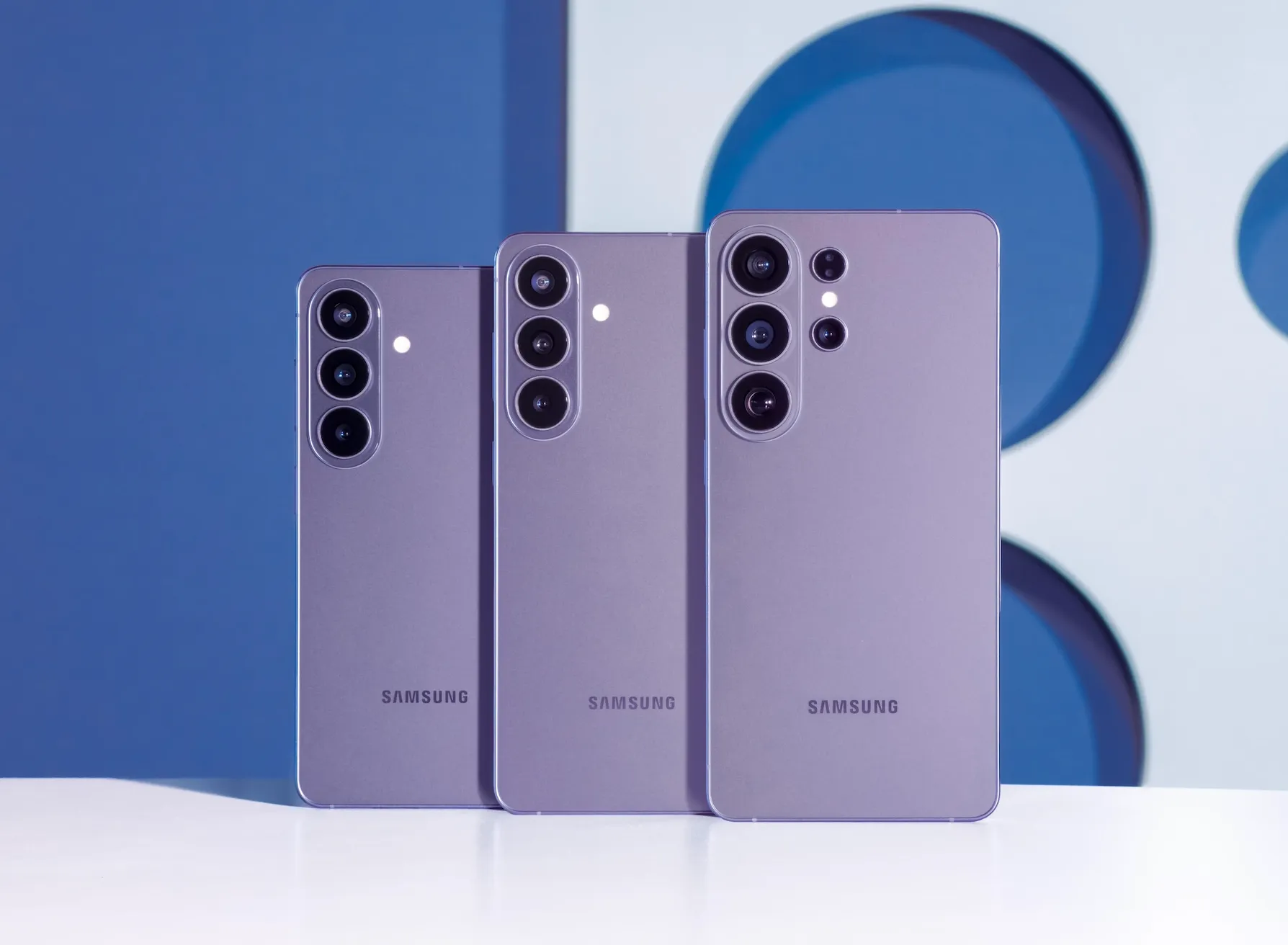
A new Gorilla Armor technology debuting on an Ultra phone would at least follow an established pattern. The Galaxy S24 Ultra introduced the original Gorilla Armor in 2024, and Corning currently lists the Galaxy S26 Ultra with Gorilla Armor 2.
That history makes the rumor plausible. It does not make self-healing glass a confirmed Galaxy S27 Ultra feature.
Samsung's patent makes the outer screen layer replaceable
Samsung Display has explored other ways to deal with damaged screens, but its patent work describes repairability rather than a display that heals itself.
A Samsung Display patent family with priority dating to Dec. 24, 2020 describes a display window with a temperature-responsive polymer layer and a replaceable protective surface. One U.S. application in the family was granted as US 12,539,689 in February 2026.
Heating the polymer changes its adhesive properties so the damaged outer layer can be removed. After the material cools, a replacement layer can be attached. The patent also describes implementations involving folding areas, making the concept relevant to flexible displays.
None of that amounts to self-healing. The damaged protective layer still has to be removed and replaced.
Samsung's other patent repairs scratches with a laser
Samsung Display has also patented a different approach that repairs the glass itself.
Its glass-repair patent, US 12,428,339, was filed July 19, 2022 and granted Sept. 30, 2025. The method positions scratched glass with the damaged surface facing downward and directs a laser through the opposite side, with a heating plate used in some configurations.
Heat melts a small amount of glass around the damaged area, while gravity helps the molten material move into the scratch.
The method requires external equipment and careful positioning, so it describes a controlled repair process rather than technology inside a phone that fixes scratches on its own. Samsung's patent also discusses damage that can occur during display manufacturing, suggesting the technique could be useful before a device ever reaches a customer.
Researchers built a coating that heals scratches in seconds
A genuinely autonomous self-healing coating has already been demonstrated, but there is no established Samsung connection.
Researchers at the Korea Institute of Industrial Technology and Hanyang University developed a material designed to combine a hard exterior with the ability to repair surface damage. The work appeared in the Jan. 1, 2026 issue of Chemical Engineering Journal.
According to Hanyang University's summary of the research, the coating reached 4H pencil hardness and repaired scratches within about 10 seconds at room temperature. It also survived more than 200,000 bending cycles at a 1.5 mm radius without damage.
The material uses an imide-based additive that creates a harder region near the surface while leaving the underlying material flexible enough to repair damage.
That is much closer to what "self-healing display" normally suggests: minor surface damage disappearing without replacing the coating or using external repair equipment. But the research does not identify Samsung as a participant or adopter, so it is not evidence that this material will appear in a Galaxy phone.
What the S27 Ultra rumor still doesn't prove
The Aug. 21 leak is more relevant to the Galaxy S27 Ultra than Samsung's patents because it directly claims Samsung and Corning are developing a self-healing coating for a future generation of Gorilla Armor. The patents describe different technologies and do not independently verify that claim.
Samsung's replaceable-layer technology lets a damaged protective surface be swapped out. Its laser patent describes an external method for repairing scratched glass. The independent Korean coating can repair minor scratches on its own, but no public evidence connects that material to Samsung.
The Samsung-Corning leak is therefore the strongest direct indication so far that self-healing technology could reach the Galaxy S27 Ultra. Until either company confirms the material, its capabilities and where it would be used, it remains a compelling possibility rather than a confirmed feature.

Comments
Be the first, drop a comment!