





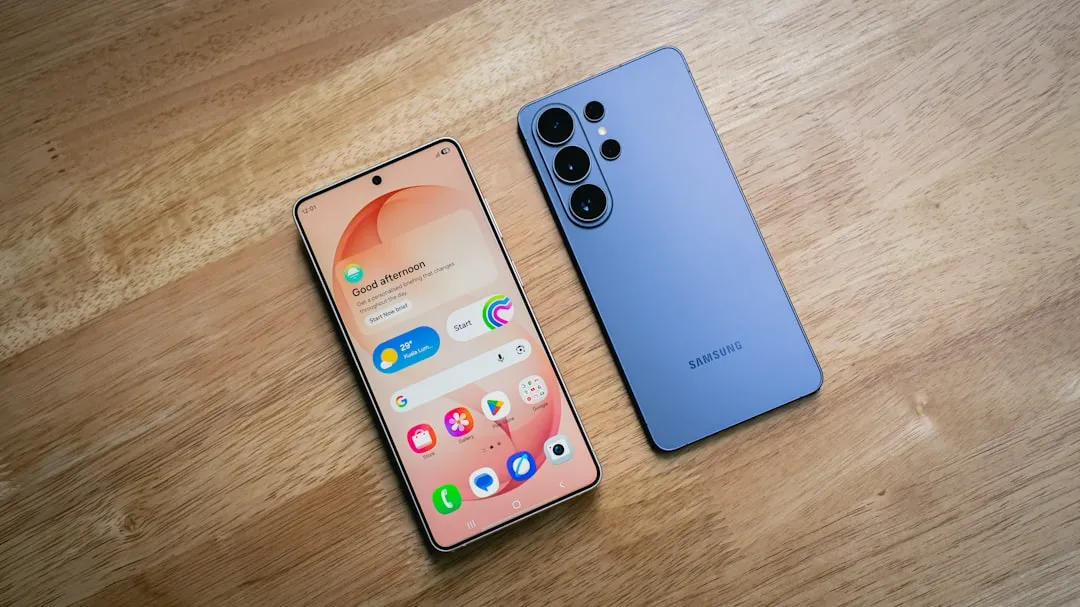
Samsung's headline number from the S26 launch was a 29% sales increase over the S25 series in the first three weeks. The number that tells the more interesting story is 71%. According to Counterpoint Research data reported by Android Police last month, seven out of every ten U.S. buyers who purchased a Galaxy S26 in that window chose the Ultra, a share that grew by 10 percentage points compared to the S25 Ultra's cut of its own lineup. Galaxy S26 Ultra sales success was visible even before launch: U.S. pre-orders climbed nearly 25% across carriers and major retailers, per Samsung Newsroom US. The commercial signal arrived early and was unambiguous.
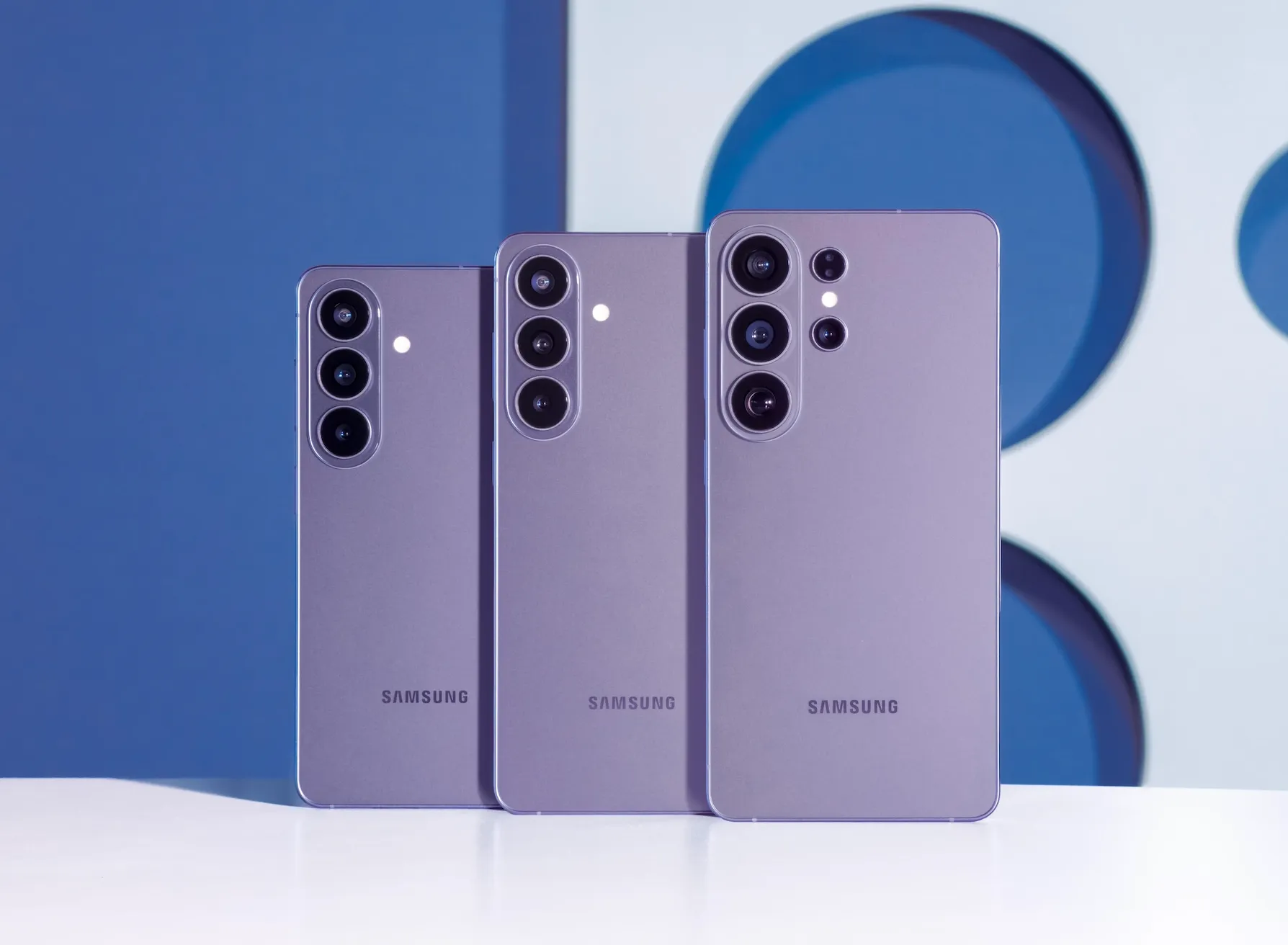
This is not an argument against the Ultra. The Ultra sold because Samsung made it the only model worth buying if you want Samsung's best, and that design choice is precisely what makes the sales result a problem. When a lineup's premium tier captures 71% of sales and grows its share year over year, it hands the manufacturer a clear lesson about where to concentrate future investment. The buyers who feel the consequences of that lesson most directly are not the people who bought the Ultra. They are everyone who buys a Samsung flagship below it next time.
Samsung designed the imbalance, then measured it
The Ultra's sales concentration was not accidental. By Samsung's own account, the S26 Ultra introduced what Samsung describes as the world's first built-in Privacy Display for smartphones, and Samsung Newsroom US reported that this feature was driving more interest in social media conversations than anything else in the S26 lineup.
That feature is exclusive to the Ultra. So is the customized Snapdragon 8 Elite Gen 5 chip, which Samsung Newsroom claims delivers performance gains of 19% CPU, 24% GPU, and 39% NPU over the prior generation. Samsung heavily marketed the customized Snapdragon 8 Elite Gen 5 for Galaxy as part of the Ultra pitch, although some launch materials indicate Snapdragon variants also power certain S26 and S26+ markets.
Samsung positioned the customized chipset as an Ultra feature; the base S26 and S26+ are not described as sharing it. Samsung positioned APV professional-grade video codec support around the Ultra launch
These are Samsung's claims from its own launch materials and should be read as positioning rather than independent evaluation. The sales data from Counterpoint Research validates the strategy's effectiveness on its own terms: the model with a display exclusive, a custom chip tier, and pro-video capability captured nearly three-quarters of the lineup. No marketing credulity required.
Trade-in credits of up to $900 during launch promotions pushed buyers further in the same direction. Promotions like these compress the apparent price gap between tiers, which means some buyers who chose the Ultra did so because it felt like a modest step up rather than a significant one. The sales signal Samsung received was amplified by its own pricing structure. Samsung received it just the same.
What the 71% figure actually tells Samsung about the S27
A manufacturer whose most expensive model takes 71% of a lineup's sales, and grows that share by 10 points in a single generation, receives a clear lesson: exclusive features at the top tier convert buyers more efficiently than distributing capability across the lineup. The rational response is not to widen access. It is to protect and extend the exclusivity that drove the result.
For buyers who don't want or can't justify an Ultra, this plays out in concrete product terms. Display technology like the Privacy Display, chip binning decisions that determine which processor goes into which tier, camera and video capabilities like APV support, these are exactly the kinds of features that get reserved for the Ultra first.
The base and Plus models eventually receive versions of these capabilities, but often arrive later on lower tiers from the previous Ultra cycle, not as Samsung's current best work. The phones don't become bad. They become increasingly capable in the prior generation's terms, while the Ultra sets a new standard they weren't built to match.
The gap is self-reinforcing. Each year, the Ultra takes a larger share of lineup revenue, and Samsung has a stronger financial reason to concentrate its most expensive new technology there. The base S27 buyer isn't getting a worse phone than the base S26 buyer did. They're getting a phone that's further behind the Ultra than the S26 was behind its Ultra, and that distance is what compounds quietly over time.
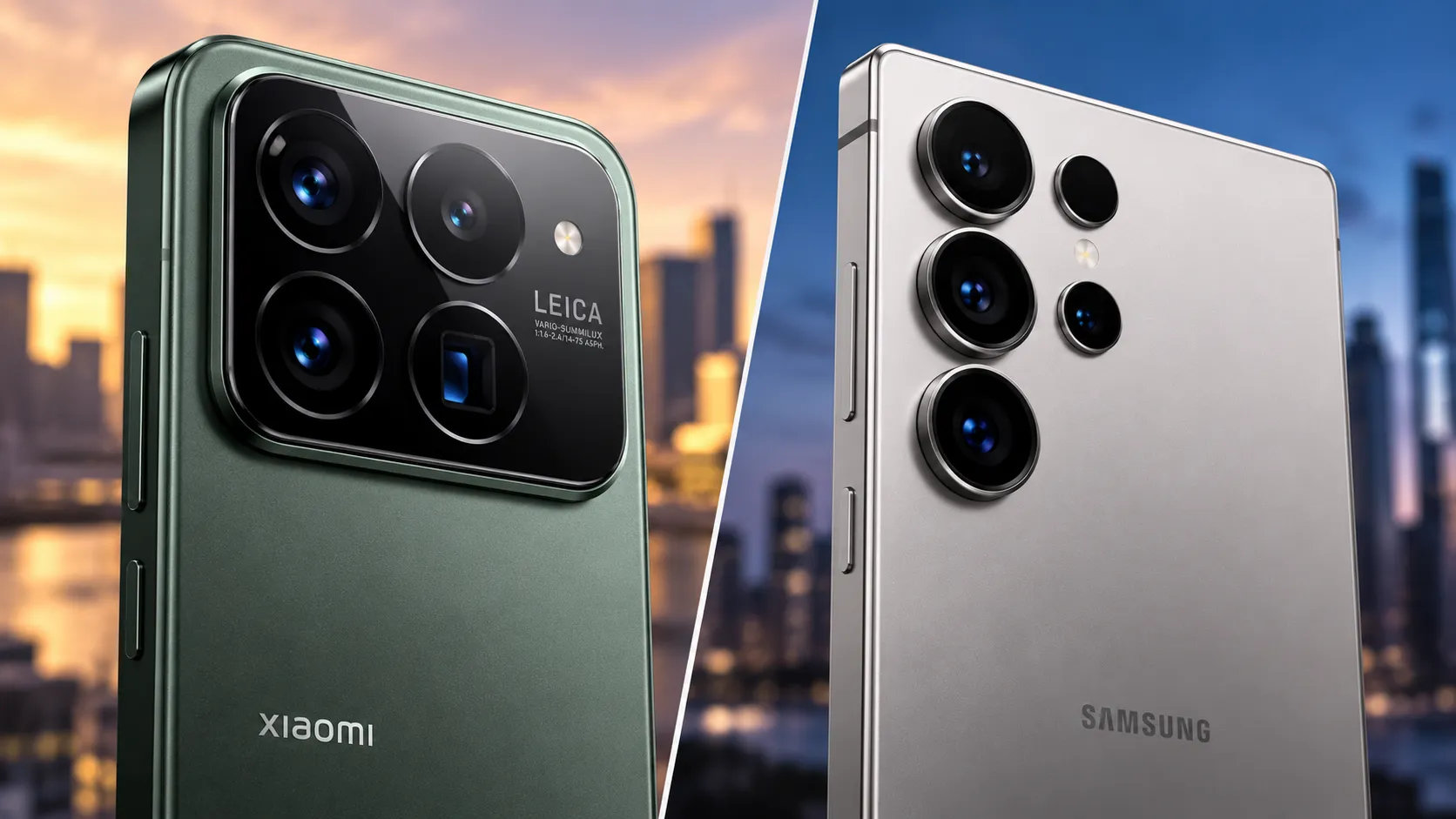
The competitive pressure that might slow this tendency is weakening. Preliminary full-year 2025 data from IDC shows Apple and Samsung together expanded their combined global market share from 37% to roughly 39%, both reaching all-time high average selling prices. Over the same period, Xiaomi's share slipped from 13.6% to 13.1%, and the broader "Others" category fell from 31.9% to 30.4%. When the vendors most likely to pressure Samsung from below are losing ground, Samsung has less reason to overdeliver in the lower tiers.
Why Galaxy S26 Ultra sales success is bad for everyone else
The obvious objection is that 71% reflects a preference, not a manipulation. Buyers looked at three phones, and most chose the most capable one. 9to5Google noted last month that the mobile market as a whole saw roughly 5% growth in the weeks following the S26, Galaxy S25, and other flagship launches, though that figure encompasses multiple launches and should be treated as approximate. If consumers got what they wanted and Samsung sold more phones, what are the implications for lower-tier buyers?
That reading is accurate for individual transactions and is beside the point for everything else. Nobody is arguing buyers were misled or that the Ultra is a bad product. The argument is about what happens to buyers who didn't choose the Ultra once Samsung internalizes what a 71% result means for lineup investment going forward.
Consumer choice at the point of purchase doesn't constrain Samsung's product decisions for future generations. It informs them. When the Ultra's share grows by 10 points in one year, Samsung learns that concentrating its best hardware in the top tier is a sound strategy. The base and Plus models don't exist in isolation from that lesson; they get built in its shadow.
The limits of the evidence are worth naming. The 71% figure covers a three-week U.S. window; it may not hold globally or across a full sales cycle. The competitive market data from IDC is preliminary and global, while the sales mix data is U.S.-specific and early-cycle, so the two arguments don't map perfectly onto each other.
Actual pricing for the S26 series isn't available in the sources used here, so it isn't possible to calculate precisely how much of the apparent tier gap trade-in credits are absorbing. These gaps mean the argument is directional, not definitive. What they don't change is the direction of the incentive Samsung has just been handed, and the fact that the incentive grew stronger between the S25 and S26 cycles, not weaker.
A skepticism test for the next Samsung launch
IDC warned earlier this year that the memory shortage crisis, which it called an unprecedented supply chain disruption, is expected to cause the smartphone market to contract in 2026, with rising component costs pushing average selling prices higher. IDC also noted that larger manufacturers will be better positioned to secure favorable supply terms in that constrained environment. Samsung enters this market having just confirmed that its most expensive flagship model is also its most commercially efficient one. Scale advantage plus a clear premiumization signal points toward one conclusion: more reason to reserve the best hardware for the Ultra.
The S26 Ultra's dominance is a strategy signal hidden inside a strong sales story. The specific thing to watch at the S27 launch isn't price. It's architecture. Three questions will indicate whether the pattern the S26 established is hardening into something more durable.
Does the S27 Ultra again receive meaningful hardware exclusives, a custom chip tier, a display capability, and a new sensor class that the base and Plus models don't?
Does the base S27 represent a genuine capability advance, or does it largely absorb features the prior Ultra introduced?
Are trade-in offers compressing the apparent price gap in a way that obscures a widening capability gap underneath?
If the answers at the S27 launch look like the answers at the S26 launch, this year's result wasn't a happy accident. For non-Ultra buyers, the tell would be a base S27 that gains the Privacy Display, while the Ultra debuts something else the base model won't see for another generation.
That's the pattern to watch. If the S26 Ultra's dominance repeats, it will have been the moment Samsung learned a lesson it has every incentive to keep applying.


Comments
Be the first, drop a comment!