





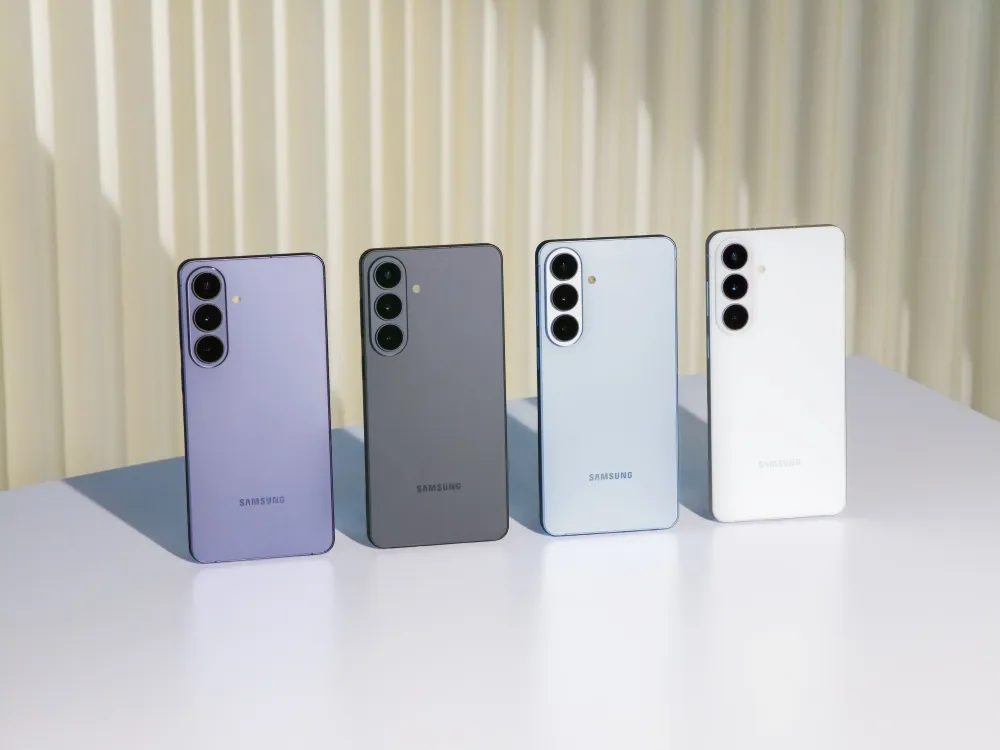
Samsung's Galaxy S26 Ultra was the best-selling Android phone of Q2 2026, finishing fourth among all smartphones sold worldwide, according to Counterpoint Research. It marks the first time an ultra-premium Android device has led Android sales in a June quarter.
That's a break from how Android sales usually shake out. A $1,300 flagship outselling Samsung's own budget A-series phones runs against the grain of a market where cheaper devices typically win on volume.
One qualifier matters here. The iPhone 17, iPhone 17 Pro Max, and iPhone 17 Pro still claimed the top three spots overall. That's a statement about individual model rankings, not evidence that Apple as a brand outsold Android as a whole.
The ranking shows the S26 Ultra had an unusually strong quarter. It doesn't prove Android buyers have permanently traded up to more expensive phones.
Galaxy S26 Ultra best-selling Android phone Q2 2026: what the ranking means
The Ultra's fourth-place finish beat Samsung's own Galaxy A07 and A17 budget models, a reversal from a year earlier when the Galaxy S25 Ultra ranked ninth globally, according to Android Authority.
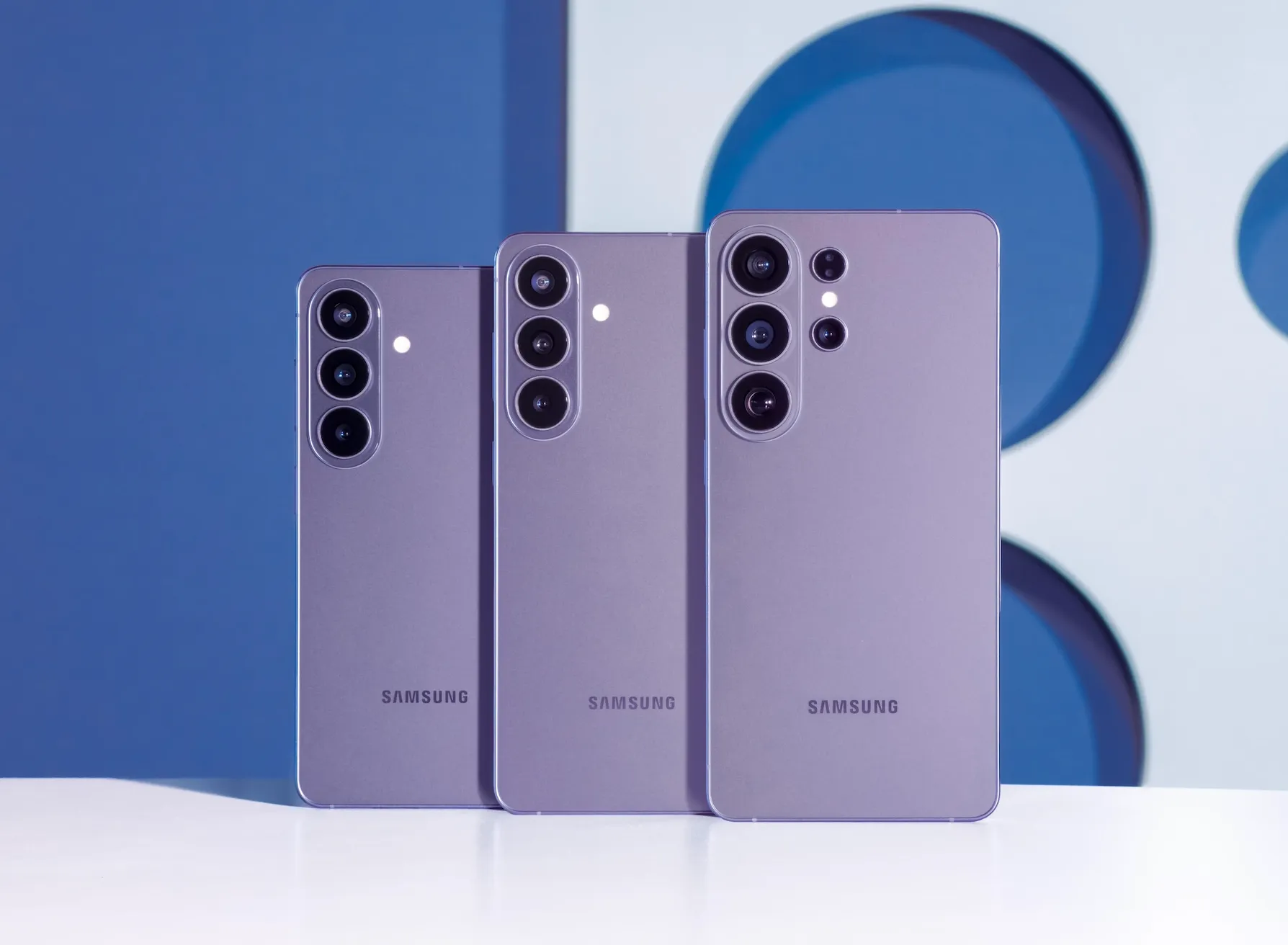
Samsung didn't stop at one entry. The company placed four other models in the global top 10: Galaxy A07 4G at fifth, Galaxy A17 5G at sixth, Galaxy A17 4G at eighth, and the base Galaxy S26 at ninth.
Apple also placed five models in the top 10. The iPhone 17, iPhone 17 Pro Max, and iPhone 17 Pro took the first three positions, the iPhone 17e ranked seventh, and the older iPhone 16 finished tenth.
That spread says more about individual models than brand-level market share. Counterpoint's ranking comes from its Global Handset Model Sales Tracker and measures worldwide smartphone unit sales by model.
The public release gives the iPhone 17 a 6% share of global smartphone sales and says the top 10 models collectively represented 26% of sales. It doesn't publish a separate unit-sales figure or market-share percentage for the Galaxy S26 Ultra.
Samsung also launched the Galaxy S26 series later than the S25 series. Samsung unveiled the lineup on February 25, and Counterpoint says that later timing shifted more S26 sales into Q2.
The Galaxy S26 Ultra accounted for more than half of Galaxy S26-series sales during the quarter, according to Counterpoint.
Software support may also help Samsung's broader lineup stay competitive over longer replacement cycles. Counterpoint specifically noted that the Galaxy A-series models in the top 10 offer at least six years of software support.
Market backdrop: fewer phones shipped, more money spent
The Ultra's rise landed inside a broader shift in how the industry makes money.
Global smartphone revenue climbed 8% year over year to a record $110 billion in Q2 2026, even as shipments fell 7%, according to a separate Counterpoint Market Monitor report.
Average selling price rose 16% year over year to a record $399. Counterpoint tied that increase to resilient premium demand, contraction in entry-level segments, memory-related price increases across Android portfolios, and a stronger premium mix.
Apple's smartphone revenue rose 22% year over year, the fastest growth among major brands and its highest-ever second-quarter level. Counterpoint attributed the increase to sustained demand for the iPhone 17 lineup and largely stable pricing.
The Galaxy S26 Ultra's emergence as Android's best-selling individual model fits that premium-market backdrop. Counterpoint describes premium demand as resilient while entry-level segments are contracting.
The figures come from different Counterpoint trackers: the Galaxy model ranking measures global unit sales by individual handset, while the Market Monitor report tracks industry shipments, revenue, and average selling prices.
A regional caveat: Latin America measures something different
Counterpoint's Latin America figures track regional OEM shipments, not global model sales, so they don't speak directly to the Ultra's fourth-place ranking.
Overall smartphone shipments in the region fell 10% year over year in Q2, while Samsung grew 6% and Apple grew 5%, according to Counterpoint Research.
Samsung retained a 38% share of Latin American smartphone shipments and regained the No. 1 position in Colombia, Ecuador, and Peru. Counterpoint attributed those gains to strong product availability across the Galaxy A and S series, broad retail and online distribution, and aggressive discounts.
Apple's growth came alongside steady premium demand, including the iPhone 17 Pro Max, while Motorola, Xiaomi, and Honor posted year-over-year shipment declines.
That's a different mechanism from the global S26 Ultra ranking. Counterpoint doesn't connect Samsung's Latin American promotional push specifically to the Ultra's fourth-place finish worldwide.
What this quarter does and doesn't prove
The Galaxy S26 Ultra's climb to the top of Android's global model rankings is a genuine first for a June quarter, arriving alongside resilient premium demand and record smartphone average selling prices.
It also performed materially better than its predecessor. The Galaxy S25 Ultra ranked ninth in Q2 2025, while the S26 Ultra reached fourth and accounted for more than half of Galaxy S26-series sales this year.
But the public ranking doesn't disclose a Galaxy S26 Ultra unit total or its exact share of worldwide smartphone sales. Its fourth-place finish establishes relative position, not how large the gap was between it and the iPhones ahead of it or Samsung's cheaper models behind it.
Counterpoint's broader data also shows that the market is under pressure from rising component costs and weakening lower-end demand. That environment can push the sales mix upward even without proving that Android buyers broadly prefer premium phones.
Future quarterly rankings will show whether the Ultra can hold its position as Android's top-selling individual model.
Q2 established a first. It didn't establish a permanent trend.

Comments
Be the first, drop a comment!