



Amazon Galaxy S26 Deal: How to Tell If the Discount Is Real
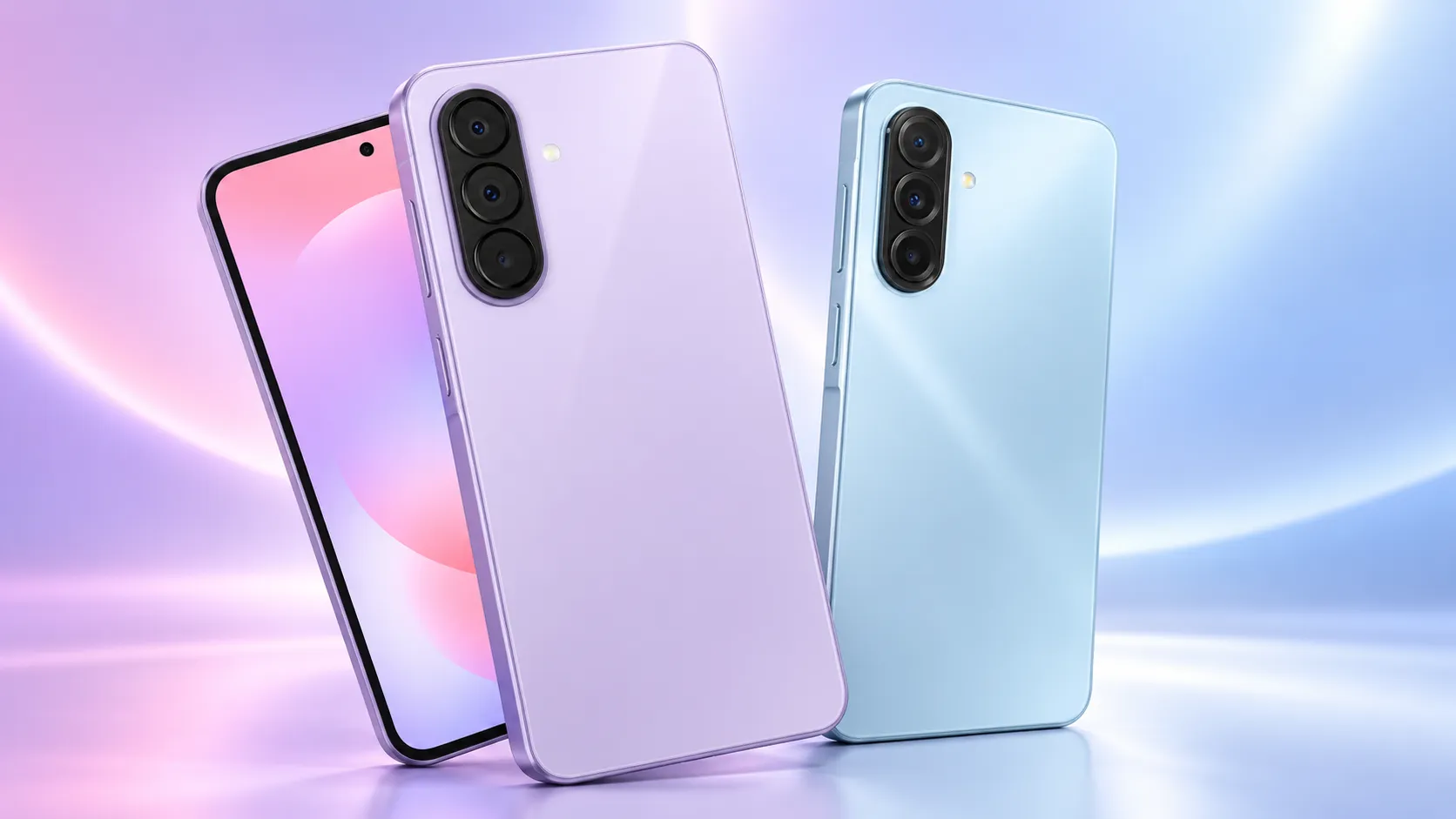
Amazon has been discounting the Galaxy S26 lineup in the week after Prime Day, keeping promotional pressure alive on Samsung's newest flagship series. Whether any given Amazon Galaxy S26 deal represents genuine savings depends on which Samsung product you're looking at and on a broader pricing pattern that has made discount labels across much of Samsung's catalog harder to trust.
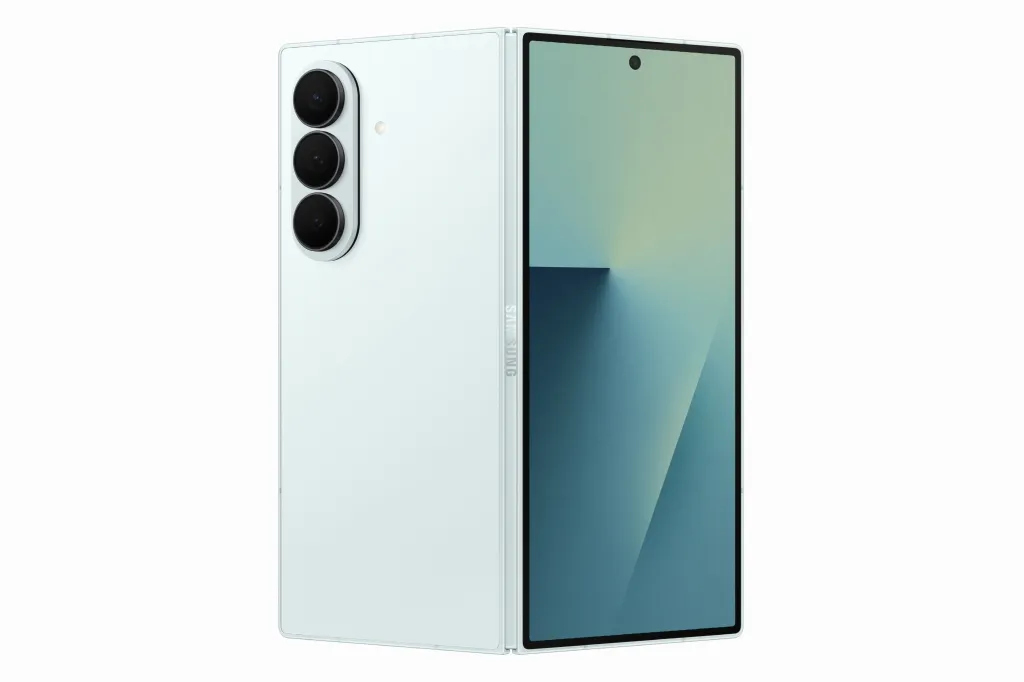
Samsung raised retail prices across much of its lineup heading into summer 2026. Some Tab S11 Ultra configurations climbed $280 above their original prices, with high-storage foldables seeing post-launch markups of $80 or more, Android Police reported two weeks ago. When the baseline price has already moved, a "sale" badge doesn't tell you much.
The S26 series is a different case. No confirmed US post-release MSRP increase has been applied to the S26 lineup, per the same Android Police analysis. That distinction determines what Amazon is actually discounting from and whether the starting point can be trusted at all.
Why the S26's pricing baseline is more credible than most Samsung products right now
The S26's pricing pain landed at launch, not after. The base S26 and S26+ debuted $100 higher than their predecessors, driven by a global memory shortage that Samsung's mobile COO Won-Joon Choi told The Verge earlier this year made a "significant contribution" to the increase, alongside tariffs and broader materials costs. The S26 Ultra held at $1,299 unchanged from the S25 Ultra at release, 9to5Google confirmed.
The base S26 does start at 256GB rather than 128GB this generation, which softens the sticker shock somewhat. Still, The Verge noted its $899 price tag is $40 more than a 256GB S25 cost at launch. The value story is better than the headline price difference implies. It is not free.
Contrast that with what happened elsewhere in Samsung's lineup. The Z Fold 7 512GB climbed from $2,120 to $2,200 after launch; the Tab S11 512GB went from $980 to $1,200; the Tab S11 Ultra 1TB rose from $1,620 to $1,900, Android Police reported. When a product's MSRP has been quietly inflated post-launch, an Amazon sale price may simply be the original price wearing a badge. That problem does not apply to the S26 the same way.
A handful of other Samsung phone configurations also avoided post-release hikes the Z Fold 7 256GB held at $2,000, the Z Flip 7 256GB stayed at $1,100, and the S25 FE 128GB remained at $650, per Android Police. The S26 is not uniquely clean; it sits within a narrower group of Samsung products where a discount is working from an honest baseline.
How to check whether an Amazon Galaxy S26 deal is genuine
Countdown timers and percentage-off badges are promotional tools first. Retailers routinely frame discounts against reference prices that have been inflated or recently changed, Android Police cautioned. The actual dollar price against prior Amazon lows is what matters not the framing around it.
A price-history tool such as CamelCamelCamel shows whether Amazon's current price is genuinely below prior lows or simply back to its regular level with a badge applied. Two blind spots are worth knowing: if Amazon created a new listing for a promotional period, that listing will have no price history; and checkout-code discounts don't show up in tracker data at all, Android Police noted.
Beyond the price check, confirm the listing is sold and fulfilled by Amazon directly, not a third-party seller using the platform. Return policies differ, and reference price practices vary more with third-party sellers.
Three criteria that together indicate a trustworthy Samsung Galaxy S26 deal at Amazon: the price sits at or below the model's prior Amazon low per CamelCamelCamel; the listing is sold by Amazon; and Samsung.com is not currently offering the same or lower effective price through a stackable coupon or free storage upgrade promotion.
Amazon vs. Samsung direct vs. carrier credits: which path fits your situation
No trade-in, want an unlocked phone. Amazon's cash discount is the most straightforward route for buyers without a qualifying device. At launch, Samsung offered a $30 reserve coupon to pre-registered buyers, with some regions also receiving a free storage upgrade, GSMArena reported at the time those were launch-window promotions, and whether Samsung is running equivalent offers now is worth checking before assuming Amazon is the only option.
Current Samsung flagship owner. Samsung's own trade-in values can outpace anything Amazon offers in straight cash. At pre-order, trading an S25 Ultra or Z Fold 6 toward an S26 Ultra netted $900 in credit with no carrier contract required; an S24 Ultra got $800; a standard S25 got $600 toward the S26 Ultra, 9to5Google reported at launch. As of mid-June, Samsung was still offering up to $720 toward an S26 Ultra with a qualifying trade-in and no carrier lock-in, Android Police reported though whether that figure has changed since is worth verifying directly. For recent Galaxy flagship owners, the gap between that credit and a typical Amazon cash markdown is likely to favor Samsung direct.
Switching from a non-Samsung device. Samsung accepts Galaxy, iPhone, and Pixel trade-ins only no other brands qualify, 9to5Google noted. An iPhone 17 Pro Max gets $645 toward the Ultra; a Pixel 9 Pro XL gets $370. Those are real dollars, but the gap between a competitive cross-brand trade-in and a top Galaxy trade-in is substantial. For a Pixel 9 Pro XL owner, the trade-in credit and an Amazon cash discount on the Ultra may land closer together than the headline numbers suggest.
Carrier offer as the primary route. As of mid-June, Verizon was offering up to $1,300 in billing credits for customers trading in a qualifying device and opening a new unlimited plan, Android Police reported. That total arrives as a 36-month billing credit, not cash off the purchase price. If switching carriers and adding an unlimited line was already part of the plan, the math can work. If the plan represents a new monthly cost that wouldn't otherwise exist, the effective savings are smaller than $1,300 implies.
What the sales data says about why discounts are happening at all
The S26's momentum cooled faster than Samsung likely hoped. Sales outpaced the S25 by 13% in the first six weeks after launch, with particularly strong results in the US and South Korea, Counterpoint Research found, as reported by Android Police in May. By the sixth week, S25 sales began to overtake the S26 in those same markets, with Counterpoint pointing to price as the main factor. That softening gives retailers a genuine commercial reason to discount, not just a promotional one.
The S26 launched at higher prices for documented reasons memory costs, tariffs, materials and has not seen the post-release US MSRP inflation that makes discount labels unreliable elsewhere in Samsung's catalog, Android Police confirmed. A real Amazon price cut on top of that baseline is one of the more credible Samsung flagship deals available right now. Prices, trade-in values, and carrier promotions all shift over time, so cross-referencing Samsung.com and checking the CamelCamelCamel history for the specific listing before purchase remains the most reliable way to know what you're actually getting.

Comments
Be the first, drop a comment!