




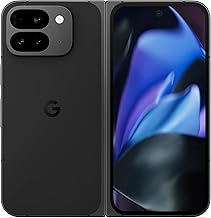

Samsung Galaxy Z Fold 9 Rumors: 5-Model 2027 Lineup
Samsung Galaxy Z Fold 9 rumors just picked up a new wrinkle: a report this week claims Samsung's 2027 foldable lineup could grow to five models, including a second wide-format device sitting alongside the expected Fold 9, according to Digital Trends.
The rumored slate spans four distinct device formats: a standard wide Fold, a second wide-format model, a taller-and-narrower Fold 9 Ultra with the familiar cover screen, a compact Flip 9, and a second-generation Galaxy Z TriFold, Digital Trends reports. The TriFold's multi-panel design sets it apart from the book-style Fold and Ultra, so this isn't three shapes wearing five names. It's a genuinely broader lineup, at least on paper.
None of it is confirmed. The report offers no model numbers, display dimensions or firm pricing, the kind of detail that usually surfaces once a leak matures into an actual roadmap.
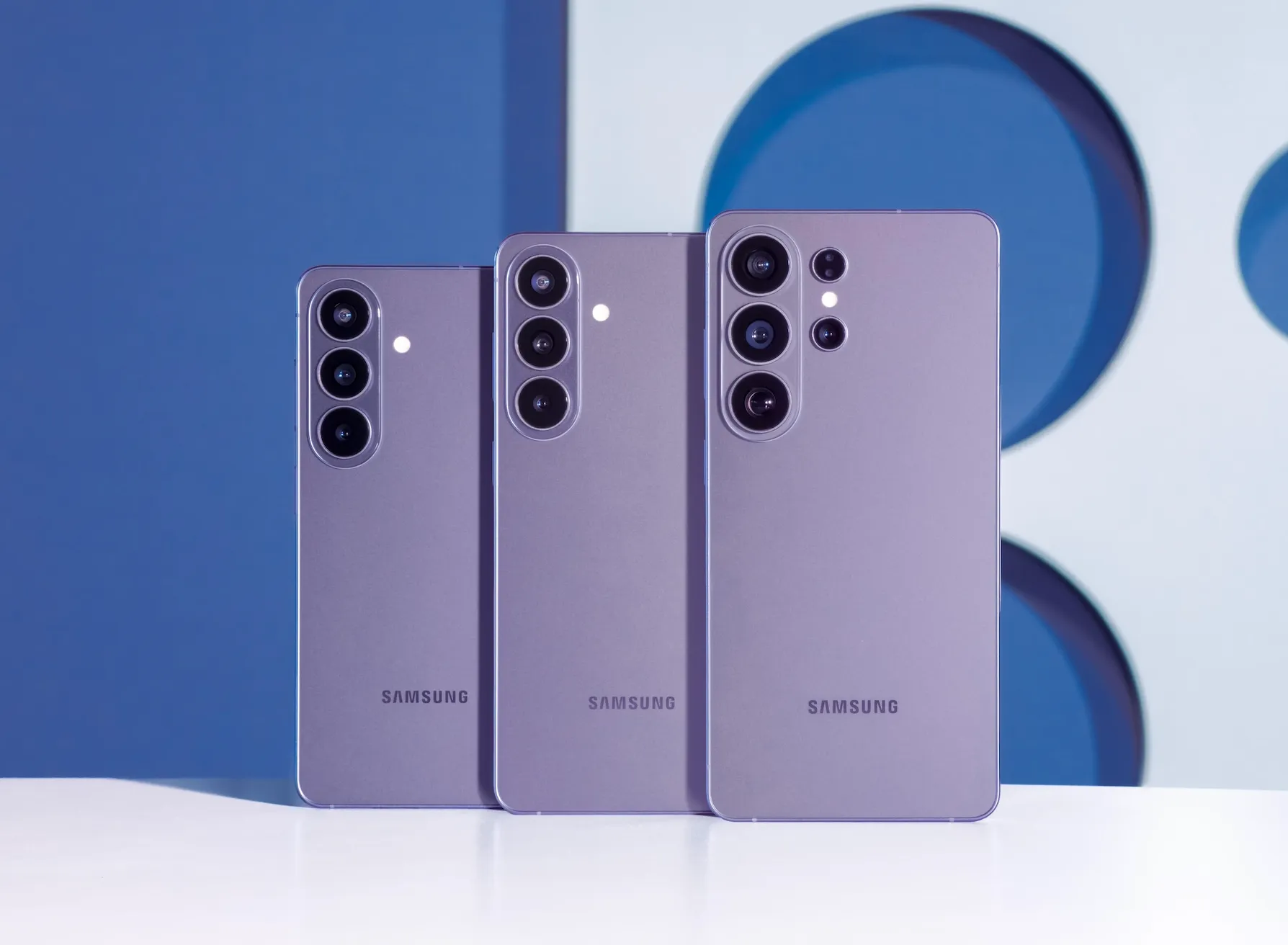
What is confirmed is Samsung's own recent history of expanding its lineup. It moved from a two-model Fold-and-Flip setup to three devices, the Fold8, Fold8 Ultra and Flip8, its first structural change since launching foldables in 2019, according to The Elec. Early demand for that expanded lineup gives the 2027 rumor some real context, even if it doesn't confirm any of it.
What Samsung's rumored 2027 foldable phones could include
Galaxy Z Flip 9 rumors get comparatively little detail in the report, mostly a name and its place in the lineup. The same goes for the TriFold successor.
The wide-format foldable positioned next to the Fold 9 is the detail worth watching. Samsung's current lineup includes one standard wide Fold model, the Fold8; a second wide device would mean fielding two at once. The report does not say whether it would sit above the standard Fold 9 as a premium model or below it as a cheaper alternative.
Fold8 demand: what the numbers show, and what they don't
The timing lines up with real momentum. Global preorders across Samsung's Z8 series rose more than 30% year over year, with South Korea up 39%, Europe up more than 20%, and US Fold preorders up 30%, according to Counterpoint Research, 10 days ago.
Within the three markets where Counterpoint published percentage splits, South Korea, the US and Europe, the standard Fold8 rather than the Ultra is driving most of that demand: roughly 70% of Korean preorders, nearly 50% in the US, and almost 40% in Europe, according to Counterpoint Research. The standard model is also leading early attention in Japan, China and Southeast Asia, though Counterpoint hasn't published comparable splits there. India is the exception, where buyers show a stronger preference for the Fold8 Ultra.
Samsung also increased Fold8 production by 1 million units after worldwide preorders across its three foldables neared 5 million, according to Digital Trends, this week. That's a genuine supply-chain commitment, though a production increase reflects preorder momentum rather than confirmed sell-through.
A separate supply-chain move points in the same direction, but only for the current generation. Haesung Optics said it will supply OIS actuators for the ultra-wide cameras in the Fold8 and Fold8 Ultra, and is expanding automated production capacity at its Vietnam subsidiary, according to The Elec, earlier this month. That's suppliers gearing up for existing Fold8 demand, not evidence of a Fold 9 design or a second wide model.
Counterpoint's own forecast projects first-year Z8 series shipments growing by double digits over the Z7 series and by more than 70% over the Z6 series, per its research, though it flags post-launch sell-out and Apple's expected foldable entry as the real tests of whether that momentum holds.
Separately, Counterpoint forecasts the entire global foldable market growing 21% year over year in 2026, according to its research, last month. That broader growth and the standard Fold8's share of Samsung's preorder mix are both real, though the preorder data speaks to buyer preference within Samsung's own lineup, not proof the wide Fold8 is pulling share from the overall foldable market.
Counterpoint attributes the Fold8's appeal to its lighter, wider passport-style design, which is drawing younger and female buyers in South Korea and pulling more Flip owners toward the Fold in the US.
Why Samsung's current pricing leaves little room for a fifth model
Samsung's three current tiers already have clear jobs. The Fold8 is built around browsing, reading and video with a display close to a 4:3 aspect ratio; the Fold8 Ultra carries a 200-megapixel main camera and a heavier productivity focus on a taller, narrower body, according to The Korea Herald, last month. The Flip8 remains the compact, style-driven option.
The pricing behind those tiers isn't evenly spaced. In the US, the Flip8 starts at $1,199.99, the Fold8 at $1,899.99 and the Fold8 Ultra at $2,099.99, a $700 jump from Flip to Fold and a much tighter $200 gap between Fold and Fold Ultra, per The Korea Herald. Korean pricing follows the same pattern: 1.68 million won for the Flip8, 2.28 million for the Fold8 and 2.58 million for the Fold8 Ultra, a 600,000-won gap followed by a 300,000-won one.
The Fold8 and Fold8 Ultra already sit close together at the premium end of Samsung's lineup, while the Flip8 occupies a lower tier of its own. Slotting a second wide foldable into that cluster, whether above, below or between the existing two, means finding a price and a purpose that doesn't simply cannibalize whichever tier sits closest to it.
Competition from Apple and Huawei, plus rising costs
Apple is also widely reported to be weighing a similarly wide foldable iPhone, with a rumored launch date of September 9, according to Digital Trends, this week. Huawei has already moved first: the company launched its wide, book-style Pura X Max in China in April, per The Korea Herald, last month.
Competition is arriving as Samsung's own position comes under pressure. Counterpoint projects Samsung's overall foldable market share slipping from 40% in 2025 to 32% in 2026 as Apple captures 25% in its debut year, according to The Korea Herald, last month. That figure covers the whole foldable market rather than the wide-format segment specifically, but it puts a number on how fast the competitive landscape is shifting.
Rising component costs cut the other way. Gartner forecasts combined DRAM and SSD prices climbing as much as 130% by the end of this year, a jump that could lift smartphone prices 13% above 2025 levels, according to The Korea Herald, last month. A five-device portfolio is harder to price without compressing margins somewhere, and Samsung's own mobile chief, Roh Tae-moon, has acknowledged the company "will have no choice but to reflect part of the increase in the product's launch price" if cost pressure exceeds what supply-chain coordination can absorb, according to The Elec, last month.
What's still missing from the report
The current report lacks several details that would turn this rumor into a roadmap: consistent model numbers across multiple outlets, distinct display dimensions, supplier orders tied to a new camera or hinge design, pricing leaks showing real separation between tiers, and direct comment from Samsung describing a genuinely new use case rather than a refined version of an existing one.
Two developments over the next few months will likely say more than this leak does on its own: whether Fold8 sell-through holds up once preorders convert into actual sales, and how Apple's rumored September 9 launch reshapes competition in the wide-format category. Strong demand for the shape Samsung already sells is real. It doesn't, on its own, confirm the company is building two more versions of it for 2027.


Comments
Be the first, drop a comment!