





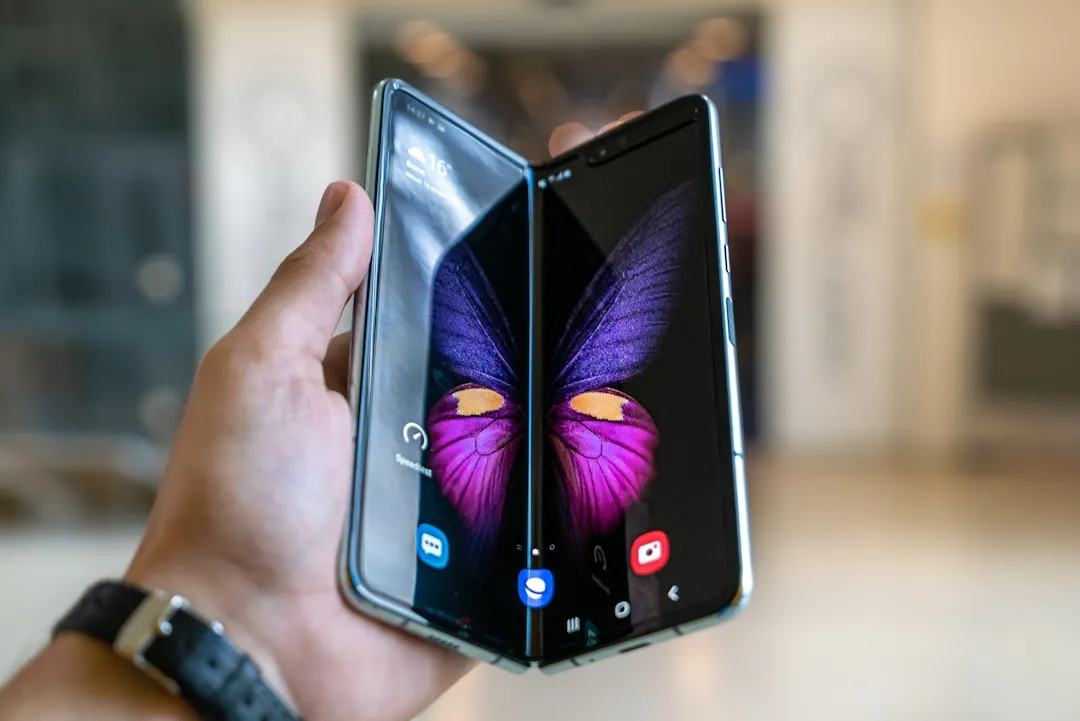
Samsung Galaxy Z Fold 8 Snapdragon 8 Elite Gen 5 Matches S26 Ultra
Samsung and Qualcomm announced this week that both the Galaxy Z Fold 8 and Z Fold 8 Ultra will run the Snapdragon 8 Elite Gen 5 for Galaxy, the same custom-binned chip already shipping in the Galaxy S26 Ultra worldwide, GSMArena reported. The two companies posted the confirmation to Instagram earlier this week, getting ahead of what is expected to be a Galaxy Unpacked event in London on July 22, though Samsung has not officially confirmed that date.
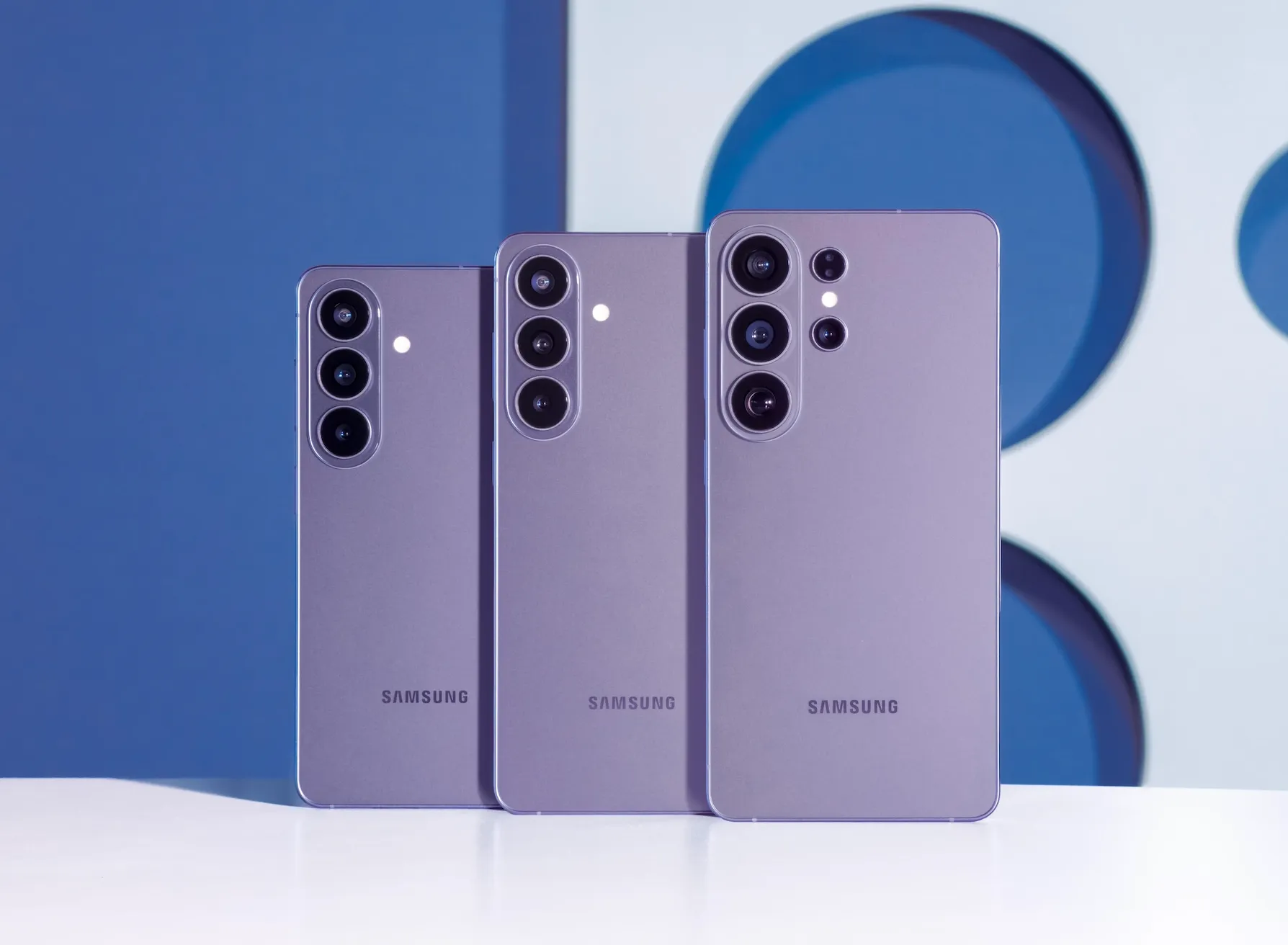
The chipset match is notable because the "for Galaxy" variant has previously been reserved for Samsung's flat flagships. Putting the same silicon in the Fold lineup puts the foldables on the same spec tier as the S26 Ultra, at least on paper, for the first time.
The announcement covers both the standard Fold 8 and the Fold 8 Ultra. Full specifications, pricing, RAM configurations, and cooling architecture have not been disclosed ahead of the expected launch date.
Samsung Galaxy Z Fold 8 Snapdragon 8 Elite Gen 5: what "for Galaxy" actually means
The "for Galaxy" label does not describe a new chip architecture. It describes a higher-binned variant of the Snapdragon 8 Elite Gen 5, which is Qualcomm's standard practice of sorting finished silicon by quality after fabrication. Dies that sustain higher clock speeds without instability get separated from the rest and reserved for premium partnerships. Samsung and Qualcomm have formalized that arrangement under the "for Galaxy" branding.
The clock differences are specific and modest. The standard Snapdragon 8 Elite Gen 5 runs its two prime Oryon CPU cores at 4.61GHz and its Adreno 840 GPU at 1.2GHz. The "for Galaxy" variant pushes those to 4.74GHz on the CPU and 1.3GHz on the GPU, per GSMArena. That works out to roughly a 2.8% CPU bump and an 8.3% GPU clock increase. Real improvements, but not the kind of numbers that mark a generational shift.
What the confirmation does establish is that the Fold 8 is not working with an unknown chip. The "for Galaxy" variant has already shipped globally in the S26 Ultra and in select markets inside the standard S26 and S26 Plus, GSMArena reported. Months of independent S26 Ultra benchmarks and real-world tests exist. The Fold 8 is inheriting a known quantity, not a paper spec.
One open question specific to foldables: the chip's thermal behavior inside a slab and inside a folding chassis with different geometry and battery constraints may not be identical. Peak performance figures from S26 Ultra testing tell you what this chip can do; they don't tell you how close to that ceiling the Fold 8 will run under sustained load. That will require independent testing after the device ships.
Why the Fold gets Snapdragon and the Flip gets Exynos
The chipset split within Samsung's 2026 foldable lineup is the most direct signal of how Samsung positions each product. The Galaxy Z Flip 8 will ship with an Exynos 2600 in Europe and South Korea, while both Fold 8 models get the custom Snapdragon globally, GSMArena reported. Samsung has not publicly explained the allocation decision.
The pattern itself is legible without an official statement. The Flip competes on form factor and compact convenience; its marketing doesn't lean on raw performance benchmarks. The Fold, by contrast, is priced and positioned against Samsung's best flat flagships. Giving it the same premium-binned chip as the S26 Ultra is consistent with that positioning, even if Samsung hasn't spelled out the logic.
For buyers in regions where Samsung's foldables have historically shipped with Exynos while equivalent flat flagships got Snapdragon, the global Snapdragon commitment on the Fold 8 closes a gap that has driven real purchasing hesitation. Both the standard and Ultra Fold 8 models get the same silicon regardless of market, with no regional asterisk attached.
What remains unconfirmed ahead of launch
The chipset announcement is the most significant pre-launch disclosure so far, but it leaves most of the purchase decision unanswered. Samsung has not confirmed RAM capacity, storage tiers, pricing, or battery specifications for either Fold 8 model. Cooling architecture is also unspecified, and that detail matters more in a foldable than in a slab because the chassis constraints are fundamentally different.
It's also unclear how the standard Fold 8 and the Fold 8 Ultra differ beyond branding and likely size. Whether the Ultra carries meaningfully different hardware, additional camera capabilities, or a distinct display configuration hasn't been disclosed. The chip confirmation treats both models identically, which could mean the silicon is the primary shared spec and the differentiation lies elsewhere, or it could simply reflect what Samsung chose to confirm at this stage.
Regional availability beyond the chipset question is also unresolved. The Exynos-versus-Snapdragon split in the Flip lineup suggests Samsung is still managing different chip allocations by market for at least part of its foldable range. Whether the Fold 8's global Snapdragon commitment extends to every major market, or whether there are exceptions not yet disclosed, remains to be confirmed.
Samsung is hinting at a Galaxy Unpacked event in London on July 22, though that has not been officially confirmed, per GSMArena. If that date holds, full specifications are roughly two weeks out. Until then, the chipset announcement answers one meaningful question about the Fold 8 while the rest of the spec sheet stays under wraps.
What the chipset confirmation does and doesn't settle
On the silicon question, this week's announcement is definitive. Both Fold 8 models will run Qualcomm's premium-binned chip, the same variant powering Samsung's top flat flagship. That removes the chipset as a point of differentiation between the Fold 8 and the S26 Ultra.
What it doesn't settle is whether silicon parity translates to performance parity under real conditions. A foldable chassis packs more mechanical complexity into roughly the same volume as a slab, which affects how aggressively a device can sustain peak chip performance without throttling. The S26 Ultra benchmark data gives a ceiling; the Fold 8's thermal design determines how often it can reach it.
Pricing remains the largest unknown. The Fold 8 could match the S26 Ultra on the chip and still carry a significant price premium for the foldable form factor. Whether that premium is justified depends on the full package: display quality, hinge durability, battery life, and camera performance alongside the chipset. None of those specs are confirmed. The silicon question is closed. Everything else waits for July 22.


Comments
Be the first, drop a comment!