



Samsung Per-App Screen Zoom: What Firmware Evidence Reveals
Strings pulled from Samsung firmware describe a dedicated settings page called "App screen zoom" that would let Galaxy users assign a different zoom level to individual apps, Android Authority reported today. The key detail in those strings: custom per-app settings would persist independently, so changing the system-wide zoom later wouldn't affect any app a user had already configured.
This is firmware evidence, not a launch announcement. Strings like these can change before release, slip to a later update, or never reach users at all. The specificity here is worth noting; a named settings page, a complete user-facing description, and a behavioral warning about app restarts suggest active development rather than an abandoned prototype. But none of that is confirmation.
What the firmware actually says
Two distinct string resources surfaced in Samsung's firmware, according to Android Authority. The first is a settings page title: App screen zoom. The second is a full user-facing description: "Set a separate screen zoom level for each app. Apps running in the background may restart when you change them. Changing the system screen zoom level won't affect any apps you've changed here."
That restart warning is the most telling detail. Background apps relaunching when their zoom level changes isn't what you'd expect from a simple visual overlay, suggesting the change may be more than a cosmetic adjustment. The strings don't confirm the underlying mechanism.
The persistence behavior deserves equal attention. The description explicitly states that system-wide zoom changes won't touch individually configured apps. Per-app settings, as described, are durable rather than temporary overrides that collapse when the user adjusts the global control.
What the strings don't reveal: the available zoom range, whether the feature applies to all apps or only those built for flexible layouts, and where it would sit within settings. A two-option toggle is a fundamentally different tool than a granular slider, and that gap matters for assessing practical usefulness.
What Samsung per-app screen zoom could fix
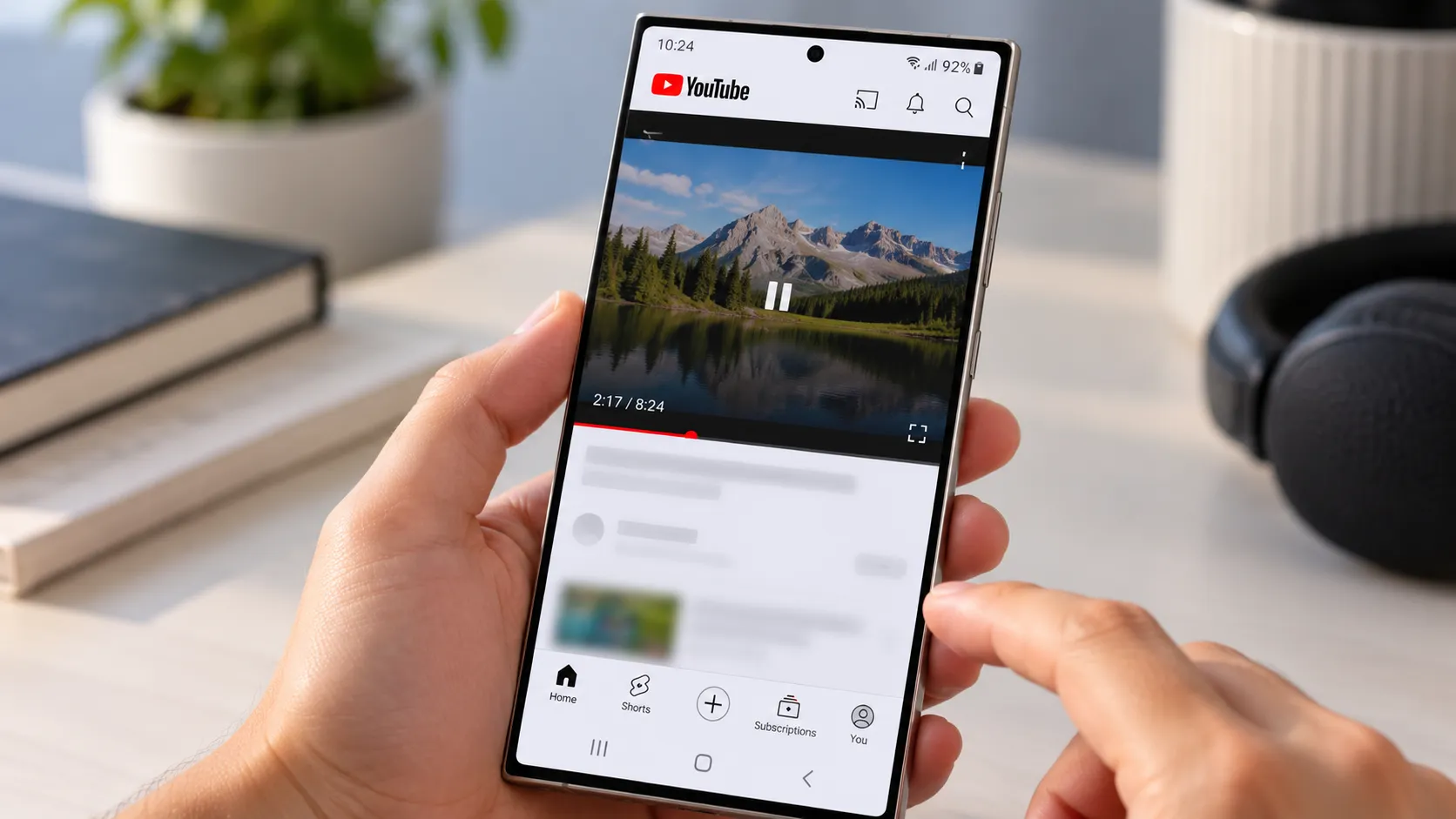
Android's display density setting is a single system-wide control. Adjust it upward for readability and every app grows; adjust it down and everything shrinks together. Users are left with one compromise across the entire device, per Android Authority.
The friction this creates is concrete. A user who wants large text in their email client but a compact layout in a spreadsheet currently can't have both. Low-vision users who rely on a high system zoom may find productivity apps unusable at that scale. A foldable owner dealing with a social app that renders awkwardly at tablet width might want to shrink its UI density without touching anything else. Per-app zoom could address all three without forcing a system-wide compromise.
What it wouldn't fix is broken responsive design. If an app stretches poorly across a foldable's inner display because developers never built a proper large-screen layout, adjusting the zoom changes the scale. It doesn't rewrite the layout logic. This is a user-side adjustment, not a remedy for developer-side shortcomings.
That distinction carries more weight now. Starting with Android 16 (API Level 36), Google began overriding the android:resizeableActivity="false" flag that previously let developers block flexible resizing. On devices with screens wider than 600dp, the system now forces apps to render edge-to-edge regardless of developer intent, Android Police reported three months ago. More apps are being stretched into display configurations they weren't designed for, and user-controlled zoom is one of the few adjustments available when an app looks stretched or cramped.
The feature's value would be highest for three groups: low-vision users, foldable and tablet owners, and anyone who regularly switches between app types with meaningfully different ideal density settings.
Tradeoffs and unknowns worth watching
The restart warning is the biggest open question for day-to-day usability. If switching an app's zoom causes it to relaunch, that's an acceptable one-time setup cost. It becomes real friction if users expect to adjust the setting frequently. The strings don't clarify whether restarts occur under all conditions or only in specific circumstances.
Granularity will determine whether this is a precise tool or a blunt one. A control with two or three preset sizes serves a narrow range of needs; a slider with incremental steps covers far more ground. Nothing in the strings indicates what that range looks like.
App compatibility is a related unknown. Apps built for fixed layouts or that handle dynamic display changes poorly may behave unpredictably when zoom is adjusted on a per-app basis. The more rigid the app's layout assumptions, the less predictable the result.
Where this fits in One UI 9
Per-app zoom isn't the only display-related feature surfacing in Samsung's One UI 9 firmware. Earlier analysis of the same development branch identified a feature called Text Spotlight, which lets users tap any on-screen text to expand and highlight it in a separate window with adjustable size and color settings, Android Authority reported four months ago.
The same One UI 9 pipeline includes a physical keyboard shortcut for toggling accessibility features without touching the screen, plus expanded mouse key controls covering cursor speed and numeric keypad support. Android Authority noted that not everything in the firmware is new; some items represent existing features being relocated to more prominent positions within the settings hierarchy, with the swap-gesture-for-tap option being one example.
Per-app zoom fits the broader pattern of more granular, user-controlled display options visible in the One UI 9 firmware. Of the accessibility items surfaced so far, it's the most clearly novel, offering a control that Android itself doesn't currently provide at the system level.
Timeline and what to watch
There's no confirmed release window. Four months ago, Android Authority noted that Google had not yet finalized Android 17, and a public One UI 9 beta was likely still months away. Samsung has made no official announcement connecting Samsung per-app screen zoom to a specific version or device lineup. The feature may ship as described, change significantly, or not reach users at all.
When Samsung does surface it officially, the two questions that will determine its practical value are straightforward: how wide the zoom range turns out to be, and whether app restarts are a routine cost every time users change a setting or something that only happens in specific edge cases. The persistence mechanic is already the right design choice. Whether the rest of the implementation matches it is still unknown.


Comments
Be the first, drop a comment!