





Samsung Galaxy Z Fold 8 Price Increase: Leaks and Hidden Costs
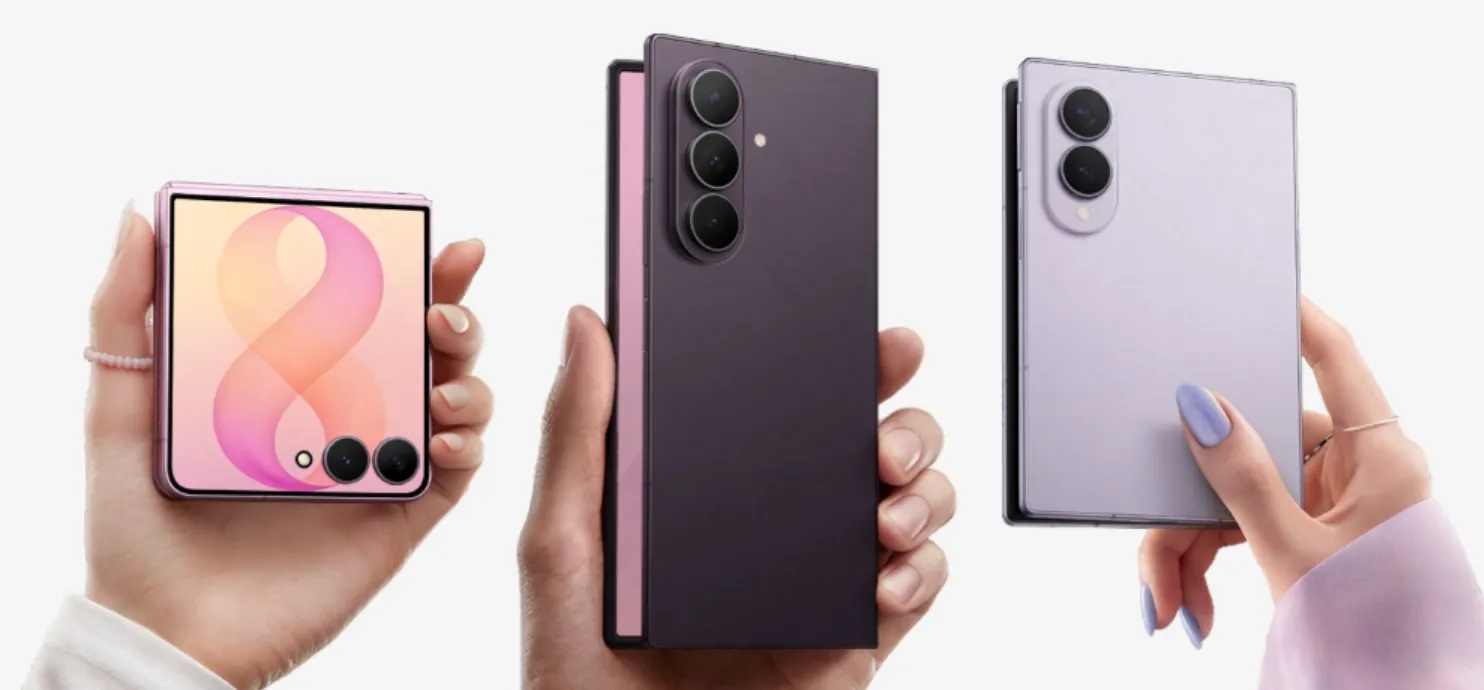
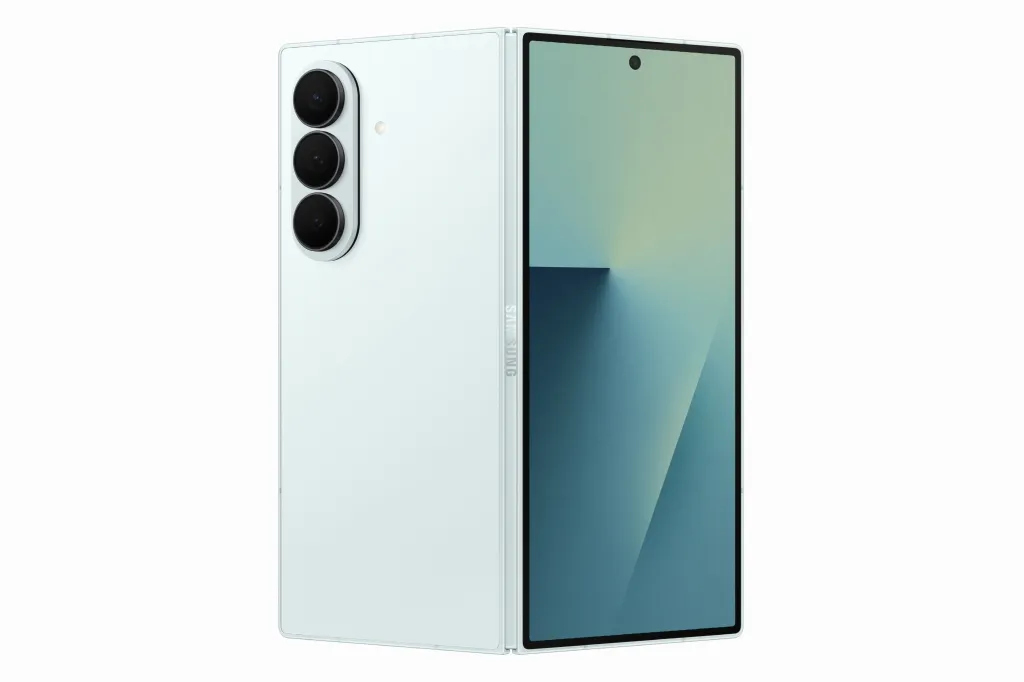
Samsung is set to reveal the Galaxy Z Fold 8, Fold 8 Ultra, and Flip 8 at Galaxy Unpacked in London on July 22. Reporting from multiple outlets points consistently toward a Samsung Galaxy Z Fold 8 price increase across at least some models, with the clearest jumps in the US Fold Ultra, Korean Flip 8 pricing, and high-capacity European tiers. The more complicated part: even where base MSRP appears flat, the effective launch-day cost could still be worse than last year if Samsung reduces the preorder storage upgrade that has historically softened its premium pricing.
Samsung has not confirmed any figures. What follows is the clearest picture the available reporting allows, with the uncertainty preserved.
Samsung Galaxy Z Fold 8 price increase: what the leaks show by market
US Fold 8 line: Industry sources cited by Seoul Economic Daily earlier this month point to a two-tier structure at launch. The Fold 8 Ultra is reported likely to carry a $2,099 starting price for 256GB, roughly $100 more than the Fold 7's $1,999 US launch price, per Android Authority. A second model, referred to variously as the standard Fold 8 or the Wide Fold (tentative name), is reported at $1,899 for 256GB. Samsung is reportedly still conducting a final pricing review before July 22, so these figures are directional rather than settled.
One naming caveat: reports disagree on whether the two-model structure represents a standard Fold 8 plus an Ultra tier, or a new wider-format device plus a standard one. That won't resolve until the announcement.
Europe Fold 8 line: The base Fold 8 is widely anticipated to hold at €1,999, matching the Fold 7, which would likely keep the UK entry price at £1,799 as well, according to Trusted Reviews this week. That apparent stability disappears at higher capacities. German outlet WinFuture, cited by Korea Herald earlier this month, reports the 1TB Fold 8 Ultra rising €280 to €2,799. The pattern is consistent: base tiers absorb some of the cost pressure while high-capacity models take the sharpest increases, precisely where memory inflation hits hardest.
Flip 8: The clearest percentage jump in the dataset belongs to the Flip, not the Fold. Korean distribution channel data reported by Korea Herald suggests the Galaxy Z Flip 8 price increase could reach 13.3% over its predecessor domestically, with a starting price of approximately 1.68 million won (around $1,100) for 256GB. SamMobile independently reported the same figure from Korean carrier channels, while noting these may be carrier-subsidized contract prices rather than full retail MSRP. No comparable Flip 8 leak has surfaced for US or European markets.
That creates two distinct kinds of price increase. In the US, reporting points to a higher sticker price on the Fold Ultra. In Korea, the Flip 8 leak signals a meaningful jump in absolute terms. In Europe, the more complicated story is unchanged entry pricing paired with potentially weaker launch promotions which could raise the effective cost without moving the headline number at all.
Why prices are rising: memory costs and Samsung's 2026 pricing pattern
The underlying driver is striking in scale. Memory's share of total component costs in premium smartphones more than doubled between Q3 2025 and Q1 2026, rising from 11% to 26%, according to research firm Omdia, as reported by Seoul Economic Daily. Counterpoint Research sharpens that picture: memory now accounts for roughly 40% of the bill of materials for an $800 smartphone, up from 14% in early 2025, with DRAM and NAND costs on a single model rising approximately 4.6x to $291, per Korea Herald. Reporting from Seoul Economic Daily, Korea Herald, and others identifies rising memory costs as the main driver of foldable price increases and given that foldables require more memory and more complex internal structures than conventional handsets, the sharpest increases landing on higher-storage configurations is no surprise.
Samsung is not the only brand absorbing this pressure. Multiple manufacturers are publicly citing RAM costs and scarcity; Apple pointed to an "extraordinary surge" in costs when raising Mac and iPad prices, and Valve publicly blamed memory shortages for Steam Machine delays, per Trusted Reviews. The industry-wide squeeze is real.
The Fold 8 launch also fits a clear Samsung pattern in 2026 rather than a one-off response. Samsung raised Galaxy S26 prices in February, ending a freeze held since 2023. Then in April it raised prices mid-cycle on the 512GB Fold 7 and Flip 7 already on sale its first in-year increase since 2022, per Korea Herald. The Fold 8 is the continuation of that pattern.
Samsung is expected to pitch the higher prices against a range of new software and hardware changes, including One UI 9.0 with Google's Gemini Intelligence integrated for the first time, a new wider-format Fold (tentative name: Galaxy Z Wide Fold) with a 4:3 unfolded screen that is expected to enable more efficient multitasking and AI tasks, and a chipset switch from Exynos to Snapdragon for the Flip 8 in at least some markets, per Seoul Economic Daily. Whether those additions justify higher base prices and weaker launch incentives simultaneously is what July 22 will have to answer.
The hidden cost: how a reported preorder cut changes the effective launch price
This is where the pricing picture gets more complicated than the headline numbers suggest.
Samsung has long run a preorder promotion that bumped buyers to the next storage tier for free: pay for 256GB, receive 512GB at no extra cost. That perk is reportedly at risk. According to Trusted Reviews, citing a post shared on social media, the standard free storage upgrade for the Flip 8, Fold 8, and Fold 8 Ultra may be cut in half, with buyers covering 50% of the upgrade cost rather than receiving the full bump free. This claim rests on secondary sourcing and has not been confirmed by Samsung. It should be treated as a risk to factor in, not a certainty.
The math is worth laying out concretely. A European buyer who sees the base Fold 8 hold at €1,999 might reasonably read that as a flat year-over-year cost. But if the storage upgrade that came free at the Fold 7 launch now carries a charge, that buyer ends up paying more for the equivalent launch configuration without the MSRP moving at all. The sticker price stays still; the effective cost rises.
That gap between headline price and real launch-day cost is the practical question July 22 will settle. Official model names and base pricing will be confirmed at the announcement. But the preorder terms, storage upgrade conditions, and trade-in values will determine what most buyers actually pay and those details won't land until the event itself.
What to watch for on July 22
Trusted Reviews expects the Fold 7 to see price cuts and more deals after the Fold 8 officially launches, as Samsung clears inventory. That's the predictable consequence of a new flagship announcement, but the timing depends entirely on the July 22 reveal.
For the Flip 8, no confirmed US or European pricing has surfaced. The Korean carrier data signals a meaningful increase, but the actual retail figure for those markets remains unknown.
Samsung is expected to confirm the full lineup at Galaxy Unpacked in London on July 22. Until then, the pricing leaks are best read as directional. The biggest open questions aren't just the final figures, but the model names, regional chipset availability, and whether Samsung keeps the preorder storage perk that has historically made a $1,999 foldable feel like less of a commitment than it is.







Comments
Be the first, drop a comment!