



Galaxy Z Flip 8 vs Razr Ultra: 5 Criteria That Matter Most
No research data was available to verify pricing, software commitments, battery results, or cover screen specifications at the time of writing. What follows is a decision framework built around the criteria that actually separate these phones, in the order they matter. Treat it as the architecture for your own research before committing flagship money to either device.
Before comparing specs, answer this
Should you buy a flip phone at all?
The folding chassis imposes tradeoffs a spec sheet underplays. A crease runs down the center of the display. The battery cell is physically constrained by the chassis geometry in ways a rectangular phone avoids. The display assembly costs more to repair than a conventional screen. None of these are dealbreakers, but all three are real.
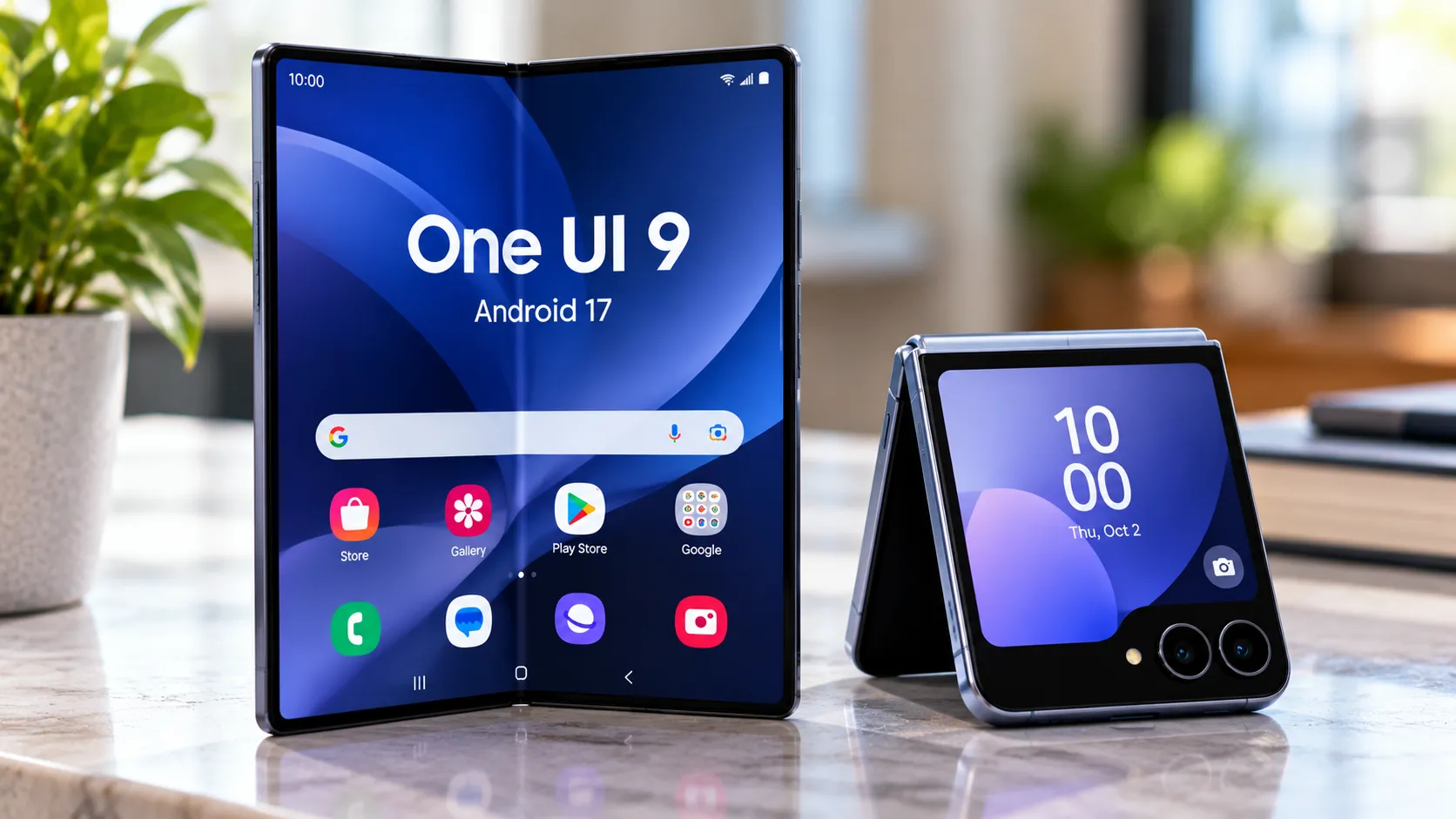
The flip's case rests on two things that matter for specific buyers. Folded, both phones fit places a standard flagship won't, which is most valuable if you consistently carry your phone in a front pocket rather than a bag. And a capable outer display lets you check messages, control music, and run apps without unfolding the phone at all, reducing how often you interact with the device in the conventional sense.
The crease deserves a direct word. Most owners report it becomes background noise within a few weeks. Some never stop noticing it. There's no shortcut to knowing which camp you're in without handling the phone for a day or two. If visible display creases genuinely bother you, skip the experiment and buy a slab.
For everyone else, the rest of this piece is worth reading.
The five criteria that separate these phones
Cover screen capability
For anyone buying a flip specifically for its outer display, this comparison matters more than chipsets, camera specs, or charging speeds combined.
A deep cover screen means replying to messages, controlling music, scanning a calendar invite, and dismissing notifications without unfolding the device. That's not a convenience feature; it's the primary argument for the form factor. A shallow one reduces the phone to a compact Android you open constantly, which undermines the whole premise of buying a flip in the first place.
The Motorola Razr line and Samsung's FlexWindow have reportedly taken different approaches to cover screen depth in prior generations, with Motorola leaning toward larger displays with broader app support and Samsung applying more restrictions on which apps run on the outer display by default. Whether that gap holds, narrows, or reverses in the current generation is the first thing to verify before committing to either phone. Check manufacturer spec pages for dimensions and resolution, then find a hands-on review from a publication that tested actual usability in the outer-display workflow rather than simply noting the screen size. Pay attention to whether full app support is native or requires workarounds, because a workaround that's annoying enough to skip defeats the purpose.
One downstream effect worth noting: a cover screen you actually use means fewer hinge openings over the life of the device. This criterion connects to durability in a way that isn't obvious from the display spec alone.
If using the outer display as a real workspace is a priority, this factor outweighs nearly everything else on the list.
Software support
This is where most flip buyers underestimate the math.
Foldable buyers pay a premium and accept more durability risk than conventional phone buyers. A phone that loses OS support in two years may leave you without security patches before you're ready to upgrade, and a foldable with a display failure in year three is a more expensive problem than the same failure in a conventional phone. The update commitment and the repair risk interact directly. A shorter support window plus a higher repair cost means a narrower window of confident ownership.
Samsung has reportedly committed to longer update windows for Galaxy devices than Motorola has historically offered for the Razr line, but policy changes between generations and anecdotal patterns are not warranties. Confirm the current official commitment for both phones, in years of OS updates and years of security patches, from manufacturer sources before drawing any conclusion.
The practical rule is simple: longer support lowers effective ownership cost, especially for a device that already carries higher repair risk. If the support gap between these two phones is two or more years, that difference belongs in the price comparison, not a separate section. A phone that costs more at launch but stays patched and supported for longer may be the cheaper phone over a three-year ownership cycle.
On AI features: both Samsung and Motorola have expanded their on-device toolsets. Verify which features run locally versus through cloud services, and whether any are gated behind subscriptions or regional restrictions. A feature that requires a paid tier in year two changes the value calculation in ways the launch price doesn't reveal.
Battery endurance
Both phones carry battery cells constrained by the folding chassis. The question isn't which phone has better battery life in the abstract; it's how much compromise each one asks you to accept, and whether fast charging offers a practical offset.
Raw milliamp-hour figures without usage context tell you almost nothing useful. A standardized screen-on-time test run under consistent brightness and controlled conditions, applied to both phones by the same publication, is what actually tells you how the device holds up through a day. Wired charging speed matters as a practical offset: a phone that reaches 50% in 20 minutes is more forgiving of a constrained cell than one requiring significantly longer.
If your day regularly involves six or more hours of active screen time, battery endurance may override every other criterion here, regardless of how the cover screen or software comparisons resolve. Know that threshold before you get attached to one device on the basis of another spec.
Camera system
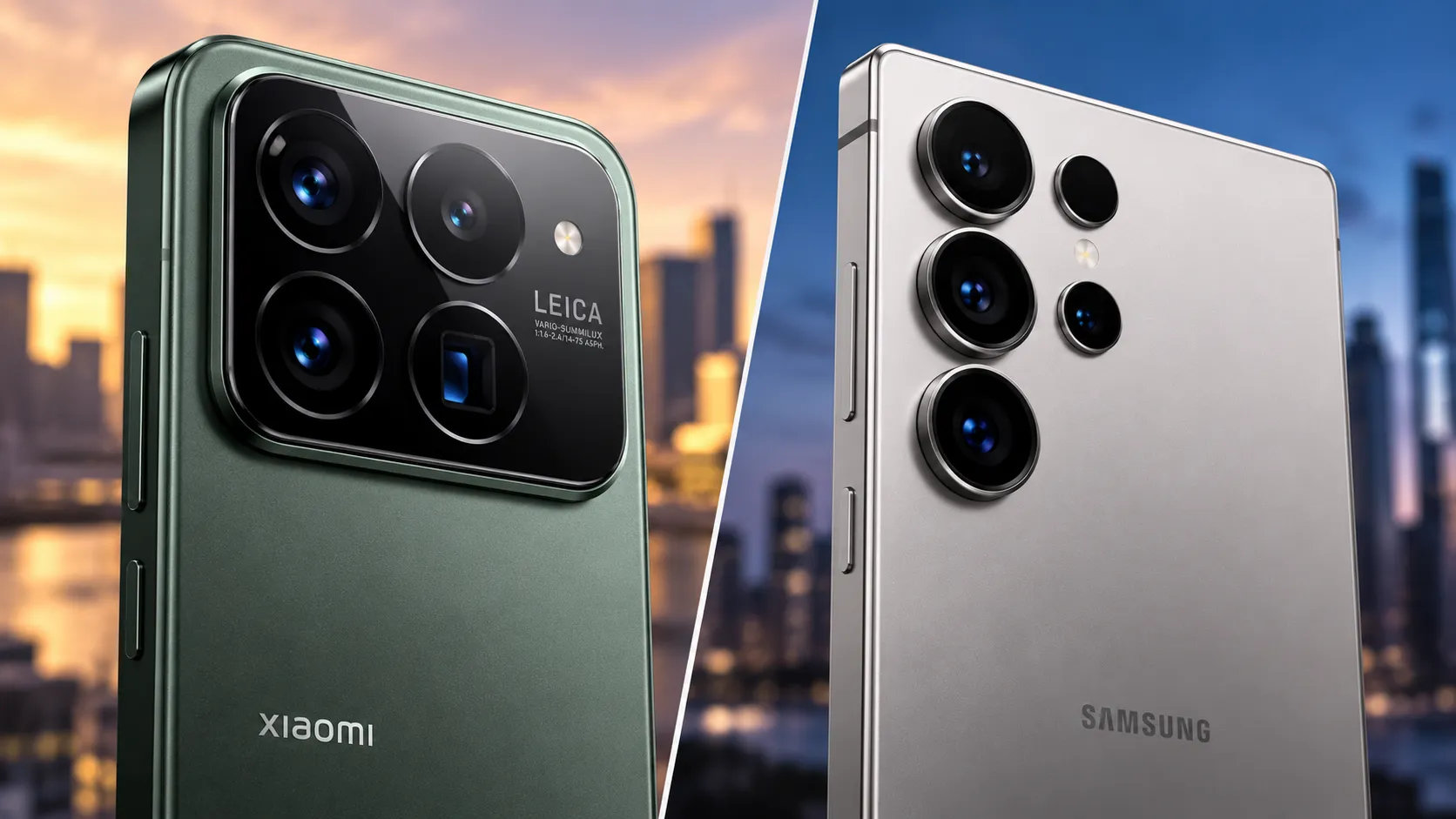
Foldable cameras have reportedly trailed the same brand's flagship slab in sensor size and lens versatility across multiple generations, though whether that gap persists in the current models is worth verifying through hands-on reviews rather than assumed. The relevant question for 2026 is whether either phone functions as a genuine primary camera for most buyers, or whether photography-first buyers should be looking at a slab instead.
The flip form factor does offer one camera advantage no conventional phone can match: selfie flexibility. Propped at any angle, you can shoot with the main cameras while using the outer display as a viewfinder. How cleanly each phone implements this, specifically whether the outer display shows a live feed without perceptible lag and whether the UI works one-handed without looking at the main screen, surfaces in hands-on reviews far more reliably than in spec sheets.
For the main camera system, the most useful data comes from a single publication running standardized methodology on both phones under conditions that reflect how most people actually shoot: indoors, handheld, available light. Impressions gathered from different reviewers in different conditions give you noise, not comparison. Check whether either phone includes a periscope telephoto, which remains uncommon in the flip segment, and pay attention to the ultrawide, the lens used most in everyday photography and the one most commonly downgraded in secondary-tier hardware.
Price and long-term value
The value comparison has two parts, and both are easier to get wrong than they appear.
The first is launch pricing. Confirm base-storage price for both devices from manufacturer sites, note what storage tier that actually buys, and be precise about what you're comparing. If one phone's base tier includes more storage at a lower price, that changes the math. Raw price difference is the starting point, not the conclusion.
The second part is ecosystem value, which matters only to buyers already inside an ecosystem. Samsung's deeper integration with its own hardware carries real compounding value for buyers who already own a Galaxy Watch or similar devices. For everyone outside that ecosystem, it's irrelevant. The useful exercise is identifying which Z Flip 8 features are only meaningful if you own other Samsung hardware, and being honest about whether you do. Ecosystem integration can be a genuine value multiplier; it can also be marketing that doesn't apply to your situation. Which one it is depends entirely on what you already own, not on what Samsung says about it.
Finally, bring the software support gap back into the price comparison. If one phone's update commitment is meaningfully longer, that difference has a concrete value when spread across the ownership cycle: more years of app compatibility, security coverage, and resale viability. Two phones priced $100 apart look different when one stays supported for two additional years.
How to decide
Two questions will resolve this comparison for most buyers before anything else matters: what is the official OS update commitment for each phone, verified from manufacturer sources? And what do standardized battery endurance results show for both devices under the same test conditions?
Those two data points tell you how long the phone will serve you and how much daily friction you'll accept while it does. If both phones are within striking distance on those two criteria, the cover screen comparison decides for buyers who want the flip form factor to pay off in daily use, and the final price comparison decides for everyone else.
One thing worth tracking as you research: market momentum matters for long-term ownership in ways no spec sheet captures. A manufacturer pulling back from the foldable segment tends to bring thinner accessory options, smaller repair networks, and reduced motivation to maintain software investment over time. If one brand's foldable line is contracting while the other's is growing, that's a real ownership variable for a device you plan to keep for three years. Check current shipment trends from market research firms covering the foldable category before finalizing your decision.
The phones that win on a spec comparison don't always win as ownership decisions. These five criteria are where the actual difference lives.


Comments
Be the first, drop a comment!