



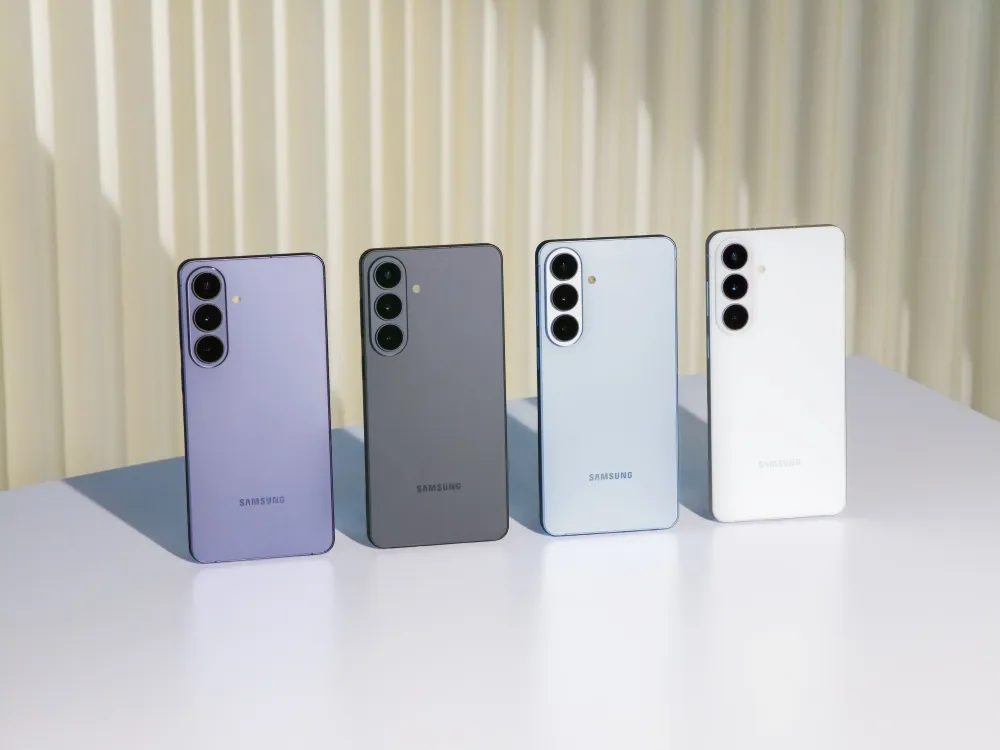
Samsung has confirmed the cause of the Samsung Galaxy S26 Ultra red screen problem that has been troubling owners since the phone launched earlier this year. The display discoloration is a software optimization failure, not a hardware defect, and affected owners can already get a fix at Samsung service centers while a broader over-the-air update is being prepared, Samsung confirmed Thursday, July 16, according to Chosun and subsequent reports.
That diagnosis changes the picture for anyone worried about a failing panel. Before Samsung spoke, the working assumption among owners and observers was that the first-generation Privacy Display OLED itself was defective, a scenario that would have meant screen replacements across an expensive flagship. A software fix is a significantly less disruptive outcome.
How this story developed
Complaints about a reddish or pink rectangular stain in the center of the S26 Ultra's display started appearing online as far back as March, shortly after the phone launched, per Engadget. Many of the more recent posts described the tint developing gradually after several months of use, a timeline that invited comparisons to permanent OLED burn-in, Notebookcheck reported.
When English-language outlets picked up the story last week, the picture was murky. Engadget reported that Samsung had told a Korean outlet it was "examining the matter internally to confirm the cause," while Korean reporting cited by Chosun and others said the company had already tied the problem to software optimization. Samsung's definitive explanation became public Thursday, July 16, when the company said the issue involved software-based color calibration rather than hardware damage.
Engadget also checked its own S26 Ultra review unit and found no color change, which tracks with complaints being concentrated among owners who had used their devices for three to four months or longer, Notebookcheck noted.
Is the Galaxy S26 Ultra red screen issue a hardware defect or a software bug?
Samsung stated plainly that the display discoloration "is due to software optimization, not hardware," and confirmed it plans to resolve the issue through an optimization update rather than panel replacements, Chosun reported. A company official added that "the problem will be resolved by optimizing the color correction software."
For owners, that distinction is the whole story. A software diagnosis means affected phones should not need screen replacements, Android Police reported.
What triggers the Galaxy S26 Ultra red tint bug
Samsung says the symptom can occur after prolonged exposure to strong lighting while the display is operating at maximum brightness, conditions common for retail display units. A Samsung executive confirmed the same mechanism: strong ambient light causes the OLED's color balance to shift toward red. Outdoors on a bright day is the obvious scenario.
The S26 Ultra is the first Samsung phone to use what the company calls Privacy Display, built on "LEAD 2.0" technology that removes the polarizing plate from the OLED stack to improve color transmittance and power efficiency, Chosun reported. Samsung introduced this new display architecture specifically on the S26 Ultra, and the issue appears under those specific brightness and lighting conditions. Samsung has not publicly detailed whether the polarizer-free design itself is the direct cause of the calibration problem.
The fix targets color correction software. A Samsung official confirmed the problem "will be resolved by optimizing the color correction software," per Chosun. The hardware is not being modified or replaced.
Two things Samsung has not addressed publicly: why the discoloration concentrates in a rectangular zone at the center of the screen rather than shifting the entire display, and why some units appear unaffected while others developed the tint. The rectangular pattern was what made early observers suspect hardware damage in the first place, and those questions remain open based on available reporting.
Samsung Galaxy S26 Ultra software update fix: what owners can do now
The over-the-air update had not been released as of this past Sunday, GSMArena reported. Samsung says it is being prepared.
Owners who want to act now can visit a Samsung service center, where the software fix is already being applied on request. For those who cannot get to a service center, Samsung has said a broader rollout is planned, though no specific timeline or geographic phasing has been confirmed publicly, Notebookcheck reported.
No independent testing has yet confirmed whether the service-center fix fully resolves the Galaxy S26 Ultra display discoloration issue in real-world conditions or prevents recurrence. Samsung's account is credible given the company's investigation, but third-party verification has not been published. Samsung has also not addressed publicly whether continued use in the triggering conditions, high brightness under strong ambient light, carries any long-term effect on the panel before the fix is applied.
Owners experiencing the issue should check Samsung Members or Samsung's support pages for OTA availability, and consider the service-center option if the discoloration is severe enough to affect daily use.
What's still unconfirmed
Samsung's software explanation resolves the most urgent concern: screen replacements should not be necessary. Several details remain unaddressed, though.
The company has not explained why the staining appears as a defined rectangular zone in the center of the display rather than a full-panel color shift. Whether that pattern reflects something specific about the Privacy Display's internal structure or a calibration boundary is not known from available reporting.
There is also no public explanation of why some units developed the tint while others, including Engadget's review unit, did not. Differences in lighting exposure and usage may play a role. Whether certain hardware batches or software versions are more susceptible has not been addressed.
Samsung has not committed to a timeline for the OTA rollout beyond indicating it is coming. Owners outside major markets may find service-center access limited, and without a published schedule, the wait for a remote fix is hard to estimate.
The software fix is available now at service centers. When the broader update ships, real-world reports from affected owners will show whether it closes the issue cleanly or opens another round of tuning.


Comments
Be the first, drop a comment!