





Samsung Galaxy Z Fold 8 Per-App Zoom Controls and Their Limits
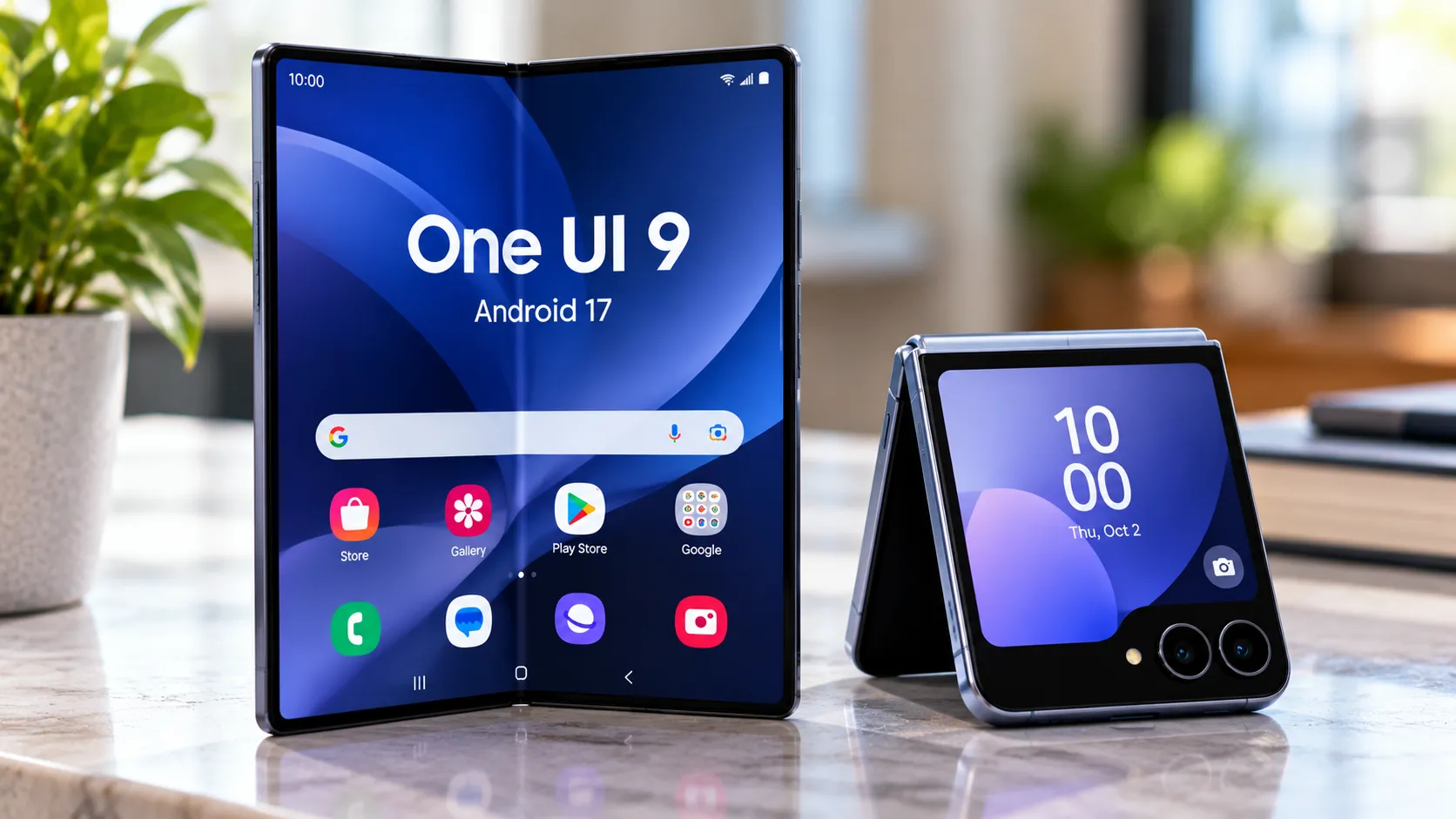
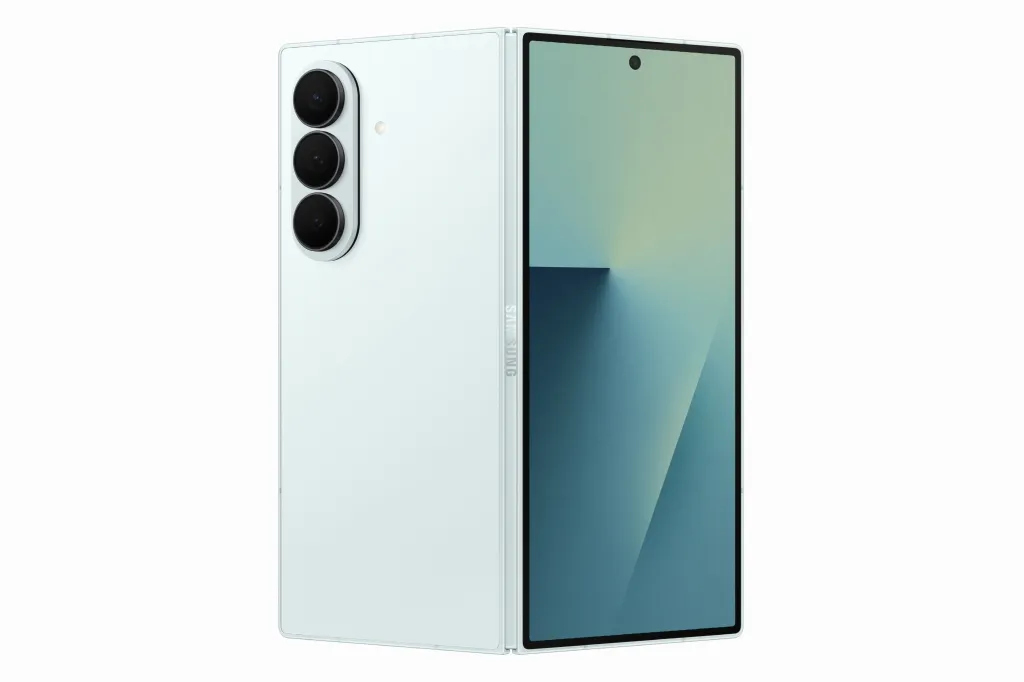
A setting buried inside Samsung's Galaxy Z Fold 8 quietly acknowledges something the Android ecosystem has been slow to fix: ultra-wide foldable displays still cause problems for some apps, and someone has to compensate. Samsung's answer, at least for now, is a per-app zoom control tucked inside Settings → Advanced features → Labs. The Samsung Galaxy Z Fold 8 per-app zoom controls let users assign individual apps one of five scaling levels. Tipster Dylan H alerted Android Authority, which reported the feature today on pre-release hardware. Samsung has confirmed that review units aren't yet running final retail software, so whether the feature survives to launch remains an open question. Retail sales open August 7.
For users stuck with phone-first apps that look cramped or oversized on the Fold 8's wide inner display, even a partial scaling adjustment can improve readability without waiting on a developer update that may never arrive. How much improvement depends almost entirely on the app.
How Samsung Galaxy Z Fold 8 per-app zoom controls work
The zoom option is currently absent on both the Z Fold 8 Ultra and the Flip 8, despite Android Authority finding evidence of it in Fold 8 Ultra firmware strings last week. The mechanic is straightforward: assign a supported app one of five zoom levels, and the system adjusts its display scaling. What happens from there depends on how the app was built.
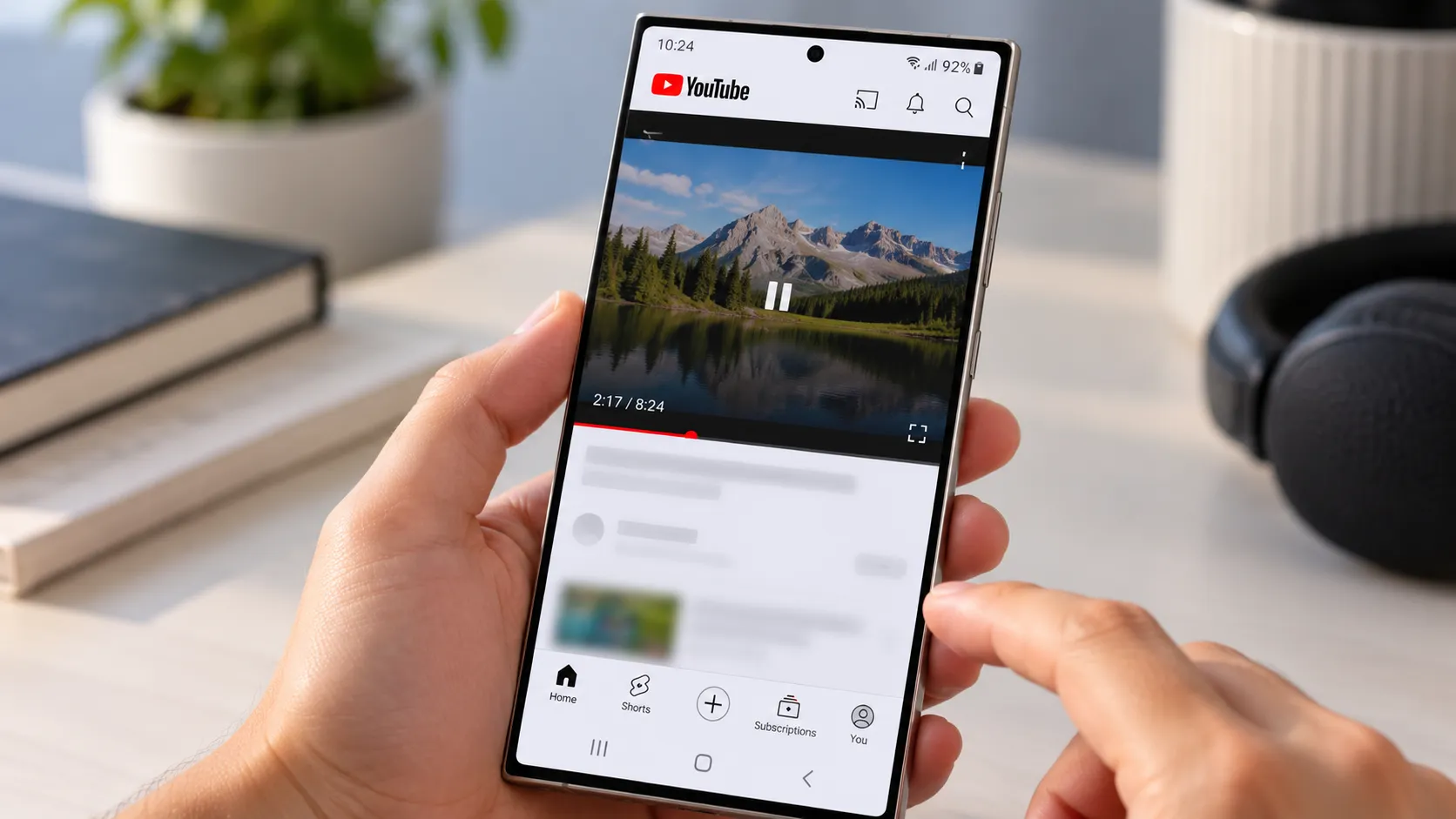
Google Maps shows the feature at its best. Both map content and UI chrome scale together across all five levels, producing something close to a genuine display-density adjustment: more map visible at lower zoom, larger and more readable elements at higher zoom, Android Authority observed. Chrome tells a different story. The browser interface rescales, but page content doesn't follow, leaving a mismatched result where the UI and the webpage operate at different apparent sizes.
Same five levels. Same setting. Meaningfully different outcomes depending on app architecture.
Worth noting: this is distinct from Android's system-wide display size or accessibility zoom settings, which scale everything uniformly across the OS. Per-app zoom targets individual apps specifically and is designed to address the inconsistent way different apps handle the Fold 8's wide inner display, rather than adjusting the entire interface.
The supported app list is notable for what it excludes. Samsung's own apps don't currently appear among the options, per Android Authority, which notes it remains to be seen whether that changes as the feature moves out of Labs. A manufacturer-built system tool that skips first-party apps shapes expectations considerably. This is a Labs experiment with genuine usefulness in specific cases, not a universal scaling fix.
Per-app zoom appears most reliable in apps that already implement adaptive layouts, where it gives users finer control over display density. In apps that ignore window-size signals or assume fixed portrait orientation, results are likely to be partial. It is not the same as in-app pinch-to-zoom and doesn't guarantee that content will rescale alongside the UI.
Why the Fold 8's ultra-wide display makes app scaling hard
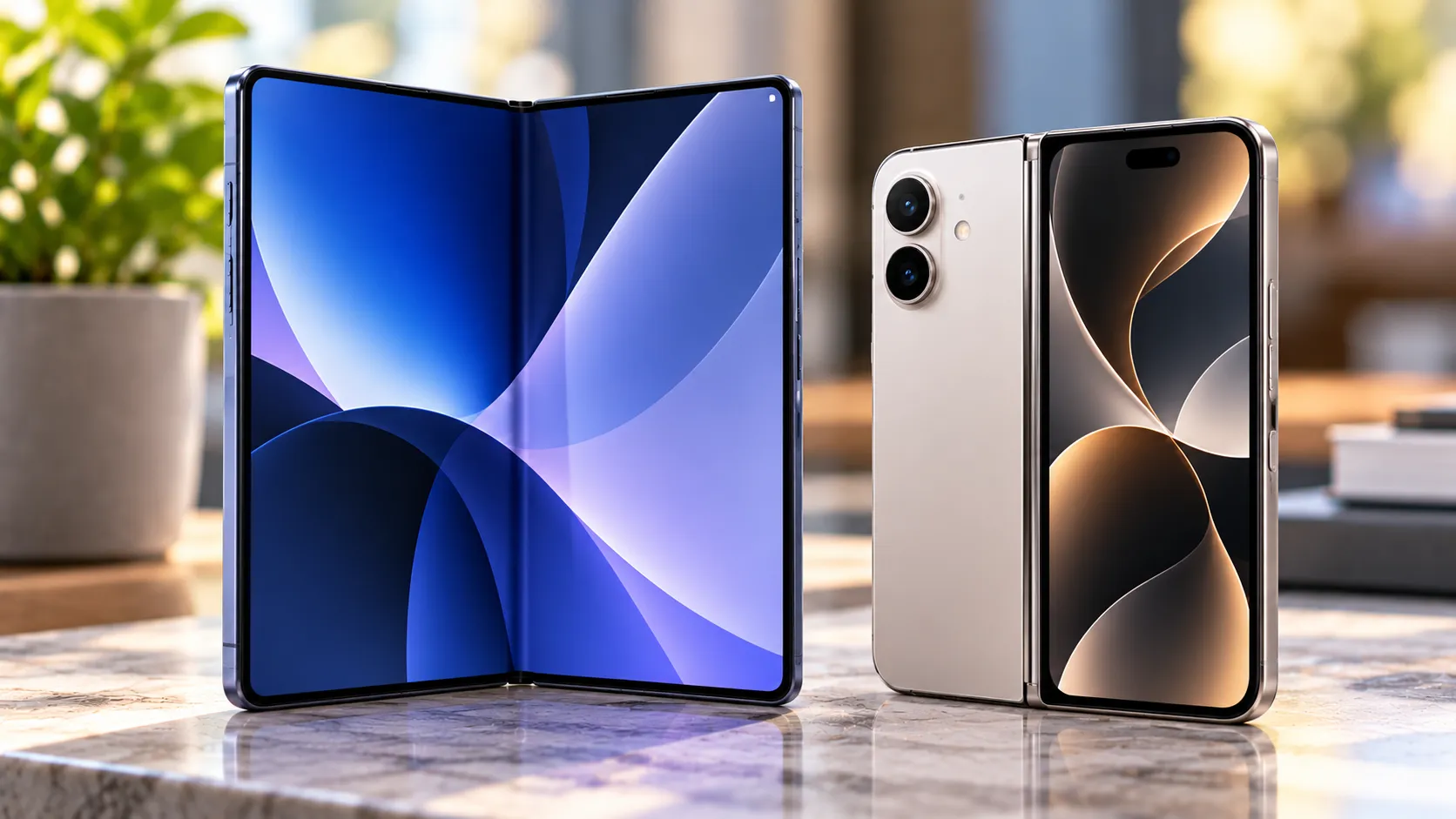
The per-app zoom feature makes more sense once you understand the specific problem the Fold 8 creates for Android apps. Google has explicitly classified the Z Fold 8 as an "ultra-wide foldable," a form factor with very few Android precedents; the original Pixel Fold is among the only comparable examples, 9to5Google reported last week. Most Android apps were built with portrait phones as the assumed canvas. Google is now urging developers to build by "dropping assumptions about display orientation and size," which implies those assumptions are still common enough to require an explicit nudge.
The problem runs deeper than orientation. An app's usable display space rarely matches the physical screen size on a foldable, particularly in multi-window or split-screen configurations, and sometimes the orientation itself differs from what the app expects, 9to5Google reported. Apps that assume a fixed portrait orientation for unfolded devices "will likely suffer from sideways, stretched, or cropped previews during these folding transitions," according to Google. Google's updated adaptive layout guidance tells developers to determine layout changes based on window class width first, then adjust for height, precisely because the window an app occupies on a foldable bears little relationship to the device's physical dimensions.
Google's guidance for the Fold 8 also pushes fold awareness as a specific requirement: apps should be able to split their layout around the hinge position and respond to Flex Mode states, 9to5Google reported. That's a meaningful ask for developers who haven't yet tackled basic landscape support.
Samsung's own developer documentation has outlined the requirements for years: apps should be resizable, fill the screen without letterboxing, support landscape, and render correctly across varying widths and aspect ratios, per Samsung's foldable design guidance. Continuity matters too. When a user unfolds the device mid-session, the app should pick up exactly where it left off, including scroll position, text input, and keyboard state.
The honest conclusion is that years of documented requirements and developer guidance haven't resolved this. Enough apps still struggle on ultra-wide foldables that Samsung appears to have decided a device-side lever is worth building. That framing is inferred from the feature's existence and its placement in Labs, not confirmed by Samsung directly, but it's consistent with the evidence.
What Labs status actually means for Fold 8 owners
Samsung's Labs section functions as a staging area for features in active development. Features that appear there aren't guaranteed to ship, can arrive in altered form, and may disappear entirely between pre-release and retail firmware. Samsung has confirmed that review units aren't running final software, Android Authority noted, which means the version of per-app zoom observable today may not reflect what retail buyers receive on August 7.
That context matters for calibrating expectations. A feature landing in Labs gets no implicit promise of polish, broad app support, or longevity. It does signal that Samsung considers the problem real enough to build a workaround, even if the workaround itself is still being refined.
Who benefits, and what to watch on August 7
Users most likely to get genuine value from Galaxy Z Fold 8 app zoom settings are those regularly running older or phone-first apps on the inner display. Apps that haven't been updated for adaptive layouts can end up feeling cramped or oversized on the wide panel; even a partial scaling adjustment can make them more comfortable to use.
Three meaningful unknowns will start resolving when retail units ship.
- Whether the feature survives to final firmware. Its Labs status means it isn't guaranteed to ship, and Samsung has confirmed that review unit software isn't final, Android Authority noted.
- Whether Samsung's own apps are added to the supported list before or after launch. Their current absence limits the feature's practical reach.
- Whether the behavior gap between Maps-style and Chrome-style results narrows, or whether that gap represents a permanent ceiling on what system-level scaling can accomplish without app cooperation.
The Chrome example already shows where that ceiling sits. Webpage content that doesn't respond to a scaling signal the browser itself accepts is a problem Samsung may not be able to solve fully at the OS layer; the app has to meet it halfway. That's the honest constraint on what per-app zoom can be: a better tool for apps already built to respond to scaling signals, and a partial fix for those that aren't.
August 7 will tell us whether the experiment makes it to retail. If it does, the supported app list and the depth of the Chrome-Maps gap will be the real story.


Comments
Be the first, drop a comment!