





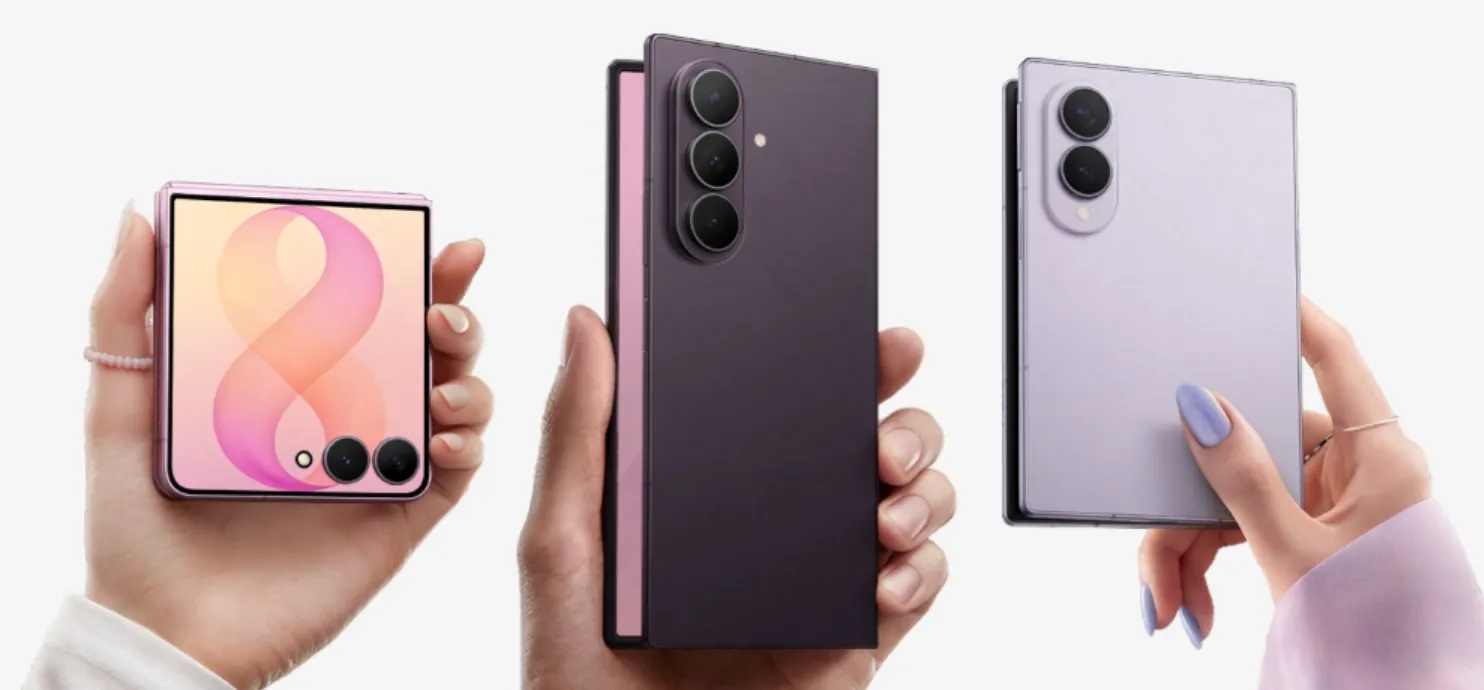
Samsung introduced the Galaxy Z Flip8, Galaxy Z Fold8, and Galaxy Z Fold8 Ultra on July 22, 2026, with larger batteries, thinner designs, and lower weights across parts of the lineup. The company's official Galaxy Z specifications list a 5,000mAh battery for the Fold8 Ultra, 4,800mAh for the Fold8, and 4,300mAh for the Flip8.
Behind those hardware changes is a battery technology Samsung did not identify in its public specifications. The Flip8, Fold8, and Fold8 Ultra are the first Galaxy phones confirmed to use silicon-carbon batteries, according to Android Authority's report from Samsung media briefings.
Despite the name, these are still lithium-ion batteries. The difference is in the anode, where silicon is added to a carbon-based design. Because silicon can store more lithium than graphite, manufacturers can fit more energy into a similar amount of space.
That advantage is particularly useful in foldable phones. Hinges, dual displays, cameras, cooling systems, and structural reinforcement all compete for limited internal space. A more energy-dense battery gives Samsung room to increase capacity, reduce thickness, or divide the benefit between the two.
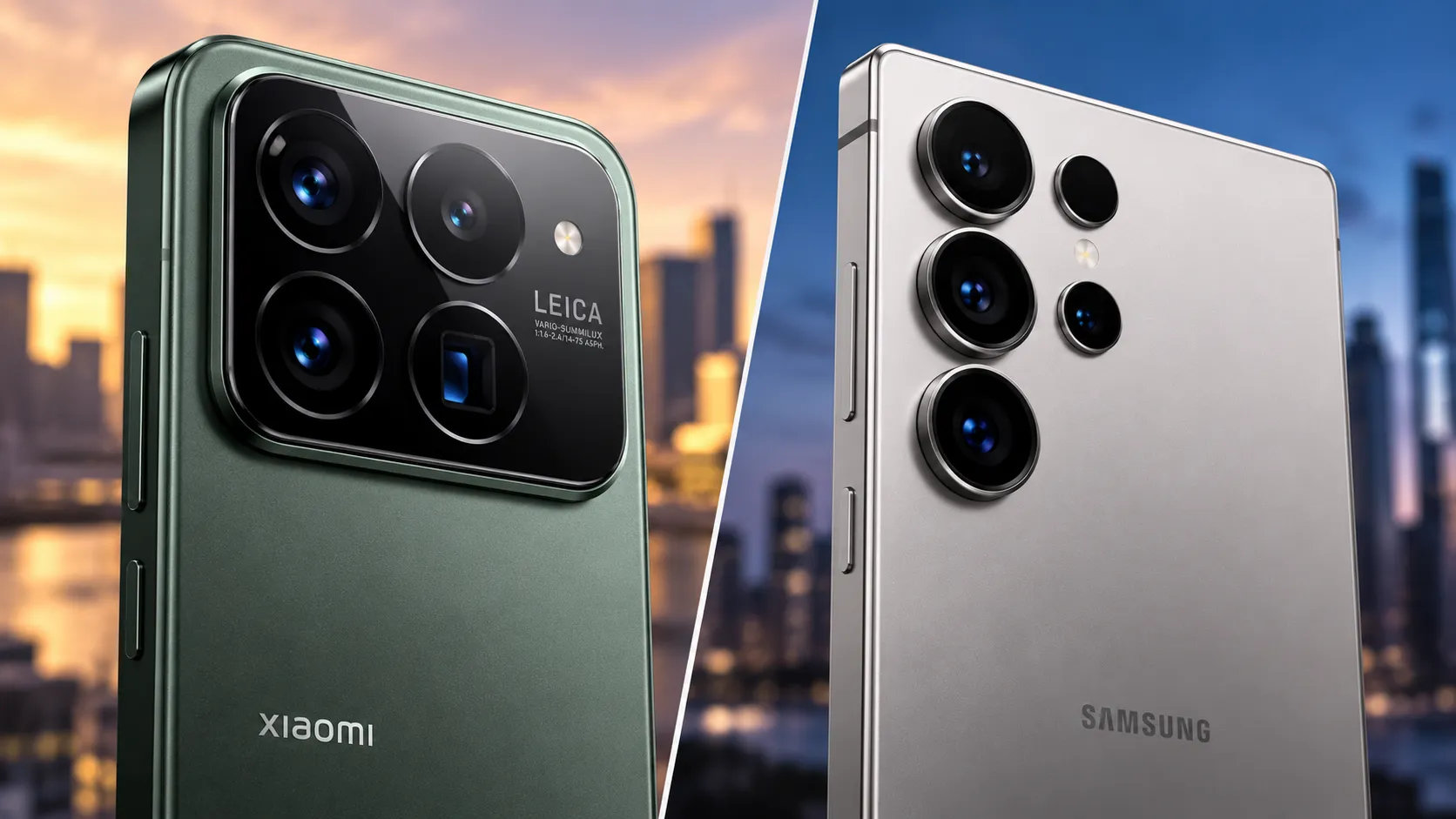
Samsung is not the first phone manufacturer to adopt the technology. Honor introduced silicon-carbon batteries in commercial smartphones in 2024, followed by brands including OnePlus, Oppo, and Xiaomi. Samsung's move brings the technology to the Galaxy line and applies it across three distinct foldable designs.
How Samsung used the extra energy density
The Fold8 Ultra has a 5,000mAh typical battery capacity, compared with 4,400mAh in the Galaxy Z Fold7. It measures 4.1mm when unfolded and weighs 215 grams, making it Samsung's slimmest Z Fold design to date.
The standard Fold8 has a 4,800mAh typical capacity and weighs 201 grams. Samsung describes it as the lightest Galaxy Z Fold it has released.
The Flip8 takes a different approach. It combines a 4,300mAh battery with a thinner, lighter body, although Samsung has not disclosed how much of that reduction is directly attributable to the silicon-carbon cell.
The two Fold models pair larger batteries with relatively thin and light bodies, while the Flip8 emphasizes portability.
Higher capacity does not guarantee proportionally longer battery life. Runtime also depends on display size, processor and modem efficiency, software activity, temperature, and how the phone is used. The Fold8 Ultra's larger displays and more demanding hardware could consume some of the extra energy its battery provides.
Why silicon creates a durability challenge
Silicon can store considerably more lithium than graphite, but it also expands more as it absorbs lithium during charging. Repeated expansion and contraction can crack particles, interrupt electrical connections, and destabilize the protective interface between the electrode and electrolyte.
A 2025 review in ACS Applied Materials & Interfaces examines silicon-anode expansion and cycle-life challenges, along with material and structural approaches used to control them. Carbon frameworks, specialized binders, coatings, porous structures, and electrolyte adjustments can help accommodate expansion and preserve performance over repeated charge cycles.
Samsung said it modified more than the anode material for the new foldables. The company also adjusted the electrolyte, separator, cell structure, expansion controls, and overall battery architecture.
Samsung executive Sunghoon Moon said the company optimized the proportion of silicon in the cells but would not disclose the exact percentage. He added that the Flip8, Fold8, and Fold8 Ultra use the same silicon ratio.
That missing figure makes direct comparisons with competing batteries difficult. Increasing the proportion of silicon can improve energy density, but it can also make expansion and long-term capacity retention more difficult to manage. The "silicon-carbon" label alone does not reveal how much silicon a battery contains or how aggressively its manufacturer has pursued higher energy density.
Long-term battery health remains unproven
Samsung says the new batteries should provide charge-cycle performance and lifespan consistent with previous Galaxy devices. The company has not published the cycle count, capacity-retention target, testing conditions, or detailed thermal results behind that assurance.
The Fold8 Ultra also supports 45-watt wired charging through a dual-path architecture that Samsung says distributes power more efficiently across the battery system. Samsung has not said that the charging design was introduced specifically because of the silicon-carbon anode, so the two developments should not be presented as directly connected.
Silicon-based anodes can support strong charging performance, but charging speed also depends on the cathode, internal resistance, power-management hardware, cooling system, and software limits. A silicon-carbon battery does not automatically charge faster simply because it can store more energy in the same amount of space.
As of July 24, 2026, independent long-term testing was not yet available because Samsung had announced the phones only two days earlier. Meaningful evaluations will need to measure capacity loss after hundreds of charge cycles, heat during sustained charging, and real-world runtime under comparable workloads.
Samsung's battery claims will also be viewed against the 2016 Galaxy Note7 recall, which followed reports of batteries overheating and catching fire. That history is not evidence of a problem with the new cells, but it provides context for Samsung's emphasis on safety, stability, and longevity when introducing a new battery design.
The physical gains are clear; longevity is not
Silicon-carbon batteries give Samsung more flexibility to balance capacity, thickness, and weight. The Fold8 Ultra and Fold8 use that flexibility partly to offer larger batteries, while the Flip8 packages a 4,300mAh battery inside a thinner, lighter body.
The technology cannot yet establish how well those batteries will age. Samsung says their lifespan should remain comparable to previous Galaxy generations, but it has not released enough cycle-retention data to verify that claim.
For now, the measurable improvement is in the hardware: Samsung has increased battery capacity in its Fold models without abandoning its push toward thinner, lighter devices. Longer-term testing will determine whether those gains come with any meaningful penalty in battery health.


Comments
Be the first, drop a comment!