





Galaxy S27 Silicon-Carbon Battery Upgrade May Skip Base Model
Samsung just shipped silicon-carbon batteries in its new foldables for the first time. Now a credible Korean leaker says the same chemistry is being tested in the Galaxy S27 series, the phones that drive Samsung's actual volume. The Galaxy S27 silicon-carbon battery question isn't whether the technology works. It's whether Samsung puts it in the right phones at the right price.
All three of Samsung's latest foldables use silicon-carbon cells, making them the first Galaxy devices to do so, The Verge reported this past Tuesday. Korean tipster Lanzuk (@yeux1122) claims Samsung is now testing silicon-carbon cells across the S27 lineup, with capacities reportedly expected to run roughly 10% larger than the S26 generation, Android Authority reported last Thursday. The complication: Samsung is reportedly torn between extending the technology to the full S27 lineup or limiting it to the Pro and Ultra tiers, with manufacturing cost cited as the deciding factor.
None of this is confirmed. Samsung has not announced S27 specifications, no capacity figures are final, and the sourcing is a single leaker, not a verified supply chain disclosure.
Which S27 models could get the silicon-carbon upgrade
The most actionable question is also the least settled: which phones in the S27 lineup would actually receive the new chemistry.
If testing proceeds as the leaker claims, the Galaxy S27 Ultra could arrive with a battery around 5,500mAh, roughly 10% larger than its predecessor, though Samsung has not finalized any figures, Android Authority reported last Thursday. That would be the largest battery Samsung has ever put in a non-foldable flagship. The base Galaxy S27 is a different story. Samsung reportedly hasn't decided whether to extend silicon-carbon cells to the entire lineup or limit them to the Pro tier and above, with cost cited as the barrier, leaving the standard model's status genuinely open.
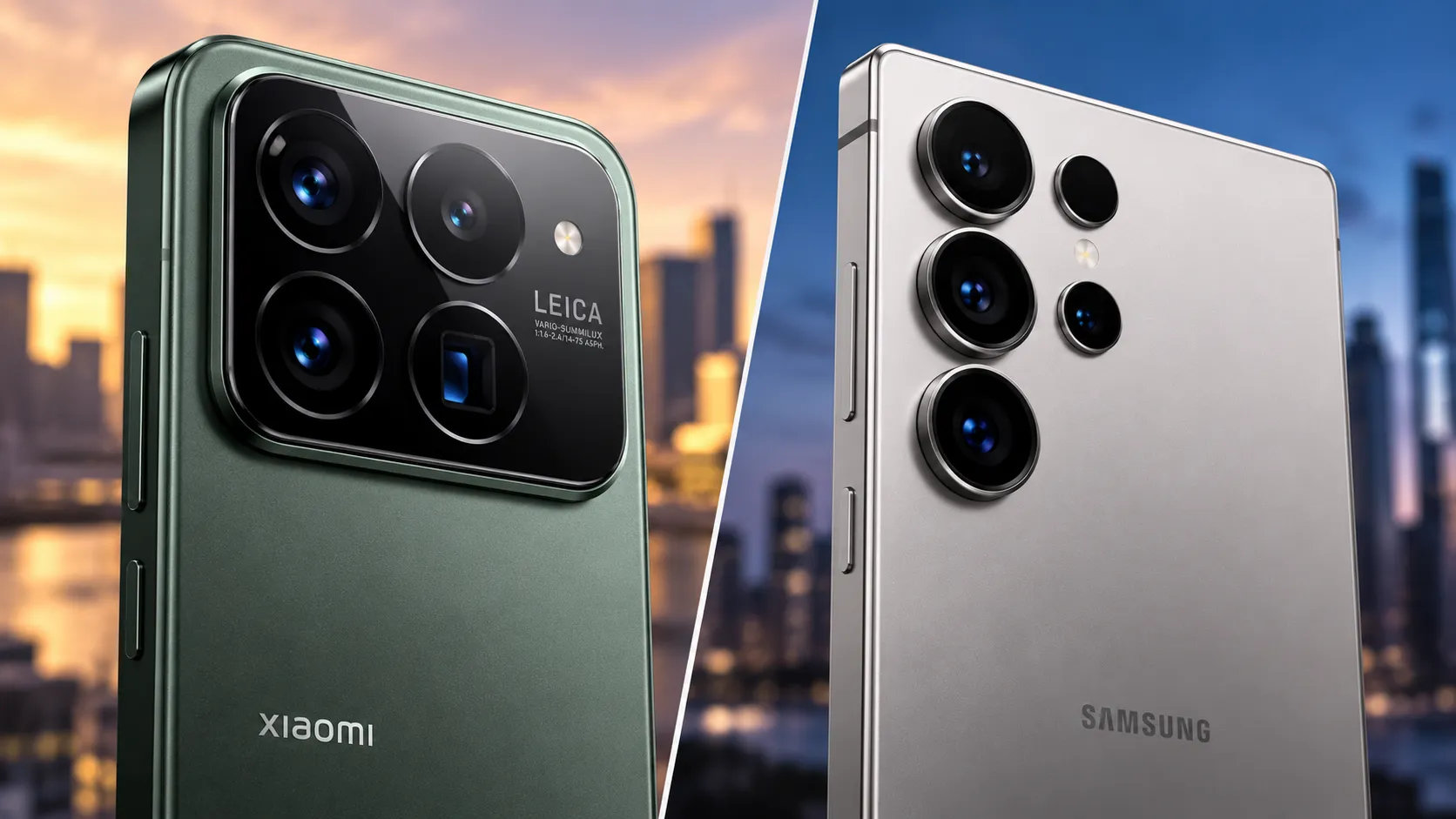
Silicon-carbon chemistry hands manufacturers two distinct choices: increase raw capacity within the same physical footprint, or maintain current capacity in a smaller, lighter cell. Samsung hasn't indicated which direction it will take and could reasonably split the approach across models, Android Authority noted last Thursday. Chinese makers have leaned hard into capacity, with the OPPO Find X9 Pro shipping at 7,500mAh and the OnePlus 15 at 7,300mAh, Android Authority reported. Others, like the Xiaomi 17 and OnePlus 15T, have used the chemistry to shrink the cell while holding capacity flat.
A 10% capacity gain is not a revolution. On a phone that already gets through a full day, it likely means a more reliable buffer in the final hours, or a thinner chassis if Samsung prioritizes design over endurance. It's a real improvement, not a transformation. And if the base S27 is excluded, that modest gain sits behind a significant price jump.
Why the S27 matters more than the foldables
Samsung's foldables are engineering showcases. The Galaxy S series is where the volume lives, and that distinction shapes why the reported testing is worth covering at all.
Samsung has publicly attributed its conservative capacity figures to a focus on longevity and stability, properties that silicon-carbon chemistry puts under pressure, The Verge noted this past Tuesday. That position has kept Samsung out of the giant-battery arms race. It's also meant Samsung's flagships have been running graphite anodes while rivals have shipped silicon-carbon cells for over a year. Analysts had previously suggested it could take several more product cycles before silicon-carbon reached the Galaxy S line at all, Android Police noted last year. The reported S27 testing, if it reflects Samsung's actual roadmap, suggests that timeline has shifted forward.
Silicon anodes can store roughly ten times more lithium ions than conventional graphite, Android Police detailed last year. Samsung isn't chasing that theoretical ceiling, but even a conservative application of the chemistry closes some of the gap with Chinese rivals who have been running silicon-carbon cells in mainstream flagship phones for years.
The durability question Samsung's foldables have already raised
The new foldables aren't just the first Samsung devices with silicon-carbon batteries. They're the first data point on how well Samsung has managed the chemistry's central problem.
Android Authority reported last Thursday that Samsung's new foldables appear to be degrading faster than last year's models, an early claim consistent with silicon's known expansion behavior during charge cycles. That signal is preliminary and based on limited data. The underlying physics is not in dispute, though: silicon expands by roughly 300% during charging in its pure form, Android Police documented last year. Blending it with carbon reduces expansion to roughly three times what graphite-only cells experience, which is more manageable, but the cumulative effect on battery health over three or four years of daily use remains an open question.
Samsung has positioned longevity as a core brand value, specifically the same property silicon-carbon chemistry strains, The Verge noted this past Tuesday. That tension is real and will need to be resolved before the chemistry moves to Samsung's highest-volume lineup. The foldables shipping now are the first real-world test of whether Samsung has managed that trade-off well enough to scale it.
Six months of owner reports will tell more than any spec sheet. That data arrives before the S27.
What to watch before the S27 arrives
Three signals will determine whether the Samsung Galaxy S27 battery upgrade lands as meaningfully as the testing suggests.
First: model confirmation. If silicon-carbon cells are limited to the Pro and Ultra, buyers considering the base S27 will face a straightforward question, whether the step-up price is justified by the battery difference alone. Second: what final capacity figures reveal about Samsung's priorities. A 5,500mAh Ultra built for endurance is a different product from a thinner Ultra holding the same capacity as its predecessor. Watch pre-launch regulatory filings and any early teardown disclosures for which direction Samsung chose.
Third: foldable durability data. The back half of 2026 will produce the first meaningful owner reports on how Samsung's new foldables hold up through daily charge cycles. If the early degradation signal fades and production costs keep falling, silicon-carbon is expected to become standard across flagship Android within two to three years, Android Police projected last year. Samsung's reported testing suggests it intends to be part of that shift, not trailing it. Whether the upgrade reaches the phone most people can actually afford to buy is still the question that matters most.






Comments
Be the first, drop a comment!