



Ask ten people how the iPhone Ultra vs Samsung Galaxy Z Fold 8 matchup plays out this fall, and most will predict a rout: Apple's foldable debut does to this category what the original iPhone did to BlackBerry. That prediction needs a clearer definition of "win" before it holds up. Total foldable-market share is a different question than launch-week hype, and once you separate the two, the case for an Apple rout looks a lot thinner.
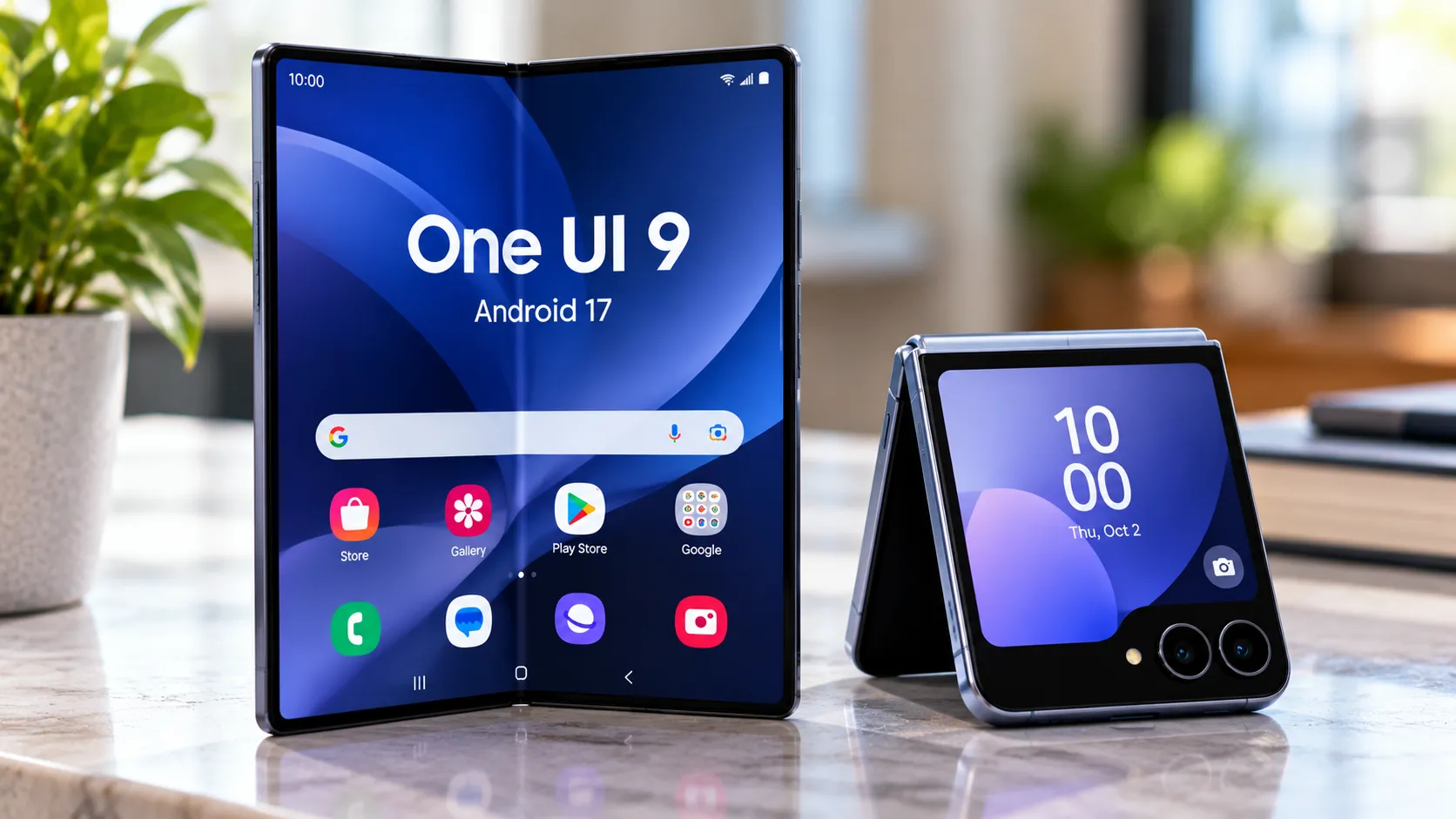
Samsung is eight generations into its Galaxy Z Fold line. Apple has yet to ship a foldable iPhone at all. The new Galaxy Z Fold 8 uses a 5.5-inch cover display and a 7.6-inch inner display, dimensions nearly identical to what's rumored for the iPhone Ultra. Samsung has led the U.S. foldable market since it began roughly seven and a half years ago.
Displacement, if it's going to mean anything concrete, has to be measured: Samsung's unit sales, its share of the U.S. foldable market, its profitability, or its slice of the premium-foldable segment once Apple ships.
The available reporting includes a projection that Apple could account for around 25% of global foldable smartphone shipments in 2026, but nothing that forecasts what happens to Samsung's own numbers once that occurs. That gap is the whole argument. Apple is likely to expand the foldable category rather than conquer it, and Samsung has already closed the most obvious hardware gaps between the two devices.
iPhone Ultra vs Samsung Galaxy Z Fold 8: Samsung already solved the obvious hardware problem
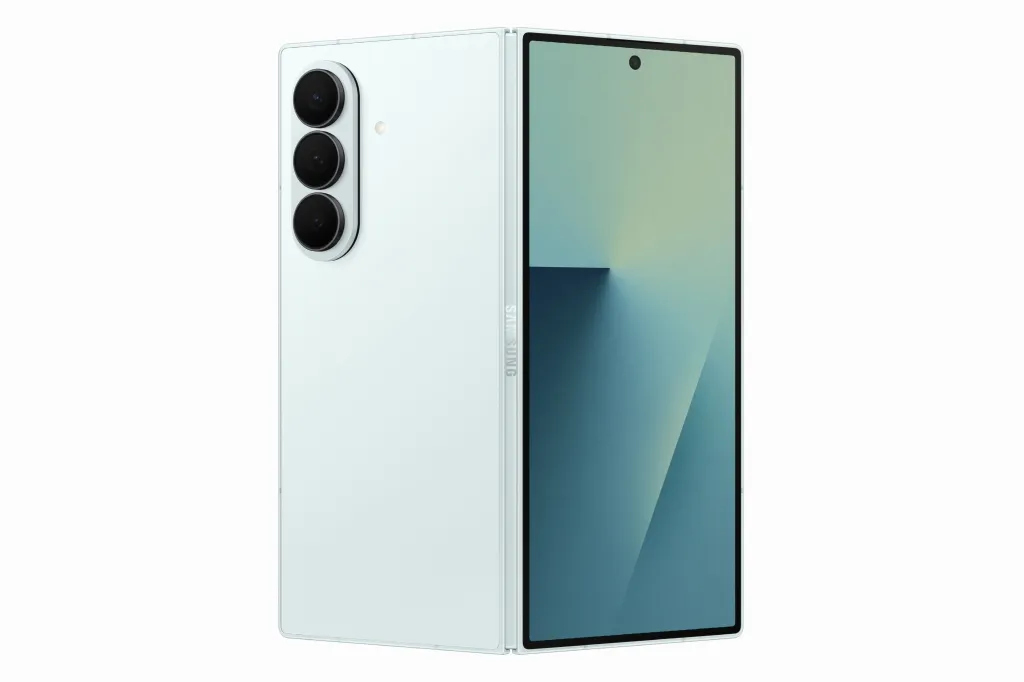
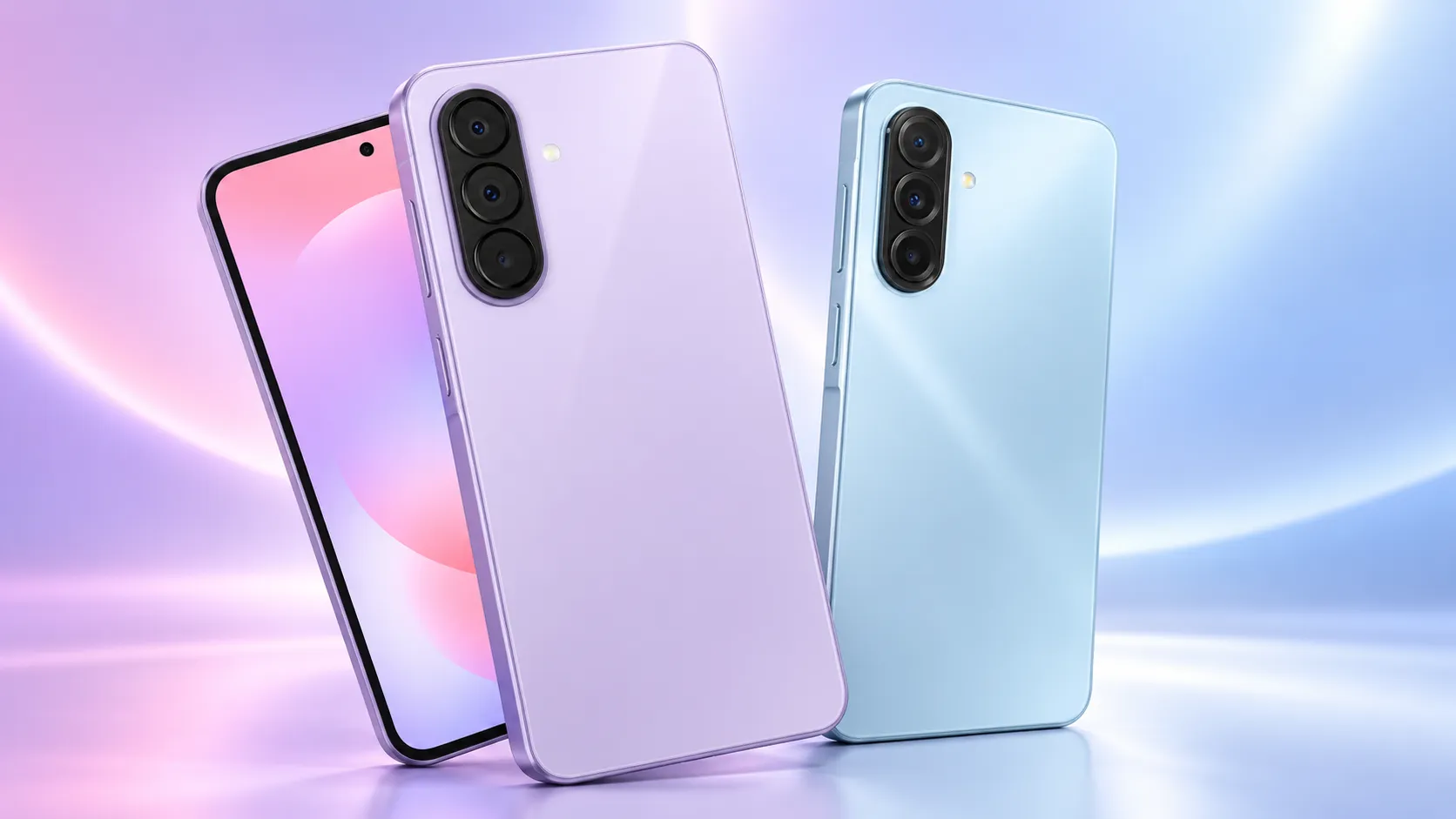
The argument that Apple will introduce a categorically better foldable shape doesn't hold up, because Samsung got there first with a comparable device. The Galaxy Z Fold 8 measures 123.9 x 81.9 x 9.7mm folded and 123.9 x 161.4 x 4.5mm unfolded, a wide, passport-style design that closely resembles Apple's rumored wide-bodied foldable.
The sequencing is suggestive. MacRumors describes it as "looking like" Apple settled on this shape first, with leaked details pushing Samsung toward a similar design; Samsung had access to the wide-body concept for years and only adopted it a couple of months before Apple's expected launch. That's a hedge worth keeping, but the timing still tells a story about who moved first and who reacted.
The engineering backs up the intent. At 201g and 4.5mm unfolded, the Fold 8 is Samsung's lightest Fold yet, built on a new Flex Titanium system that pairs a titanium-alloy film with a support plate. Samsung says the combination reduces crease visibility while preserving durability.
Outlets don't fully agree on how visible the Galaxy Z Fold 8 display crease actually is. 9to5Google, reviewing the phone in a report cited by 9to5Mac, found it "barely visible," while MacRumors says it's still clearly visible under certain lighting.
Either way, if the iPhone Ultra ships in roughly the same footprint Samsung already sells, Apple's hardware novelty shrinks to a matter of degree rather than category, a refinement Samsung has been iterating on for eight generations already.
The strongest case for the iPhone Ultra, and what it would take to matter
Apple's real advantages deserve serious evaluation, not dismissal. But each one is unverified on shipping hardware, and each would need to clear a high bar to offset price and Samsung's head start.
Start with the display. Apple is reportedly working with Samsung Display on a visually crease-free panel, which multiple outlets flag as the likely biggest visible difference between the two devices. Given that outlets reviewing the Fold 8 already disagree on how visible its crease is, a "no crease at all" claim needs independent confirmation before it becomes a decisive selling point rather than a marketing line.
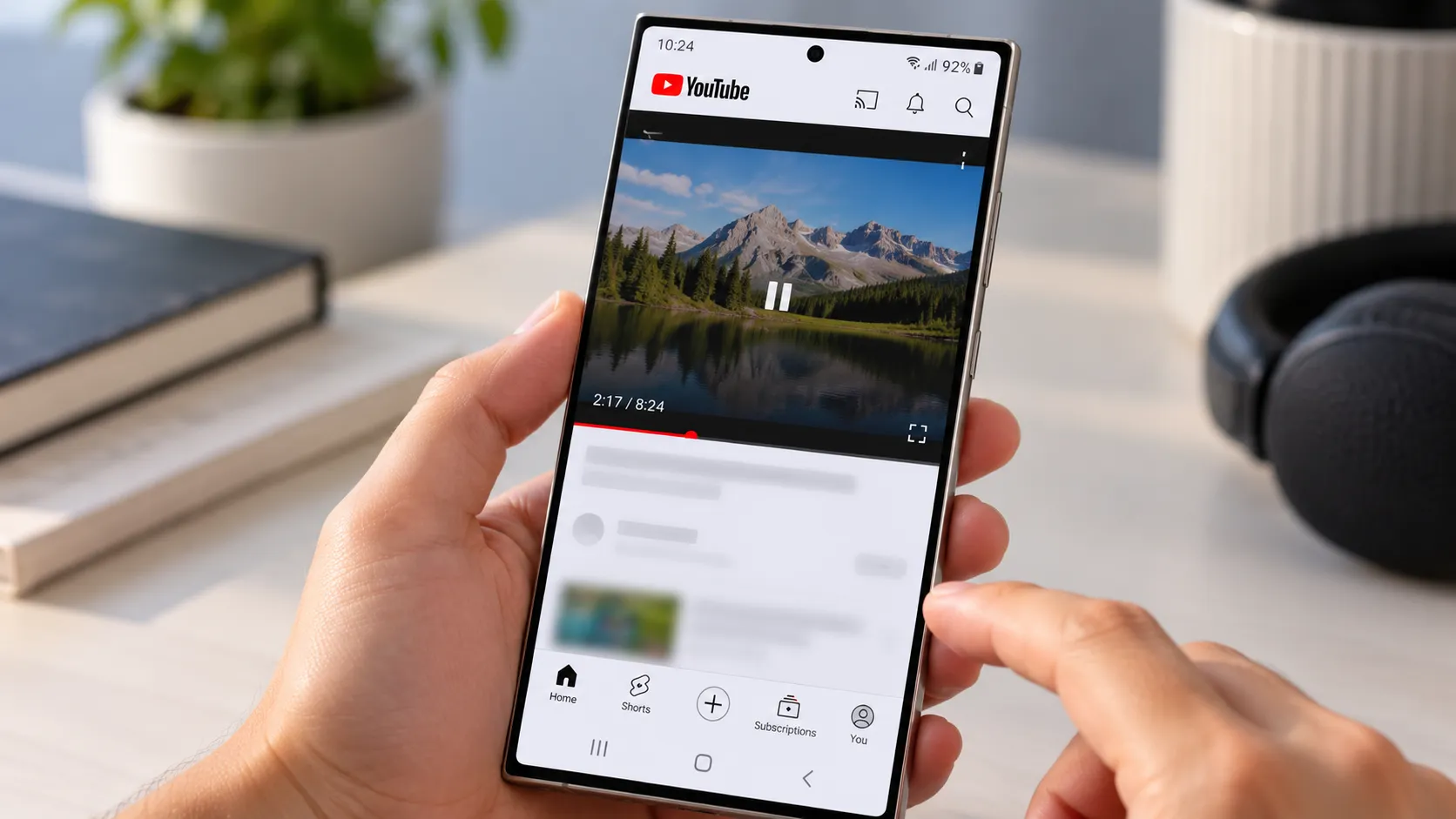
Software may be where Apple's edge is most concrete, though it comes with a caveat too. Several apps, including Gmail, Calendar, YouTube and TikTok, are already optimized for the Fold 8's dual-pane layout, and Samsung says Instagram's layout was due for an update between July and August.
The Apple iPhone Ultra foldable is reportedly getting iPad-style app scaling and multitasking built directly into iOS at launch, which could let more apps scale cleanly on day one without individual foldable-specific updates. If that holds, it's arguably Apple's most tangible advantage, since it doesn't depend on any single app catching up.
The chip story is more speculative. The Ultra is rumored to use a 2nm chip, more efficient on paper than the Fold 8's 3nm Snapdragon, alongside a similarly sized 4,883mAh battery. Plausible, sure.
But the Fold 8 has already posted a documented 14.5-hour battery test result, giving Samsung a proof point Apple can't yet match with a spec sheet. These are Apple's best arguments, and they're plausible, but plausible advantages built on leaked specs carry less weight than the finished, priced device Samsung is already selling.
Price, production risk, and what an iPhone Ultra foldable release actually requires
Even if Apple's specs land exactly as rumored, converting interest into sales is a separate question, and the price gap works differently than it first appears.
The Galaxy Z Fold 8 starts at $1,899.99, while estimates for the iPhone Ultra run as high as $2,400 to $2,500, a potential $500 to $600 premium for a first-generation device. Samsung's launch offers, up to $1,200 in trade-in credit and up to $1,900 in carrier deals, cut the actual price a buyer pays.
Apple's Upgrade program, by contrast, spreads the cost into lower monthly payments without lowering the total price, since it functions as a lease rather than a discount. Those are two different financial tools solving two different problems, and only one of them actually shrinks the price gap.
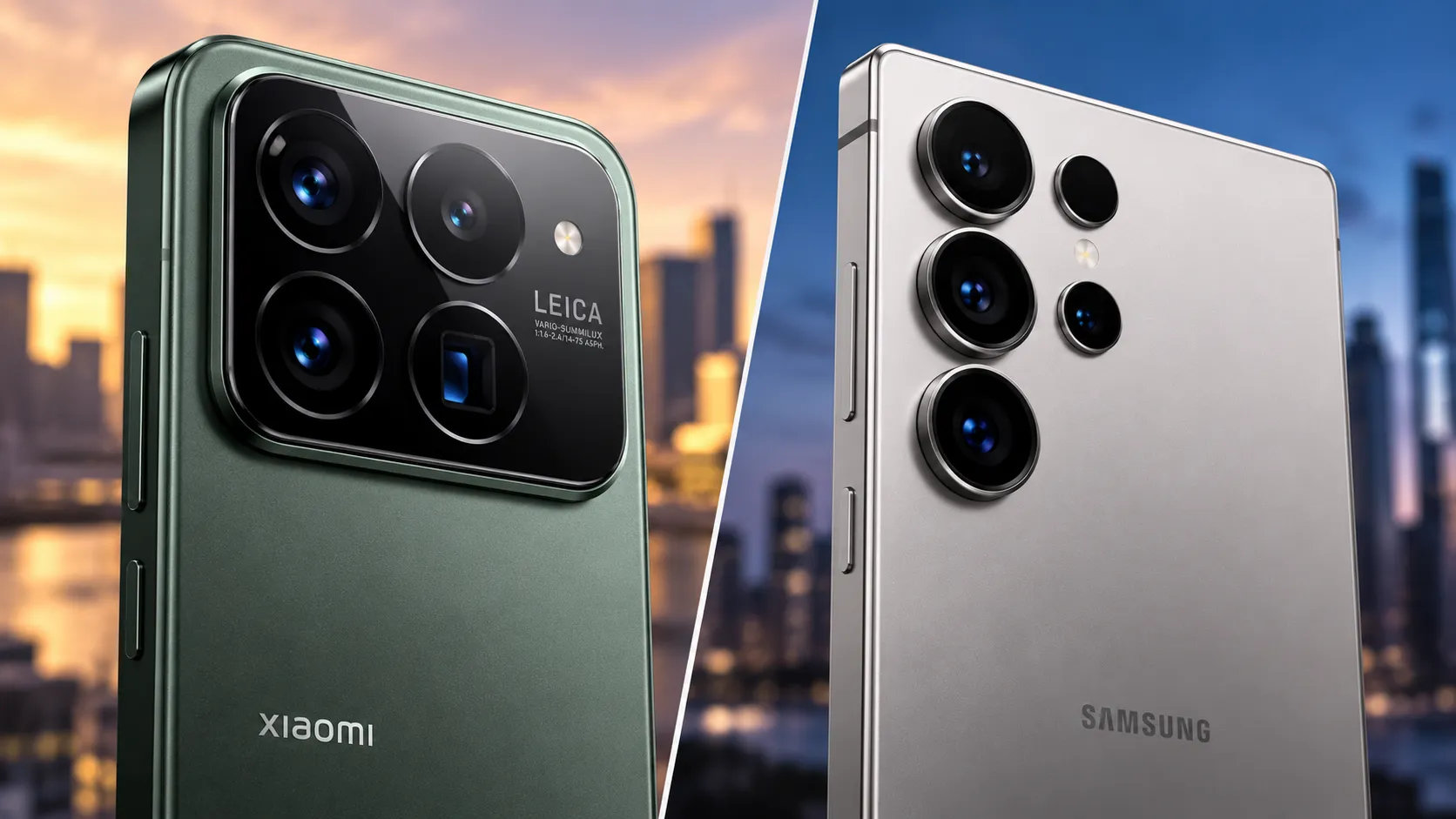
Camera hardware is a wash, not a Samsung advantage. The Ultra is rumored to skip a telephoto lens and drop Face ID for Touch ID, real step-backs from the flagship iPhone 18 Pro. But the Fold 8 also ships with only two camera lenses rather than Samsung's best camera hardware, so both companies are asking foldable buyers to accept less than their non-folding flagships offer, not a unique compromise on Apple's side.
Timing is where the two companies' stories diverge most. The iPhone Ultra is still expected to be unveiled alongside the iPhone 18 Pro line in September, but a separate report says engineering validation on the hinge and display could delay actual launch by one to two months, contradicting earlier claims that mass production was already running on schedule.
Apple reportedly raised its order to around 10 million units after resolving early hinge and circuit-board issues; that's a reported production target, not evidence of consumer demand, since no cited source connects the order size to actual pre-launch interest.
Samsung Galaxy Z Fold 8 demand, meanwhile, is running well ahead of its predecessor. 9to5Google reported initial demand at three times the Fold 7's opening level, as relayed by 9to5Mac, building on a 50% increase the previous cycle, with shipments reportedly delayed as a result.
That's genuine launch-window momentum. The reports cited here don't provide sustained, independently verified sales data for either device, and that gap matters more than either company's marketing wants it to.
What would actually prove the thesis wrong?
The 25% figure for Apple's share of the total foldable market is real and worth tracking, but it describes category growth, not a transfer of Samsung's customers to Apple. Nothing in the current reporting forecasts Samsung's unit sales, U.S. share, or profitability after the Ultra ships.
A handful of things would need to happen to prove this wrong. Apple's crease claim would need to survive side-by-side testing rather than pre-launch marketing. The app-scaling advantage would need to show up in real use, not just leaked feature lists.
Samsung's demand surge would need to persist past the launch window rather than fade once initial stock catches up. And the Ultra itself would need to actually ship on the September timeline instead of slipping the one to two months some reports already flag.
Those questions should become testable after the iPhone Ultra reaches reviewers and customers, whenever that follows its expected September unveiling alongside the iPhone 18 Pro line next month. Until then, judging this matchup against a phone nobody has held is a story about hype.
Judging it against the Galaxy Z Fold 8's actual specs, price, and demand numbers is a smaller, more useful question: how big does the foldable market get, and does Apple's arrival grow it enough for both companies to gain something?


Comments
Be the first, drop a comment!