





Exynos 2700 Galaxy S27 Return: Chip Split, Costs, and Risks
Samsung has officially acknowledged the Exynos 2700 for what appears to be the first time, with an executive stating development is on track and the chip is headed for "top-tier" smartphones, Android Authority reported this week. The Galaxy S27 was not named specifically, but Samsung's flagship chips have always debuted on the Galaxy S series, making the connection a reasonable inference rather than a stated commitment.
The confirmation lands against a stark financial backdrop. Samsung spent 13.8 trillion won ($9.2 billion) on external mobile processors in 2025, up 26.5% year-on-year, and that bill roughly matched the operating profit of its entire mobile division over the same period, The Korea Herald reported three months ago. Kiwoom Securities analyst Park Yoo-ak projects Qualcomm's share of the Galaxy S27 will fall to around 50%, down from 100% on the S25 and roughly 75% on the S26, per the same report.
What follows covers what Samsung has actually confirmed, what remains projection or leak-based inference, what the Galaxy S27 chipset split is likely to look like in practice, and where the manufacturing risk still sits.
Why Samsung can't keep buying Qualcomm chips at this scale
The economics are the load-bearing argument, so that's where to start.
Samsung's chip design arm reportedly priced the Exynos 2600 at $20 to $30 below an equivalent Snapdragon, per The Korea Herald. At Galaxy S-series volumes, that per-unit gap compounds into a meaningful margin difference. The division that designs and manufactures Exynos has been operating at a loss since 2023; analyst Park projects it could return to 1.8 trillion won in annual profit by 2027, partly through higher internal Exynos adoption at the flagship tier, The Korea Herald reported. That projection depends on adoption holding, which is why the S27 split matters as an early signal.
Samsung's own filings point in the same direction. In its Q2 2025 results, the company stated that the System LSI division would spend the second half of 2025 improving Exynos competitiveness to secure adoption in the 2026 flagship lineup of a major customer, per Samsung's disclosure. That language is widely read as a reference to Samsung's own Galaxy phones.
The strategic threshold here is lower than most benchmark discussions suggest. Exynos does not need to beat Snapdragon outright. It needs to be competitive enough that Samsung can justify substituting it internally and stop paying a third party for chips it is capable of building itself. That's a different bar, and it helps explain why the return is happening now even without a decisive performance breakthrough.
What Samsung has actually confirmed about the Exynos 2700
The track record matters. The Exynos 2200 was pulled back after persistent overheating complaints; the Exynos 2500 never appeared in the Galaxy S25 at all, handing Qualcomm 100% of that generation, as The Korea Herald noted. That history gives the phrase "proceeding without setbacks" real weight, and also real room for skepticism.
What Samsung has confirmed is narrower than some headlines imply. The executive statement described the Exynos 2700 as targeting "top-tier" smartphones with development on track, per Android Authority. The Galaxy S27 was not named. Samsung's Q3 2025 earnings materials went somewhat further: the System LSI division stated it planned to "strengthen the competitiveness of the Exynos processor for key flagship models" in 2026, per Samsung's own disclosure eight months ago. That is the closest the company has come to a formal public roadmap commitment on this chip.
One concrete technical change is already documented. In the Exynos 2700, the processor and DRAM will sit side-by-side on a shared substrate, with Samsung's Heat Path Block positioned over both components. The current Exynos 2600 places that heat sink primarily over the processor, leaving DRAM to run hotter. The 2700 design corrects that directly, according to Android Authority, which first reported the detail two months ago based on a company source.
Samsung also claims the Exynos 2600 delivered a 39% CPU performance improvement and a 113% gain in AI processing over its predecessor, matching or beating Snapdragon in several AI benchmarks, The Korea Herald reported. Those figures are self-reported and not independently verified, but they represent Samsung's internal baseline for treating the 2700 as a viable Snapdragon substitute rather than a fallback option.
The packaging change is meaningful because it names a specific failure mode and shows a specific fix. Combined with the Exynos 2600 performance figures as a foundation, the 2700's confirmed story carries more structural support than prior Exynos revival cycles. Confirmed performance data for the 2700 itself, though, does not yet exist.
Galaxy S27 Exynos 2700 split: which buyers get which chip
The 50% Qualcomm share figure is an analyst projection, not a Samsung announcement. It is the most credible current read of the situation, but it should be treated as a probable scenario rather than confirmed product planning.
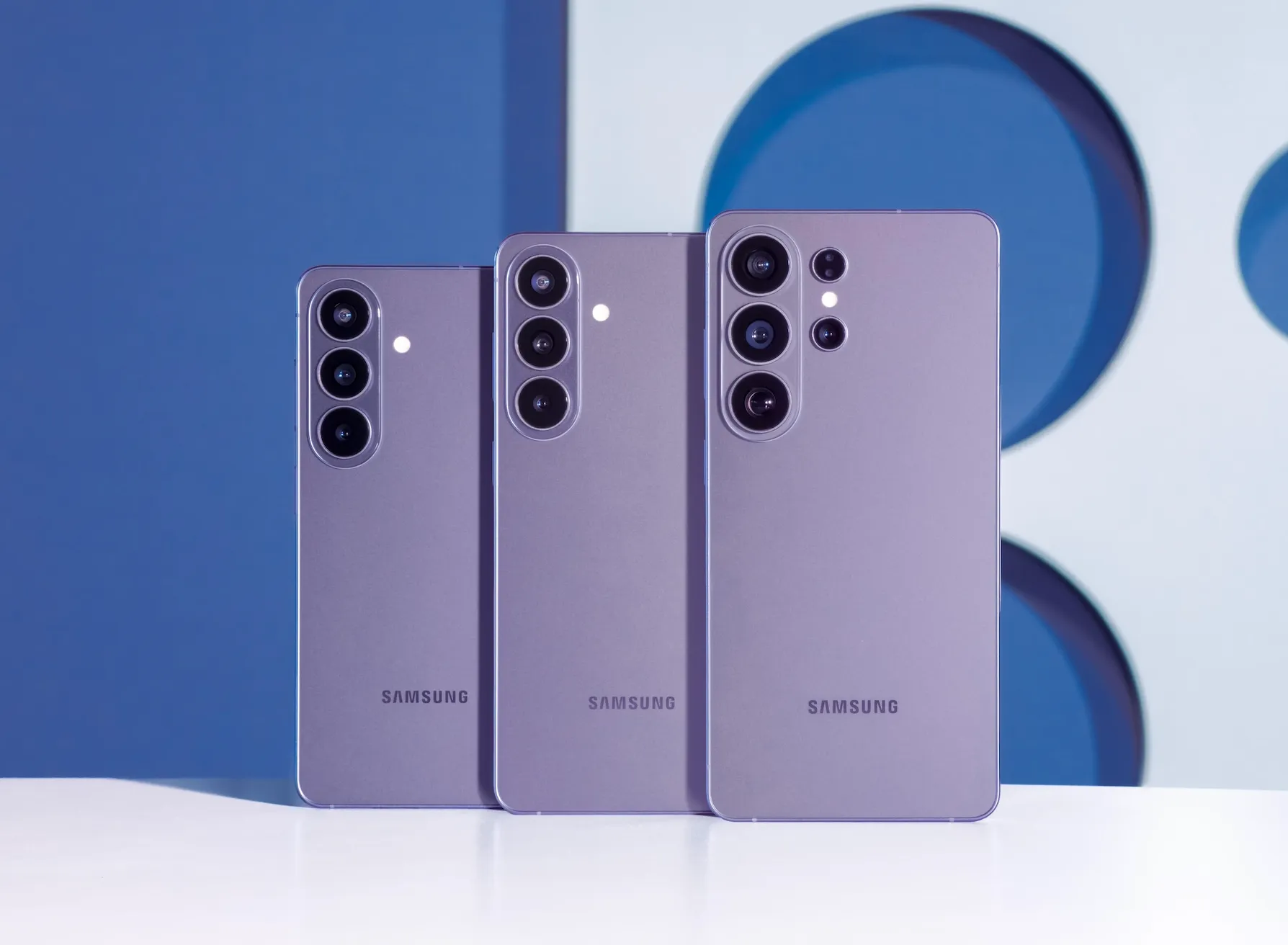
Leak reporting from seven weeks ago indicates the base Galaxy S27 and Galaxy S27 Plus will ship predominantly with Exynos 2700, while certain regions including the United States would still receive Snapdragon variants, per PhoneArena. The Galaxy S27 Ultra and a newly reported Galaxy S27 Pro model are reportedly slated for Snapdragon in every market globally, meaning the highest-priced devices with the greatest benchmark scrutiny would remain on Qualcomm, per the same report. Android Authority similarly expects the S27 family to run both Snapdragon 8 Elite Gen 6 Pro and Exynos 2700 depending on model and region.
The practical read: buyers outside the US purchasing a base or Plus model will likely receive Exynos 2700. Buyers of the Ultra or Pro, or US buyers across the lineup, appear to remain on Snapdragon.
The configuration suggests Samsung is reintroducing Exynos where the performance-scrutiny risk is more manageable, not across the full range. Whether that reflects genuine caution about the chip's readiness or simply a phased rollout plan is something Samsung has not said publicly.
Samsung's foundry still has a yield problem
"Smooth development" at the chip-design level and profitable manufacturing at the foundry level are different claims. The former has been confirmed; the latter is still a work in progress.
In its Q2 2025 earnings, Samsung stated the foundry business would ramp 2nm GAA mass production for a new mobile SoC in the second half of 2025, per Samsung's disclosure. That timeline aligns with Exynos 2700 production requirements for a Galaxy S27 launch cycle.
The yield picture is more complicated. Samsung's 2nm yields were stuck around 20% through the second half of 2024, then rose to the mid-50% range, an improvement credited partly to process experience built through bitcoin mining chip orders from Chinese firms including Canaan and MicroBT, PhoneArena reported two months ago. After backend sorting and packaging, effective usable yield may fall closer to 40%. TSMC is reportedly achieving 60-70% at 2nm, leaving Samsung technically advancing but not yet competitive for major external clients, per the same report.
For Exynos purposes, the narrower question is whether the foundry can supply enough chips for internal Galaxy S27 demand. Internal flagship volumes are far smaller than what a major external customer would require, so mid-50% yields are likely sufficient to run the production. The foundry still absorbs significant losses on every failed batch, but those losses are the ongoing cost of rebuilding a competitive process. They are not, on their own, evidence that the Exynos 2700 program is in trouble.
What the Galaxy S27 launch will actually settle
The business case for bringing Exynos 2700 back does not hinge on benchmark results. Samsung's 2025 mobile processor bill nearly matched its mobile division's operating profit, a structural problem that points toward internal chip substitution as financially necessary, as The Korea Herald documented three months ago.
The packaging redesign is the most concrete engineering signal so far. Covering both processor and DRAM with the Heat Path Block addresses the specific thermal failure mode that damaged Exynos's reputation with the 2200, per Android Authority. Named problem, named fix. Real-world performance under sustained load remains untested.
Analyst Park's 1.8 trillion won profit projection for Samsung's non-memory chip division by 2027 depends on Exynos adoption holding and yields continuing to climb, per The Korea Herald. If the Galaxy S27 Exynos variant draws sustained criticism similar to what the 2200 faced, Samsung faces pressure to retreat again, with the financial cost now considerably more visible than it was then.
The S27 launch will not settle whether Exynos 2700 ships. That now looks probable. It will settle whether the chip performs well enough in everyday use that 50% becomes a floor rather than a ceiling for Exynos adoption going forward.









Comments
Be the first, drop a comment!