



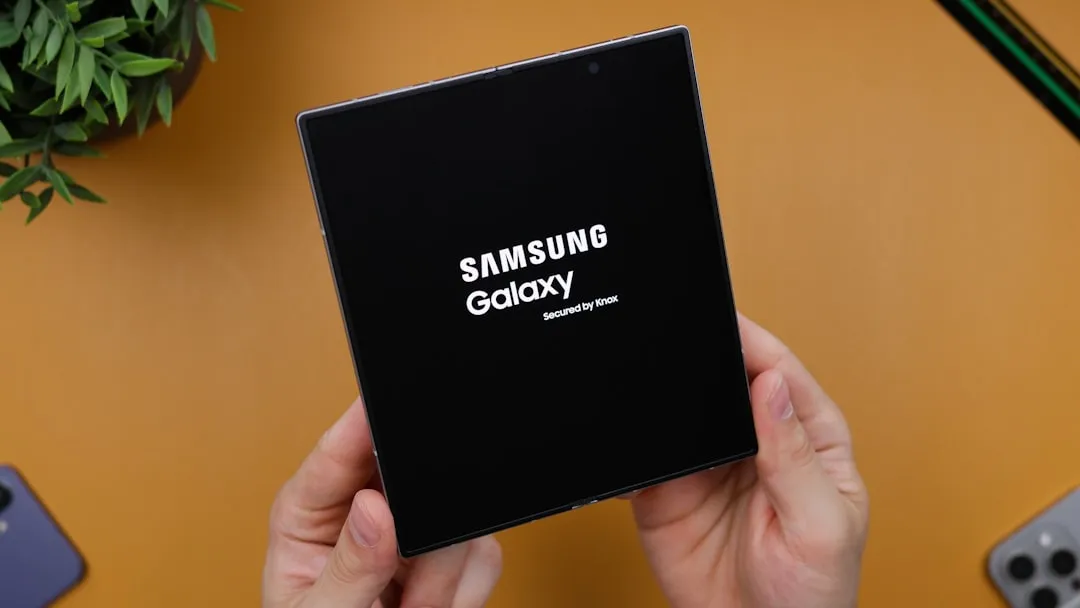
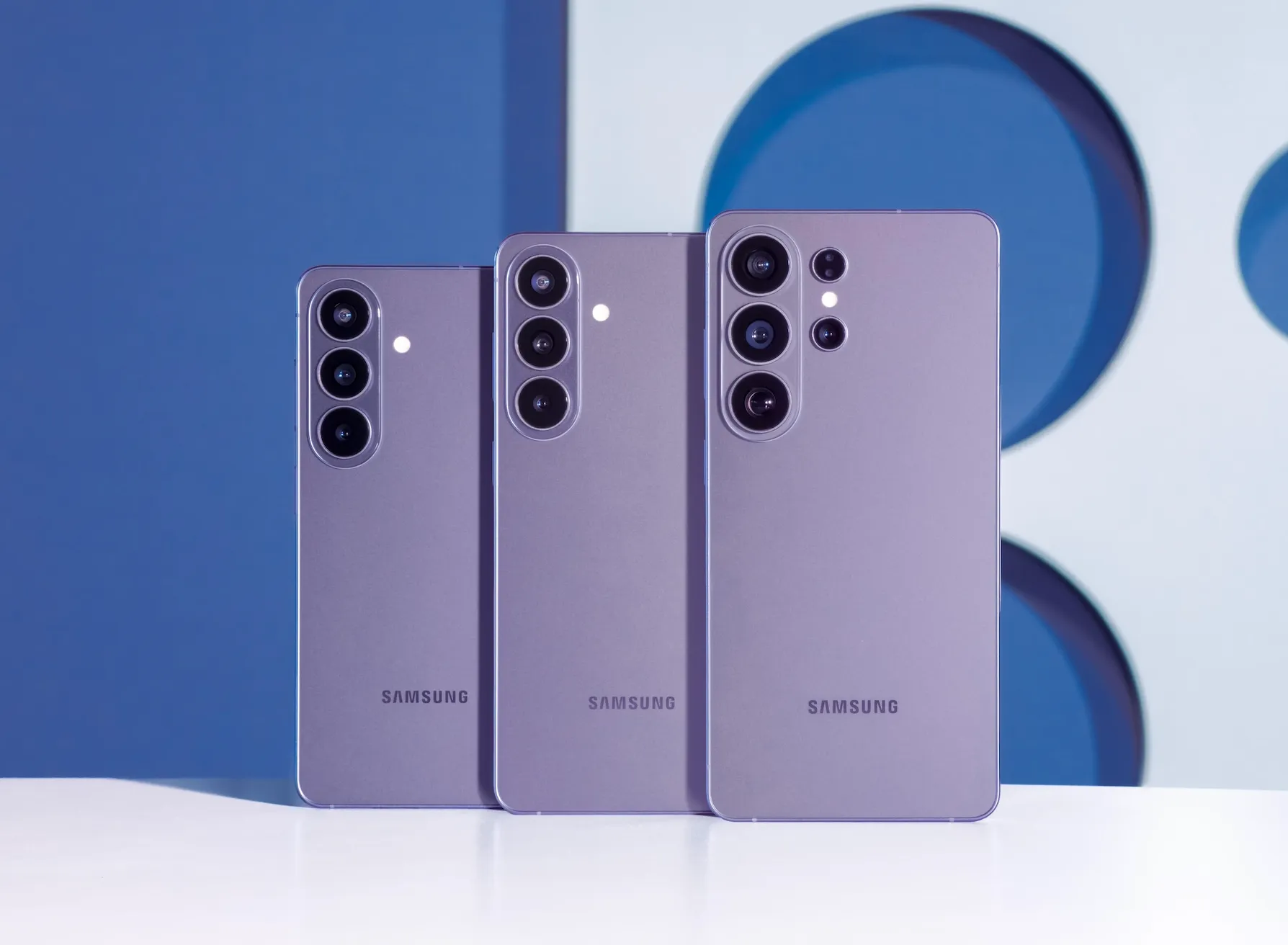
The latest Samsung Galaxy S26 series has officially arrived, but there's a notable omission that's stirring up debate across the tech community: no built-in Qi2 magnets. Samsung has confirmed that none of their new flagship devices, including the powerhouse Ultra model, feature integrated magnetic charging technology (Tech Advisor). This decision stands in stark contrast to Google's Pixel 10, which does include this magnetic functionality (Tech Advisor).
What makes this choice particularly intriguing is that Samsung simultaneously upgraded wireless charging speeds across the entire lineup. The S26 Ultra now supports 25W wireless charging (9to5Google), creating a fascinating paradox: Samsung is advertising faster wireless speeds that, based on Qi specifications, may actually require the very magnetic alignment they chose not to build in.
Samsung's engineering priorities: thermal performance over magnetic convenience
Samsung's strategic thinking becomes clearer when you examine what they prioritized instead. According to Kadesh Beckford, Senior Product Manager at Samsung UK, the company made deliberate engineering trade-offs that reveal their long-term hardware philosophy (Tech Advisor).
The team focused on implementing the largest vapor cooling chamber system ever included in a Galaxy device while making the phones both thinner and lighter (Tech Advisor). This wasn't just marketing speak – the Galaxy S26 Ultra actually became 0.3mm thinner than its predecessor, demonstrating Samsung's commitment to premium form factor refinement (Tech Advisor).
These improvements stemmed from research and development Samsung conducted for the Galaxy S25 Edge. Beckford explained how the company took their learnings to make phones "thinner and lighter [with a] maximum amount of durability and actually bring real-time benefits" (Tech Advisor). This R&D investment paid dividends across Samsung's product line – the Galaxy Z Fold 7 became "one of the thinnest and lightest foldables on the market" using the same engineering advances (Tech Advisor).
Beyond thermal and form factor improvements, Samsung invested development resources into new Privacy Display technology and maintained the built-in S Pen functionality that Ultra users expect (Tech Advisor). This priority list reveals Samsung's bet on fundamental hardware performance over charging convenience.
The case-first charging strategy: acknowledging real-world usage patterns
Samsung's reasoning centers on a pragmatic observation about smartphone usage. Most users already rely on protective cases, which fundamentally changes the magnetic charging equation (Tech Advisor).
"If you have a case – and a lot of people do on their smartphones and AI phones – you'll actually need to have also a Qi2 case on top of all of that," Beckford explained (Tech Advisor). His argument suggests that even phones with built-in magnets would require magnetic cases for most users who prioritize protection.
Samsung came prepared with an extensive ecosystem strategy. The company developed magnetic carbon cases, clear cases, rugged cases, and silicone options for all S26 models (9to5Google). They're also building a magnetic battery bank and dual magnetic ring holder to create a comprehensive accessory ecosystem (9to5Google).
What's particularly noteworthy is Samsung's branding approach. Unlike Apple's "MagSafe" or Google's "Pixelsnap," Samsung is simply calling their accessories "magnetic" (9to5Google). This straightforward naming acknowledges that these are all fundamentally the same Qi2 technology, avoiding proprietary ecosystem lock-in tactics.
Technical complications: S Pen interference reveals engineering complexity
The decision becomes more sophisticated when considering the Galaxy S26 Ultra's signature S Pen functionality. Samsung has discovered that third-party magnetic cases can interfere with S Pen performance, causing the device to display warnings about signal disruption (SamMobile).
The phone actively notifies users that magnets in accessories "can interfere with your S Pen's signal" and recommends removing magnetic cases if connection or writing issues occur (SamMobile). This isn't a minor compatibility issue – it represents a fundamental engineering challenge that would complicate built-in magnet integration.
The interference problem explains why Samsung offers both magnetic and non-magnetic cases for the Galaxy S26 series (SamMobile). Samsung's own magnetic cases presumably solve this interference through careful engineering and magnet placement – something much harder to control with built-in magnets that can't be repositioned or removed when S Pen precision is needed.
This technical complexity suggests that integrating built-in magnets while maintaining reliable S Pen functionality would have required additional engineering breakthroughs that Samsung wasn't ready to implement (SamMobile).
The charging speed paradox: faster speeds that require the missing magnets
Here's where Samsung's strategy reveals an intriguing technical contradiction. The company significantly boosted wireless charging speeds – the S26 Ultra now supports 25W wireless charging, while the S26+ jumps to 20W (9to5Google). These represent meaningful improvements that should make wireless charging much more practical.
However, achieving these speeds creates a dependency on magnetic alignment. According to Qi specification guidelines, the Extended Power Profile (EPP) typically restricts non-magnetic devices to 15W, with higher speeds reserved for magnetically aligned devices through the Magnetic Power Profile (MPP) (9to5Google).
This creates Samsung's central paradox: they're advertising 25W wireless charging for the Ultra, but users likely need a magnetic case to achieve those speeds (9to5Google). Even Samsung's own 25W wireless charger is designed as a magnetic puck that's difficult to use effectively without a magnetic case (9to5Google).
Samsung essentially created a tiered system where their headline wireless charging features require the magnetic accessories they're positioning as optional. The wired charging story is more straightforward – the Galaxy S26 Ultra jumps from 45W to 60W, with an upgraded cable included (9to5Google).
Market response and strategic implications for Samsung's ecosystem
Consumer sentiment reveals the complexity of Samsung's position. In recent polling, over 50% of respondents considered the lack of built-in magnets a dealbreaker, while 35% remained indifferent (Android Central). This split suggests Samsung is managing significant market risk with their approach.
Some users view this as symptomatic of broader Samsung patterns. One reader noted how "that 'would've been nice' is becoming very common with Samsung," pointing to other missing features like bigger batteries (Android Central). Another complained about having to "buy more expensive cases because they have the magnets built in" rather than having integrated functionality (Android Central).
Conversely, users who already rely on cases don't see magnetic functionality requirements as fundamentally changing their experience (Android Central). Samsung's strategy provides choice between magnetic and non-magnetic cases, acknowledging different user preferences while maximizing accessory revenue potential.
Samsung has hinted that built-in magnetic charging could arrive with the Galaxy S27 series, suggesting this isn't a permanent omission (Tech Advisor). This positions the S26 generation as a bridge year while Samsung solves the technical challenges around S Pen compatibility and thermal constraints.
Bottom line: strategic trade-offs that reveal smartphone industry priorities
Samsung's magnetic charging omission exposes the complex engineering reality facing smartphone manufacturers as they balance competing technological demands. The company prioritized thermal management, form factor refinement, and S Pen compatibility over built-in magnetic charging, while still delivering faster wireless speeds through their accessory ecosystem (Tech Advisor).
This approach acknowledges that most users already case their phones for protection, making magnetic functionality accessible without compromising core device engineering (Tech Advisor). Samsung's bet is that superior thermal performance, refined form factors, and reliable S Pen functionality matter more to their target users than built-in magnetic convenience.
The real test will be market execution. Samsung's strategy succeeds if users embrace their magnetic case ecosystem and if the thermal and form factor improvements deliver tangible benefits. It fails if competitors like Google with integrated magnets gain significant market advantage or if users reject the additional accessory costs.
Whether this proves prescient or problematic depends largely on Samsung's ability to deliver on their Galaxy S27 integration hint (Tech Advisor). If they solve the S Pen interference challenge and integrate magnets next year, this decision looks like smart incremental development. If they don't, it appears they simply got outmaneuvered by the competition while asking users to pay extra for missing functionality.


Comments
Be the first, drop a comment!