





Pixel 11 Pro Fold vs Galaxy Z Fold 8: What's Confirmed
Google's Pixel 11 Pro Fold hands-on landed this week, and Engadget's headline doesn't leave much room for interpretation: "Stagnating Instead of Innovating," delivered in a year when Samsung made two new flagship foldables of its own (Engadget). That contrast is the starting point for this Pixel 11 Pro Fold vs Galaxy Z Fold 8 comparison, and it's worth being precise about which Samsung phone actually belongs in it.
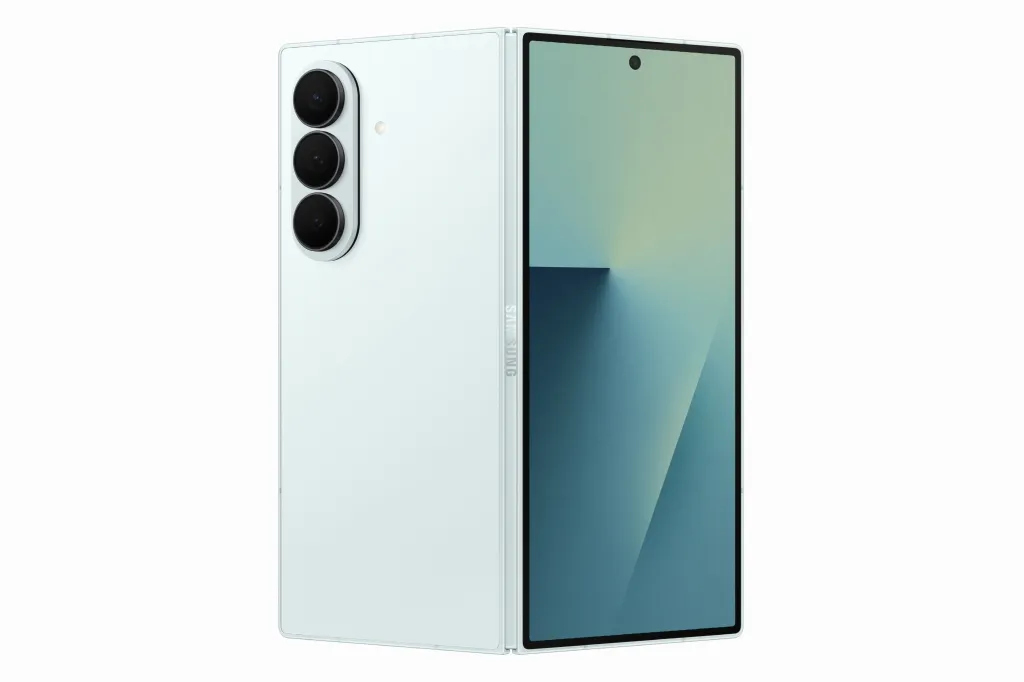
Samsung made two new book-style foldables this year: a base Galaxy Z Fold 8 and a higher-tier Z Fold 8 Ultra. Android Central's own comparison, published today, pairs the Pixel against the Ultra and calls Samsung's model the better piece of hardware without writing off the Pixel entirely (Android Central). This piece sticks to the base Z Fold 8, because the two Samsung models weigh differently, 201 grams versus 215 grams, and mixing them together muddies the actual matchup (Engadget).
The evidence behind each phone comes from two different places, and that gap shapes everything below. Engadget's hands-on this week supplies real measurements for the Pixel, plus weight and IP ratings for both Z Fold 8 models, though not exact thickness figures for Samsung's hardware. Everything else attributed to Samsung, chipset, camera resolution, battery capacity, and price, still traces back to a Tom's Guide report from three months ago that explicitly flagged those numbers as pre-release rumor, ahead of a July unveiling event that, as of today, has already come and gone (Tom's Guide).
This is likely the last foldable cycle before Apple enters the category. An iPhone Fold is widely tipped to arrive next month (Tom's Guide). The question worth answering here is which of the Pixel's confirmed advantages actually matter to a buyer today, and which of Samsung's rumored ones are worth waiting on.
Pixel 11 Pro Fold vs Galaxy Z Fold 8 specs: portability and durability
Start with the comparison that doesn't need hedging. The Pixel 11 Pro Fold weighs 239 grams and measures 10.1mm folded; the base Z Fold 8 comes in at 201 grams, with the Ultra at 215 grams (Engadget). Against the base model, that's a 38-gram gap, about a fifth heavier, concentrated in a device people hold one-handed for texting and reading. Engadget also describes the Pixel as noticeably thicker than both Z Fold 8 models, without giving the base model's thickness in millimeters.
Google did trim weight this year, dropping the Fold from 258 grams to 239 grams. Engadget calls that a 10 percent reduction, though the listed figures actually work out closer to 7.4 percent. Either way, Engadget's own reviewer still describes the phone as feeling "like a brick" next to Samsung's hardware, an attributed opinion, but a pointed one (Engadget).
There's an irony in how that gap opened up. Engadget frames the base Z Fold 8's design as basically an updated take on the original Pixel Fold from 2023, this time lighter, an inversion of the usual story where Samsung sets the pace and Google plays catch-up (Engadget).
Durability runs the other way. The Pixel carries an IP68 rating, while both Z Fold 8 models are rated IP48, protected only against particles larger than 1mm (Android Police; Engadget). IP ratings measure resistance to dust and water ingress under lab conditions, not how a hinge holds up after years of folding, and neither source supplies hinge-cycle data to show how that gap plays out over time.
Two confirmed facts, pointing in opposite directions. Samsung wins on size and weight. Google wins on dust and water resistance. Neither claim depends on a rumor.
Screens and configurations: matching specs, different confidence levels
Displays look almost identical on paper. The Pixel's cover display measures 6.5 inches and its inner foldable panel spans 8 inches, both OLED, sizes Engadget describes as essentially unchanged from the previous generation (Engadget). Peak brightness climbed 20 percent to 3,600 nits across both panels, and Google says the bezels are thinner than before.
Samsung's rumored Z Fold 8 specs, per Tom's Guide's report from three months ago, point to a matching 6.5-inch cover and 8-inch inner OLED, both running at 120Hz (Tom's Guide). No equivalent brightness figure for Samsung's panels appears in that reporting, so it's hard to call this a true wash. The Pixel has a confirmed brightness number; the Z Fold 8 doesn't, at least not yet.
Memory and storage tell a similar story. That same May report projected both the Pixel and the Z Fold 8 at 12GB or 16GB of RAM paired with 256GB, 512GB, or 1TB storage tiers (Tom's Guide). Identical numbers on both sides sound reassuring, but they came from one rumor table rather than official spec sheets for either phone, so the parity itself is provisional.
Brightness and bezel thickness are the only display advantages supported by the reporting available right now, and they belong to Google. Everything else on the screen front is still an open question for Samsung.
Performance, cameras, and battery: confirmed claims versus rumored specs
The Pixel's chip story is modest but concrete. Tensor G6 brings claimed gains of up to 25 percent faster web browsing, 20 percent better power efficiency, and 15 percent faster app loading, plus a new ISP that Google says speeds up Night Sight capture by roughly 4.5 times (Engadget). These are manufacturer claims relayed by Engadget, not independent benchmark results. Useful upgrades, potentially, but not yet independently verified.
Samsung's performance case leans harder on rumor. The Z Fold 8 is expected to run Qualcomm's Snapdragon 8 Elite Gen 5 for Galaxy, a chip that beat the iPhone 17 Pro Max on the 3DMark Solar Bay Unlimited graphics test inside the Galaxy S26 Ultra (Tom's Guide). That result came from a different phone with a different form factor and different thermal behavior. It shows what the chip can do, not what a foldable will deliver once it's folded into a thinner body.
Battery capacity splits the same way. Engadget's hands-on confirms the Pixel's capacity actually fell year over year, from 5,015mAh to 4,806mAh. Google pairs that smaller listed capacity with faster wireless charging: Qi2.2 support now pushes wireless speeds up to 25 watts, up from 15 watts, while wired charging holds steady at 30 watts (Engadget). A separate leak from three months ago had guessed an even lower Pixel figure of 4,658mAh, and the newer hands-on number should carry more weight now that it comes from an actual unit rather than a leak (Tom's Guide). Samsung's battery, meanwhile, is rumored to jump to roughly 5,000mAh from 4,400mAh in the previous model, a figure Tom's Guide flags explicitly as pre-release reporting rather than a confirmed spec.
Camera specs follow the same pattern. Google's confirmed setup pairs a new 48MP main sensor with a 10.5MP ultrawide and a 10.8MP telephoto lens carrying 5x optical zoom (Engadget). Samsung is rumored to carry a 200MP main sensor and 50MP ultrawide, alongside a 12MP telephoto lens with 3x optical zoom (Tom's Guide). Megapixel counts describe sensor hardware, not image quality, and there's no side-by-side camera testing in the available reporting for either device.
Google's telephoto reach is a real, stated advantage: 5x optical zoom against Samsung's rumored 3x (Android Police). Engadget notes a real limitation attached to it, though: this generation remains capped at 30x Super Res Zoom, unlike the 120x available on other Pixel 11 Pro models, a foldable-specific compromise that hasn't gone away (Engadget).
Software offers one small, concrete example rather than a sweeping verdict. Google still won't let users permanently pin the Pixel's taskbar the way Galaxy Fold owners can (Engadget). That's a real, confirmed gap. Broader claims about multitasking, split-screen behavior, or app optimization aren't supported by the available reporting on either side, so they stay out of this comparison.
Google's improvements here are real but incremental. Samsung's projected advantages, faster chip, bigger battery, sharper sensors on paper, haven't been tested on an actual Z Fold 8 yet.
Price and the buying decision
Tom's Guide's report from three months ago put the Pixel at a projected $1,799 against an expected $1,999 for the Z Fold 8, a $200 gap (Tom's Guide). Engadget's hands-on this week separately reports a $100 price increase for the Pixel over its predecessor, without stating the new final figure or confirming Samsung's launch price (Engadget). The reporting available doesn't confirm a final price for either phone, so the real gap at launch stays an open question.
Tom's Guide's own analysis argues that a full $200 advantage would make Google's weaker core specs "far less of an issue," since both projected prices sit close to $2,000 (Tom's Guide). That's a reasonable read of the market, but it's a judgment call, not an established fact, and it depends entirely on a gap that hasn't been confirmed at final pricing.
- Buy the Pixel now if the confirmed advantages solve a real problem: IP68 dust and water resistance, Qi2.2 wireless charging up to 25 watts, or the 5x telephoto lens for outdoor work, dusty environments, or zoomed photography. Accept a heavier, thicker phone and camera performance that hasn't been independently tested.
- Consider the Z Fold 8 if the base model's 38-gram weight advantage matters more than sealing and zoom reach. Its projected chipset edge and larger battery remain unconfirmed on an actual Z Fold 8 unit, so treat that appeal as conditional on official pricing and independent testing once reviewers get hands-on time with the phone.
- Wait if the decision hinges on camera quality, sustained performance under real load, actual battery life, or final Samsung pricing. None of those are settled by the reporting available right now.
Price could swing this decision, and it's still shifting under both companies' feet.
The verdict, for now
The confirmed facts point in two directions at once. The Pixel's IP68 rating and Qi2.2 charging are the safer pick for anyone who wants documented dust and water resistance today, and those numbers come from Engadget's hands-on measurements, not projections (Engadget). Samsung's base Z Fold 8 wins on the number that doesn't need testing to matter, 38 grams lighter, and its rumored chipset, battery, and camera specs are plausible enough to be worth watching once someone can actually put them through a review.
Neither side is winning yet, and neither should be treated as if it has. Google's advantages are real but modest; Samsung's are bigger on paper but unverified in an actual folding phone. That balance shifts the moment Samsung locks in final pricing and independent reviewers run camera comparisons and battery tests on both devices side by side. Until then, buy the Pixel today only if its confirmed strengths, sealing, charging speed, zoom reach, already solve a problem in your pocket. Everyone else has good reason to wait for the numbers that are still missing.

Comments
Be the first, drop a comment!