





Samsung Mini LED TVs on Sale: QN70F vs QN80F Buyer's Guide
Samsung's QN70F and QN80F Neo QLED TVs are currently available at discounted prices, with the 65-inch QN70F cut roughly 29% from its original listing and the QN80F down around 21%. For the right buyer, these Samsung Mini LED TV deals represent a genuine opportunity. For the wrong one, they're a good price on a TV that won't fit how you actually watch.
The clearest verified discount data comes from the Indian market. The 65-inch QN70F was cited at approximately ₹1,16,300 against an original listing of ₹1,64,900, per MyPitShop's review from four months ago. The 65-inch QN80F was listed at ₹1,49,990 against an MRP of ₹1,89,900, per ReviewNest seven weeks ago. U.S. pricing is included throughout but is not a confirmed sale figure from the sourced data; verify current street prices locally before purchasing.
The short version: the QN80F is for gaming households. The QN70F is for sports viewers and budget-conscious upgraders. Both have specific dealbreakers worth understanding before checkout.
The sale prices: what each model costs and how to verify the discount is real
The QN70F carries the larger percentage cut. In India, the 65-inch was cited at approximately ₹1,16,300, down from ₹1,64,900, a reduction of roughly ₹48,600 or about 29%, per MyPitShop four months ago. In the U.S., the same size carries a reported starting price around $1,400, with the full range spanning roughly $800 at 55 inches to $1,500 at 85 inches, though these are not confirmed current sale figures.
The QN80F's discount is smaller but still meaningful. The 65-inch was listed at ₹1,49,990 against an MRP of ₹1,89,900, saving roughly ₹39,910 or around 21%, per ReviewNest seven weeks ago. The QN80F launched on March 31, 2025, so these reductions are happening within the TV's first year on retail shelves.
Both sets of pricing figures originate from third-party review sources, not Samsung directly. Treat them as reference points, not live deal confirmations.
Before treating any listed price as a real deal, run a short check:
- Compare current street price against the confirmed launch MRP for your specific market
- Look up an equivalent-size Samsung OLED at current pricing to understand the gap you're actually working with
- Check whether the discount has been stable over several weeks or appears to be a short-term promotional event
Regional pricing shifts. A figure accurate four months ago may not reflect today's retailer positioning, particularly outside India where the verified data originates.
Samsung Neo QLED sale: QN70F vs. QN80F feature comparison
Both TVs share the same foundation. Each runs Samsung's NQ4 AI Gen2 processor, which uses 20 neural networks to push lower-resolution content toward 4K quality, per MyPitShop four months ago. Both run on Tizen and include Samsung TV Plus with over 2,700 free streaming channels. Both use Quantum Mini LED backlighting for improved contrast over conventional LCD sets. The shared specs are genuinely solid; the differences are what determine which model is worth the price step up.
The QN80F is the stronger gaming TV, and by a clear margin. All four HDMI ports support 4K at 144Hz, and the set includes FreeSync Premium Pro, Variable Refresh Rate, and Auto Low Latency Mode, per ReviewNest seven weeks ago. Four ports, all running at full bandwidth, is a spec that matters to anyone with a current-gen console and a gaming monitor background. The QN80F also includes OTS Lite, a four-channel speaker configuration where audio tracks on-screen movement.
One caveat: the available QN80F evidence is primarily spec-sheet and manufacturer-promotional in nature. Independent hands-on benchmarks for picture and audio performance are not yet available in the sourced material. Treat performance claims as positioning until third-party reviewers have tested the set.
The QN70F has actual hands-on testing behind it. Reviewers rated it 8/10 and called it a "Goldilocks TV," feature-complete for most households without the cost of Samsung's premium tiers, per MyPitShop four months ago. At 60fps, sports and live content showed no trailing or stuttering. It also functions as a SmartThings hub for Samsung ecosystem users.
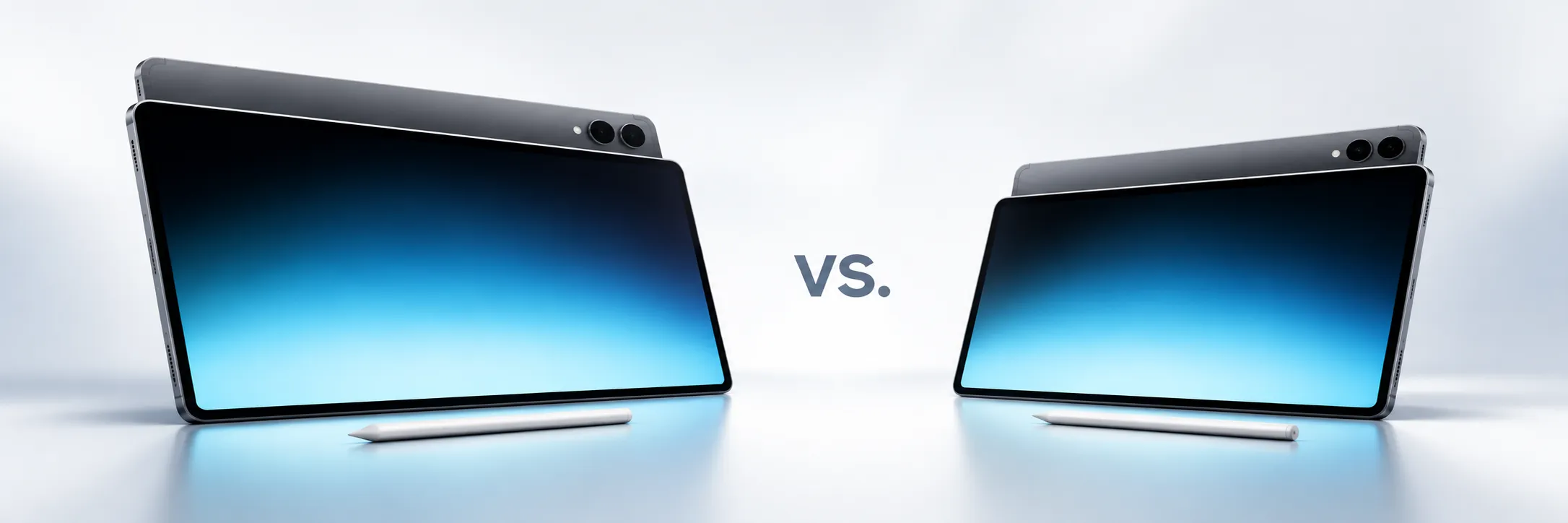
Side-by-side comparison:
| Feature | QN70F | QN80F | |---|---|---| | Processor | NQ4 AI Gen2 | NQ4 AI Gen2 | | HDMI ports | Not specified in sourced review | 4x HDMI, all at 4K/144Hz | | Gaming features | Not detailed in sourced review | FreeSync Premium Pro, VRR, ALLM | | HDR support | HDR10+ (no Dolby Vision) | HDR10+ | | Audio | 20W system | OTS Lite, 4-channel (not independently tested) | | Smart platform | Tizen / Samsung TV Plus | Tizen / Samsung TV Plus | | India 65" sale price | ~₹1,16,300 (cited Nov 2025) | ~₹1,49,990 (cited Feb 2026) | | U.S. range (55"–85") | ~$800–$1,500 (not confirmed sale price) | Confirm locally |
Gaming household: QN80F. Everyone else: QN70F, with the caveats below factored in.
The trade-offs: what the sale price doesn't cover
The QN70F has no Dolby Vision support. The set handles HDR10+ but not Dolby Vision, per MyPitShop four months ago. For subscribers to Apple TV+ or Netflix whose libraries lean heavily on Dolby Vision mastering, affected titles will play back in a fallback HDR format rather than at their intended presentation. For some buyers this is a minor inconvenience. For others, it's a reason to stop reading and compare sale-priced OLED options before committing.
Movie performance has a separate documented issue. Hands-on testing found slight trailing and occasional dropped frames during fast motion at 24fps, the standard cinema frame rate. At 60fps, sports and live TV content ran cleanly with no stuttering. The QN70F is tuned for broadcast performance, not theatrical film, per MyPitShop four months ago. That's a design priority, not a defect, but it's one worth weighing honestly against actual viewing habits.
Audio is the cost most buyers discover after the fact. The QN70F's 20W speaker system underperforms relative to its picture quality, and testing recommends budgeting an additional $200-$300 for a soundbar, per MyPitShop four months ago. That shifts the effective entry cost at 55 inches from roughly $800 to $1,000-$1,100. Still competitive. But a number that belongs in the purchase calculation, not the return process.
On the QN80F: OTS Lite's four-channel audio system is described in manufacturer materials as tracking on-screen action with sound, but no independent testing is available in the sourced data. Buyers shouldn't assume the QN80F solves the audio problem without confirmation.
Buy now:
- PS5 or Xbox household prioritizing 4K/144Hz and VRR across all four ports: QN80F
- Sports-first viewer who wants smooth motion and a large screen on a real budget: QN70F (with soundbar budget factored into the total)
- Samsung ecosystem users who want the TV to function as a SmartThings hub: either model
Think twice:
- Movie-first viewers who subscribe to Apple TV+ or rely on Dolby Vision content; a sale-priced OLED may be worth comparing before deciding
- Buyers who don't want to add a soundbar and expect the built-in audio to carry the room
- Anyone flexible on timing who is open to OLED if pricing narrows over the next 12-18 months
How long Samsung's Mini LED price advantage will hold
OLED has historically cost 30-40% more than Mini LED at comparable screen sizes, a gap that the current Neo QLED discounts widen further, per UBI Research six days ago. That's the structural advantage Mini LED holds right now, and it's real.
The question is how long it holds. If 65-inch SE OLED TVs reach around $1,300, the price gap against comparable Mini LED sets from brands like TCL and Hisense, currently priced around $1,100-$1,200, could compress to just 5-10%, per UBI Research six days ago. The OLED vs. Mini LED debate, the firm notes, is shifting from a technology argument to a straight price competition. Worth noting: that comparison is category-wide, not specific to Samsung's models, but it frames the market these discounts are competing in.
Supply constraints may slow that convergence. OLED panel headroom is projected to drop from 22.3% in 2026 to just 1.4% by 2030 as production capacity tightens across TV and monitor applications, per UBI Research six days ago. Constrained supply slows price declines. The conditions required for OLED to reach true price parity with Mini LED may not materialize on the schedule that headline forecasts suggest, which means Mini LED's value position could prove more durable than it currently appears.
The discounts on these Neo QLED models arrive as competition between the two technologies increasingly shifts to price. Buyers whose use case fits Mini LED are acting in a window that is open now and measurably narrowing.
Verdict
The QN80F makes a compelling case for gaming households that want four HDMI ports running 4K/144Hz with a complete VRR and FreeSync stack. That combination at this price point hasn't been easy to find in a single set, per ReviewNest seven weeks ago. The QN70F is the right call for sports viewers and budget-focused upgraders who can live without Dolby Vision and are willing to add a soundbar, putting the realistic 55-inch entry cost at roughly $1,000-$1,100, per MyPitShop four months ago.
Movie-first households should pause. The Dolby Vision gap and the 24fps performance limitations are genuine constraints, and a sale-priced OLED may offer a better fit before the gap between the two categories fully closes.
For everyone else: the pricing on both models is available now, the OLED window is narrowing, and the verified discount data is India-specific. Confirm current street prices in your market before purchasing. A deal that was accurate four months ago may look different today.


Comments
Be the first, drop a comment!