



Best Charger for Galaxy Z Fold 8: 45W PPS Adapter Guide
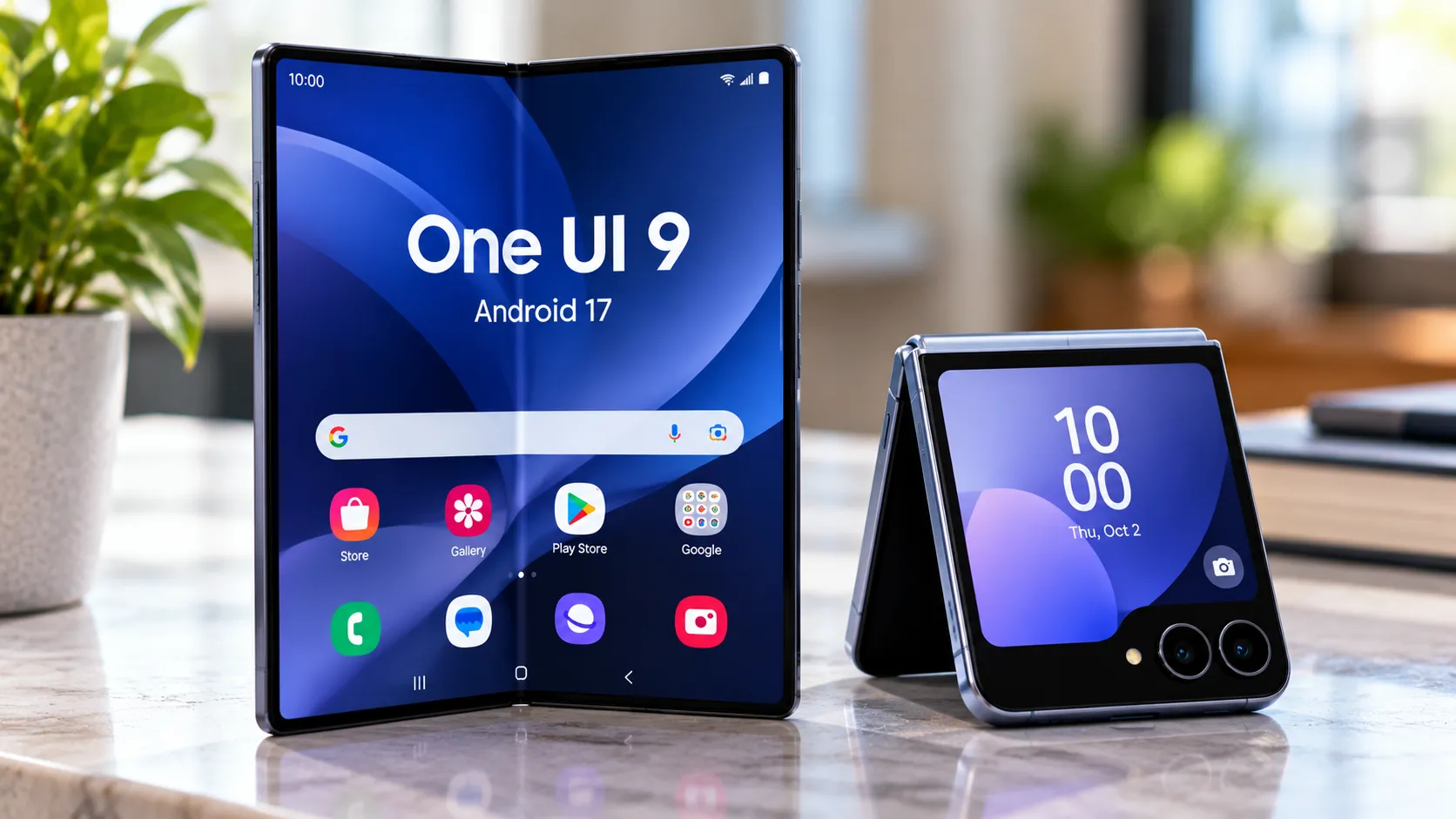
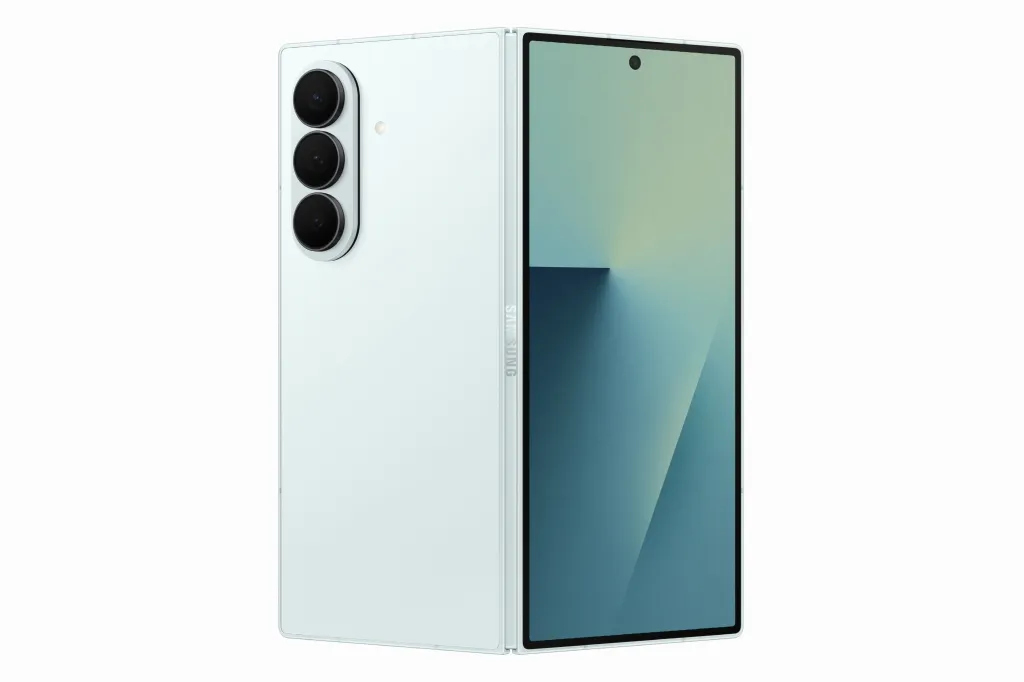
Samsung says the Galaxy Z Fold 8 and Z Fold 8 Ultra can charge from empty to 65% in 30 minutes. In preliminary testing, the Fold 8 Ultra actually beat that mark, reaching 67% in the same window, according to Android Authority testing three weeks ago. That's a real jump from what the Fold line could do a year ago, and it raises the obvious question for anyone hunting for the best charger for Galaxy Z Fold 8 devices: which one actually gets you there?
Both Fold 8 models move from 25W to 45W wired charging and from 15W to 20W wireless, paired with bigger batteries: 5,000mAh on the Ultra and 4,800mAh on the standard Fold 8, up from the Fold 7's 4,400mAh, per Android Authority. By that outlet's account, it's one of the more meaningful charging upgrades the Fold line has gotten in years.
A clarification before going further. Samsung hasn't published Fold 8-specific charger documentation in the material reviewed for this piece, and no outlet has yet run side-by-side tests of multiple third-party chargers against the device. What Samsung's existing charging guidance and years of Galaxy reporting do establish is a working framework: USB Power Delivery 3.0 with Programmable Power Supply, delivered through a cable rated for the load. That's the bar Samsung's own hardware is built to, and it's the same bar any other charger has to clear.
The buying rule, in short: look for a 45W-or-higher USB-C charger with PD 3.0 PPS explicitly listed, paired with a 5A-rated cable. What follows explains how to verify that on a spec sheet before buying, or on a charger already sitting in a drawer.
Quick reference: matching a Galaxy Z Fold 8 45W charger to how you'll use it
For readers who want an answer before the explanation, here's the fast path.
| Situation | What to look for | Cable | Realistic outcome | Confidence |
|---|---|---|---|---|
| Reusing an older 25W USB-C charger | USB PD 3.0 with PPS | Standard | Charges normally either way, but only reaches Samsung's 25W Super Fast Charging tier with the right protocol; wattage alone doesn't confirm this | Well documented |
| Buying Samsung's own 45W adapter | Samsung-confirmed PPS support | 5A cable | Matches the spec Samsung itself has published for the top wired tier | Best documented |
| Buying a third-party 45W+ PPS charger | PPS explicitly listed, 45W confirmed on the port used | 5A cable | Built to the phone's top tier on paper; not yet tested against the Fold 8 specifically | Conditional |
| Buying a 65-100W multiport GaN charger | Same PPS and per-port wattage check | 5A cable | Same conditional outcome, plus confirming the port holds output with a second device plugged in | Conditional |
Rows three and four describe a charger built to the right spec, not a guaranteed Fold 8 result. Treat them as informed, conditional choices until independent testing weighs in. Understanding why comes down to one spec most shoppers have never heard of.
What the best USB-C charger for Galaxy Z Fold 8 needs
Standard USB Power Delivery only offers fixed voltage steps, something like 5V, 9V, or 15V, which means a phone often has to convert voltage internally to hit the exact level it needs, according to How-To Geek reporting from about two and a half months ago. That conversion generates heat inside the phone, which accelerates battery degradation and slows charging down. Programmable Power Supply, or PPS, fixes this by letting the charger fine-tune voltage in smaller increments itself, shifting the work away from the phone. That's the mechanism that unlocks a device's top charging tier, and it's the difference between a generic fast charger and an actual Galaxy Z Fold 8 PPS charger.
Here's the catch. PPS was never made mandatory under the USB-IF standard, so even an expensive 100W-plus charger with GaN internals, a display, and multiple ports can skip it entirely, How-To Geek notes. A high number on the box tells you almost nothing about whether that specific feature is present.
There's a practical tell, though. Without a PPS-compatible adapter, a Samsung phone won't show the "Super Fast Charging 2.0" notification on the lock screen, regardless of the charger's advertised wattage, per How-To Geek and Android Police guidance from 2022. That's the same PD/PPS approach Samsung has used across Galaxy devices for years, treated here as the best-supported working assumption until Samsung documents the Fold 8 specifically. Knowing the spec exists is one thing. Finding it on a product page is another.
How to read a charger's spec sheet before buying
Step 1: Search the listing or box for the word "PPS" by name. Reputable brands including Anker, Belkin, Ugreen, and Baseus generally list it, but it's often buried below the headline wattage rather than featured in the product title, according to How-To Geek.
Step 2: Confirm 45W is available from the specific port you plan to use, not just the total output printed on the box. Samsung's own 65W Trio Adapter and 35W Power Adapter Duo both split power across ports rather than offering full wattage everywhere, a pattern worth expecting from any multiport charger, Samsung Canada support documentation shows.
Step 3: Check what happens when a second device shares the charger. Some multiport models hold single-port speed under simultaneous use; others reduce it. One reassurance here: a higher-wattage charger won't force excess power into the phone. It only delivers what the device negotiates, so a 65W adapter charges a Galaxy phone at whatever rate the phone requests, according to Android Police.
Step 4: Confirm the cable separately from the charger. Samsung specifies a 5A-rated cable for both its 45W wall charger and 65W Trio Adapter to reach their top charging mode, a useful data point on what a qualifying pairing looks like even without Fold 8-specific documentation (Samsung Canada; Samsung UK). Without a 5A cable, a compatible 45W setup may fall back to 25W.
Troubleshooting a charger you already own
Check the printed label first. Genuine Samsung adapters and most third-party PD chargers mention PPS somewhere on the unit itself, though it can take a close look to find, per How-To Geek.
Check the cable next, not just the charger. A cable rated below 5A has been shown to cap Galaxy charging at 25W even when paired with a fully compatible 45W-capable adapter. A mismatched cable is the most common reason an otherwise-correct setup underperforms (Android Police; Samsung UK).
After plugging in, check the phone itself. Open the lock screen notification or go to Settings > Battery and look for "Super Fast Charging" versus "Super Fast Charging 2.0." Treat that as practical confirmation the phone and charger negotiated the higher mode, not proof of a sustained 45W draw for the entire session, Android Police reports.
If the charger came from a prior Galaxy phone, it's a reasonable starting point to test. Samsung has used the same USB PD 3.0 with PPS approach across Galaxy devices for years, according to Android Police reporting from 2022, though Samsung hasn't confirmed whether that holds unchanged on the Fold 8. That still leaves the question of what happens once you look outside Samsung's own lineup.
Reputable third-party hardware vs. the actual risk: counterfeits
Samsung's support documentation states plainly that third-party chargers may void the warranty or cause damage, and separately, the company says it strongly advises against any charger other than its own, especially uncertified or counterfeit units, according to Samsung Canada. That's a broad warning, not one limited to sketchy hardware. Samsung applies it to non-Samsung chargers as a category.
Where documented PPS support helps is narrower than that warning. Established brands with published PPS specs, including Anker, Belkin, Ugreen, and Baseus, can tell a buyer whether a charger meets the technical bar for full-speed charging, per How-To Geek. That's a compatibility signal, not a warranty or safety judgment. Samsung's caution about third-party hardware stands regardless of whether a given charger lists PPS.
Anyone staying inside Samsung's own ecosystem should buy from Samsung.com. Samsung states it cannot guarantee the authenticity of chargers sold elsewhere, and lists a few checks for verifying a genuine unit: the Samsung logo, the words "TRAVEL ADAPTER," a serial number, and a model code, per Samsung Canada. Wired charging gets most of the attention here for good reason, but wireless deserves its own note.
Wireless charging: a convenience upgrade, not the fast-charging path
The Fold 8's wireless ceiling rises to 20W from 15W, according to Android Authority. A Galaxy Z Fold 8 wireless charger is worth having for the nightstand, not for topping off before a meeting.
Samsung's own guidance notes charging generally takes longer wirelessly, or through another device like a PC, regardless of the pad's rated wattage, according to Samsung Canada. Older Galaxy guidance frames wired charging as the fastest option and wireless as a desk or bedside convenience, a distinction that still holds even as wireless wattage climbs, per Android Police.
Conclusion
The decision doesn't hinge on the brand printed on the box. It hinges on whether PPS is listed explicitly, whether 45W actually holds on the port being used, and whether the cable is rated to carry that load, the three checks covered above. Get those right and a charger is built to the same standard Samsung's own hardware meets.
Once independent labs publish measured Fold 8 charging curves for specific third-party models, this checklist can narrow into named recommendations. Until then, the spec sheet, not the packaging or the price tag, is what decides whether a charger delivers what it advertises.


Comments
Be the first, drop a comment!