





Samsung Galaxy Z Fold 8 Crease Fix Explained: Reviews Weigh In
The Samsung Galaxy Z Fold 8 crease is far less visible than on earlier Fold models, according to hands-on reviews published last week, and that alone has helped tip a head-to-head reader poll decisively in the phone's favor. In a survey of more than 1,000 readers, Android Authority found the standard Fold 8 took 59% of the vote to the pricier Fold 8 Ultra's roughly 26% (Android Authority, last week). But a redesigned hinge and a flatter screen don't automatically answer the question that has followed foldables since the category existed: is anyone outside the enthusiast crowd actually buying one at $1,900?
Samsung rebuilt the Fold 8 around a wider 5.5-inch cover screen, a 7.6-inch 4:3 inner display, and a new Flex Titanium display layer that Android Police says "almost removes the crease" (Android Police, last week). XDA's review landed at 8.5 out of 10, calling the Fold 8 the first foldable its reviewer didn't want to put down (XDA Developers, last week). Both reviews describe a phone that feels genuinely different to use day to day, not just differently shaped.
What the survey and the early reviews actually demonstrate is a real ergonomic fix to a familiar complaint. What they don't settle is whether that fix, wrapped in a $1,900 starting price, does anything to pull foldables out of their current niche, where the format still accounted for less than 1% of smartphones sold as of a survey earlier this year (451 Alliance, earlier this year).
How Samsung reduced the Galaxy Z Fold 8 crease
The mechanism behind the improvement is a titanium film Samsung places beneath the display panel as part of its Galaxy Z Fold 8 Flex Titanium display technology, designed to keep the screen uniformly flat where it folds. Android Police's reviewer says the effect "almost removes the crease" compared to past Z Fold generations (Android Police, last week). That's a subjective call from one reviewer rather than an instrumented measurement, but it's a meaningful one coming from someone who has tested Samsung's foldable hinges across multiple generations.
The same reviewer also reports that after 10 days of regular folding and unfolding, the crease hasn't changed (Android Police, last week). That's a useful early signal, but it says nothing about what the screen looks like after a year of daily folds, which is really the timeline that matters for a phone Samsung backs with seven years of software updates (Android Police, last week).
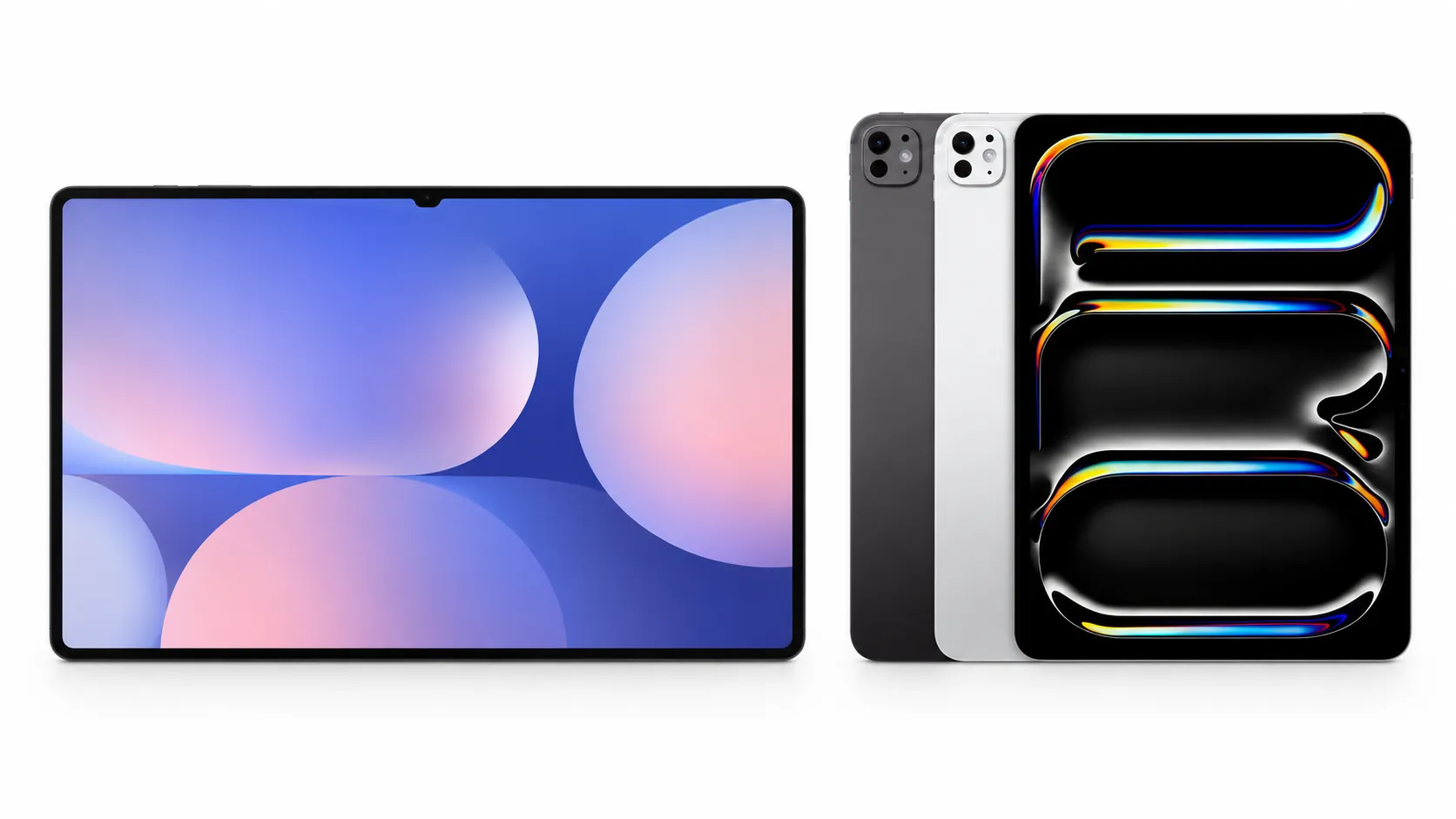
The flatter panel pairs with a reshaped inner display: 7.6 inches on a 4:3 aspect ratio, wider and squarer than previous Fold models. XDA's reviewer says it feels "more like an iPad than any Z Fold" they've used, a comment about the new screen proportions rather than the crease specifically (XDA Developers, last week). Together, the flatter fold and the boxier screen shape add up to a device that reads less like a phone that unfolds and more like a small tablet that happens to fold shut.
It's worth separating this from a cosmetic tweak. Samsung isn't just resizing the display or adjusting software scaling here; a titanium film sits beneath a 120Hz panel to change how the fold behaves physically (XDA Developers, last week). Whether that engineering holds up over years of use is unproven, but it's a real hardware response to a well-known irritation, not a rebrand.
Galaxy Z Fold 8 hinge and screen: why the wider shape changes daily use
At 201 grams, the Fold 8 is the lightest Z Fold Samsung has made, measuring 9.7mm folded and 4.5mm unfolded (Samsung Newsroom, 3 weeks ago; XDA Developers, last week). Android Police's reviewer says they barely notice it in a pocket or bag, which for a book-style foldable is not a small detail; earlier Fold generations have often felt like carrying two phones stacked together (Android Police, last week).
The wider 5.5-inch cover screen changes what the phone is for when it's closed. Android Police's reviewer says it runs the apps they use regularly without modification, just with a bit more scrolling than a standard phone screen would require (Android Police, last week). That sounds minor, but it's the difference between a cover screen that works as a real interface and one that mostly exists to check notifications before unfolding.
The hinge itself gets singled out too. Android Police calls it "excellent," noting that it actively encourages opening the phone to use the bigger screen for video and reading, rather than treating the inner display as a backup for tasks the cover screen can't handle (Android Police, last week). That's a contrast with foldables where the outer screen ends up carrying most of daily use out of necessity, because the phone doesn't invite being opened.
Battery life and charging speed factor into that shift too. The Fold 8 packs a 4,800mAh silicon-carbon battery, with support for 45W wired and 20W wireless charging (XDA Developers, last week). Android Police's reviewer reports roughly five hours of screen time under normal use, and says 30 minutes on a charger adds about 65% back, numbers that make the wider shape easier to live with over a full day (Android Police, last week).
These are the kinds of ergonomic details a reader poll can't capture directly. Android Authority's survey asked which Fold 8 model readers would be more likely to buy, not why, so it's an interpretation, not a documented finding, to say voters were responding to comfort gains rather than the $200 price gap between the standard Fold 8 and the Ultra (Android Authority, last week). Both explanations point the same direction, though: whether it's ergonomics or price, the cheaper, wider phone is the one people say they want.
Three foldables, one confusing lineup
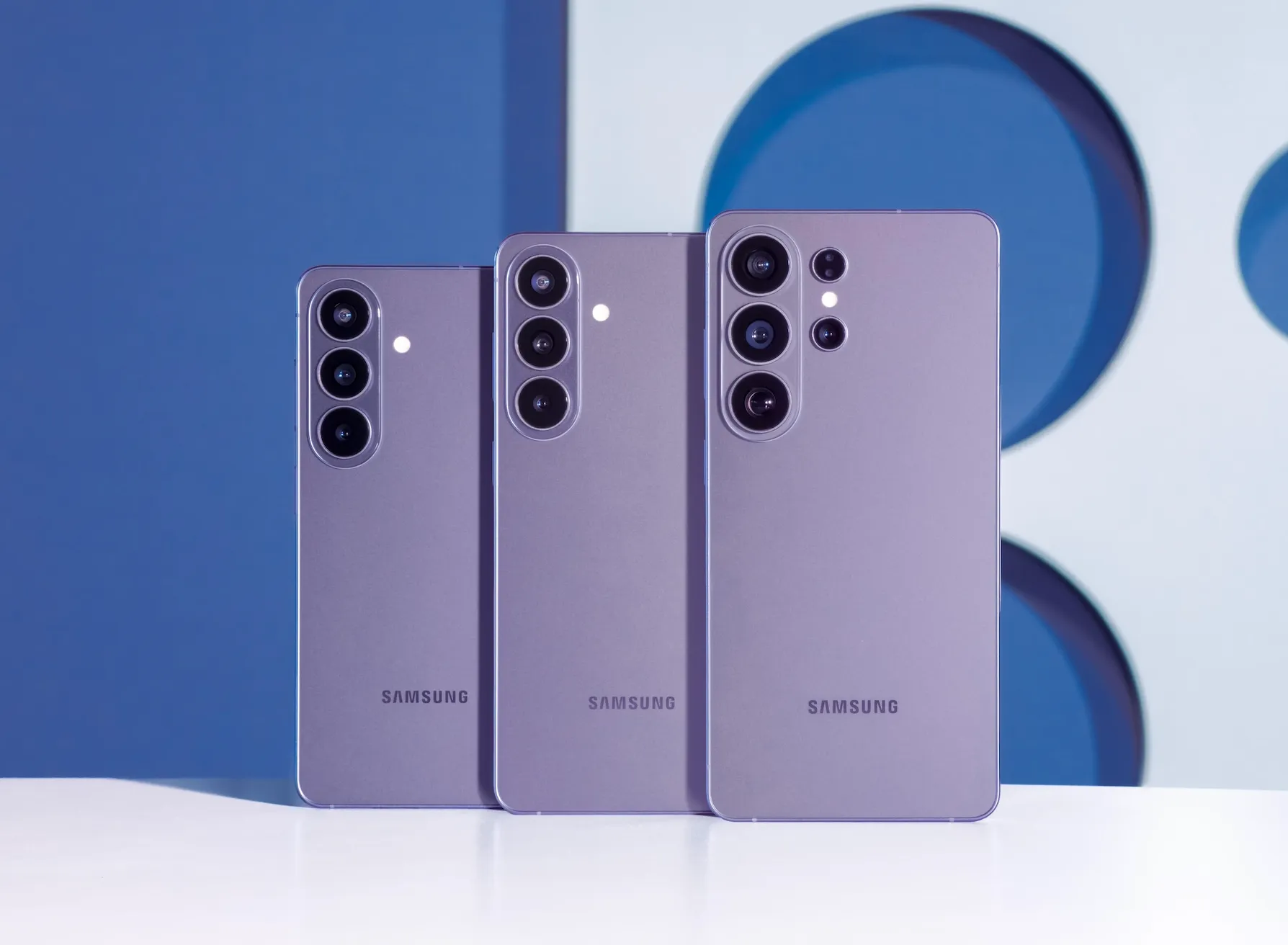
Samsung didn't just redesign a phone this year, it restructured the entire Z-series. What used to be a two-device lineup, a Flip and a Fold, is now three: the Fold 8, the Fold 8 Ultra, and the Flip 8, which Samsung describes as its "most complete lineup yet," aimed at expanding foldables to a wider audience (Samsung Newsroom, 3 weeks ago).
Price is part of the story the 59-26 split doesn't fully tell. The standard Fold 8 starts at $1,900, while the Ultra starts at $2,100 (Android Police, last week). Android Authority's poll also included two other options, "waiting for reviews" and "neither," which each landed around 7.5%, meaning fewer than one in six respondents were undecided or uninterested (Android Authority, last week). That the cheaper phone won by such a wide margin could reflect its design, its price, or both, and the poll itself doesn't separate the two variables.
The trade-off shows up most clearly in the cameras. The standard Fold 8 drops to two rear cameras, a 50-megapixel main and a 50-megapixel ultrawide, with no dedicated telephoto, which XDA's reviewer calls a clear downgrade from last year's Fold 7 (XDA Developers, last week). The Ultra, by contrast, carries essentially the Galaxy S26 Ultra's camera system, alongside an 8-inch main display and a 5,000mAh battery (Samsung Newsroom, 3 weeks ago). XDA's reviewer argues that makes the Ultra the true successor to the Fold 7 lineage, and calls Samsung's naming choice for this year's phones "perplexing" as a result (XDA Developers, last week).
Read one way, Samsung has split its foldable lineup into a phone people want to look at and a phone specs-focused buyers expect. That's this article's interpretation of the poll and reviews together, not a conclusion either source states outright. But it fits the pattern on display: the wider, cheaper Fold 8 wins the popularity contest while the Ultra absorbs the camera and battery upgrades that used to define Samsung's top-tier Fold.
Strong reviews, niche market: what the data doesn't yet prove
Reviewer enthusiasm has a real-world echo. Certain Fold 8 configurations have been back-ordered for weeks, with one combination not expected to ship until October, according to Android Authority (Android Authority, last week). That's a demand signal worth noting, though it describes limited configurations running behind schedule, not confirmed sales volume, and Samsung hasn't released figures that would clarify the difference.
The phone also isn't without rough edges. XDA's reviewer found no Flex Mode support, inconsistent handoff between the cover and inner screens, and occasional app failures, citing Instagram specifically as an app that sometimes wouldn't load (XDA Developers, last week). The same review notes an IP48 dust and water resistance rating, which trails Google's competing foldable on dust protection (XDA Developers, last week). These are one reviewer's observations, but they're specific enough to suggest the software hasn't fully caught up to the hardware redesign.
Zoom out further and the category itself is still small. Foldables made up less than 1% of all smartphones as of a market survey earlier this year, with only 2% of respondents planning to buy one within the next year and just 5% ranking a foldable screen as an important purchase factor (451 Alliance, earlier this year). Those numbers predate the Fold 8's launch, so they can't say whether this redesign moves the needle, but they're the clearest available baseline for how niche the format remains.
Samsung is at least hedging against the price with longevity. The company backs the Fold 8 with seven years of major OS and security updates, which stretches the cost of a $1,900 phone across a longer ownership window than most Android devices offer (Android Police, last week). That doesn't make the phone cheap, but it changes the math for anyone weighing the price against how long they'll actually keep it.
None of this cancels out what reviewers are describing. But preorder backlogs and glowing reviews describe demand within an audience that was already inclined to buy a foldable, not evidence that Samsung has solved the price and utility problems keeping everyone else out.
What the Fold 8's success still doesn't prove
Put the pieces together and a clear, if bounded, picture emerges. Samsung's Flex Titanium layer and wider proportions produced a hinge and screen combination that two independent reviewers, testing the phone for days rather than years, describe as a genuine improvement over past Z Fold models (Android Police, last week; XDA Developers, last week). Android Authority's poll suggests that improvement, or the price gap that comes with it, resonates with an engaged reader base (Android Authority, last week). None of that is an instrumented crease measurement or a long-term durability test, and it shouldn't be read as one.
At $1,900, with a camera setup reviewers call a step down from last year's model and a foldable market that made up less than 1% of smartphones sold earlier this year, the design win hasn't yet turned into a value argument for anyone outside people already sold on the format (451 Alliance, earlier this year).
The real test arrives whenever a rival matches this kind of ergonomic fix without the same trade-offs. Analysts at 451 Alliance flagged, earlier this year, that a foldable iPhone could arrive as early as this September, and how it's priced and specced will say a lot about whether foldables' price and utility problems are Samsung's alone to fix or an industry-wide habit (451 Alliance, earlier this year). Until then, the Fold 8 proves foldables can feel better to use. It hasn't yet proven they're worth the price for anyone who isn't already convinced.

Comments
Be the first, drop a comment!