





Why Samsung Galaxy Cameras Save 12MP Instead of 24MP
Samsung's own documentation confirms that specific Galaxy S24 Ultra zoom shots and Motion Photo frame extractions can save as 12MP files, not the 50MP or 200MP number printed on the spec sheet. What the company's public materials don't confirm is what happens to an ordinary photo shot at 1x, when Samsung's "24MP fusion" processing is doing its work in the background. Those are two different claims, and mixing them up is where the confusion starts.
Before going further, it helps to separate three things people tend to mash together: a sensor's native megapixel count (what the hardware can physically capture), a camera mode's advertised resolution (what the menu tells you), and the final saved file's pixel dimensions (what actually lands in your gallery). Samsung describes "24MP fusion" as a process that uses AI to combine images across resolutions to get the most out of each one, not a documented output size for every shot (Samsung Global Newsroom, March 2024). That gap, between a described method and a documented output, is what the rest of this article works through.
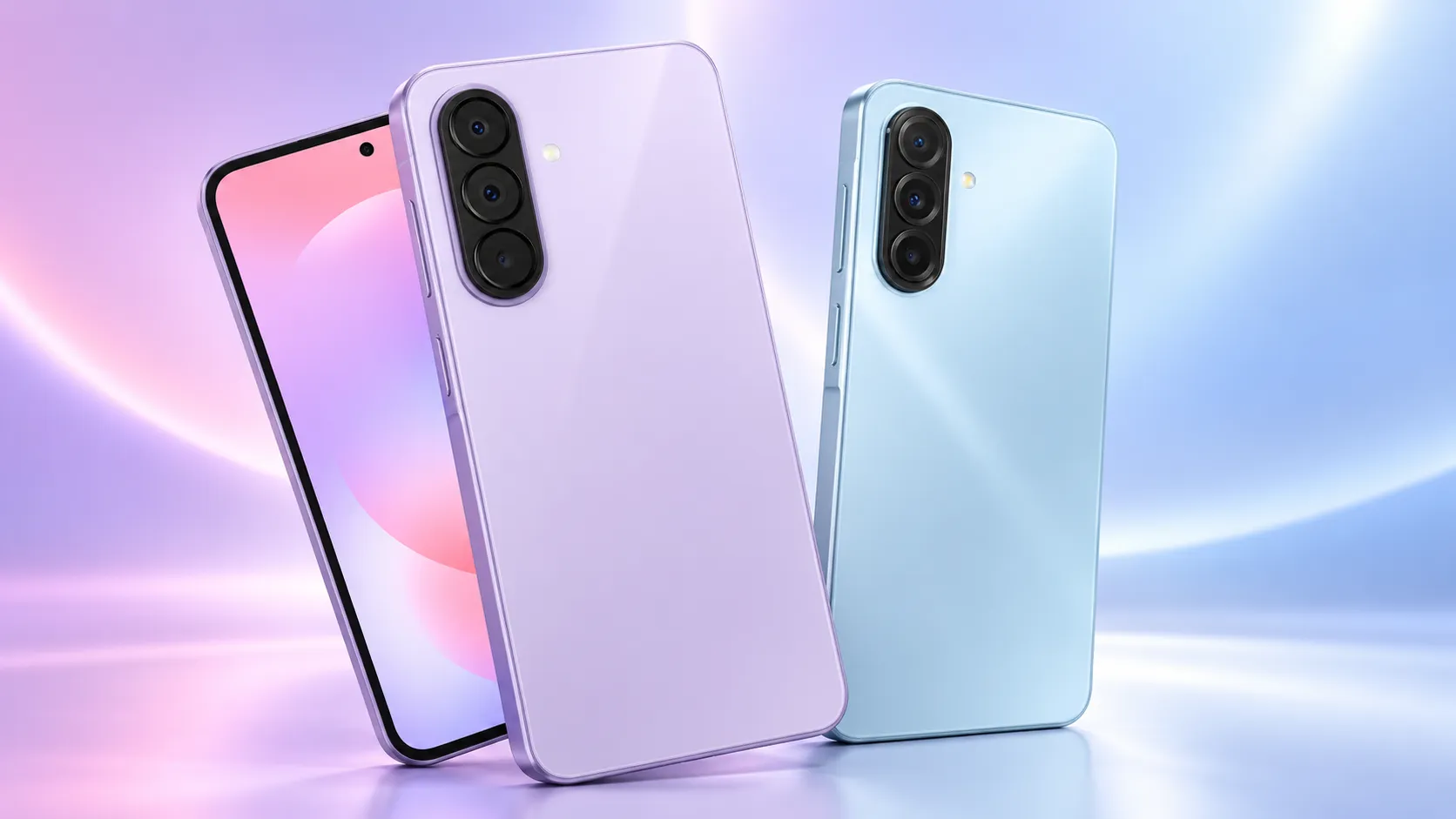
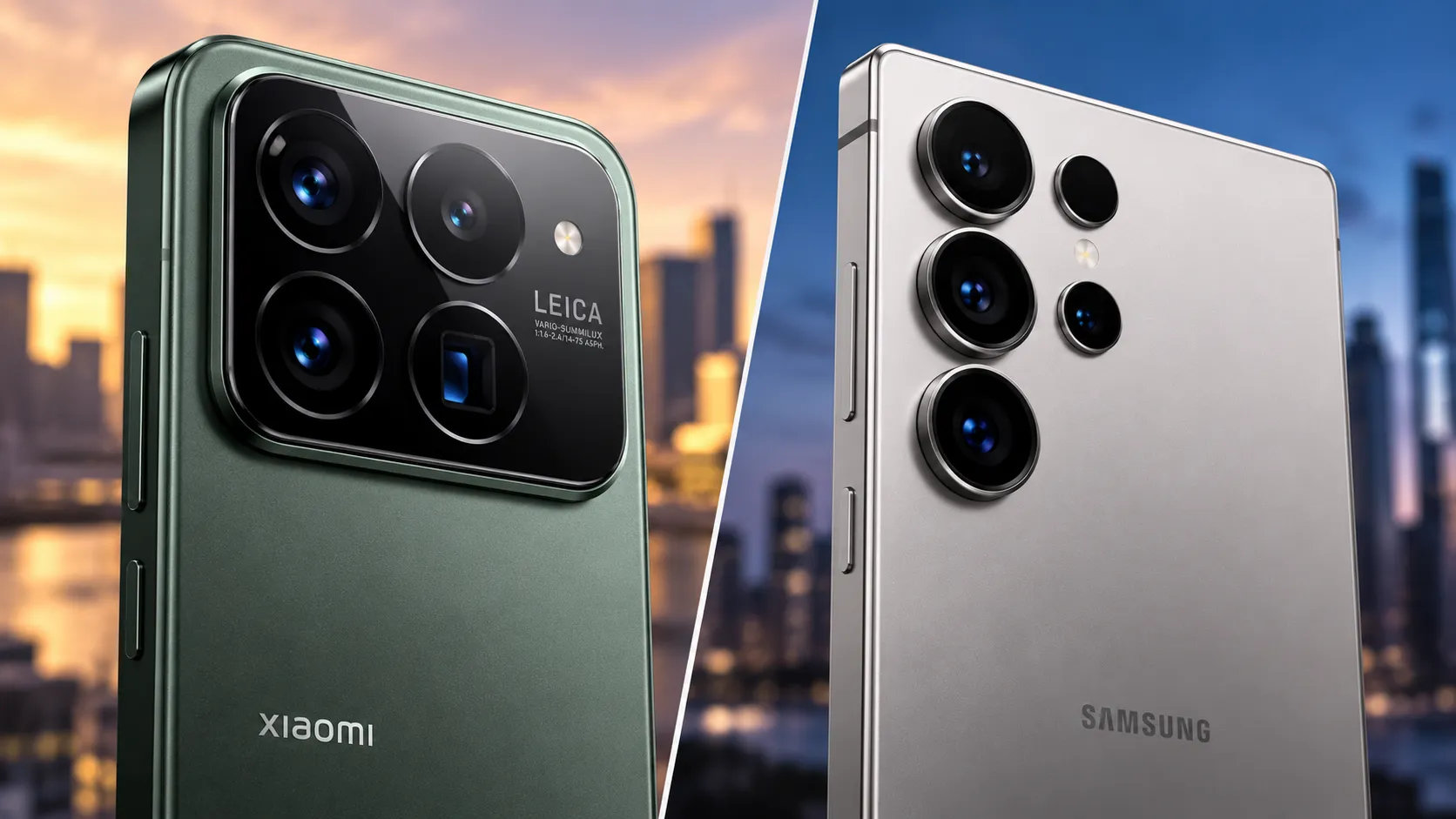
The three S24 phones don't share identical camera hardware, and that split explains a lot of the confusion. The S24 and S24+ carry over the S23's rear camera setup: a 50MP main sensor, 12MP ultrawide, and 10MP telephoto with 3x optical zoom (Consumer Reports, January 2024). The S24 Ultra is a different machine: it keeps its 200MP main sensor and 12MP ultrawide but swapped its old 10x telephoto for a 5x, 50MP telephoto, giving it a zoom pipeline that doesn't exist on its siblings (Consumer Reports, January 2024). Most of what Samsung has confirmed about 12MP outputs applies only to that Ultra hardware.
What follows lays out exactly which Galaxy S24 camera behaviors Samsung has confirmed produce 12MP files, why the company built the pipeline that way, and where the record goes quiet on ordinary 1x photos. It ends with a way to check your own files rather than trust the menu label.
What Samsung has actually confirmed (and what remains open)
Three specific scenarios have documented 12MP outputs, and they're narrower than most people assume.
At 2x zoom on the S24 Ultra, the camera converts a 200MP main-sensor capture into a 50MP image, then crops a 12MP section for the final photo. That pipeline exists only on the Ultra, since the S24 and S24+ don't have a 200MP sensor to start from (Samsung Global Newsroom, February 2024).
At 10x zoom, also Ultra-only, a 50MP image captured at 5x is reduced to 12MP for the finished shot and sharpened with AI super resolution. That's tied specifically to the Ultra's dedicated 5x lens and isn't shared with the base models (Samsung Global Newsroom, February 2024).
Across the whole S24 series, Motion Photo works the same way regardless of model. The feature records up to three seconds of preview footage, and thanks to automatic AI upscaling, the selected frame can be saved as a 12MP image (Samsung Global Newsroom, March 2024). In low light, Motion Photo may disable itself automatically and Night Mode activates instead (Samsung Global Newsroom, March 2024). That's a separate mode, and the cited Motion Photo article doesn't state Night Mode's own saved resolution, so don't assume the 12MP figure carries over.
That leaves the honest interim answer. If a file came from Ultra 2x or 10x zoom, or from a Motion Photo extraction, 12MP is documented, expected behavior. For an ordinary 1x photo, Samsung's public explanation of 24MP fusion doesn't specify the saved pixel dimensions, or the conditions under which they might change. That's the open question the rest of this piece works through.
Why Samsung Galaxy cameras save 12MP photos instead of 24MP
The trade-off, according to Samsung, comes down to detail versus consistency. The company states that 50MP captures provide more detail, while 12MP captures enable multi-frame synthesis, meaning several exposures get merged to improve noise and dynamic range (Samsung Global Newsroom, March 2024). That's Samsung's stated rationale for its own modes. It isn't an independently verified rule that applies to every 12MP or 50MP file any phone might produce.
There's hardware behind that trade-off at the Ultra's 5x lens specifically. The sensor grew from about 12.5 square millimeters to roughly 24.5 square millimeters, with pixels nearly 60% larger, letting it gather more light before AI processing even starts (Samsung Global Newsroom, March 2024). Bigger pixels catch more light per exposure, which is the physical basis for Samsung's noise and dynamic-range claims.
Samsung also says that same multi-frame processing applies "at every step" across all zoom ranges, including magnification points between the labeled ones, like 4x or 7x (Samsung Global Newsroom, February 2024). That doesn't mean those in-between shots skip optical capture entirely. It means every zoom photo, wherever the slider lands, passes through additional AI processing before it's saved, which is why Samsung treats zoom photography as a pipeline rather than a single click of the shutter.
The mode and model matrix: confirmed, unconfirmed, and unknown
Laying out every documented combination side by side is faster than another paragraph of specs:
| Model | 1x | 2x | 3x | 5x | 10x | Motion Photo |
|---|---|---|---|---|---|---|
| S24 | Not specified in cited material | Not specified in cited material | Not specified in cited material | N/A, no 5x lens | N/A, no 10x lens | Documented 12MP path |
| S24+ | Not specified in cited material | Not specified in cited material | Not specified in cited material | N/A, no 5x lens | N/A, no 10x lens | Documented 12MP path |
| S24 Ultra | Not specified in cited material | Documented 12MP path | Dedicated lens; saved size not stated | Dedicated lens; saved size not stated | Documented 12MP path | Documented 12MP path |
The confirmed cells come from the same two Samsung articles cited above (Samsung Global Newsroom, February 2024; Samsung Global Newsroom, March 2024). The 3x and 5x cells reflect Samsung's statement that the Ultra uses dedicated optical lenses at those magnifications, not the crop-and-reduce process used at 2x and 10x; Samsung doesn't say what those files ultimately save at (Samsung Global Newsroom, February 2024). And the S24 and S24+ have no equivalent to the Ultra's 200MP sensor or 5x telephoto, so their zoom behavior at any magnification, and their standard 1x mode, simply isn't addressed in the cited material (Consumer Reports, January 2024).
The pattern is clear enough: dense evidence in a handful of Ultra-specific cells, silence everywhere else. Which means the fastest way to answer the question for your own phone isn't more press material. It's the file itself.
How to check what you actually got
Two different checks apply here, depending on which question you're asking.
Confirming a known case
Start by asking whether the shot came from a documented scenario. Was it taken at 2x or 10x zoom on a Galaxy S24 Ultra specifically, or extracted from a Motion Photo on any S24-series device? Those are the confirmed 12MP scenarios (Samsung Global Newsroom, February 2024; Samsung Global Newsroom, March 2024).
If Motion Photo got disabled and Night Mode kicked in because of low light, that shot falls outside the confirmed Motion Photo case. The cited article doesn't state Night Mode's own saved resolution, so a 12MP result there isn't automatically explained by anything above; it just means you're looking at a different, undocumented mode.
Testing what your own 1x photos actually save
For everything outside those confirmed cases, the menu label isn't reliable evidence. Most Android gallery apps, including Samsung's, let you view a photo's file details, including pixel width and height, though the exact menu path shifts between One UI versions. Multiply the width by the height shown there, then divide by one million to get the actual megapixel count, rather than trusting a number you half-remember from the spec sheet.
To test the question properly, shoot the same static scene at 1x with Motion Photo turned off, once in good light and once in low light, on each model you have access to. Keep the aspect ratio identical across every shot, since a different aspect ratio changes the total pixel count even at the same nominal resolution. Then compare the saved dimensions across lighting conditions and across models to see whether a pattern turns up.
This kind of test can tell you what dimensions your phone actually saved. It can't tell you why Samsung's processing landed there, since that requires documentation the company hasn't published for standard 1x capture. If you're weighing a switch to 50MP or 200MP capture mode to sidestep the question, check the resulting file's dimensions afterward rather than assuming the higher-resolution setting settled anything on its own. Samsung's public language around 24MP fusion describes a process, not a guaranteed output size, and that caution carries over to any other resolution setting on the menu.
Where this leaves you
Samsung's documentation is specific about three things: the S24 Ultra's 2x and 10x zoom paths, and Motion Photo frame extraction across the whole series, all of which can produce 12MP files. Outside those cases, including an ordinary 1x photo, the cited public materials don't specify a saved resolution for 24MP fusion, or the conditions that might change it.
That's a gap in the record, not a settled answer, and only hands-on testing across the S24 lineup, or a more detailed disclosure from Samsung, is going to close it. Until then, checking the file itself beats trusting either the menu setting or the sensor number printed on the box: pixel dimensions, aspect ratio, zoom level, and whether Motion Photo or Night Mode was involved.



Comments
Be the first, drop a comment!