





Samsung Galaxy Z Fold 8 Wide vs Motorola Razr Fold: Specs vs Shape
The Samsung Galaxy Z Fold 8 Wide vs Motorola Razr Fold comparison is genuinely asymmetric, and that asymmetry is the story. One device has a complete, confirmed spec sheet. The other has confirmed proportions and almost nothing else. Running this comparison honestly means being precise about which claims belong to which category.
Motorola has built its first book-style foldable with a 6,000mAh battery, 80W charging, a periscope telephoto, a bundled stylus, and a seven-year software commitment, priced at €1,999. Samsung, based on leaked dummy units, appears to be pursuing something structurally different: a shorter, broader inner display that could finally make the Fold's screen feel like a tablet rather than a phone that forgot to stop growing. Motorola is making the stronger hardware argument today. Samsung may be making the more meaningful usability argument. Whether the Fold 8 Wide will justify the wait depends entirely on what Samsung actually delivers alongside the new shape, and on that question, the evidence is thin.
What you can and cannot compare right now
This is a useful place to be explicit, because the information gap shapes every section that follows.
Motorola confirmed the Razr Fold's India launch for May 13, with North American availability planned for sometime this summer, 91mobiles reported this month. The Verge published a hands-on four months ago that added physical context to the numbers. Motorola's hardware case is detailed enough to assess properly.
Samsung is expected to launch three foldables, the Galaxy Z Fold 8 Wide, Galaxy Z Fold 8, and Galaxy Z Flip 8, with the Wide variant representing the lineup's most significant design departure, SamMobile reported three weeks ago based on leaked dummy unit images from leaker Sonny Dickson. Its hardware specifications are entirely unknown.
| Motorola Razr Fold | Samsung Galaxy Z Fold 8 Wide | |
|---|---|---|
| Chipset | Snapdragon 8 Gen 5 ✓ | Unknown |
| Battery | 6,000mAh, 80W/50W ✓ | Unknown |
| Inner display | 8.1" 2K LTPO 120Hz ✓ | Aspect ratio inferred from dummy units |
| Camera | 50MP + periscope telephoto ✓ | Unknown |
| Stylus | Pen Ultra, bundled ✓ | Unknown |
| Durability | IP48/IP49 ✓ | Unknown |
| Software updates | 7 years confirmed ✓ | Not stated |
| Pricing | €1,999 Europe ✓ | Unknown |
Every Samsung claim below is inferred from physical prototypes. Every Motorola claim traces to confirmed spec reporting.
What Motorola is actually offering
Start with the battery, because it sets the competitive frame. A 6,000mAh cell with 80W wired and 50W wireless charging is an aggressive move in a category that has historically traded capacity for thinness, 91mobiles confirmed this month. The number matters not just in isolation but in context: book-style foldables have generally prioritized slimness at the expense of endurance, and Motorola has made the opposite call.
The display configuration is strong. An 8.1-inch LTPO 2K OLED inner panel at 120Hz paired with a 6.6-inch outer display running at 165Hz gives the Razr Fold one of the more capable dual-display setups in the category, per 91mobiles. The outer refresh rate alone exceeds what most competitors offer on their primary screens.
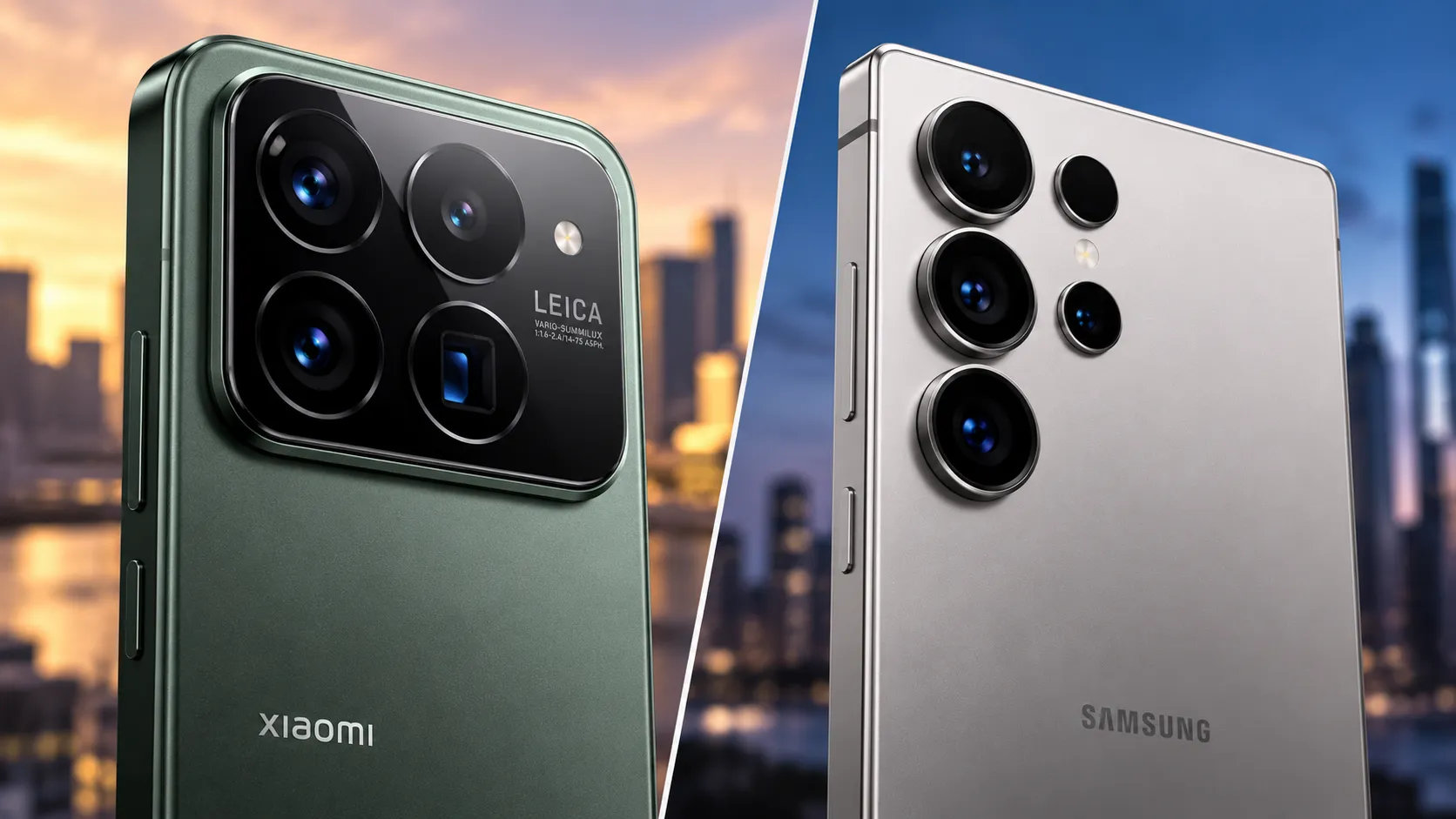
Camera hardware spans a 50MP primary, an ultra-wide with macro capability, and a 3x periscope telephoto on the rear, plus a 32MP cover sensor and 20MP inner camera. That five-camera arrangement, confirmed by 91mobiles, is more than most book-style foldables have managed, and the periscope telephoto specifically is rare in this form factor. Telephoto reach tends to be one of the first things sacrificed when engineers are working around a hinge.
The Motorola Pen Ultra stylus ships in the box at €1,999. IP48/IP49 dust and water resistance and Android 16 with seven years of OS updates complete the confirmed picture, 91mobiles reported. The Snapdragon 8 Gen 5 handles processing duties.
The Verge hands-on added physical context the spec sheet cannot: the device is noticeably thinner and lighter than the Google Pixel 10 Pro Fold, though not as slim as the Galaxy Z Fold 7. Motorola itself described that showing as an early look, meaning some details could still shift before the North American launch. The spec picture is essentially complete. Real-world camera performance, hinge durability over years of use, and thermal behavior under sustained load still need testing at scale.
The honest caveat is that most of these confirmed numbers trace to a single 91mobiles report corroborated by The Verge's hands-on. Both are credible sources. But the delta between published specs and actual performance in the field is always meaningful for cameras and battery, and the Razr Fold has not yet shipped in volume to real users.
Samsung's bet: fix the shape before matching the specs
The Galaxy Z Fold 8 Wide's argument, to the extent one can be made from leaked plastic prototypes, is not about raw specs. It is about geometry.
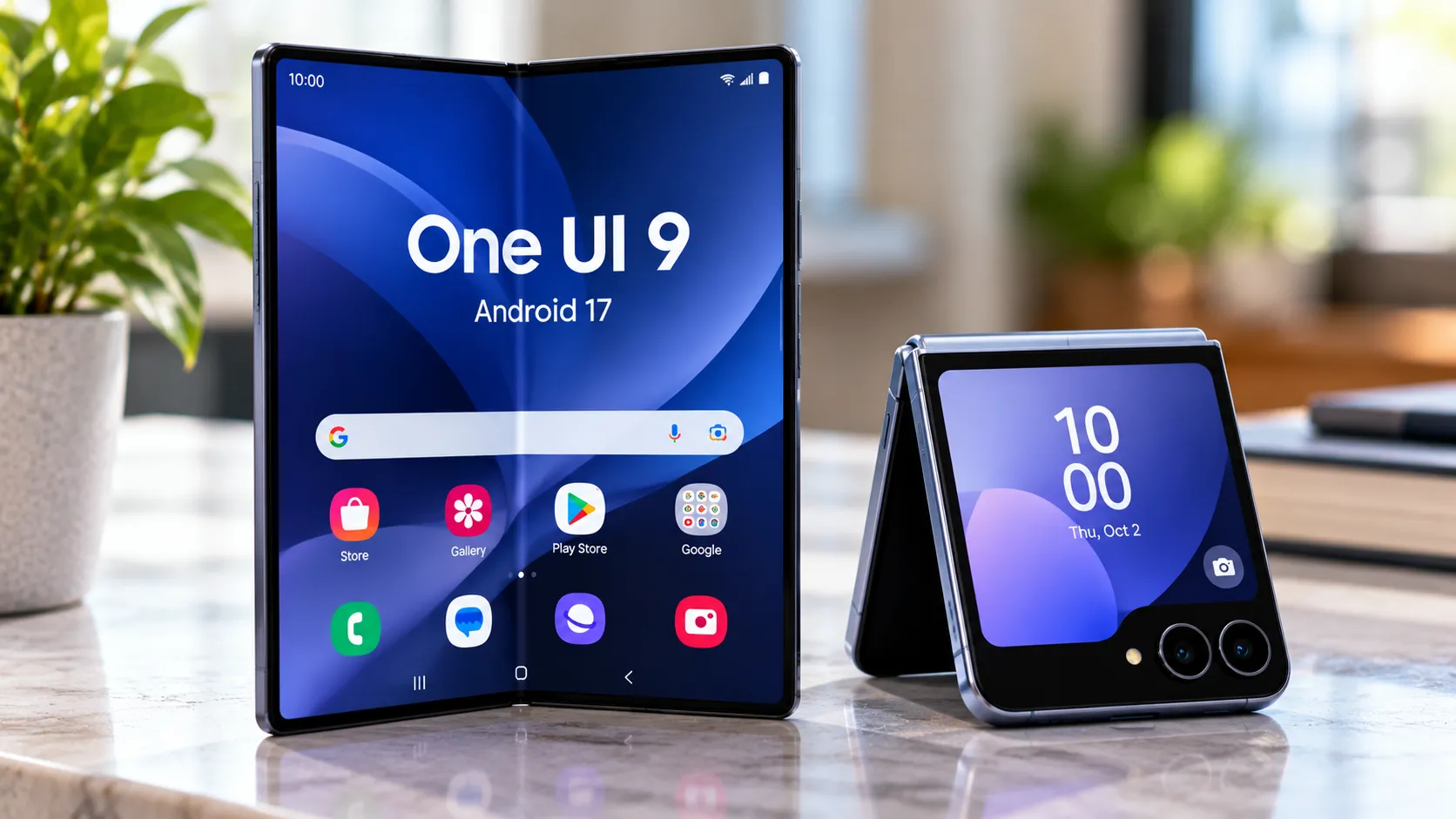
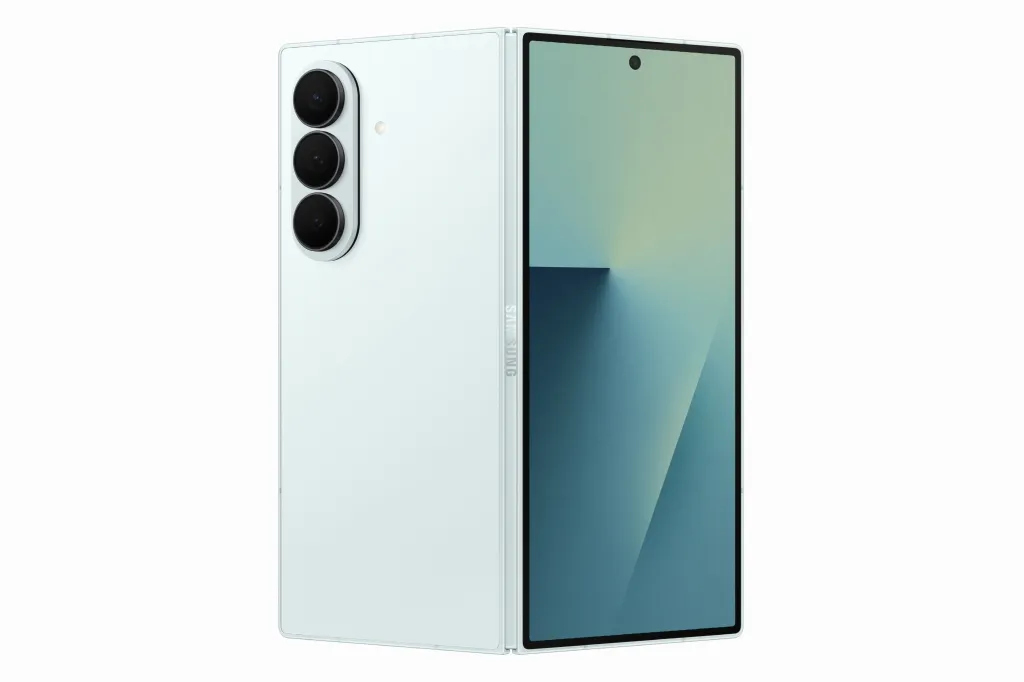
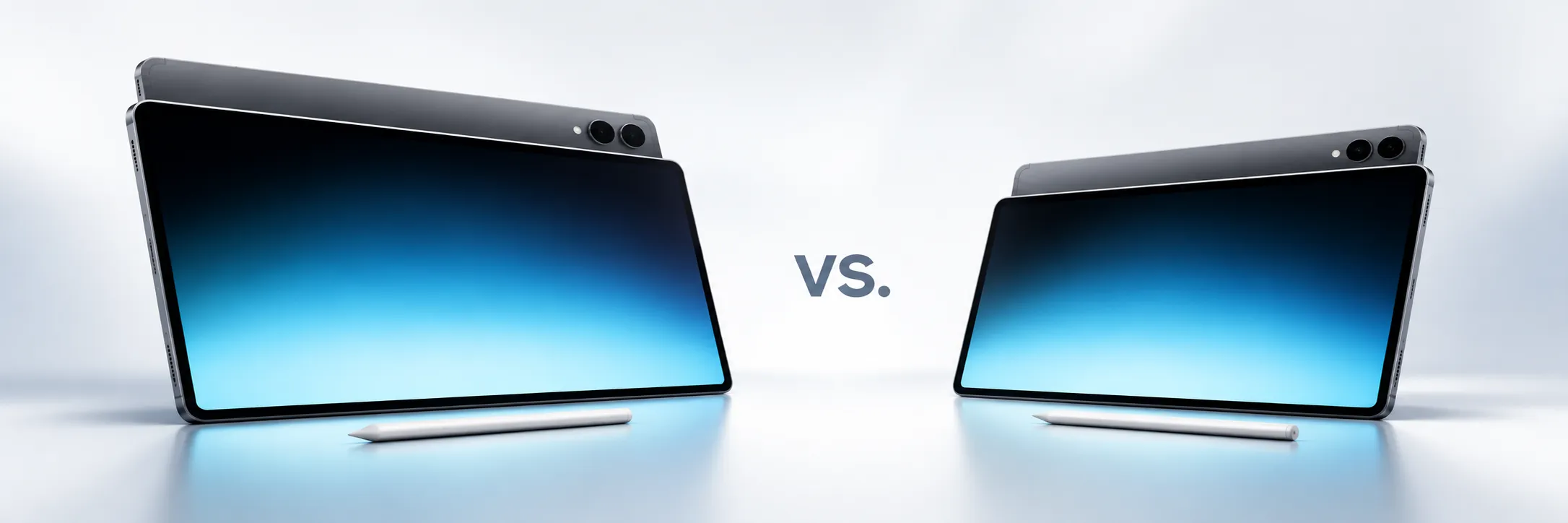
Dummy unit images shared by Sonny Dickson and reported by SamMobile three weeks ago show the Fold 8 Wide as visibly shorter and broader than the standard Fold 8. Based on those physical proportions, SamMobile noted the device's display could carry a 4:3 aspect ratio, similar to what Apple is reportedly targeting for its own foldable. That is an inference from physical dimensions, not a Samsung specification.
Why the shape matters is worth explaining carefully. Book-style foldables have carried tall, narrow inner screens since the original Fold, a proportion inherited from the phone form factor rather than designed for how people actually use a tablet-sized screen. A 4:3 ratio changes the ergonomics of typing in landscape, reconfigures how split-screen apps divide available space, aligns media playback with standard video aspect ratios, and makes document reading and editing feel less like a workaround. These are not incremental improvements. A wider ratio changes what kind of tool the device is, not just how fast it runs.
The tradeoffs are real but unconfirmed. A shorter, wider device may carry costs in pocket fit, one-handed grip when closed, or the engineering geometry available to a battery cell. Samsung has disclosed nothing about chipset, battery size, weight, or thickness for the Wide model. Whether the shape comes at the expense of the specs that actually power the experience remains the central unresolved question.
The same dummy units show circular rear cutouts that may indicate Qi2 magnetic wireless charging across the lineup, though SamMobile notes Samsung internalized similar hardware in final Galaxy S26 production rather than leaving it externally visible, making this speculative for the foldable line. Beyond shape, almost everything remains unknown: camera configuration, chipset, display resolution and refresh rate, durability rating, S Pen support, and price.
Samsung Galaxy Z Fold 8 Wide vs Motorola Razr Fold: what the evidence actually supports
Given the asymmetry in available information, a direct comparison requires being clear about which conclusions rest on confirmed data and which rest on inferred direction.
Hardware certainty. Motorola's spec sheet is confirmed across battery, chipset, cameras, displays, charging, stylus, and durability. Samsung's equivalent does not exist yet. That is not a judgment about quality; it is a statement about what is currently knowable.
Battery and charging. Motorola's 6,000mAh cell with 80W wired and 50W wireless is the strongest confirmed offering in the book-style foldable category, per 91mobiles. Samsung's figures are unknown. Battery size and charging speed are also two of the variables most likely to determine whether the Fold 8 Wide is a competitive device, making their absence from the spec picture consequential.
Display shape and usability. This is the dimension where Samsung's unconfirmed direction is more interesting than Motorola's confirmed spec. The Razr Fold's 8.1-inch inner display is capable on paper. But a genuine 4:3 aspect ratio on the Fold 8 Wide would represent a more fundamental shift in how the inner screen actually gets used, one that no display resolution or refresh rate number captures. "Would represent" is doing significant work in that sentence, because Samsung has confirmed none of it.
Camera hardware. Motorola's five-camera configuration with periscope telephoto is confirmed, 91mobiles reported. Samsung's camera system is entirely unknown. Telephoto reach is one of the features that most differentiates premium foldables from one another, and it is one of the variables most likely to matter to buyers considering a device at this price tier.
Software and productivity. Motorola has shown its hand clearly: Pen Ultra support on both displays, a laptop-style interface with trackpad functionality, tent-mode behavior that surfaces a clock and calendar on the outer screen, and an app-docking multitasking feature that parks an active application at the screen's edge while keeping it live, all confirmed by 91mobiles and corroborated by the Verge hands-on. For Samsung, the comparable software picture for the Fold 8 Wide specifically, how Galaxy AI integration would take advantage of a wider display ratio, whether S Pen support is confirmed, how app optimization handles the new proportions, does not appear in any current sourced reporting. SamMobile's coverage is design-only.
Update longevity. Motorola is promising seven years of OS updates shipping with Android 16 at launch, 91mobiles confirmed. On software longevity, the sourced research data does not include a comparable Samsung confirmation for the Fold 8 Wide specifically, so this category belongs to Motorola by default of what is verifiable.
The waiting risk. Motorola's North American launch is confirmed for sometime this summer. Samsung's full spec reveal has no publicly sourced timeline. A buyer who waits could find themselves comparing confirmed Motorola hardware against a complete Samsung picture, which would make this a more tractable decision. A buyer who waits and finds Samsung's hardware underwhelming has deferred a purchase for the sake of a shape visible in leaked prototypes.
Who should buy now, and what would change the answer
The Razr Fold makes a complete, hardware-confirmed case for the ultra-premium foldable buyer who wants the best available now. Six thousand milliamp-hours, 80W charging, Snapdragon 8 Gen 5, periscope telephoto, bundled stylus, seven-year updates, €1,999. There are no obvious gaps in the confirmed spec sheet, per 91mobiles. For buyers not locked into a particular ecosystem, it is a serious device with serious hardware credentials. The remaining unknowns are real-world ones: camera quality in varied lighting conditions, hinge feel after a year of daily use, thermal management under sustained load. Those questions only get answered after the device ships.
The Galaxy Z Fold 8 Wide is pursuing a different goal entirely: a display geometry that could address the most persistent structural criticism of the Fold line in a way no spec upgrade has managed, per SamMobile. Buyers who have found the current Fold's tall, narrow proportions limiting for document editing, split-screen productivity, or media consumption have genuine reason to wait. That reason only holds if Samsung pairs the new shape with competitive hardware. A wider display on a device with a significantly smaller battery, no telephoto, or weaker processing is still a worse device.
Five data points will resolve most of the current uncertainty when Samsung confirms full specs. Battery size and charging speed relative to Motorola's 6,000mAh/80W benchmark. Camera hardware including whether periscope telephoto reach is included. S Pen support, and whether the stylus is bundled or an additional purchase. Final pricing. And how Samsung's software handles the wider display ratio, specifically whether the app ecosystem and Samsung's own productivity features are meaningfully adapted for the new proportions. Those five questions will do most of the analytical work this comparison cannot yet do.
Until Samsung shows its spec sheet, Motorola holds the clearest and most complete argument.


Comments
Be the first, drop a comment!