



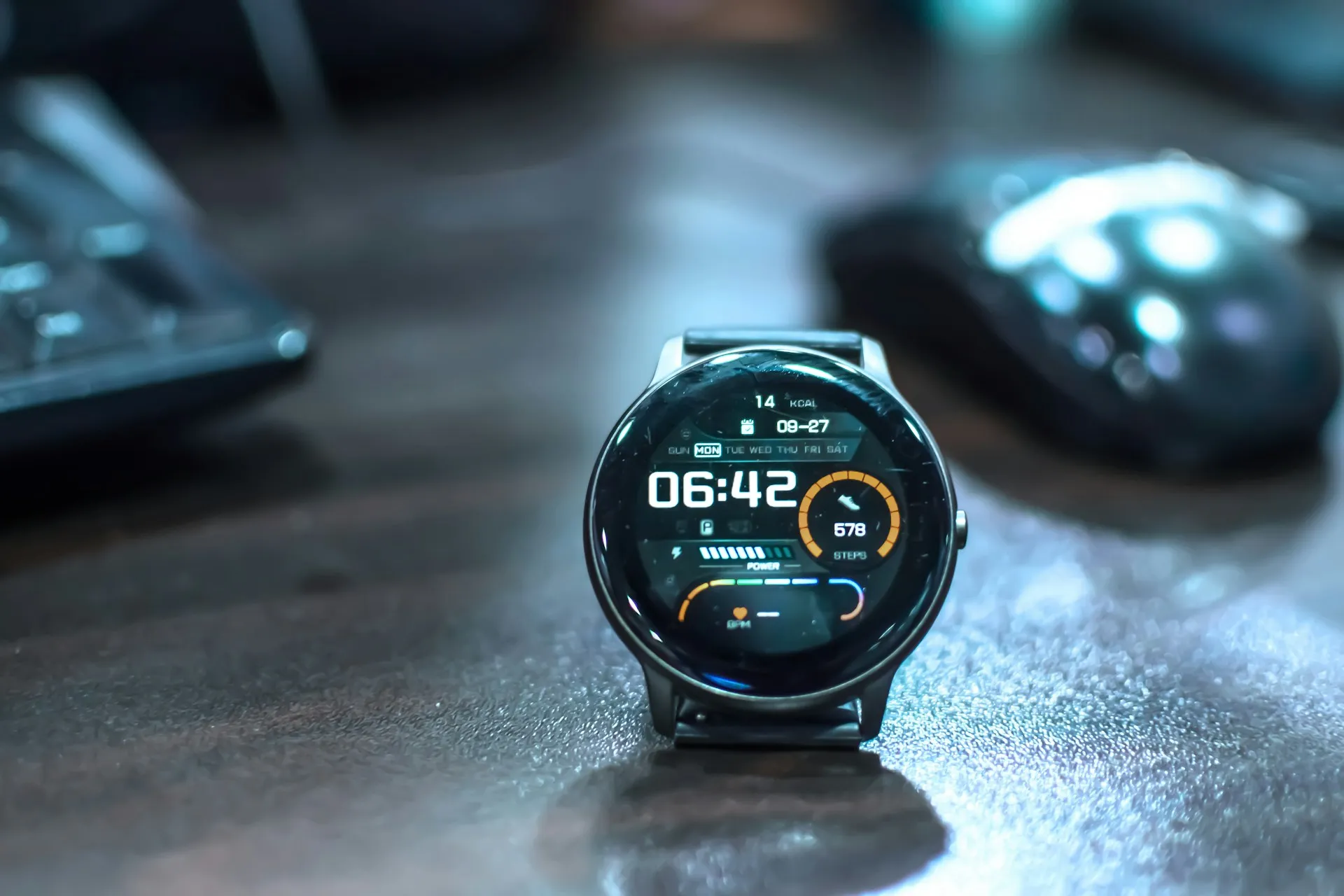
A Samsung Galaxy Watch Ultra 2 specs leak published today by Ice Universe claims the watch will carry an 800mAh battery and an AMOLED display rated at 5,000 nits peak brightness upgrades that, if accurate, would address the two most practical limitations of the original model. The timing gives the claims added credibility: model SM-L715, believed to be the cellular Ultra 2, has already cleared FCC certification, and Samsung's Unpacked event in London is expected July 22, less than four weeks away.
Ice Universe put the battery at 800mAh, up 35.6% from the original's 590mAh cell, and the display at 5,000 nits, according to Notebookcheck. That brightness figure would surpass the 4,500-nit MicroLED panel on the $1,700 Garmin Fenix 8 Pro, which Notebookcheck notes is likely to make the Ultra 2 the brightest smartwatch display on the market, if the leak holds. A separate earlier report from SamMobile had already placed the battery at 784mAh, Android Authority reported three weeks ago. Two sources, slightly different numbers, same direction.
The FCC filings, spotted two weeks ago by both Notebookcheck and Android Authority, covered a broad slate of upcoming Samsung hardware, including the Galaxy Z Flip 8 and Z Fold 8 Ultra. Products typically clear that regulatory step only in the final weeks before commercial launch, so the filings support a near-term launch, though not the July 22 date itself.
The same watch outside, which is why the internals matter more
Renders from veteran leaker Evan Blass show the Ultra 2 keeping Samsung's squircle case shape, the three-button right-side layout, and the large circular action button with its orange accent ring. The dial now carries number markings resembling last year's Classic model — a cosmetic refinement, not a rethink.
The back of the renders is more informative. Visible markings confirm a 47mm case, sapphire crystal glass, LTE, GPS, and 10ATM water resistance. Ice Universe adds IP69K certification, meaning the watch can withstand high-pressure water jets on top of full submersion. For trail runners or cyclists rinsing down gear after a muddy session, that's a meaningful step up from standard water resistance ratings.
On colors, Evan Blass's renders depict the watch in Titanium Gray and Titanium Silver finishes, according to Lowyat.NET, which also noted the watch is expected to ship with a green strap option among several band colors. None of that changes what the watch does, but it signals Samsung is positioning the Ultra 2 closer to the sport-meets-lifestyle end of the premium outdoor segment rather than pure tactical utility.
One question the renders leave open: whether the bezel or dial rotates for navigation. That's not cosmetic. Rotational input changes how the watch feels to use every day, especially during workouts when a touchscreen becomes impractical, and it won't be resolved until the device is in hand.
What the Samsung Galaxy Watch Ultra 2 specs leak says about display brightness
Ice Universe claims Samsung is targeting 5,000 nits of peak brightness for the Ultra 2's AMOLED panel, roughly two-thirds more than the original Ultra's 3,000-nit screen, Notebookcheck reports. That figure would put it above the 4,500-nit MicroLED display on the $1,700 Garmin Fenix 8 Pro, the outdoor visibility benchmark in premium smartwatches.
The original Ultra's 3,000 nits is already competitive in most conditions. Where the Fenix 8 Pro's panel earns its reputation is in direct summer sunlight, the scenario where AMOLED displays tend to wash out and force you into the shade to read a notification. A 5,000-nit panel would, in theory, remove that problem entirely.
Two caveats apply: "peak brightness" typically describes a brief boost mode rather than sustained output, and the Fenix 8 Pro's MicroLED technology handles prolonged outdoor exposure differently from AMOLED. A single brightness spec doesn't fully capture how either display performs across a full day of activity.
The efficiency angle may prove as significant as the brightness number. Samsung Display unveiled an OCF-OLED panel at MWC 2025 rated at 5,000 nits that reportedly draws the same power at peak brightness as older panels do at 3,000 nits and is 20% thinner, Notebookcheck reports. The connection to the Ultra 2's final hardware is plausible; the timing fits, and Samsung Display and Samsung Mobile are obviously not strangers, but Samsung has not explicitly linked the two. Treat the efficiency claim as directionally credible, not confirmed.
Samsung Galaxy Watch Ultra 2 battery upgrade: what the numbers suggest
Two independent data points converge on the battery. SamMobile's earlier report put the cell at 784mAh; Ice Universe's newer leak says 800mAh. The gap likely reflects different measurement conventions rated versus typical capacity rather than contradictory hardware, though that distinction hasn't been confirmed. Either figure represents roughly a one-third increase over the original's 590mAh cell.
The original Galaxy Watch Ultra has been reported to last about three days with the always-on display active, though Samsung's own battery estimates vary by mode. A 35% larger battery combined with a more efficient display panel could push that toward three to four days, Notebookcheck projects.
That figure is a likely marketing ceiling, not a validated real-world outcome. GPS-on endurance during a full day of trail navigation, continuous workout draw, LTE connectivity overhead, and charging speed are all still unknown, and for the outdoor athlete this watch targets, GPS drain alone can cut rated life by half or more.
The third internal upgrade is less headline-friendly but structurally important. Samsung has confirmed its next-generation Galaxy Watch lineup will use Qualcomm's Snapdragon Wear Elite platform. A more power-efficient chip doesn't just add to the battery gains; it compounds them. More capacity plus lower draw per operation plus a display that pulls less current at peak brightness: each improvement amplifies the others rather than simply stacking in a line.
Galaxy Watch Ultra 2 vs Garmin Fenix 8 Pro: the questions only launch can answer
The picture forming across multiple independent sources is consistent. FCC certification, overlapping battery figures from SamMobile and Ice Universe, and official-looking renders from Evan Blass each carry weight on their own. Taken together, they point to a watch that has been substantially reworked on the inside while keeping a proven exterior.
What the leaks cannot settle is the comparison that matters most to anyone cross-shopping against the Fenix 8 Pro. Sustained brightness under direct sun is a different test than peak brightness in a controlled environment. GPS battery draw over an eight-hour trail run is the figure that decides whether a watch earns its place on a long-distance athlete's wrist. Charging speed, a known frustration with the original Ultra, remains unaddressed in anything that has leaked. Price, health and fitness sensor updates, and whether the Snapdragon chip delivers its projected efficiency gains in practice are all still open.
July 22 fills in most of that. Until then, the Galaxy Watch Ultra 2 looks like a meaningfully upgraded version of a watch that was already close to the mark with the right gaps addressed, if the leaks hold.


Comments
Be the first, drop a comment!