



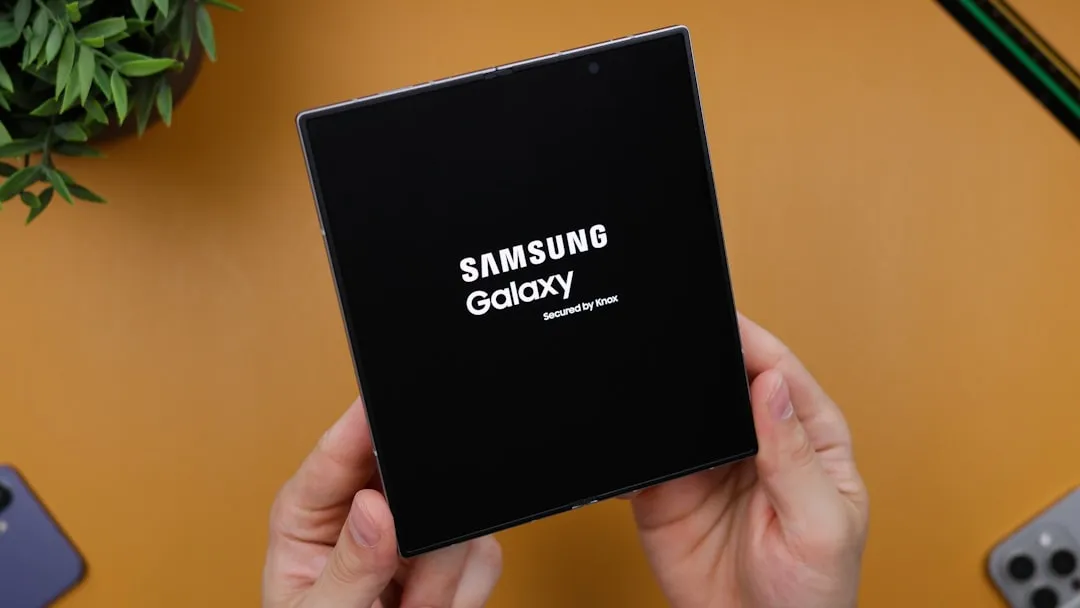
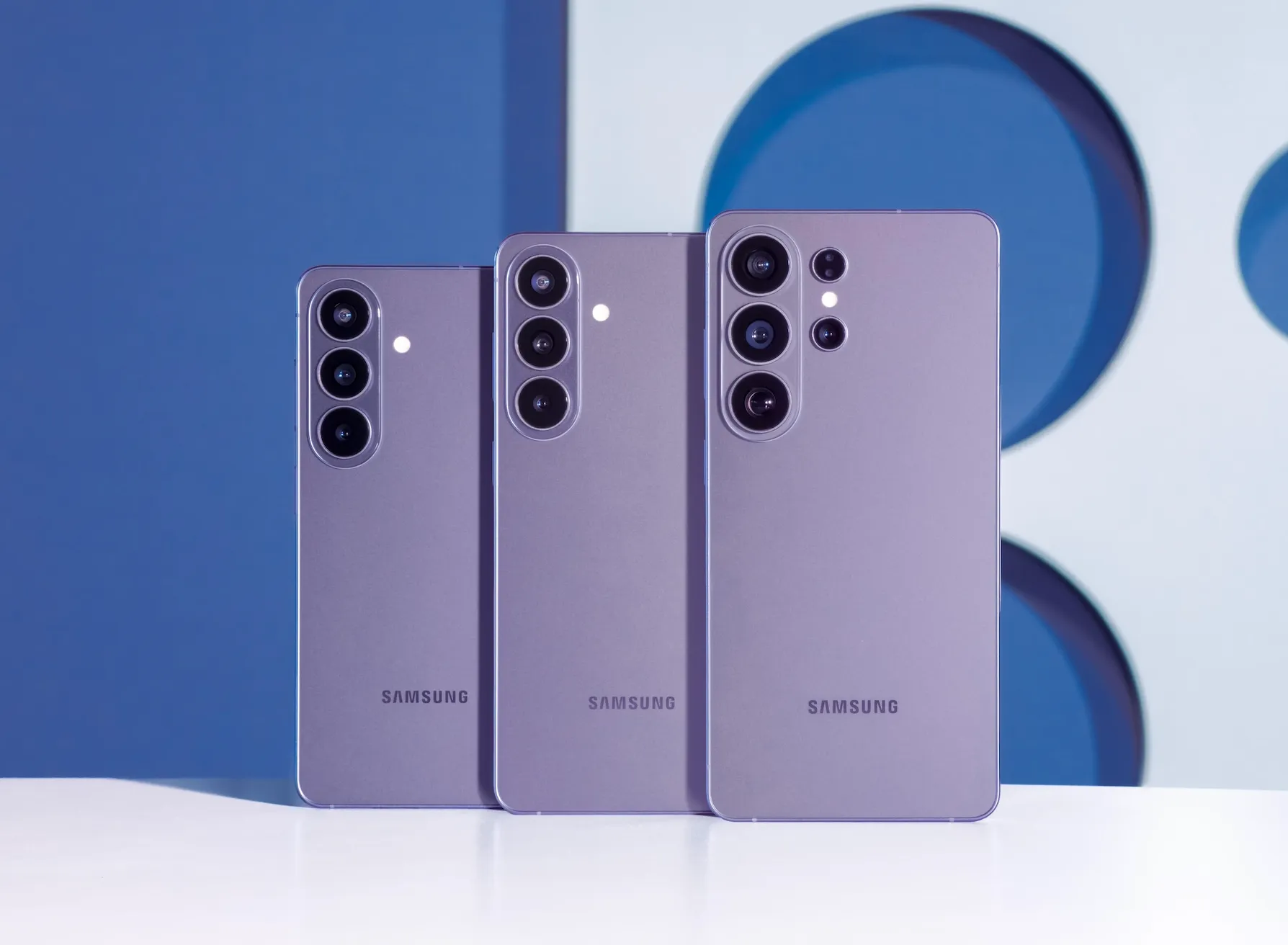
Samsung's flagship smartphones used to feel like annual leaps forward—brighter displays, sharper cameras, faster chips. Lately, though, the upgrades have started to feel more like gentle nudges. According to a recent reader poll from Android Authority, the community has noticed this shift, and they've got some compelling theories about what's driving Samsung's more conservative approach.
The most popular explanation? Readers believe Samsung is deliberately holding back features to maintain differentiation across its product lineup and ensure future models have room to grow. This isn't just speculation. It's part of a widely observed industry trend where smartphone innovation has slowed considerably, leaving manufacturers walking a tightrope between meaningful upgrades and market segmentation.
Many users attest to this shift happening in real-time. For most, the jump from the S20 to S21 felt substantial. The S23 to S24? You'd be hard-pressed to notice the difference in daily use without looking at a spec sheet.
Why the incremental upgrade strategy makes business sense
The top theory from readers is about strategy. Nearly half of poll respondents think Samsung intentionally reserves innovations to keep future Galaxy S models feeling fresh and to protect the appeal of its premium foldable lineup. Think about it from Samsung's perspective: if they dump every cutting-edge feature into the Galaxy S series, what's left to make the next generation compelling? Or more importantly, why would anyone pay a premium for a foldable?
This approach isn't new in consumer electronics, either. It's the classic "planned differentiation" playbook that companies like Apple perfected years ago. Samsung's Galaxy Z Fold and Z Flip series have become flagship priorities, potentially siphoning off cutting-edge features that might otherwise land in the S-series. Take the under-display camera technology that debuted on the Z Fold 3 back in 2021—three years later, it still hasn't made the jump to any S-series device. When you're selling phones that start at $1,799 for the Z Fold 6, you need clear differentiation from your $999 S24 Ultra.
The company's focus has visibly shifted toward foldables, which command higher price points and offer more dramatic year-over-year improvements simply because the form factor is still maturing. It's smart business, even if it frustrates enthusiasts waiting for the S-series to push boundaries again. The question isn't whether Samsung is holding back—it's whether this strategy remains sustainable as competitors close the gap.
The chip bottleneck and manufacturing realities
Strategic choices only tell part of the story. Another significant factor readers identified is the semiconductor supply chain, and honestly, this one's harder to dismiss as pure strategy. Poll participants noted that chipset advancements have slowed considerably, making it harder for any manufacturer to deliver dramatic performance gains annually.
Remember when going from one Snapdragon generation to the next meant noticeable real-world improvements? Those days are largely gone. Qualcomm's Snapdragon 8 series still delivers respectable year-over-year gains, but the improvements have shifted from raw performance to efficiency refinements and specialized AI acceleration. The leap from Snapdragon 8 Gen 2 to Gen 3 brought meaningful power efficiency improvements, but unless you're running sustained benchmark tests or intensive gaming sessions, the real-world performance difference disappears in daily use. The explosive performance jumps that characterized 2015-2018 simply aren't possible anymore when you're already working at the bleeding edge of semiconductor physics.
These technical realities intersect directly with Samsung's strategic decisions. Samsung's own Exynos chips have faced development challenges, further complicating the upgrade narrative in markets where Galaxy devices use in-house silicon. The efficiency and thermal management issues that plagued recent Exynos generations forced Samsung into difficult choices: stick with underperforming in-house chips in some regions or accept the margin pressure of buying more Qualcomm silicon globally.
Manufacturing constraints and yield issues mean that even when new process nodes promise efficiency gains, real-world implementation often falls short of marketing promises. The move from 5nm to 4nm nodes delivered measurable but modest improvements—nothing like the transformative gains of earlier process shrinks. You can't innovate your way past physics and manufacturing realities, no matter how talented your engineering team is.
Camera hardware hits physical limits
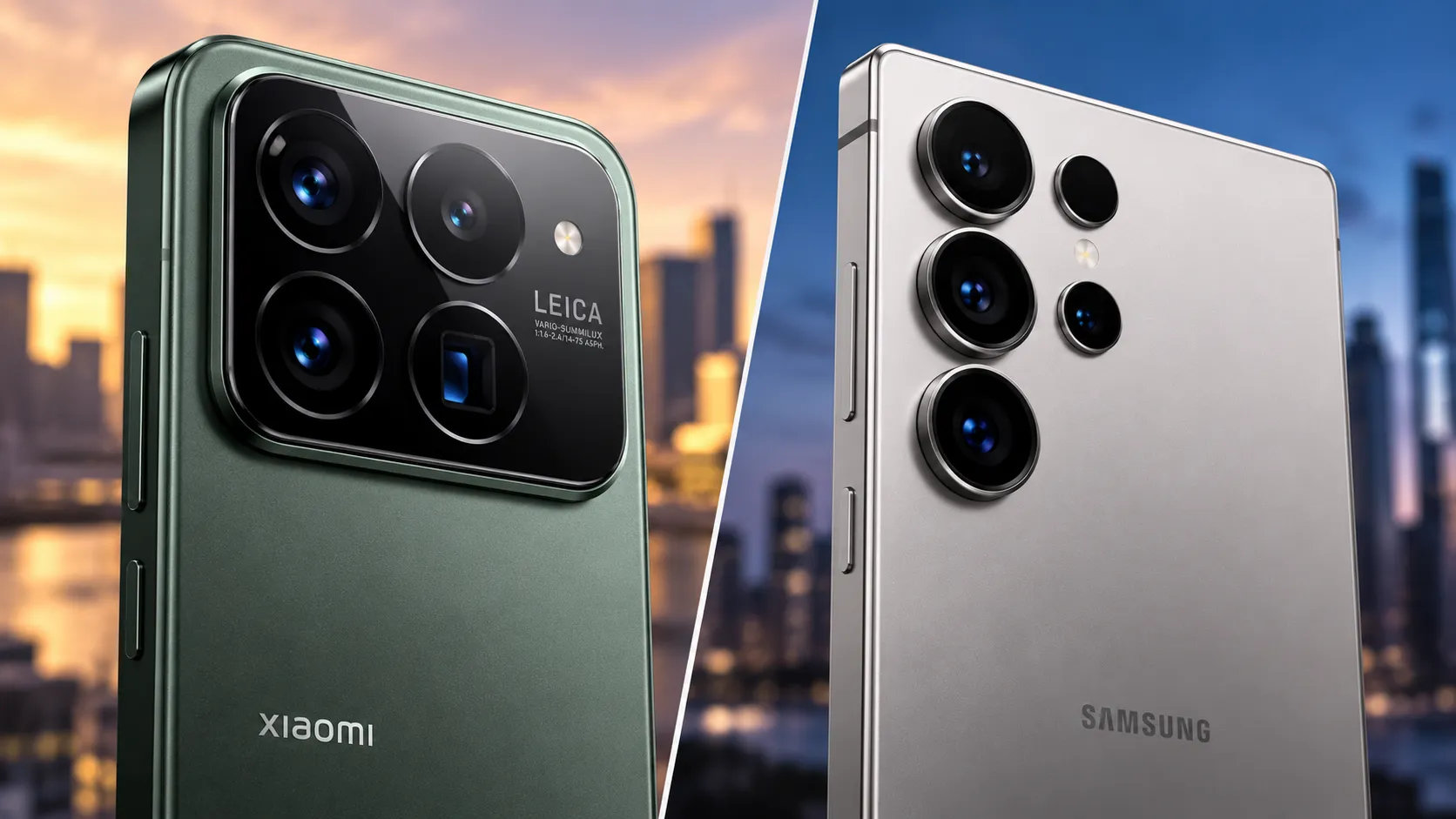
Smartphone cameras have reached a fascinating inflection point, and it's a constraint that deserves more attention in industry analysis. Readers pointed to camera sensor technology as a major constraint, noting that the physics of cramming larger sensors into thin phone bodies creates unavoidable trade-offs. You want a one-inch sensor like Sony managed in the Xperia PRO-I? Prepare for device thickness to increase by 3-4mm, or watch the camera bump grow to comical proportions.
Samsung's recent flagships have leaned heavily on computational photography rather than hardware upgrades, which makes sense when you consider the optical physics at play. Sensor size improvements offer diminishing returns without proportional increases in device thickness. The Galaxy S24 Ultra's 200MP sensor measures 1/1.3 inches—marginally larger than the S21 Ultra's 1/1.33-inch 108MP sensor from three years prior. That's three years for essentially the same physical sensor size, just with different pixel binning strategies.
The shift toward AI-powered image processing is Samsung's bet that software can compensate for hardware plateaus. In practice, this works remarkably well for most scenarios—Night Mode shots have improved dramatically through computational techniques even when the underlying sensor remains largely unchanged. But it doesn't deliver the dramatic "wow factor" that new physical camera modules once provided, especially for enthusiasts who remember when each new Galaxy brought genuinely improved low-light performance or telephoto reach.
What's interesting is that most users probably won't notice. The average person taking photos for Instagram isn't pixel-peeping at 100% zoom. They want good-looking shots with minimal effort, and computational photography delivers that. But for enthusiasts who remember when each new Galaxy brought tangible imaging improvements, the recent stagnation is noticeable. We've hit the point where physics, not engineering capability, has become the primary constraint.
Software and AI: The new battleground
Here's where things get interesting, and where Samsung is clearly placing its bets for the future. Poll responses indicated growing awareness that Samsung is pivoting toward software and AI features as primary differentiators rather than hardware specs. Galaxy AI, Samsung's suite of on-device intelligence features, represents a fundamental shift in how the company defines "flagship." Can your phone intelligently summarize notifications? Translate conversations in real-time through your earbuds? Generate photorealistic edits with a few taps? These are the new selling points.
Features like Circle to Search, Live Translate, and Photo Assist's generative editing tools demonstrate where Samsung believes the future lies. This software-first approach allows Samsung to deliver updates across multiple device generations, which is genuinely great for existing users. My S23 Ultra received many of the same Galaxy AI features that Samsung marketed heavily for the S24 series. But—and here's the catch—this reduces the urgency to upgrade. If your two-year-old flagship gets the headline features of the new model, why rush to drop another thousand dollars?
This strategy creates interesting tensions in Samsung's business model. Longer device support (now seven years of OS updates and security patches) keeps users in the ecosystem but extends replacement cycles. Samsung seems to be betting that ecosystem stickiness—Galaxy Watch, Galaxy Buds, SmartThings integration—matters more than rapid hardware turnover. It's a mature-market strategy focused on customer lifetime value rather than annual upgrade pressure.
The emphasis on AI capabilities also aligns with broader industry trends where Google, Apple, and others are racing to demonstrate practical use cases for on-device machine learning—turning smartphones into genuinely smarter assistants rather than just faster versions of last year's model. The challenge, of course, is making AI feel essential rather than gimmicky. After spending months with Galaxy AI features, I'd say the translation capabilities genuinely improve workflows for anyone dealing with multiple languages. The photo editing tools are impressive technically, but feel more like party tricks than daily necessities. Samsung's still figuring out which is which, and so are consumers.
What this means for the Galaxy S26 and beyond
So, where does this leave us heading into the Galaxy S26 era? Reader sentiment suggests expectations for the Galaxy S26 are tempered, with most anticipating evolutionary rather than revolutionary changes. That's probably the right mindset. The poll reveals a community that's become savvy to Samsung's product strategy, understanding that the days of dramatic annual hardware leaps are largely behind us.
The business realities driving Samsung's conservatism are unlikely to change soon. Cost pressures and market saturation mean Samsung is optimizing for profitability and ecosystem lock-in rather than chasing spec-sheet supremacy. The smartphone market has matured globally, with replacement cycles stretching beyond three years in most developed markets. Manufacturers have adjusted their strategies accordingly. Why blow the innovation budget on features that only a fraction of users will experience immediately when you can space those improvements across multiple generations and keep each release feeling incrementally better?
The bottom line? Don't expect the S26 to reinvent the smartphone—expect it to refine what's already there, lean harder into AI differentiation, and continue Samsung's careful balancing act between innovation and market segmentation. Based on Samsung's established three-year camera upgrade cycle, we'll probably see a modestly improved camera system (likely focused on computational improvements rather than dramatically new hardware). The chipset will predictably advance to whatever Snapdragon or Exynos generation is ready, bringing worthwhile but not transformative efficiency gains. We might see some display refinements—perhaps improved peak brightness or more refined variable refresh rate behavior. And there will definitely be a heavy dose of new Galaxy AI features that range from genuinely useful to "why did they bother?"
For those hoping for a return to the aggressive upgrade cycles of the 2010s, the industry has moved on, and Samsung's cautious approach reflects a mature market where incremental gains are the new normal. That might sound disappointing, but there's an upside: your current phone stays relevant longer, and the pressure to constantly upgrade diminishes. Samsung's strategy may be conservative, but in a world where smartphones have become essential utilities rather than exciting gadgets, maybe conservative is exactly what the market needs. The real question is whether this approach leaves room for competitors to disrupt with genuinely innovative features while Samsung plays it safe.


Comments
Be the first, drop a comment!