



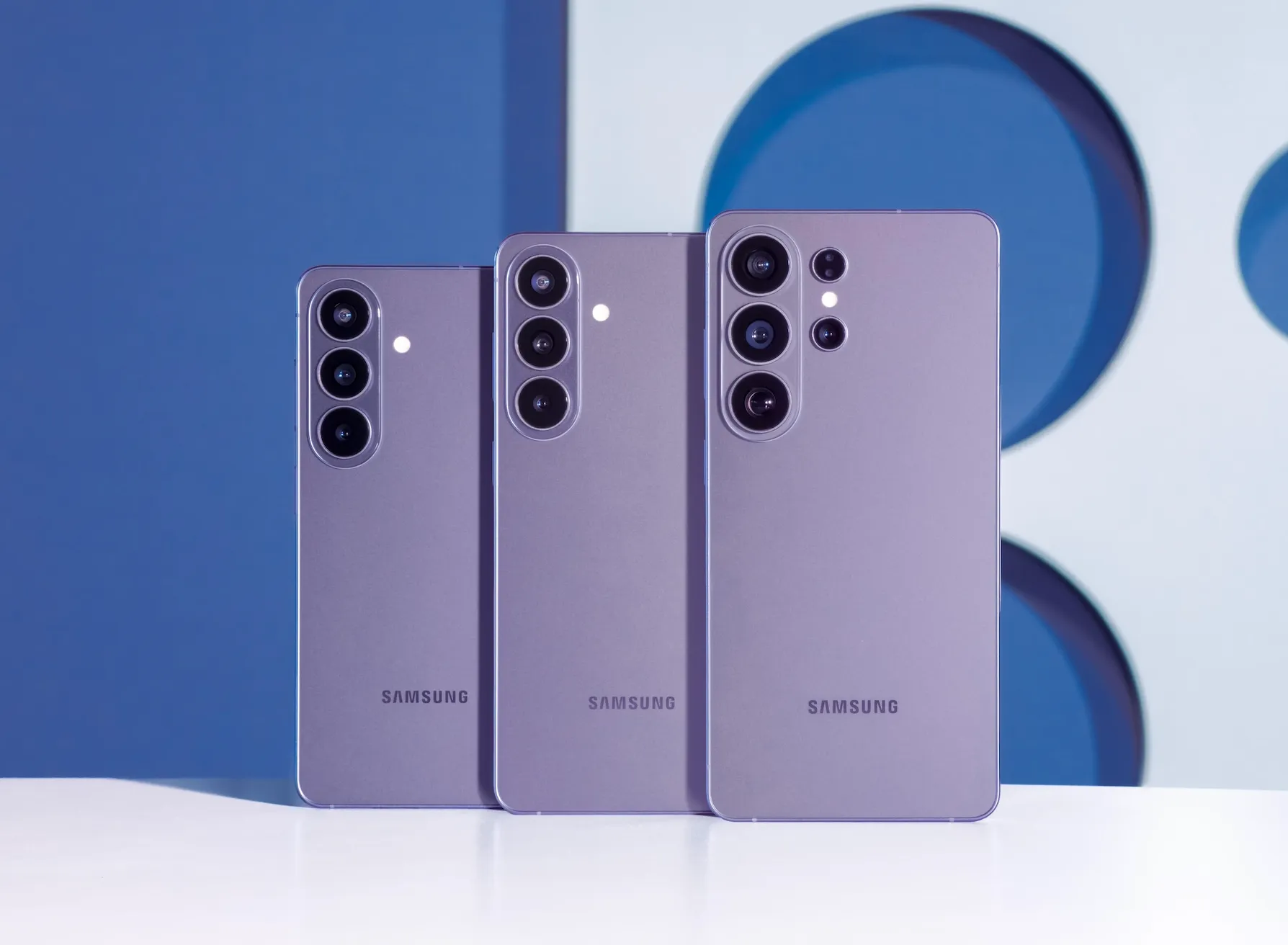
Samsung's Galaxy S26 series launched with considerable fanfare around a promised display upgrade that many thought would finally bring the company's flagships up to speed with competitors. The initial marketing suggested users would get 10-bit displays capable of showing over a billion colors—a significant jump from the 16.7 million colors that previous Samsung phones could display. But here's the thing: what actually shipped doesn't match what was initially promised.
The confusion started during Samsung's pre-launch press briefings, where company representatives specifically mentioned that all Galaxy S26 models would feature 10-bit display technology to better complement their advanced camera capabilities, as reported by 9to5Google. One Samsung spokesperson even stated during a closed-door briefing: "All the devices will support 10 bit... This time all three will be able to support both video as well as display up to up to 10 bits," according to the same source. This created significant expectations among tech enthusiasts and potential buyers who were particularly excited about this upgrade, given Samsung's reputation as a display technology leader and their role as a major OLED supplier to other manufacturers.
However, Samsung's own specification pages continued listing support for only 16 million colors throughout the launch period, creating a puzzling disconnect that should have been a clear indicator that the verbal claims might not align with reality, PhoneArena reports.
What actually shipped with the Galaxy S26 series
After weeks of confusion, Samsung has finally cleared the air. All three Galaxy S26 models—the base S26, S26+, and S26 Ultra—feature 8-bit display panels, not the initially promised 10-bit technology, Samsung confirmed to multiple outlets. This means these displays can reproduce the same 16.7 million colors as previous Galaxy generations, rather than the 1.07 billion colors that would be possible with true 10-bit panels, according to Android Police.
The misinformation appears to have stemmed from a systematic mistake during Samsung's press briefings, where representatives consistently told multiple publications that the new devices would support native 10-bit displays. This wasn't just a single slip-up—it was communicated across multiple media interactions, making the eventual clarification all the more significant for the industry and consumers who had made purchasing decisions based on these claims.
What makes this situation particularly noteworthy is that Samsung has acknowledged the error and clarified that all Galaxy S26 models continue using the same AMOLED 2X panel technology found in earlier devices, Samsung confirmed to SamMobile. The company's specification pages, which never actually changed from listing 16 million colors, turned out to be the accurate source all along.
The technical reality behind color improvements
Despite sticking with 8-bit hardware, Samsung has managed to implement meaningful improvements to address color banding issues that occasionally appeared on previous models. The company appears to be using frame rate control (FRC) technology, which creates the illusion of additional colors by rapidly cycling between different shades on the 8-bit panel, according to Android Police. This technique, also known as "8-bit + FRC," can theoretically simulate up to 1 billion colors and help reduce visible banding in certain viewing scenarios, SamMobile explains.
FRC works by using temporal dithering—essentially flickering between adjacent color values so quickly that the human eye perceives a smooth transition rather than discrete steps. This explains why some reviewers noticed improved color banding performance on the Galaxy S26 series compared to earlier models, even though the underlying hardware remains fundamentally the same, as noted by 9to5Google.
However, this software-based approach has inherent limitations that become apparent in demanding scenarios. The difference between simulated and native 10-bit becomes most apparent when viewing HDR content from streaming platforms like Netflix and YouTube, where true 10-bit displays offer superior color accuracy and smoother gradients, Android Police notes. This is particularly noticeable in scenes with large areas of solid color such as sunset gradients or blue skies, where 8-bit displays—even with FRC—are more likely to show visible artifacts under certain lighting conditions or viewing angles.
How Samsung compares to the competition
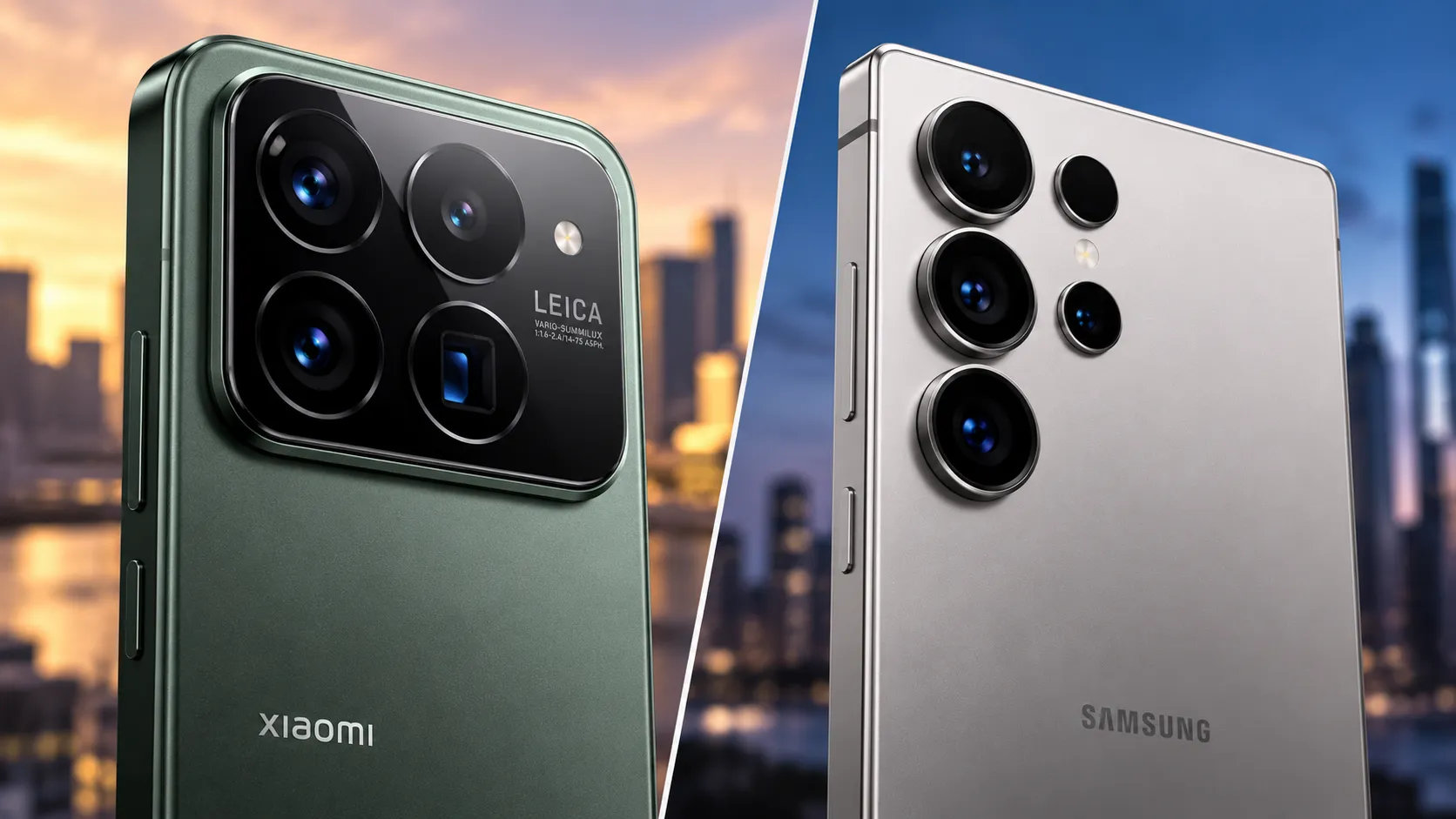
Samsung's decision to continue with 8-bit displays puts the company at a significant disadvantage compared to competitors who adopted native 10-bit technology years ago. Many flagship Android devices from other manufacturers already feature true 10-bit panels that can display the full 1.07 billion color range without relying on simulation techniques, Android Police reports.
What makes this particularly puzzling is Samsung's dual role in the display ecosystem. Not only are they a smartphone manufacturer competing for premium market share, but they're also a major OLED panel supplier to other manufacturers who do offer native 10-bit displays in their flagship devices, as Android Police observes. This creates an unusual situation where Samsung is technically capable of producing the technology their competitors use, yet chooses not to implement it in their own flagship products.
The practical impact varies significantly based on usage patterns and user sensitivity to display quality differences. Casual users who primarily scroll through social media, check messages, and consume standard dynamic range content probably won't notice significant differences between 8-bit and 10-bit displays in everyday use, Android Authority explains. For these users, Samsung's FRC implementation may provide sufficient improvement over previous generations.
However, photographers, graphic designers, video editors, and enthusiasts who frequently consume high-quality HDR content will likely notice the superior color accuracy, reduced banding, and smoother gradients that true 10-bit displays provide. The difference becomes especially evident when viewing cinematic HDR content, examining low-light photography with subtle color transitions, or working with professional applications that require precise color reproduction, Android Police notes.
What this means for future Galaxy flagships
The Galaxy S26 situation raises important strategic questions about Samsung's display roadmap and the company's priorities for future flagship development. There are likely complex considerations behind Samsung's decision to maintain 8-bit panels, potentially involving cost optimization, power efficiency targets, supply chain management, or manufacturing capacity allocation, Android Police speculates.
The initial miscommunication and subsequent clarification could have broader implications for consumer trust and purchasing decisions. Users who upgraded specifically expecting 10-bit display capabilities may feel misled by the initial press briefings, even though Samsung's specification pages remained consistent throughout the launch period, according to 9to5Google. This highlights the critical importance of ensuring marketing communications align with actual product specifications from the earliest stages of product promotion.
Looking ahead, Samsung faces increasing pressure to address this display technology gap to remain competitive in the premium smartphone market. The company's continued reliance on 8-bit panels, while competitors offer native 10-bit displays as standard features, represents a clear differentiator that could influence purchasing decisions among display-conscious consumers.
For potential buyers currently considering the Galaxy S26 series, this clarification provides important context for making informed decisions. While the devices offer many other improvements and remain capable flagship smartphones, the display technology represents one area where Samsung falls behind competitor offerings, SamMobile concludes. Understanding the actual capabilities—including Samsung's FRC improvements—can help users determine whether the Galaxy S26 series meets their specific display quality requirements and usage patterns.


Comments
Be the first, drop a comment!