





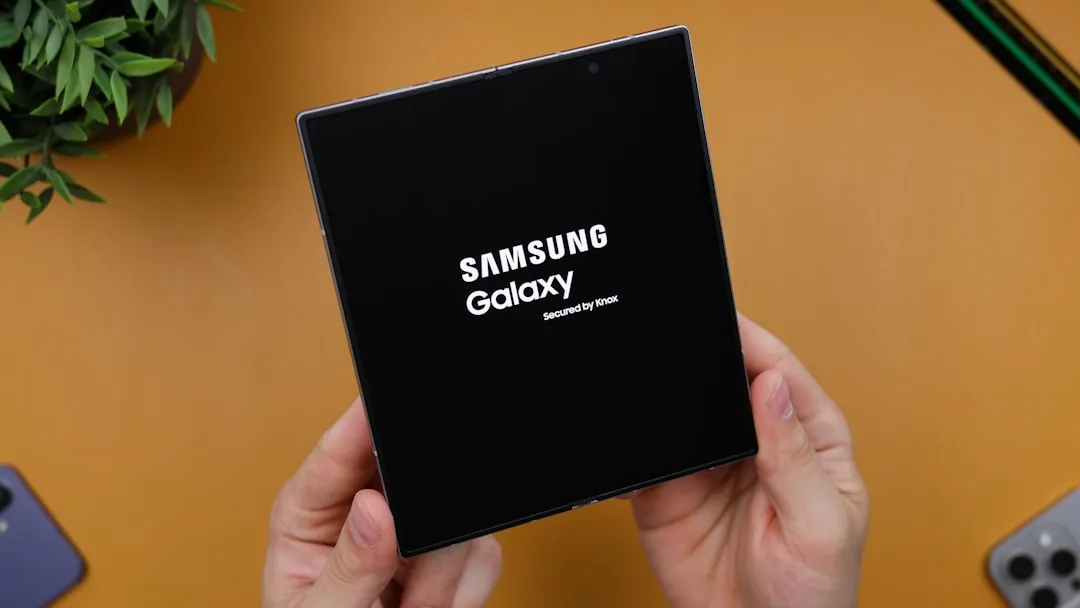
Samsung's February event is shaping up to be one of the most significant tech launches of early 2026. Based on the latest intelligence from industry insiders, we're looking at a showcase that could redefine Samsung's flagship lineup while introducing some genuinely exciting innovations. The timing represents a slight shift from Samsung's usual schedule, with reports indicating the event is scheduled for February 25, per Samsung's invitation, marking a departure from their typical January or early February timeline. This strategic delay reflects Samsung's response to intensifying competition and gives them time to perfect what could be their most ambitious product refresh in years, with devices expected to hit stores by mid-March according to multiple industry sources.
What's driving the Galaxy S26 lineup changes?
The Galaxy S26 series represents more than just an iterative upgrade—it's a strategic repositioning that reflects Samsung's evolution from feature-chasing to user-focused innovation. The most intriguing development involves the lineup composition itself, with Samsung reportedly scrapping the Galaxy S26 Edge and retaining the Plus model after the Edge variant's underwhelming performance. This pivot demonstrates Samsung's willingness to adapt their strategy based on real market feedback rather than stubbornly pushing forward with predetermined plans.
Here's what's fascinating: Samsung is essentially abandoning the thin-phone trend that dominated industry discussions, recognizing that consumers prioritize substance over style specs when choosing their daily drivers. The focus has shifted toward practical improvements that users actually notice in daily use—industry analysis suggests the main emphasis is on battery life, display quality, charging speed, and camera responsiveness rather than flashy gimmicks that look good in marketing materials but don't translate to meaningful user benefits.
This approach signals a broader maturation in the smartphone market, where incremental but meaningful improvements matter more than revolutionary features that aren't quite ready for prime time. Samsung's strategic shift also positions them to compete more effectively against Chinese manufacturers who have been gaining ground with practical, everyday improvements rather than cutting-edge experiments.
Galaxy S26 Ultra: The flagship gets serious upgrades
The Ultra model is where Samsung's engineering team has clearly focused their most ambitious efforts. The display technology alone represents a significant leap forward, with Samsung implementing a 6.9-inch M14 OLED panel that brings improved efficiency and a built-in privacy feature. This privacy functionality uses Flex Magic Pixel technology to limit viewing angles, addressing a genuine concern for business users and privacy-conscious consumers.
What makes this privacy implementation particularly clever is its integration at the hardware level rather than relying on software solutions or aftermarket screen protectors. This approach means users get privacy protection without sacrificing display quality, brightness, or adding device bulk—addressing the enterprise market's growing security demands while maintaining consumer appeal.
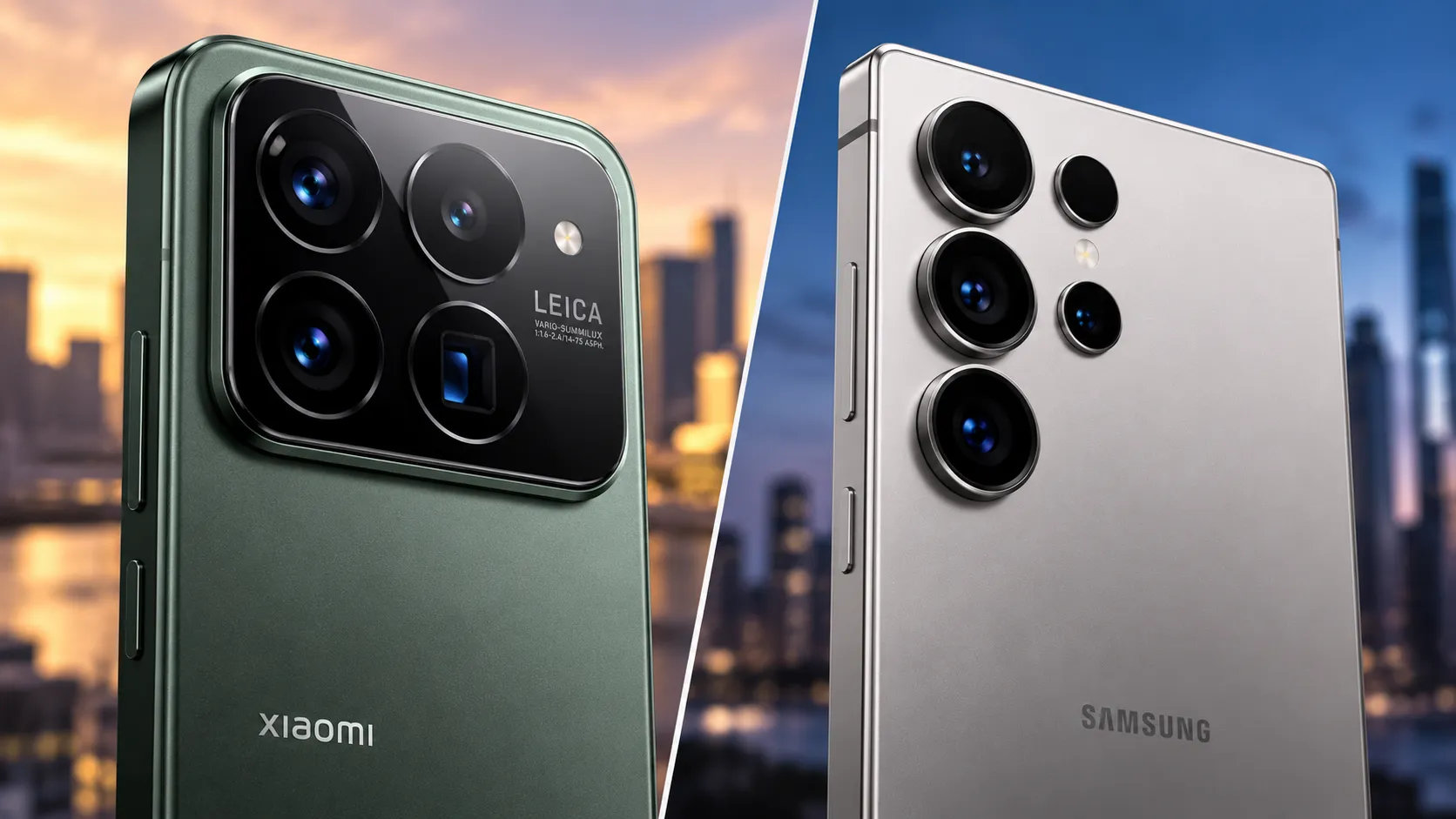
The camera system maintains the proven 200MP primary sensor while introducing meaningful improvements in supporting hardware. Reports indicate enhanced telephoto capabilities with 5x optical zoom and a wider 85-degree field-of-view for the front-facing camera, though this requires a larger punch-hole design. Perhaps most significantly for daily use, charging speeds are expected to jump to 60W wired charging, a substantial improvement that could finally address one of the few remaining competitive disadvantages Samsung faces against Chinese manufacturers who have pushed charging speeds well beyond Samsung's current offerings.
The design evolution shows Samsung moving toward more iPhone-like aesthetics, with leaked mockups revealing more rounded corners and a refined camera layout. This convergence reflects broader industry recognition that certain design solutions simply work better for user comfort and visual appeal, transcending brand rivalries in favor of optimal user experience.
Processing power and the chipset strategy
Samsung's processor strategy for 2026 reveals a more sophisticated approach to global market segmentation and supply chain management. The Galaxy S26 Ultra will exclusively use Qualcomm's Snapdragon 8 Elite Gen 5 processor globally, ensuring consistent performance regardless of market. However, the base S26 and S26 Plus models will use Exynos chips in some markets, possibly the Exynos 2600.
This dual-chip strategy reflects Samsung's long-term semiconductor independence goals while acknowledging current market realities. The Exynos 2600 represents Samsung's continued investment in catching up to Qualcomm's performance leadership, particularly in areas like AI processing and power efficiency that are becoming increasingly crucial for modern smartphone experiences. The challenge lies in ensuring the user experience remains consistent across different regions—a lesson learned from previous generations where performance disparities created customer satisfaction issues.
Memory configurations are getting a notable boost, with all three phones rumored to receive 12GB of RAM, representing a 4GB increase from the previous generation. This increase directly supports Samsung's AI ambitions, enabling more sophisticated on-device processing without constantly relying on cloud services. Higher RAM capacity allows for better multitasking performance and smoother AI feature execution, particularly for image processing, language translation, and contextual assistance features that require substantial local computing resources.
AI integration and software evolution
The Galaxy S26 series will launch with One UI 8 based on Android 16, but the real story is how Samsung is strategically diversifying their AI ecosystem beyond Google's dominance. Samsung is reportedly in talks to integrate Perplexity into Galaxy S26 phones, potentially preloading the service and integrating search functionality directly into their Internet Browser.
This move represents Samsung's evolving approach to AI partnerships, moving from exclusive reliance on Google's Gemini AI to a multi-provider strategy that offers users choice while reducing Samsung's dependence on any single AI partner. Samsung wants to preload Perplexity on its phones and also integrate the company's search functionality directly into its Internet Browser, creating a more diverse AI ecosystem that could provide specialized capabilities for different use cases—search, creative tasks, productivity, and communication.
The integration strategy focuses on creating contextually intelligent experiences rather than simply adding AI features for marketing purposes. The camera system will benefit significantly from these AI improvements, with Samsung adding a 24MP resolution setting exclusive to the S26 series, available through Camera Assistant options. This granular control represents Samsung's understanding that photography enthusiasts want sophisticated options alongside automatic optimization, allowing for professional-level control when desired while maintaining simplicity for casual users.
What about the Galaxy Z TriFold debut?
While the Galaxy S26 series will dominate the February event, Samsung may also provide updates on their most ambitious foldable yet—the Galaxy Z TriFold. This device has already launched in select markets but is expected to arrive in the US in the first quarter of 2026, making the Unpacked event a logical venue for announcing American availability and pricing.
The TriFold represents Samsung's vision for the future of mobile computing, with a 10-inch main display that transforms the device into a genuine tablet replacement. Early hands-on experiences suggest the device delivers on its productivity promises, though the price point will likely be substantial given the Z Fold 7's $2,000 starting price.
The engineering achievement behind the TriFold demonstrates Samsung's foldable expertise—the device features sophisticated opening sequences with haptic feedback to prevent incorrect folding, and the ultra-thin profile when unfolded showcases advanced hinge technology. Its inclusion in the February event would serve multiple strategic purposes: demonstrating Samsung's continued innovation leadership, validating the foldable category's evolution, and establishing the premium pricing tier that helps subsidize more accessible Galaxy S26 models.
Where does this leave Samsung's 2026 strategy?
Samsung's Galaxy Unpacked 2026 represents more than just a product launch—it's a statement about the company's strategic maturation in an increasingly sophisticated smartphone market. The emphasis on practical improvements over revolutionary features suggests Samsung has absorbed valuable lessons about the gap between what consumers actually value versus what generates tech media headlines.
The potential for higher prices across the Galaxy S26 models reflects both increased component costs and Samsung's confidence in the tangible value they're delivering. The strategic question centers on whether consumers will recognize sufficient improvement to justify premium pricing when excellent alternatives exist across every price segment. Samsung's bet appears to be that users will pay more for meaningful everyday improvements—better battery life, faster charging, enhanced displays, and more sophisticated AI features—rather than paying for incremental spec bumps.
The February 25 event will ultimately reveal whether Samsung's refined, user-focused approach resonates with consumers who have become increasingly selective about smartphone upgrades. With devices expected to reach stores by mid-March, the market response will provide crucial insights into whether the smartphone industry's maturation phase favors companies that prioritize substance over spectacle.
Bottom line: Samsung's 2026 strategy suggests a company confident enough in their engineering capabilities to focus on solving real user problems rather than chasing the latest trends—a approach that could define the next phase of smartphone evolution.


Comments
Be the first, drop a comment!