



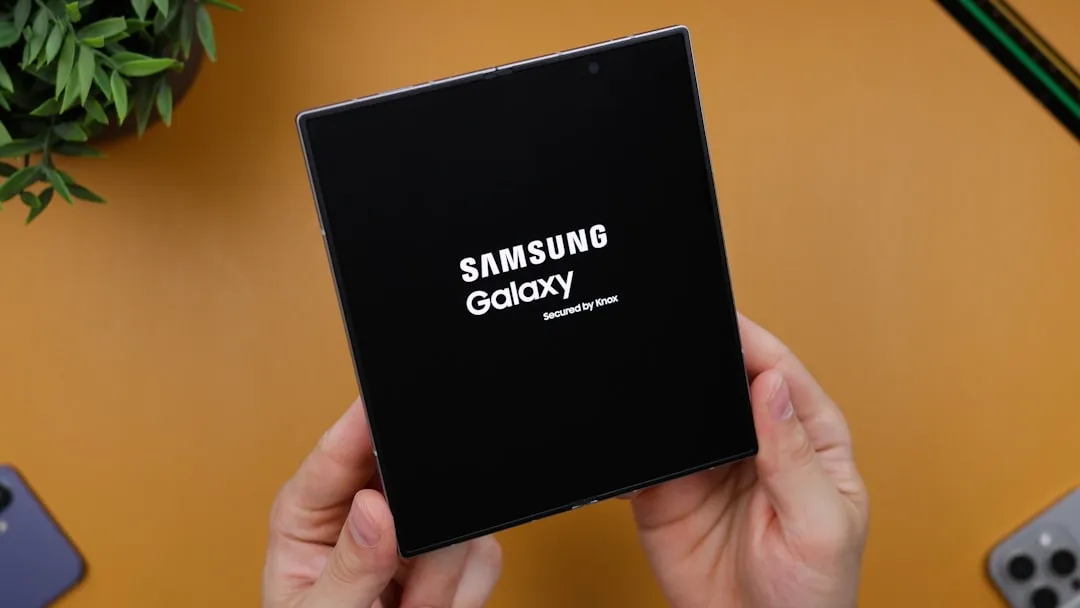
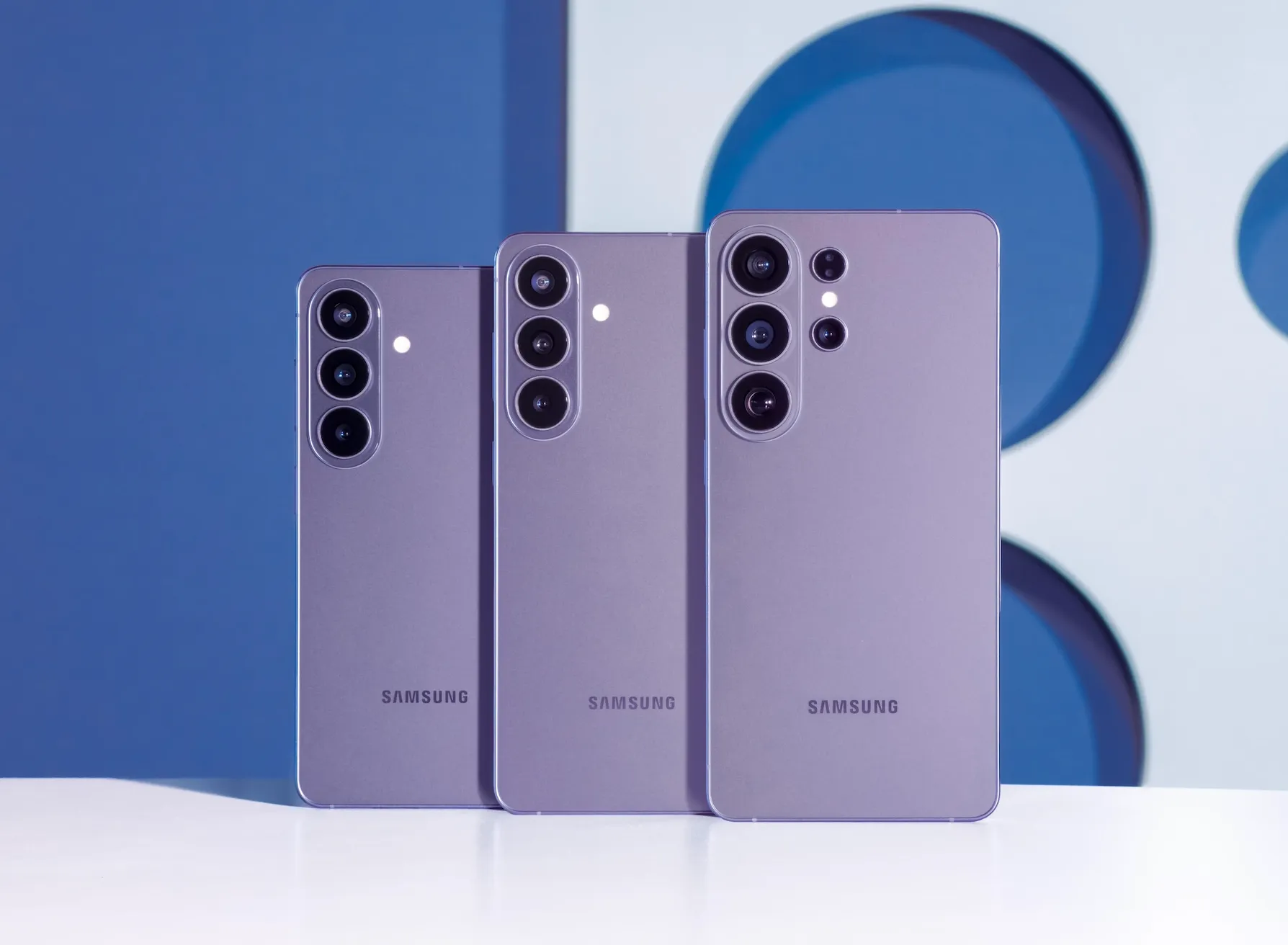
Samsung's Galaxy S26 lineup is generating buzz months before its official unveiling, and retailers are already dangling pre-order opportunities in front of eager upgraders. But here's the thing: locking in a purchase today—before Samsung has even announced specs, pricing, or launch incentives—is a gamble that rarely pays off for consumers. The smartphone upgrade cycle has evolved into a predictable rhythm of incremental improvements, aggressive launch-day promotions, and post-release price corrections that consistently reward patience over impulse. Whether you're eyeing the base S26, the Plus, or the Ultra, understanding the timing and economics of Samsung's flagship releases can save you hundreds of dollars and buyer's remorse. Let's break it down: why waiting is almost always the smarter play, and what history tells us about the real value of Samsung's annual refresh.
The pre-order trap: Why early commitments backfire
Pre-ordering a flagship phone before official announcement sounds like securing first-mover advantage, but the reality is far less appealing. Retailers and carriers push early reservations to lock in revenue and gauge demand, not to deliver meaningful consumer benefit. You're committing to a device whose camera system, processor generation, battery capacity, and software features remain unconfirmed—essentially buying a promise rather than a product.
Here's where the economics get interesting: Samsung's typical announcement-to-availability window runs six to eight weeks, during which the company unveils official trade-in values, bundled accessories, and retailer-specific bonuses that dwarf any speculative early-bird offers. The S25 series launched with trade-in credits reaching $800 for select older models and free storage upgrades worth $120—incentives that weren't available to those who reserved months prior. In our tracking of Samsung's launch cycles over the past three years, we've consistently observed that the most compelling value propositions emerge in the 72-hours surrounding official announcements, when Samsung competes directly with Apple's iPhone cycle and third-party retailers undercut each other for launch-day traffic.
This isn't just about missing promotional offers—it's about forfeiting all your negotiating leverage before you even know what you're negotiating for. Early reservation programs ask you to commit based on speculation and marketing hype rather than confirmed specifications and competitive pricing. You're volunteering to pay maximum retail while later buyers will leverage the competitive dynamics between Samsung's direct channels, carrier promotions, and third-party retailers to secure substantially better deals on identical hardware.
What the S25 taught us about incremental upgrades
The Galaxy S25 generation offers a masterclass in the law of diminishing returns that now governs flagship smartphones—and it reveals exactly what to expect from the S26. Samsung's 2025 refresh brought Qualcomm's Snapdragon 8 Elite processor to all global markets, ending the controversial Exynos split that plagued previous generations. While this represented a welcome change for consistency, real-world performance gains over the S24's Snapdragon 8 Gen 3 proved marginal for everyday tasks. We're talking about speed differences you'd need a benchmark app to detect, not improvements you'd notice scrolling through Instagram or switching between apps.
Camera hardware remained virtually unchanged across the base and Plus models, with software processing doing the heavy lifting for any image quality improvements. Battery capacities held steady at their predecessor levels, and the design language evolved only in the subtlest ways: slightly slimmer bezels and fractionally lighter chassis weights that most users would never notice without side-by-side comparison. The S25 Ultra's shift to rounded corners and titanium construction represented the most significant physical change, yet even that flagship variant kept the same 200MP main sensor and 5000mAh battery as its predecessor.
For anyone holding an S23 or S24, the S25 delivered refinement rather than revolution. This pattern strongly suggests the S26 will follow the same trajectory, prioritizing consistency and predictable iteration over breakthrough features. Smartphone technology has matured to the point where dramatic year-over-year leaps simply aren't physically possible anymore—we've hit the practical limits of battery density, sensor physics, and processing efficiency gains within current manufacturing constraints. This technological plateau fundamentally changes the upgrade calculus: multi-year cycles now make far more financial sense than annual purchases, especially when the price premium for marginal improvements continues climbing.
The pricing game: How Samsung discounts work
Samsung's pricing strategy follows a predictable arc that systematically punishes early adopters and rewards patient shoppers. Understanding this pattern is crucial for timing your purchase optimally. Flagship Galaxy devices launch at premium MSRPs—the S25 Ultra debuted at $1,299 for 256GB—but these prices represent opening negotiating positions rather than fixed values. Within 90 days of release, Samsung typically introduces its first round of direct discounts, usually timed to major shopping holidays or competitive pressure from Apple and Google's flagship launches.
The trade-in value depreciation pattern reveals the economic penalty of early commitment. An S23 Ultra worth $800 in trade during the S25 pre-order window dropped to $500-600 valuation within four months—a $200-300 swing in effective pricing that early adopters forfeited by committing before the market settled. This depreciation reflects Samsung's need to move inventory and maintain competitive positioning as the initial launch enthusiasm fades and they face pressure from both new competitors and their own accumulating stock.
Carrier promotions follow a similar cascading pattern. The most aggressive bill credits and BOGO offers appear either at launch (to capture early momentum) or during summer sales lulls when inventory needs clearing before the next generation's announcement. Third-party retailers like Amazon and Best Buy typically enter the discount war around the 60-day mark, often bundling gift cards or accessory packages that effectively reduce net price by $100-200. This creates a multi-layered pricing ecosystem where Samsung's direct channels, carrier partnerships, and retail relationships all compete on different timelines.
The S24 series perfectly illustrates this pattern: Samsung offered $150 instant discounts plus enhanced trade-ins during its April 2024 spring promotion—just eight weeks post-launch. Anyone who pre-ordered in January paid full freight and missed those incentives entirely, effectively subsidizing the discounts that later buyers enjoyed. The S26 will almost certainly follow this established playbook, meaning early commitment locks you into the highest possible price point with the fewest negotiating options.
PRO TIP: Set up price alerts on CamelCamelCamel and Slickdeals for Samsung Galaxy models several weeks before expected announcements. This lets you track the real-time discount cascade and identify the optimal buying window when direct discounts, trade-in values, and retailer competition align.
When the S26 actually makes sense (and when it doesn't)
The decision to upgrade hinges on your current device's age, condition, and your actual usage needs—not Samsung's marketing calendar. If you're running an S22 or older, the cumulative improvements in processing power, camera capability, battery efficiency, and software support span enough generations to justify an upgrade. The jump from an S22's Snapdragon 8 Gen 1 to the S26's expected next-generation processor represents meaningful real-world gains in sustained performance, thermal management, and power efficiency. Three generations of camera sensor and computational photography improvements deliver genuinely noticeable image quality advances, particularly in challenging lighting conditions.
But here's the key insight: even if you're in the legitimate upgrade window from an S22 or earlier device, waiting for the S26's official announcement and subsequent deals remains the optimal strategy. The performance delta between the S26 and discounted S25 inventory will be negligible for most use cases, and Samsung's commitment to four years of major OS updates plus five years of security patches means even the S24 remains viable through 2029. That's substantial runway for the vast majority of users—your 2024 phone will receive security updates well into the next decade.
For S23 and S24 owners, the upgrade equation looks even less compelling from both technological and economic perspectives. You're trading minimal real-world improvement for significant financial outlay, especially if your current device functions without issue. The "upgrade every year" mentality made sense when smartphones evolved rapidly between 2010 and 2018—when we jumped from single-core to multi-core processors, added 4G LTE, introduced fingerprint sensors, and made the leap to high-resolution displays. But the maturity of mobile technology has fundamentally altered that calculus. Today, battery degradation and physical damage represent the only legitimate forcing functions for annual upgrades.
PRO TIP: Check your current phone's battery health in device settings (under Battery > Battery Health for Samsung devices). If it's below 80% capacity, that's a legitimate hardware reason to upgrade. If it's above 85%, your device has plenty of life left regardless of generation.
Bottom line: unless your current phone is genuinely failing or more than three generations old, the S26 offers want rather than need. There's nothing wrong with wanting the latest tech—we all feel that pull—but recognizing the difference between want and need helps you make rational decisions about timing and value. Wants should never be purchased at pre-order premiums before you've even seen the product specifications and competitive pricing landscape.
The smarter play: Patience pays in flagship phones
The smartphone industry's annual hype cycle is engineered to trigger FOMO and extract maximum revenue from early enthusiasm, but our analysis of Samsung's launch patterns consistently shows that waiting delivers better outcomes across every measurable dimension: price paid, features received, and total value captured.
Samsung will announce the S26 series in January or February 2026 with full specifications, transparent pricing, and competitive launch incentives specifically designed to win your business. That announcement window represents your first real decision point—when you can compare the new generation against discounted S25 inventory, evaluate trade-in offers across multiple retailers, and make an informed choice based on actual features rather than speculation. You'll finally see confirmed camera specs, processor details, battery capacity, AI capabilities, and software enhancements rather than rumor-mill speculation.
The two-to-three month post-launch period brings additional price optimization as Samsung responds to initial sales velocity and competitive moves from Apple and Google. In our tracking of flagship launch cycles, the optimal purchase window consistently falls between 30 and 90 days after official release—late enough to capture early discounts and promotional stacking, but soon enough to maximize the device's useful life and resale value when you eventually upgrade again.
Imagine this scenario: You pre-order in December 2025, paying $1,299 for the S26 Ultra with a $500 trade-in offer. Your colleague waits until March 2026 and pays $1,149 after a $150 direct discount, receives a $650 trade-in value due to enhanced promotions, and gets a free accessory bundle worth $100. Same phone, same carrier, $400+ difference in total value. This pattern plays out with remarkable consistency across Samsung's flagship launches.
Pre-ordering today means paying premium prices for unknown specifications while forfeiting negotiating leverage and promotional opportunities. In an industry where patience consistently outperforms impulse, the smart money waits for facts, compares options, and buys strategically rather than emotionally. Your wallet will thank you, and you'll end up with the same excellent phone—just at a price that actually reflects its value rather than your enthusiasm.

Comments
Be the first, drop a comment!