




The smartphone industry has always been a delicate balance of cutting-edge innovation and cost management, but Samsung's latest strategic shift might surprise you. The tech giant that revolutionized mobile displays with its stunning OLED panels is now considering a move that could fundamentally change how we experience Galaxy devices. Recent industry reports suggest Samsung is evaluating third-party display suppliers for future Galaxy smartphones, potentially moving away from their own Samsung Display division to reduce manufacturing costs and improve profit margins.
This isn't just another supply chain adjustment—it represents a significant pivot in Samsung's approach to vertical integration, one that could ripple through the entire Android ecosystem. The implications extend far beyond simple cost savings, touching everything from display quality and device pricing to Samsung's competitive positioning against rivals like Apple and Chinese manufacturers. Let's break down what this potential shift means for consumers, the technology itself, and Samsung's broader business strategy.
Why Samsung is reconsidering its display strategy
Here's what's really driving this decision: the economics of smartphone manufacturing have gotten brutal, even for a giant like Samsung. You might think having your own display division would be a massive advantage (and it has been), but the reality is more complicated. Manufacturing displays in-house comes with enormous overhead costs—we're talking specialized facilities that can cost billions to establish, continuous R&D investments that consume 10-15% of revenue annually, and all the infrastructure needed to stay ahead of rapidly evolving display technology.
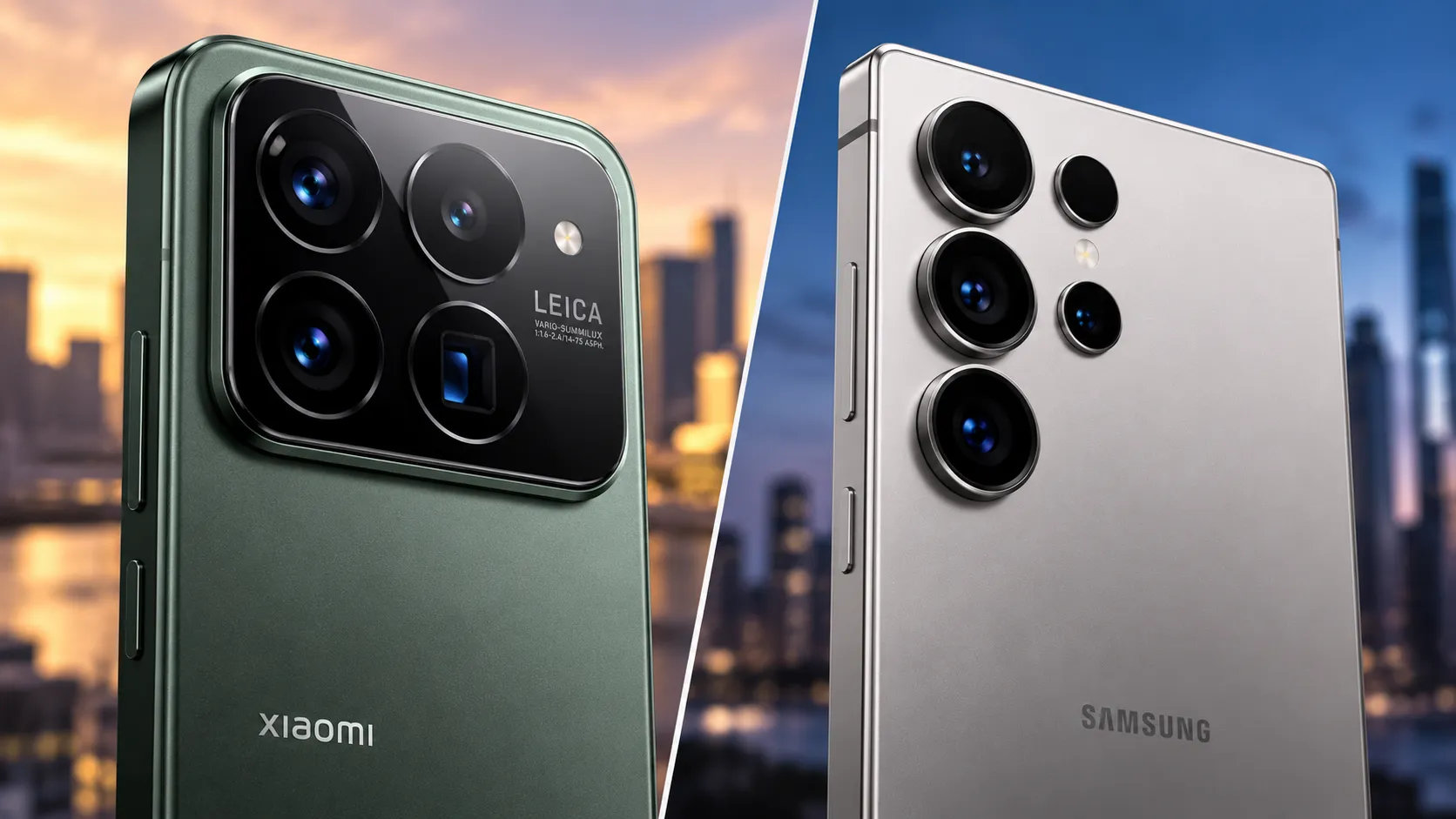
The competitive pressure is coming from multiple directions, but Chinese manufacturers have fundamentally changed the game. Take Xiaomi's strategy: they've managed to deliver phones with flagship-level displays at 40-50% lower prices than comparable Galaxy devices by optimizing their entire supply chain approach. OnePlus follows a similar playbook, leveraging partnerships with display suppliers like BOE and Tianma to achieve premium visual experiences without the overhead burden of in-house manufacturing.
This shift in market dynamics coincides with changing consumer behavior that's reshaping the entire industry. Average smartphone replacement cycles have extended from 24 months to over 36 months, and when consumers do upgrade, price sensitivity has become paramount. The mid-range segment now represents over 60% of global smartphone sales, with buyers expecting premium features—especially high-quality displays—at accessible price points.
What makes this particularly strategic for Samsung is the opportunity to reallocate resources more effectively. Instead of dedicating massive capital expenditures to display manufacturing capacity, they could focus those investments on areas where they maintain clearer competitive advantages: camera technology, processor development, and emerging form factors like foldable displays where Samsung Display still leads the market.
What this means for display quality and user experience
Let's address the elephant in the room: will Galaxy displays still deliver that premium visual experience if Samsung starts sourcing from third parties? It's a legitimate concern, considering Samsung Display has essentially written the playbook for mobile OLED excellence. Those industry-leading color accuracy ratings, peak brightness levels exceeding 1,200 nits, and power efficiency improvements didn't happen overnight—they represent years of engineering refinement.
Here's what's changed dramatically in the display supplier landscape: third-party manufacturers have closed the quality gap significantly. BOE, for instance, now supplies OLED panels for premium devices across multiple brands and has achieved color accuracy ratings within 2-3% of Samsung's best panels. Tianma has made substantial investments in flexible OLED technology and currently manufactures displays that support 120Hz refresh rates and HDR10+ certification—specifications that would have been exclusive to Samsung Display just two years ago.
The real challenge isn't matching individual panel specifications—it's maintaining the integrated experience that Galaxy users expect. Samsung's display software stack includes features like Eye Comfort Shield, which dynamically adjusts blue light emission, and adaptive refresh rate technology that seamlessly scales from 1Hz to 120Hz based on content. These features require deep integration between hardware capabilities and software optimization, regardless of who manufactures the underlying panel.
Samsung's engineering approach would likely involve establishing detailed technical specifications for third-party suppliers, similar to how Apple manages its display partnerships. This includes precise requirements for color gamut coverage, touch sensitivity, power consumption, and integration with features like ultrasonic fingerprint sensors. The key advantage Samsung brings to this challenge is their extensive experience in display technology—they understand exactly what specifications matter most for user experience.
What's potentially exciting about this transition is the innovation it could drive. When multiple suppliers compete for Samsung's business, they're incentivized to develop new capabilities and cost efficiencies. This competitive dynamic often accelerates technological advancement and could result in better displays reaching consumers faster than traditional in-house development cycles.
Industry implications and competitive dynamics
Samsung's potential move toward third-party display sourcing could fundamentally reshape competitive dynamics across the smartphone ecosystem. Currently, Samsung Display operates in the unique position of supplying premium OLED panels to both Samsung's mobile division and major competitors—including Apple, which purchases an estimated $11 billion worth of displays annually from Samsung. This strategy shift might actually strengthen Samsung Display's external business by creating additional manufacturing capacity and forcing more aggressive innovation to compete for outside contracts.
The broader implications extend beyond Samsung's immediate supply chain decisions. If Samsung successfully demonstrates that third-party displays can deliver comparable user experiences while reducing device costs, it establishes a new competitive template for the industry. Other premium manufacturers might accelerate similar supply chain optimizations, potentially driving down component costs industry-wide and making advanced display technologies more accessible across different price segments.
This evolution mirrors successful strategies in other technology sectors. Apple's approach to display sourcing provides a compelling case study: they maintain rigorous quality standards while leveraging multiple suppliers to optimize costs and ensure supply security. Apple works with Samsung Display, BOE, and LG Display simultaneously, using competition between suppliers to drive innovation and maintain favorable pricing structures.
The competitive pressure on traditional display manufacturers could accelerate innovation cycles significantly. When suppliers must compete on both price and technological advancement to secure contracts with major device manufacturers, the result often benefits the entire ecosystem. We've seen similar dynamics in processor manufacturing, where competition between TSMC, Samsung, and other foundries has driven remarkable improvements in performance and efficiency.
For Chinese smartphone manufacturers, Samsung's strategy shift could level the playing field in unexpected ways. If Samsung reduces its cost advantages through optimized supplier relationships, competitors will need to find new areas of differentiation—potentially driving innovation in camera technology, software experiences, or emerging features like AI integration.
The path forward for Galaxy devices
Samsung's transition to third-party display suppliers won't happen overnight—major technology companies approach supply chain changes with careful, phased implementation strategies. The most likely scenario involves initial deployment in specific market segments, probably starting with mid-range Galaxy A-series devices where cost optimization delivers the most immediate market impact.
The execution strategy will likely mirror Samsung's approach to other component transitions, such as their gradual shift toward Qualcomm processors in certain markets. They'll establish comprehensive testing protocols that evaluate everything from color accuracy and touch responsiveness to long-term durability under various environmental conditions. Samsung's extensive quality assurance infrastructure gives them the capability to ensure third-party displays meet Galaxy-specific requirements before any consumer-facing implementation.
What makes this transition particularly manageable for Samsung is their deep expertise in display technology. Having developed industry-leading OLED panels for over a decade, Samsung's engineering teams understand exactly which specifications and manufacturing processes drive the user experiences Galaxy customers expect. This knowledge translates into detailed supplier requirements and quality control processes that maintain consistency across different panel sources.
The resource reallocation opportunities could prove equally significant. Instead of dedicating billions in capital expenditure to expanding display manufacturing capacity, Samsung could invest more heavily in areas where they're building competitive advantages: advanced camera sensor technology, AI processing capabilities, and next-generation form factors like improved foldable designs where Samsung Display maintains clear technological leadership.
Success will ultimately be measured by whether consumers notice any difference in their daily device experience. If Samsung executes this transition effectively, users should continue receiving excellent display performance while potentially benefiting from more competitive device pricing or additional features enabled by cost savings elsewhere in the supply chain.
What this means for your next Galaxy purchase
If you're considering a Galaxy device in the coming months, Samsung's evolving display strategy shouldn't raise immediate concerns—but it does offer some valuable insights for making smart purchasing decisions. The fundamental goal behind this potential supplier diversification is delivering better value to consumers, not compromising on the visual excellence that defines the Galaxy experience.
Here's the key perspective to maintain: focus on real-world device performance rather than getting caught up in component sourcing details. The smartphone industry has consistently proven that outstanding products result from effective system integration and optimization, not simply assembling premium individual components. Samsung's engineering expertise and established quality standards will likely ensure that future Galaxy devices continue delivering the vibrant, responsive display experiences users expect, regardless of panel manufacturer.
As this strategy develops over the next 12-18 months, watch for tangible consumer benefits: potentially more competitive pricing across the Galaxy lineup, continued advancement in display technology features, and Samsung's ability to offer premium mobile experiences across broader price segments. Early indicators suggest any supplier transitions will begin with mid-range models before potentially expanding to flagship devices, giving Samsung time to refine quality control processes and maintain the display excellence that's become synonymous with the Galaxy brand.
The bottom line: this represents Samsung's commitment to staying competitive in an increasingly dynamic market while maintaining the quality standards that Galaxy users rely on.



Comments
Be the first, drop a comment!