





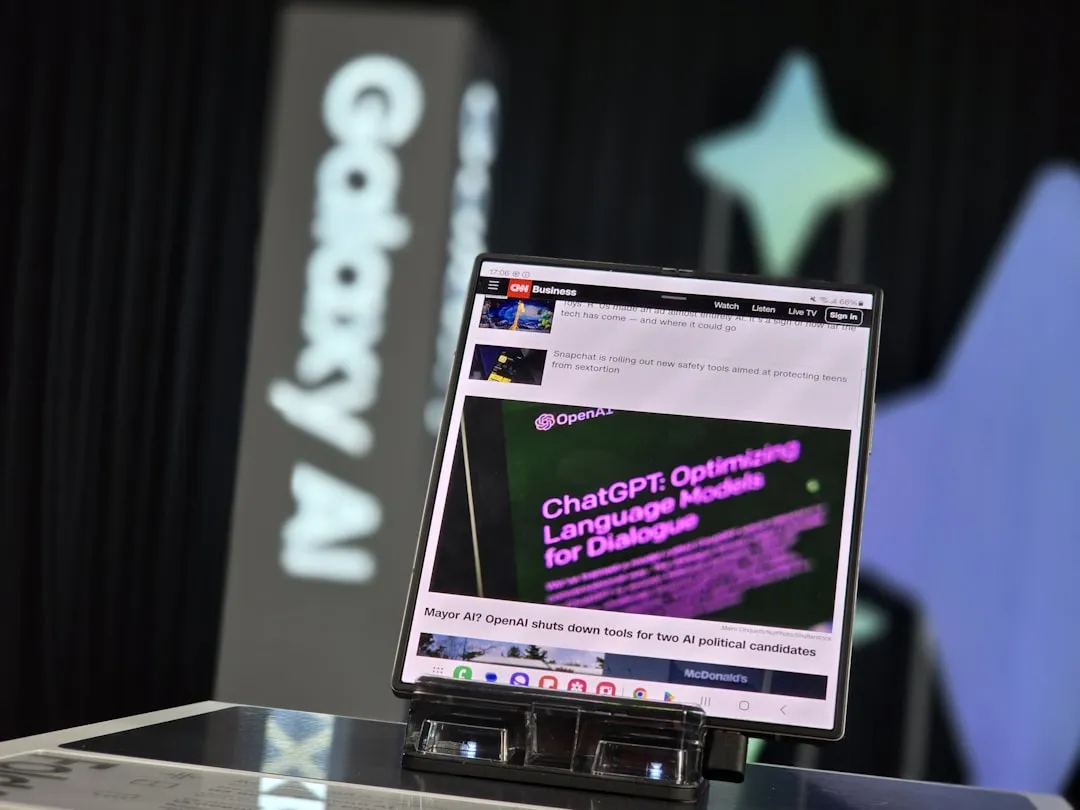
Samsung Galaxy Book Android Laptop Plans Explained: One UI 9 and Galaxy AI
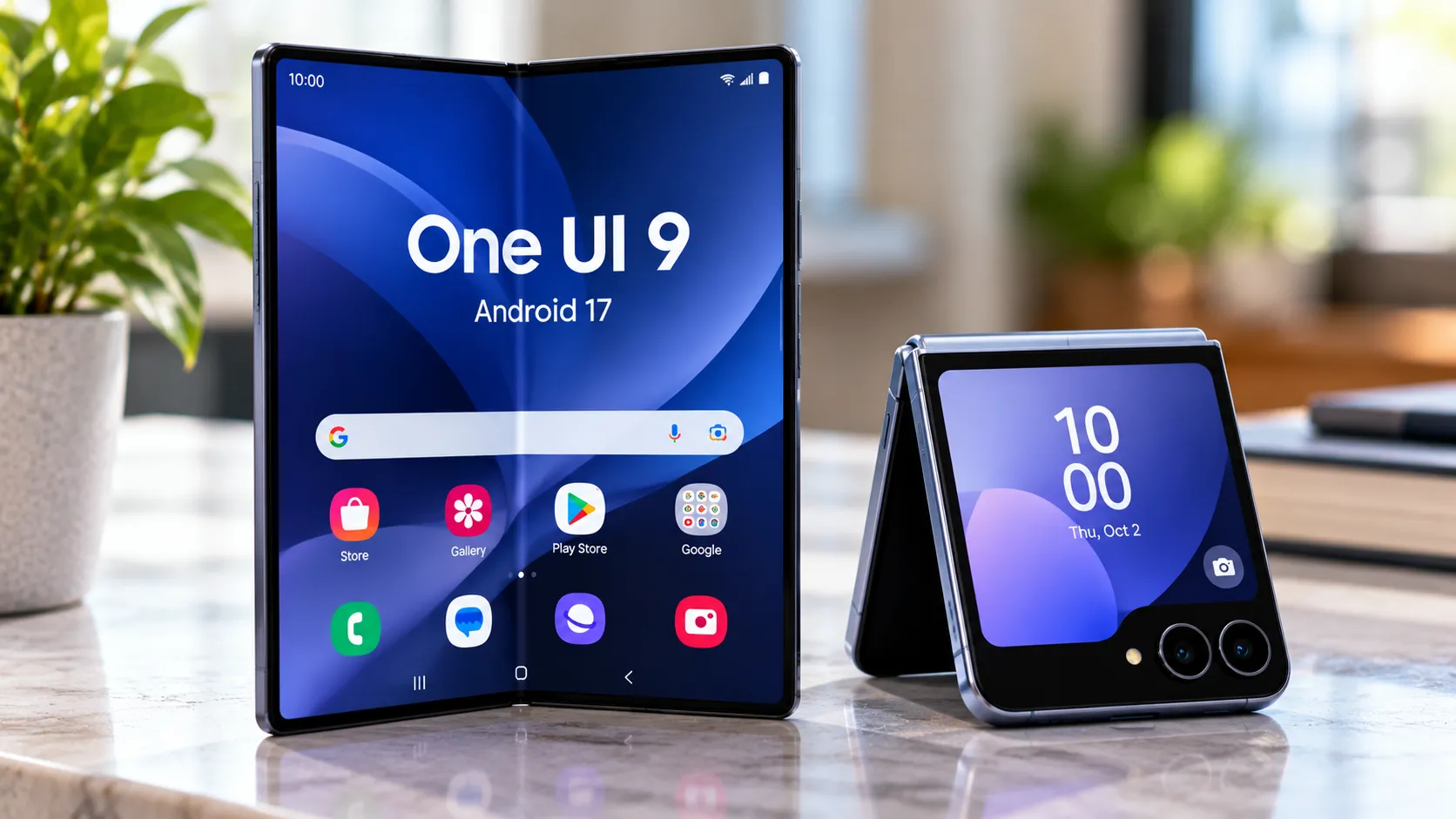
Samsung is reportedly working on a full lineup of Samsung Galaxy Book Android laptop models running Android 17 and One UI 9, spanning budget, mid-range, and flagship tiers, according to an exclusive report from SamMobile published Thursday. That three-tier structure suggests Samsung is treating Android-powered laptops as a committed product category rather than a one-off experiment. No launch date, hardware specs, or confirmed platform details exist yet.
The brand signal matters on its own. Galaxy Book branding is reserved for Samsung's Windows laptops; its ChromeOS devices carry the Galaxy Chromebook name instead, Android Police notes. Applying the Galaxy Book name to an Android device is, at minimum, a deliberate repositioning.
The practical appeal for Galaxy owners is specific: Samsung's upcoming laptops are expected to include Galaxy AI features, which are currently available only on the company's phones, tablets, and smartwatches, according to both SamMobile and Android Police. The software would also likely feature an improved version of Samsung DeX that should integrate well with DeX running on Galaxy phones and tablets, SamMobile reports. That's a different proposition than a Windows laptop with Samsung branding on the lid.
What's less clear is the platform underneath. Whether these devices would ship with Google's Aluminium OS, the project to merge ChromeOS and Android into a single platform, or a Samsung-built Android 17 implementation that arrives ahead of Google's broader transition is one of several things current reporting cannot answer. Google's court filings put a full Aluminium OS release no earlier than 2028, per The Verge. Google's own executives publicly target 2026. Samsung's rumored devices sit somewhere inside that gap.
What a Galaxy Book running Android 17 would do differently
The clearest differentiator is AI continuity across devices. Samsung's Galaxy AI features are currently limited to its phones, tablets, and smartwatches, Android Police confirmed Thursday. A native Android laptop would close that gap, giving Galaxy phone owners an AI layer that extends across their full device lineup rather than stopping at the laptop.
DeX is the second practical change. SamMobile reports the software would likely include an improved DeX experience with better integration between the laptop and DeX on Galaxy phones and tablets. On an Android-based Galaxy Book, that cross-device environment would be built into the foundation, not bolted on.
Android 17 is also expected to introduce a cross-device continuity API modeled on Apple's Handoff, letting users pick up an app session on their laptop where they left off on their phone, Android Authority reported earlier this year. Sameer Samat, President of the Android Ecosystem at Google, said at the time that "a lot of Android users are excited about the ability to have their phone and their laptop interoperate and work better together." That demand is real, and it maps directly onto what Samsung's Galaxy ecosystem has been trying to address for years.
The intended audience for this product is fairly legible from those features: people already invested in Samsung's Galaxy ecosystem who want a companion laptop for AI-assisted writing, communication, and everyday tasks. It is not aimed at professionals whose workflows depend on Windows desktop software.
That distinction makes one unanswered question especially important. No source has confirmed whether these laptops would rely on Android apps, web apps, Linux compatibility, or some combination. That is the central practical question. It determines whether a Samsung Galaxy Book One UI 9 device works as a capable daily driver or functions as a productive-but-limited companion. Until Samsung or Google addresses it directly, the productivity story remains incomplete.
Why Samsung is positioned to move first, and what Google's timeline actually says
Samsung's candidacy as the first OEM to ship an Android-based laptop isn't incidental. Android Police noted Thursday that Samsung's close relationship with Google makes it the most likely manufacturer to ship first on the merged OS. Google is expected to unveil Android 17 and its next ChromeOS direction at Google I/O next month, SamMobile reported, which would establish the platform foundation Samsung is reportedly building toward.
Samat's public posture is enthusiastic. Android Authority reported earlier this year that he confirmed Google is still targeting a 2026 debut for Aluminium OS, saying "Yes, I'm super excited about later this year." He also argued that "AI is really bringing the laptop back," with larger screens becoming more productive as AI tools improve. That framing aligns with what Samsung's rumored lineup is reportedly designed to deliver.
Google's court filings are more measured. Documents from the Google search antitrust case, reported by The Verge earlier this year, show Aluminium OS's "fastest path" to market involves offering it to commercial trusted testers in late 2026, with a full release in 2028. Enterprise and education sectors are the specifically targeted customers for that 2028 date. Samsung's rumored lineup of budget, mid-range, and flagship models runs in the opposite direction from a managed-IT rollout.
Aluminium OS is also not a ChromeOS replacement on any short timeline. Samat told Android Authority that "development for Chrome OS will absolutely continue as is" and that "Chrome OS is its own use case, and that will remain." Court documents obtained by The Verge show the timeline to phase out ChromeOS is 2034, partly because some existing Chromebook hardware won't support Aluminium at all, and regulatory support commitments in multiple jurisdictions run long. Samsung's Android Galaxy Books and its existing Galaxy Chromebooks would coexist for years, serving different customers. Reading this story as the end of Chromebooks misreads both the platform logic and the documented schedule.
What to watch next
The next real checkpoints are specific: Google I/O next month, where Android 17 and Google's Chromebook OS direction could be formally confirmed; any Samsung demonstration of Android-based DeX or continuity features running on laptop hardware; and any partner hardware announcement or timed product preview.
It's also possible, SamMobile notes, that Samsung's One UI-based Galaxy Books could launch before the end of this year. That would require the platform to arrive ahead of Google's court-documented 2028 full-release schedule, which remains unresolved.
The gap between Samat's public enthusiasm and Google's court-documented rollout plan means I/O is less about Samsung announcing anything and more about Google clarifying the platform Samsung is reportedly building toward. An Android-powered Galaxy Book with Galaxy AI and native DeX would address real limitations in the current Windows-based lineup. Whether it ships this year, next year, or later depends on a platform question that Google alone can answer.

Comments
Be the first, drop a comment!