



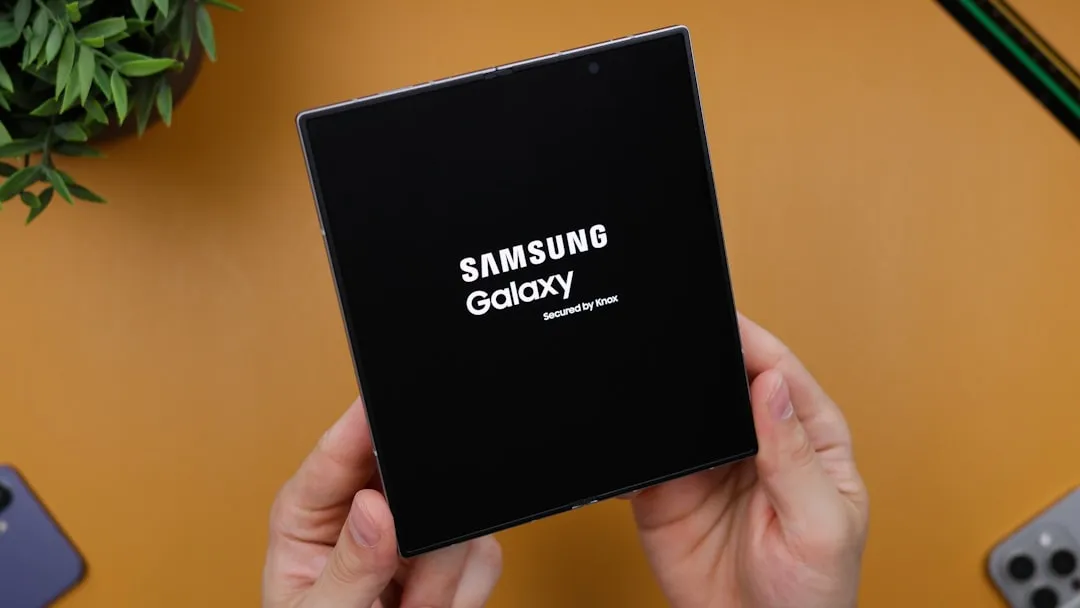
The foldable phone revolution has been brewing for years, but there's one persistent question that keeps consumers hesitant: will these innovative devices actually survive daily life? Samsung has been working overtime to change that narrative, and their latest efforts reveal just how seriously they're taking durability concerns. The company isn't just making claims about tougher screens—they're putting their foldable displays through increasingly rigorous testing protocols to prove their point.
This push for proven durability isn't happening in a vacuum. As foldable technology matures and competitors enter the market, Samsung recognizes that consumer confidence hinges on more than just flashy features. The real test lies in whether these devices can handle the everyday abuse that smartphones endure, from accidental drops to countless fold cycles. Let's break down how Samsung is tackling this challenge and what it means for the future of foldable devices.
Why durability testing has become Samsung's top priority
Here's what you need to know: Samsung's approach to foldable durability has evolved dramatically since the early days of the Galaxy Fold. The company has shifted from defensive damage control to proactive demonstration, recognizing that consumer skepticism remains the biggest barrier to mainstream foldable adoption. This change reflects a broader industry understanding that revolutionary form factors mean nothing if the devices can't survive regular use.
The stakes couldn't be higher for Samsung's foldable division. Early durability issues created lasting impressions in the tech community, and overcoming that reputation requires more than incremental improvements—it demands transparent, comprehensive testing that addresses real-world scenarios. Samsung's current strategy focuses on demonstrating resilience across multiple stress factors, from repeated folding motions to environmental challenges like dust and moisture exposure.
The company's transformation from reactive damage control to proactive confidence-building represents a fundamental shift in how tech companies handle product launches. Rather than relying on post-launch patches and improvements, Samsung is now investing heavily in pre-launch validation that addresses the specific failure modes that plagued their initial foldable releases. This approach signals their commitment to moving beyond the experimental phase into genuine mainstream viability.
What's driving this strategic pivot is clear market feedback: early Galaxy Fold issues, from screen failures to debris infiltration problems, created a perception hurdle that specs and features alone can't overcome. Samsung learned that technical innovation without proven reliability creates a marketing paradox—the more revolutionary your device, the more skeptical consumers become about its durability.
Breaking down Samsung's comprehensive testing methods
Samsung's current testing protocols go far beyond the basic fold tests that dominated early foldable demonstrations. The company now employs multi-layered stress testing that examines everything from hinge mechanisms to screen surface resilience. These expanded methods reflect lessons learned from real-world device failures and user feedback collected over several product generations.
The testing approach now includes accelerated aging processes that simulate years of use in compressed timeframes. Samsung subjects displays to extreme temperature variations, humidity changes, and repetitive stress patterns that exceed typical user behavior. This comprehensive methodology aims to identify potential failure points before devices reach consumers, addressing the reliability concerns that plagued earlier foldable releases.
What sets Samsung's current approach apart is their focus on edge-case scenarios that mirror actual user experiences. They're testing what happens when devices are folded with debris on the screen, how hinges perform after exposure to pocket contaminants, and the impact of temperature fluctuations during daily carry cycles. These granular testing scenarios emerged directly from early adopter feedback and device failure analysis.
Environmental testing has become particularly sophisticated, with Samsung recreating conditions that caused problems for first-generation foldables. The company now evaluates dust exposure scenarios (foldables still typically lack full dust resistance ratings), water exposure scenarios, and the impact of everyday contaminants like lint and debris. These real-world factors proved problematic for early adopters, making them essential components of current durability validation.
The evolution from basic laboratory testing to comprehensive real-world simulation represents Samsung's acknowledgment that perfect laboratory conditions tell only part of the durability story. Their current methodology attempts to bridge the gap between controlled testing environments and the unpredictable chaos of actual device usage patterns.
What the latest test results actually reveal
Recent testing demonstrations from Samsung showcase significant improvements in display longevity and structural integrity. The company's latest foldable screens reportedly withstand up to ~500,000 fold cycles (per Samsung Display testing) while maintaining screen quality and responsiveness. These results represent substantial progress from earlier generations that showed wear patterns and functionality degradation much sooner.
These fold cycle improvements translate to meaningful real-world longevity. For typical users who might fold and unfold their device 50-100 times daily, hundreds of thousands of cycles suggest years of reliable operation without degradation. This represents a dramatic improvement over early Galaxy Fold models, where visible wear patterns could appear within months of regular use.
However, the real-world implications of laboratory testing remain complex. While controlled testing environments provide valuable data, they can't perfectly replicate the unpredictable nature of actual device usage. Samsung's challenge lies in translating laboratory success into consistent field performance across diverse user behaviors and environmental conditions.
Material science advances play a crucial role in these durability improvements. Samsung has refined their ultra-thin glass layers and protective films, creating more resilient display surfaces that better withstand repeated stress. These material improvements work alongside mechanical design refinements in hinge assemblies and frame construction to create fundamentally more robust devices.
The company's testing now includes detailed analysis of failure progression, examining how devices degrade over time rather than simply identifying breaking points. This approach provides insights into maintenance intervals, optimal usage patterns, and early warning signs of potential issues—information that proves valuable for both product development and user education.
The bigger picture for foldable adoption
Samsung's durability push represents more than just product improvement—it's a strategic effort to accelerate mainstream foldable adoption. The company understands that widespread acceptance requires consumer confidence, and confidence comes from proven reliability rather than promising specifications. This focus on durability testing signals Samsung's commitment to moving foldables from niche curiosity to mainstream smartphone category.
The economic implications of durability improvements extend beyond device longevity. As Samsung demonstrates improved reliability, they can potentially adjust warranty terms, insurance partnerships, and trade-in programs to better reflect actual device lifespans. These policy changes could significantly reduce the total cost of ownership for foldable devices, addressing another major adoption barrier.
The success of Samsung's durability initiatives will likely influence the entire foldable market. As the current market leader, Samsung's ability to demonstrate lasting reliability could encourage other manufacturers to prioritize similar testing protocols. This industry-wide focus on durability would benefit consumers by raising overall quality standards for foldable devices.
Looking ahead, Samsung's testing efforts may also impact pricing strategies and warranty policies for foldable devices. If the company can convincingly demonstrate improved durability, it could justify premium pricing while potentially offering more comprehensive warranty coverage. These factors could significantly influence consumer purchasing decisions and overall market growth for foldable technology.
PRO TIP: If you're considering a foldable phone, pay attention not just to the test numbers Samsung releases, but also to warranty terms and real-world user experiences after several months of use. That's where the rubber really meets the road.
Where foldable durability goes from here
Samsung's intensive focus on proving foldable durability represents a crucial inflection point for the technology's future. The company's comprehensive testing approach demonstrates both the progress made since early foldable missteps and the ongoing challenges that remain. Success in durability testing could finally address the primary consumer concern holding back widespread foldable adoption.
What's encouraging is Samsung's commitment to iterative improvement based on real-world feedback. Rather than treating durability as a solved problem, they're building continuous testing and refinement into their product development cycles. This approach suggests they understand that durability isn't a destination but an ongoing engineering challenge that evolves with usage patterns and user expectations.
The broader implications for mobile technology innovation are significant. If Samsung successfully proves that radical form factor changes can coexist with traditional smartphone reliability, it could encourage more aggressive innovation across the industry. Conversely, continued durability concerns could slow adoption and limit investment in alternative form factors.
Future durability challenges will likely focus on longevity under diverse usage patterns, repairability as devices age, and integration with emerging features like enhanced cameras and AI processing. Samsung's current testing foundation positions them well for these evolving challenges, but the ultimate test remains in consumer hands across years of real-world use.
Bottom line: Samsung's durability push represents a make-or-break moment for foldable technology—proving that innovative design can deliver the everyday reliability that transforms experimental devices into essential tools.



Comments
Be the first, drop a comment!