



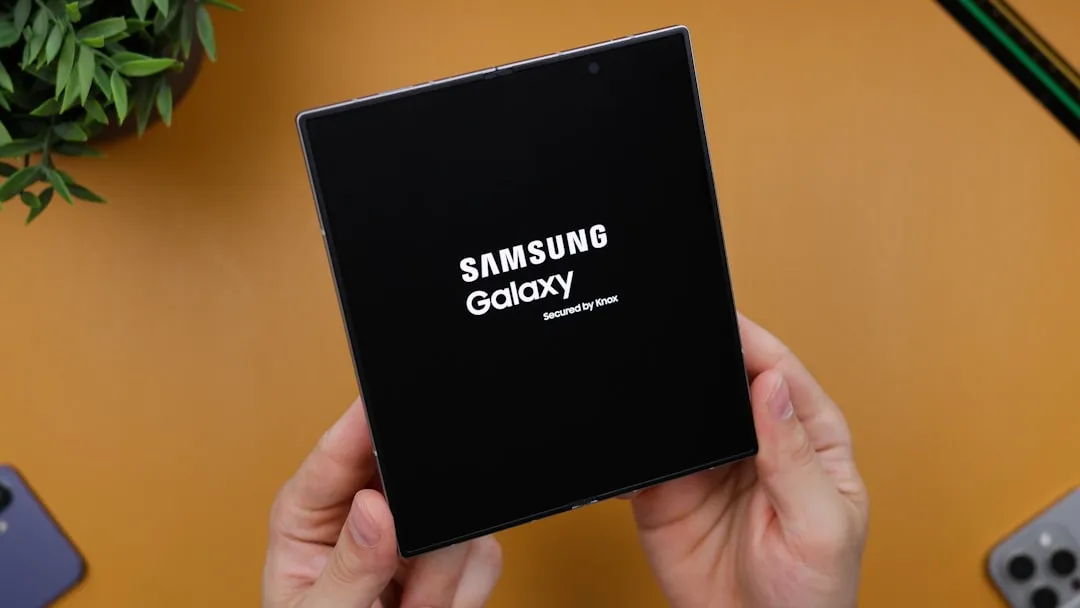
Samsung's chip strategy is shifting in a big way, and if you're keeping tabs on Galaxy devices, this matters more than you might think. The company appears increasingly determined to standardize Exynos processors across its entire Galaxy lineup, marking a significant departure from the mixed approach we've seen in recent years.
This isn't just about Samsung wanting to use its own silicon. It's also about supply chain control, cost management, and technological independence in an increasingly complex semiconductor landscape. But what does this mean for performance, regional availability, and the user experience we've come to expect from Galaxy devices?
Why Samsung is doubling down on Exynos
Here's the thing about Samsung's commitment to Exynos—it represents way more than just corporate preference. We're talking about strategic necessity here. The company has invested heavily in semiconductor manufacturing capabilities, and maximizing the utilization of these facilities directly impacts its bottom line and operational efficiency.
Supply chain independence has become absolutely critical in today's geopolitical climate. Think about all the chip shortages and supply chain disruptions we've witnessed since 2020—from automotive semiconductors to consumer electronics, the ripple effects have been massive. By relying heavily on Exynos, Samsung reduces its dependence on external chip suppliers like Qualcomm, giving them greater control over production timelines, costs, and feature implementation.
This vertical integration approach mirrors successful strategies we've seen elsewhere in the industry. Apple revolutionized mobile performance with their tightly integrated A-series processors, while Google's recent Tensor chip initiative shows how custom silicon can enable unique AI and computational photography features that generic processors simply can't match.
The economics make compelling sense, too—and honestly, this might be the biggest driver. When Samsung uses Exynos processors, they're essentially paying themselves for the chips rather than handing profit margins to competitors. This internal cost structure allows for better pricing flexibility across different market segments while maintaining healthier overall margins on Galaxy devices. It's like owning your own bakery instead of buying bread from someone else—you control the costs and keep all the profits.
This shift also gives Samsung the ability to customize processors specifically for their camera algorithms, AI features, and display technologies in ways that off-the-shelf chips can't match.
What this means for Galaxy device performance
Now here's where things get interesting, and frankly, a bit concerning for some users. The performance implications of widespread Exynos adoption depend heavily on Samsung's ability to close the gap with Snapdragon alternatives. Recent Exynos generations have shown meaningful improvements in areas like AI processing, graphics performance, and power efficiency, though consistency across demanding use cases remains crucial for user satisfaction.
Let's break down the thermal management situation, because this has historically been Exynos's biggest challenge. You know those moments when your phone gets uncomfortably warm during extended gaming sessions or 4K video recording?
That's often been more pronounced with Exynos variants compared to their Snapdragon counterparts. Samsung's newer manufacturing processes—particularly their advanced node technologies—and improved architectural designs aim to address these thermal concerns through better heat distribution and more efficient processing cores.
Battery life optimization represents another make-or-break factor for this strategy. Exynos processors need to deliver power efficiency that matches user expectations set by Snapdragon-powered devices. Here's where Samsung's control over both the processor and device integration provides significant advantages—they can optimize power management at the silicon level, tune performance curves specifically for their battery capacities, and implement custom power-saving features that generic processors simply can't access.
The key difference is integration depth. While Qualcomm makes excellent general-purpose processors, Samsung can design Exynos chips that work seamlessly with their specific display refresh rates, camera sensor requirements, and even their proprietary features like S Pen functionality.
The regional fragmentation challenge
One of the most significant implications of Samsung's Exynos strategy involves eliminating the regional device lottery that's frustrated users for years. This dual-processor approach has created real problems for both consumers and the broader Android ecosystem.
Here's a concrete example of how confusing this has been: the Galaxy S21 Ultra with Exynos in Europe delivered different gaming performance and battery life compared to the Snapdragon version in the US.
Camera processing algorithms, AI features, and even some Samsung-specific software optimizations performed differently depending on which chip powered your device. Imagine buying what you think is the same premium smartphone as your friend in another country, only to discover yours handles intensive tasks differently or processes photos with subtly different results.
Standardizing on Exynos could potentially eliminate this fragmentation entirely, ensuring consistent performance benchmarks, feature availability, and user experience regardless of purchase location. However, this transition needs careful management to avoid alienating markets—particularly in regions like North America—where users have grown accustomed to Snapdragon performance characteristics in flagship devices.
The developer ecosystem considerations are equally important for everyday users. When app developers and game studios optimize their software, they typically focus on the most common processor architectures.
If Samsung can successfully standardize on competitive Exynos processors, it actually simplifies optimization for developers while potentially improving performance consistency for users. Games like PUBG Mobile or Genshin Impact could deliver more predictable performance across all Galaxy devices when developers only need to optimize for one processor family.
PRO TIP: This standardization could also accelerate Samsung's software update rollouts, since they'll only need to optimize One UI for a single processor architecture instead of multiple variants.
Where do we go from here?
Samsung's Exynos commitment reflects a broader industry trend toward vertical integration and supply chain control that extends far beyond just smartphones. We're seeing similar moves across tech giants who want greater control over their product destinies and user experiences.
The success of this strategy hinges entirely on execution—delivering processors that meet or exceed user expectations while maintaining competitive pricing and global availability. Samsung's semiconductor division has the manufacturing expertise and resources to make this work, but the proof will be in real-world performance benchmarks and user satisfaction scores.
Bottom line: this shift affects every aspect of the Galaxy experience. Camera processing capabilities, AI-driven features, 5G connectivity performance, gaming frame rates, battery optimization—Samsung's ability to deliver excellence across all these areas will determine whether their Exynos strategy strengthens their market position or creates new competitive vulnerabilities.
For consumers, this means paying closer attention to processor specifications and real-world performance reviews rather than simply assuming consistency across Galaxy models. The coming months will reveal whether Samsung's confidence in Exynos translates into devices that truly compete with the best alternatives available.
What's particularly interesting is the timing—as AI processing becomes increasingly important for features like computational photography, real-time translation, and on-device machine learning, custom processors designed specifically for these workloads could provide Samsung with genuine competitive advantages that generic chips simply can't match.
The stakes are high, but if Samsung executes this transition successfully, we could see Galaxy devices that offer more consistent, optimized experiences than ever before. As Galaxy users, we'll all discover together whether this bold bet on their own silicon pays off in the ways that matter most—performance, battery life, and those everyday moments when our phones just work exactly as they should.





Comments
Be the first, drop a comment!