





Samsung Android Galaxy Book: Why the Leak Fits Samsung and Google's Strategy
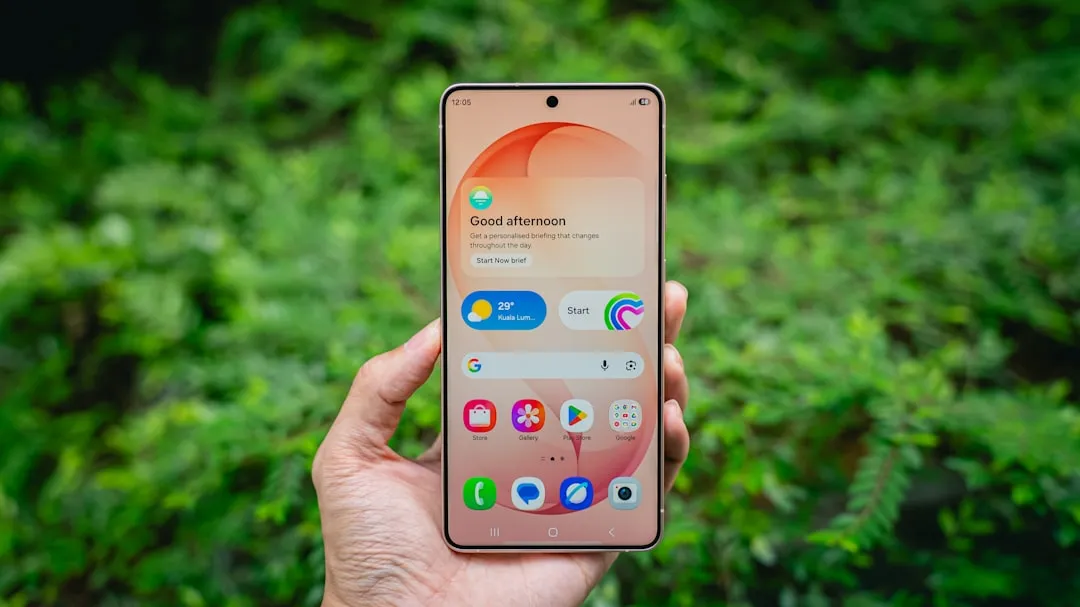
A leak published today claims Samsung is developing Samsung Android Galaxy Book laptops running One UI 9, the same software already on its phones, tablets, watches, and TVs. There's no confirmed timeline, no hardware detail beyond a vague design note, and the claim traces back to a single original source. Still, it fits a documented pattern of platform expansion between Samsung and Google closely enough to be worth examining.
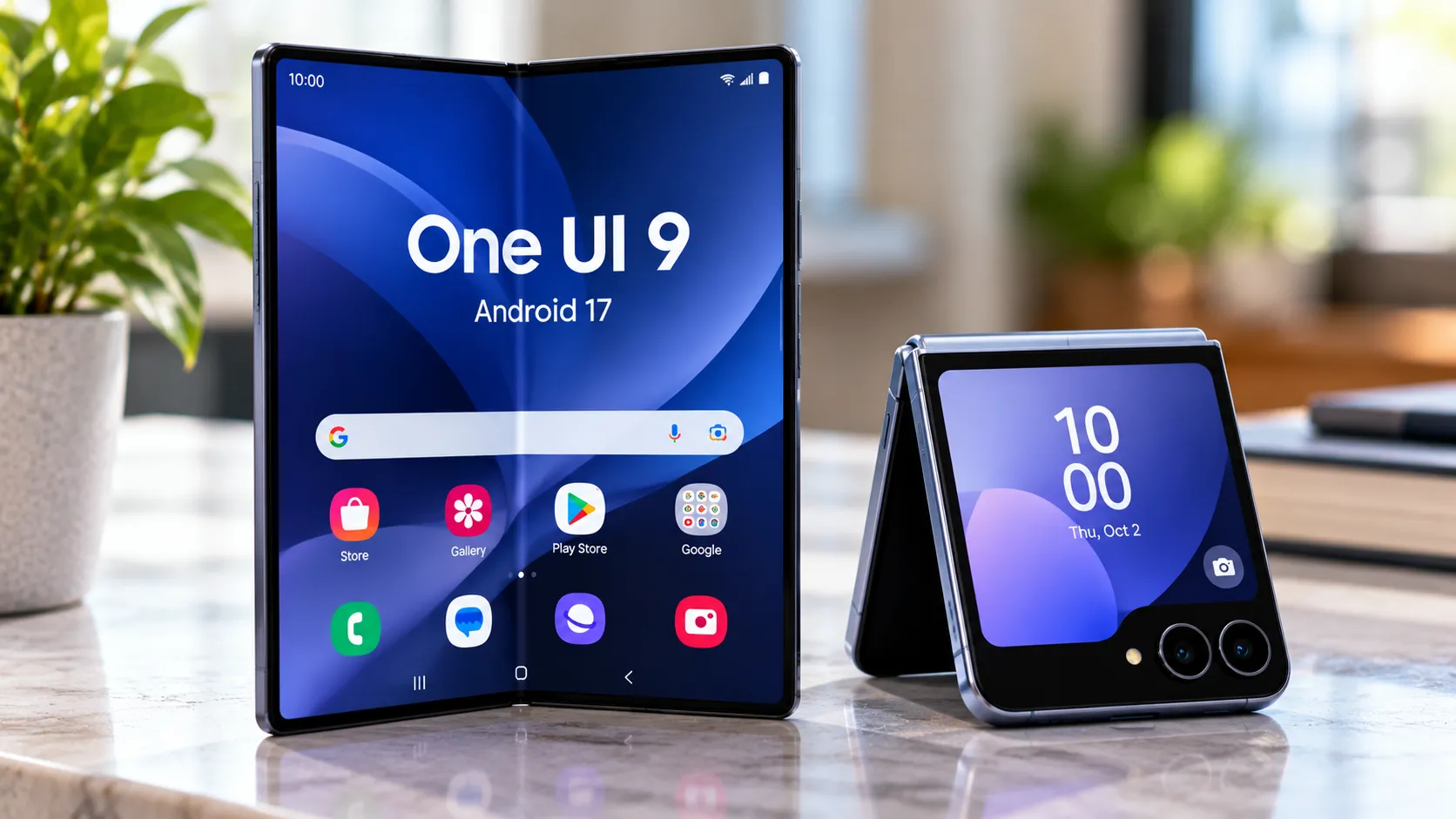
SamMobile reported today that Samsung is developing three tiers of Android-based Galaxy Books, low-end, mid-range, and flagship, running One UI 9 on Android 17. Android Authority amplified the same report this morning, describing the flagship as an "Aluminium OS" machine. Neither outlet has independent sourcing; Android Authority is reporting on SamMobile's exclusive.
The leak may or may not produce an actual product. What matters is that it aligns with a visible, documented push Samsung and Google have been making across device categories over the past year and a half: extending Android to cover every computing form factor they sell together. If this is real, it isn't a surprise pivot.
What the Samsung Android Galaxy Book leak claims, and what it doesn't
Three Galaxy Book tiers, low-end, mid-range, and flagship, are reportedly in development, all running One UI 9 built on Android 17, per SamMobile today. The flagship is described as featuring a "very sleek design," which is the full extent of the hardware detail provided.
Both reports expect the laptops to include Galaxy AI features and an improved version of Samsung DeX for productivity. These are expectations inferred from the software platform, not confirmed capabilities. Samsung has not announced or demonstrated any of this on a laptop.
No launch date exists. Android Authority speculates that a software announcement could come at Google I/O 2026 next month, with hardware potentially arriving by year-end, but those are inferences, not reporting. Samsung already sells ChromeOS-based Galaxy Chromebooks, and SamMobile suggests those could transition toward Aluminium OS, Google's Android-based ChromeOS successor, though this too remains unconfirmed.
The sourcing floor here is thin. One original outlet. Everything that follows is analysis of why the idea fits Samsung's recent moves, not confirmation that the devices are imminent.
Why a Samsung Android Galaxy Book would fit Samsung's strategy
Samsung's product portfolio currently runs on four separate operating systems, Android, ChromeOS, Tizen, and Windows, a fragmentation that makes consistent cross-device UX structurally difficult to deliver, per SamMobile today. One UI already runs on phones, tablets, smartwatches, and TVs. Laptops are the gap in an otherwise unified software layer.
Samsung has addressed a similar gap before. After switching its smartwatches from Tizen to an Android-based platform, as SamMobile notes, the logic was the same: consolidate onto a broader platform rather than sustain a proprietary OS island. The Windows situation on laptops is a more entrenched gap than Tizen was on watches, which makes the consolidation argument stronger, not weaker.
This would almost certainly be a portfolio addition rather than a Windows replacement. Last September, MacObserver outlined the case for Samsung building Windows-on-Arm Galaxy Book Edge machines around Qualcomm's Snapdragon X2 platform. Developing both One UI laptops and Windows-on-Arm laptops in parallel would follow the same multi-track approach Samsung applies across its broader lineup.
Windows Galaxy Books serve professionals with deep software dependencies. An Android-based Galaxy Book would likely target a different buyer entirely, someone already embedded in the Samsung phone ecosystem who wants continuity across devices rather than workstation-grade software compatibility. That's a different product with a different job to do.
What would need to be true for Android laptops to actually work
The practical questions are real, and the leak answers none of them. Whether Android and One UI handle windowing, external displays, and file management in ways that feel genuinely native to a laptop, rather than stretched from a tablet, is unresolved. Whether DeX can carry the productivity argument on its own, or whether it depends on apps being rearchitected for larger screens, is unresolved. Whether Galaxy AI features add enough utility to offset the software library gap versus Windows is also unresolved.
The DeX angle is the most plausible bridge. Samsung's desktop-mode interface is already designed to present Android in a conventional computing layout, and SamMobile expects laptop DeX to integrate with DeX on Galaxy phones and tablets for shared workflows. The challenge is that DeX hasn't broken into mainstream use on phones or tablets in all the years it's existed. A laptop version would need to be substantially better, not incrementally better, to change that story.
Google's Android XR launch offers a useful parallel. When Google introduced Android XR for headsets in December 2024, a core part of the pitch was that existing apps from Google Play work out of the box, per Google's announcement. The same argument would apply to Android laptops: instant access to a large existing app catalog. But the XR experience also illustrates the ceiling. As Google noted at the time, mobile and tablet apps work on headsets, with more XR-native content still to come. App compatibility is a starting point, not a finished product.
Samsung co-CEO T.M. Roh told Reuters earlier this year that Samsung planned to double its Galaxy AI-enabled device count to 800 million units in 2026 and apply AI to "all products, all functions, and all services as quickly as possible." Galaxy AI on a laptop is the most credible new feature Samsung could lead with, but it doesn't resolve the windowing and app-fit questions that have tripped up every previous attempt to put Android on a laptop-class device.
The Samsung-Google partnership context
The Galaxy Book rumor isn't arriving in a vacuum. Google and Samsung have been extending Android across new device categories together over the past year and a half. In December 2024, they co-announced Android XR, a new operating system for headsets and glasses, built with Qualcomm, with Samsung producing the first hardware. By May 2025, Google was describing a vision where Gemini and Android span phones, watches, TVs, car displays, headsets, and glasses, per Google's I/O blog. The laptop is the one mainstream computing form factor still missing from that map.
Across each of those category expansions, the pitch has been consistent: shared app ecosystem, Gemini AI integration, and a unified interface layer. A Samsung Android Galaxy Book with Galaxy AI would follow the same pattern. It's the most conventional device category left to cover, which is partly why the leak is plausible, and partly why strategic fit alone doesn't confirm hardware is coming soon.
SamMobile speculates that Google could unveil Android 17 and the next version of ChromeOS, the platform it identifies as Aluminium OS, at Google I/O next month, with Samsung's One UI-based Galaxy Books potentially following before year-end. That's speculation built on speculation, and both companies have disclosed nothing. If Google formalizes Aluminium OS as a laptop platform at I/O, Samsung would have the software foundation it needs. If it doesn't, the timeline slips.
Google I/O 2026 is the first real checkpoint. Watch what Google says about Android 17 and ChromeOS's direction next month. That will tell you more about whether this leak was prescient or premature than anything Samsung has said publicly, which so far is nothing.


Comments
Be the first, drop a comment!