





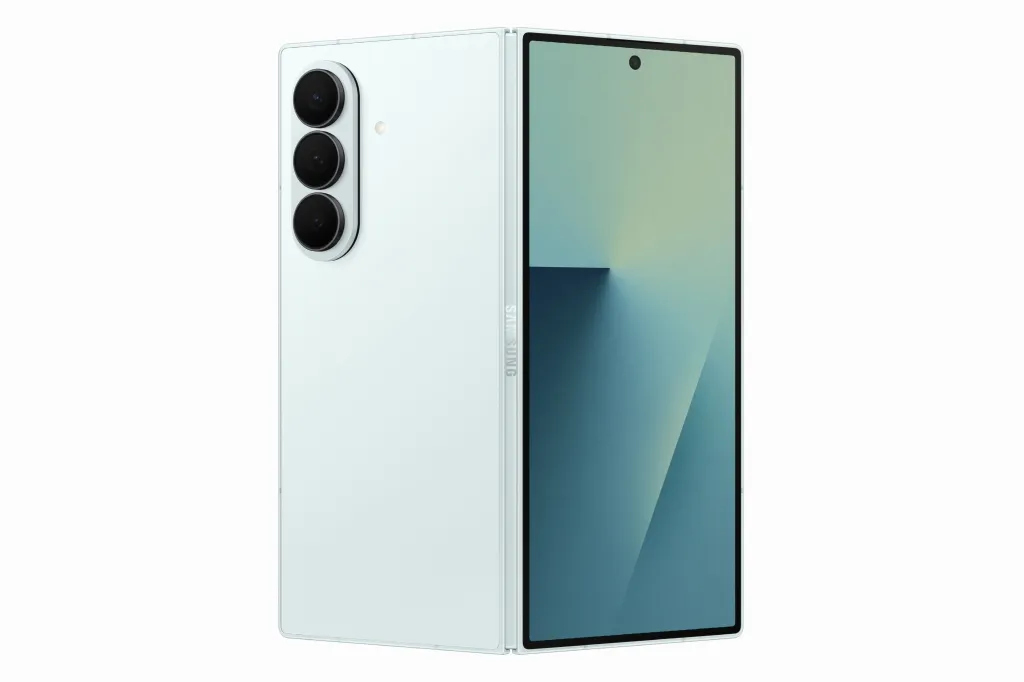
Samsung's Galaxy Z Fold series has been playing the same battery game since 2021, and frankly, it's getting old. The latest reports suggest the Galaxy Z Fold 8 might finally break free from the 4,400mAh capacity that has defined every book-style foldable Samsung has released since the Z Fold 3, according to 9to5Google. Multiple sources indicate the upcoming device could pack a battery exceeding 5,000mAh, as reported by GSMArena. The big question isn't whether this upgrade is welcome (it absolutely is), but rather why Samsung took so long to address what many consider the Fold series' most glaring weakness.
Here's where things get interesting: Samsung appears to be developing multiple variants of the Z Fold 8. Recent leaks from Digital Chat Station suggest a widescreen variant will feature a 4,800mAh battery with dual cells rated at 2,267mAh and 2,293mAh, according to SamMobile. This indicates Samsung is testing different configurations to optimize the balance between form factor and battery life across different use cases.
The curious case of Samsung's battery stagnation
Let's break down what's been happening here. Since the Galaxy Z Fold 3 launched in 2021, Samsung has maintained the exact same 4,400mAh battery capacity across four generations of foldables, as noted by 9to5Google. This capacity falls short of most traditional slab smartphones and lags significantly behind competing foldable manufacturers who have pushed battery technology forward while Samsung essentially hit the snooze button.
When questioned about the Galaxy Z Fold 7's unchanged battery capacity, Samsung explained that user feedback prioritized other improvements like enhanced cameras, a thinner profile, and a wider cover screen over increased battery life, according to GSMArena. But here's the real engineering constraint: Samsung's commitment to achieving competitive thinness and weight targets limited their ability to incorporate larger batteries without switching to silicon-carbon battery technology that Chinese manufacturers have already adopted, as reported by GSMArena.
This decision created a frustrating paradox. While Samsung delivered on cameras, form factor, and display improvements, they essentially ignored the power demands of driving larger, more capable screens. The technical solutions existed—silicon-carbon batteries offer higher energy density in the same physical space—but Samsung remained committed to traditional lithium-ion chemistry until now.
Why bigger batteries matter for foldables
Here's the bottom line: foldables are power-hungry beasts that make regular smartphones look like energy sippers. The Galaxy Z Fold series drives two displays simultaneously, with the inner panel alone consuming significant energy during multitasking, productivity work, and media consumption, according to Find Articles.
A 13.6% increase in battery capacity (from 4,400mAh to 5,000mAh) represents more than just numbers on a spec sheet—it's the difference between a device that barely makes it through a full day and one that offers genuine peace of mind, as reported by Find Articles. Consider the real-world scenarios: when you're running split-screen productivity apps, the inner display operates at high brightness and refresh rates while the cover screen remains active for notifications. Each usage pattern compounds the power draw beyond what traditional smartphones face.
This upgrade would finally bring Samsung's foldable in line with battery capacities found in premium traditional flagships, a benchmark that foldables have struggled to meet until now, according to Find Articles. More importantly, it addresses the fundamental mismatch between the device's capabilities and its endurance—you shouldn't have to choose between using your foldable's full potential and making it through the day.
The engineering challenge Samsung finally cracked
What makes the Z Fold 8's rumored battery upgrade particularly impressive is that it's reportedly happening alongside a weight reduction. Early reports suggest the device could weigh approximately 200 grams—roughly 15 grams less than the previous generation's 215-gram weight, representing about a 7% decrease, according to Find Articles.
Now that's what I call having your cake and eating it too. Samsung appears to be implementing advanced "laser-drilling metal plate technology" for the hinge mechanism, which not only reduces the display crease but also contributes to overall weight savings through precision manufacturing, as reported by GSMArena. This technology allows for more precise material removal and stronger structural integrity with less mass—essentially achieving better performance with fewer raw materials.
The breakthrough here isn't just in individual components but in systems integration. By optimizing the hinge design, Samsung has likely freed up internal volume that can now accommodate the larger battery while simultaneously reducing the overall device weight. This combination of increased battery capacity and reduced weight suggests Samsung has finally solved one of mobile technology's oldest trade-offs—the balance between power and portability, according to Find Articles.
What this means for the foldable future
The Galaxy Z Fold 8's battery upgrade signals a fundamental shift in Samsung's approach to foldable design priorities. Reports indicate the device may also bring back S Pen support—a feature that was removed from the Z Fold 7 to achieve a thinner profile but generated significant customer backlash, according to 9to5Google.
While earlier reports suggested Samsung wouldn't restore S Pen functionality, the latest leaks contradict those claims, though specific implementation details remain unclear, as noted by 9to5Google. This reversal suggests Samsung has learned that pushing thinness at the expense of core functionality creates more problems than it solves. The company appears to be acknowledging that foldable users prioritize capability over marginal aesthetic improvements.
Expected to launch around July-August 2026, the Galaxy Z Fold 8 represents Samsung's effort to position its flagship foldable as less of a compromise device and more of a true everyday driver, according to 9to5Google. This approach could finally address the fundamental question that has plagued foldables: why accept limitations when you're paying premium prices?
The wait was worth it, but barely
Samsung's delayed approach to battery upgrades in the Fold series reflects complex engineering challenges, but it also highlights how the company may have been overly conservative in balancing competing priorities. The fact that Chinese manufacturers have successfully implemented silicon-carbon battery technology while Samsung stuck with traditional lithium-ion cells suggests the delay wasn't entirely necessary from a technical standpoint, as reported by GSMArena.
What's particularly telling is how Samsung's own explanation for the Z Fold 7's unchanged battery revealed their design philosophy: they prioritized user feedback about cameras and form factor over addressing fundamental endurance limitations. This conservative approach may have cost them market positioning against more aggressive Chinese competitors who weren't afraid to adopt newer battery technologies.
PRO TIP: When evaluating foldables, always consider battery capacity relative to the total display area you're powering. A 4,400mAh battery driving two large screens is effectively doing the work of multiple devices.
While these remain pre-launch claims subject to change as designs finalize, the trajectory is clear—Samsung is finally addressing the power limitations that have held back the Fold series' potential as a mainstream device, according to Find Articles. The real test will come when actual endurance metrics are revealed, as battery life depends on chipset efficiency, display optimization, and software tuning beyond raw capacity numbers, as noted by Find Articles.
The Galaxy Z Fold 8 appears to represent Samsung's recognition that the foldable market has matured beyond accepting fundamental compromises for the sake of form factor. If these reports prove accurate, Samsung may finally deliver a device that doesn't force users to choose between cutting-edge design and practical usability—a balance the industry has been waiting for since foldables first arrived.


Comments
Be the first, drop a comment!